Knowledge
Magazine
-

The 24-Hour Sleep Model: Why Better Sleep Starts the Morning Before
8 min read
-

Eating for Longevity: Lessons From the World's Oldest People
9 min read
-

The Summer Health Kit: Supplies and Gadgets for Hot Days and Warm Nights
9 min read
Weekly picks on longevity, brands, and health science. No spam—unsubscribe anytime.
Tools
- →The 30s Longevity Guide for Women
- →Postpartum Recovery Guide
- →Perimenopause Longevity Guide
- →Dopamine Reset Guide
- →Pregnancy Longevity Guide
- →Peptide Guide
- →Home Detox Guide
- →Slow Aging Guide
- →Pro Supplement Guide
- →Safe Supplement Guide
- →Bio Age Calculator
- →Blood Testing Guide
- →Deep Sleep Guide
- →Pro Longevity Dashboard
By Category
By Goal
Knowledge
- →What is Longevity?
- →Improve diet
- →More focus
- →Look younger
- →Lose weight
- →Track biomarkers
- →Improve sleep
- →Build muscle
- →Increase cardio
- →Detect diseases
- →Recover faster
- →Relieve stress
Magazine
-
The 24-Hour Sleep Model: Why Better Sleep Starts the Morning Before
8 min read
-
Eating for Longevity: Lessons From the World's Oldest People
9 min read
-
The Summer Health Kit: Supplies and Gadgets for Hot Days and Warm Nights
9 min read
Weekly picks on longevity, brands, and health science. No spam—unsubscribe anytime.
Brands
- →Apps
- →At Home Tests & Kits
- →Events
- →Experts & Clinics
- →Foods & Beverages
- →Gadgets & Equipment
- →Gyms & Workouts
- →Supplements
- →Travel & Retreats
- →Wearables & Trackers
Tools
- →The 30s Longevity Guide for Women
- →Postpartum Recovery Guide
- →Perimenopause Longevity Guide
- →Dopamine Reset Guide
- →Pregnancy Longevity Guide
- →Peptide Guide
- →Home Detox Guide
- →Slow Aging Guide
- →Pro Supplement Guide
- →Safe Supplement Guide
- →Bio Age Calculator
- →Blood Testing Guide
- →Deep Sleep Guide
- →Pro Longevity Dashboard

Discover
Connect
Longevity Knowledge BETA
Bone Health
Table of Contents
Why bone health matters for longevity
Your skeleton isn't the passive scaffolding most people assume it is. Bone is living tissue that constantly breaks down and rebuilds itself, a process called remodeling that replaces about 10% of your skeleton every year. This remodeling depends on a tight balance between osteoclasts (cells that dissolve old bone) and osteoblasts (cells that lay down new bone). When that balance tips toward breakdown, you lose bone faster than you build it. Bone mass peaks around age 30. After that, everyone loses roughly 0.5-1% per year, with women losing up to 2-3% annually during the first five to seven years after menopause due to falling estrogen levels [1].
Fractures from weakened bones aren't just painful inconveniences. A hip fracture in someone over 65 carries a one-year mortality rate of roughly 20-30% [2]. Even vertebral fractures that don't require surgery reduce mobility, increase chronic pain, and accelerate the loss of independence. A 2021 study of people aged 90 and older found that those who maintained better bone health had fewer hospitalizations and longer lifespans, suggesting that skeletal integrity is a genuine longevity marker, not just a quality-of-life issue [3].
Bone quality goes beyond density
Bone mineral density (measured by DEXA scans) gets most of the attention, but density alone tells only part of the story. About half of age-related hip fractures occur in people with clinically normal bone density [4]. That's because bone strength also depends on collagen matrix quality, microarchitecture (the internal lattice of trabecular bone), mineralization patterns, and the rate of bone turnover. Collagen makes up over 90% of the organic bone matrix and provides the flexibility that prevents bones from being brittle like chalk. As you age, osteocyte function declines, collagen cross-links accumulate damage, and microcracks repair more slowly [4].
This is why a comprehensive approach to bone health targets both mineral content and tissue quality, not just a single DEXA T-score number.
Exercise: the strongest stimulus for bone
Bones adapt to mechanical loading. Put simply, they get stronger where you stress them. The most effective exercises for bone health are those that create high-impact forces or heavy resistance. A 2023 systematic review and meta-analysis of randomized controlled trials found that moderate- to high-impact exercise improved trabecular bone density at the distal tibia and cortical thickness at the proximal femur [5]. Resistance training with heavy loads (above 70% of your one-rep max) provides the strongest osteogenic stimulus.
Regular walking, despite being frequently prescribed, produces forces too low to meaningfully slow bone loss [6]. You need activities that challenge your skeleton: jumping, running, stair climbing, and progressive weightlifting. For postmenopausal women specifically, a 2025 network meta-analysis of 55 RCTs found that multicomponent training (combining resistance and impact exercise) was the most effective approach for improving femoral neck bone density [5].
Nutrition for building and keeping bone
Calcium and vitamin D are the most studied nutrients for bone, and the data support their combined use. A meta-analysis from the National Osteoporosis Foundation including over 30,000 participants found that calcium plus vitamin D supplementation reduced total fracture risk by 15% and hip fracture risk by 30% [7]. For most adults, 1,000-1,200 mg of calcium daily (from food and supplements combined) and 1,000-2,000 IU of vitamin D3 is a reasonable target.
But calcium and D aren't the full picture. Vitamin K2 (particularly the MK-7 form) activates osteocalcin, the protein that directs calcium into bone rather than into artery walls. Magnesium is needed to convert vitamin D into its active form. Protein provides the amino acids for collagen synthesis, and a 2017 meta-analysis found that higher protein intake had a protective effect on lumbar spine bone density [8]. Vitamin C, zinc, boron, and silicon also support collagen formation and bone metabolism.
The gut-bone connection
An emerging area of research is the gut-bone axis. The gut microbiome influences bone metabolism through several pathways: it affects calcium and mineral absorption, modulates immune signaling that controls osteoclast activity, and produces short-chain fatty acids that support bone formation [9]. Aging shifts the gut microbiome composition in ways that may accelerate bone loss. Early evidence suggests that certain probiotics (particularly Lactobacillus and Bifidobacterium strains) can improve bone turnover markers, though large clinical trials in humans are still ongoing.
Lifestyle factors that weaken bones
Smoking activates osteoclasts and impairs blood supply to bone tissue. Heavy alcohol consumption (more than two drinks per day) disrupts bone remodeling and increases fall risk. Chronic inflammation from poor diet, sleep deprivation, or unmanaged stress elevates cortisol, which directly suppresses osteoblast function. Prolonged sedentary behavior removes the mechanical signals bones need to maintain themselves. Addressing these factors is as important as any supplement protocol.
References
- 1. Bone Health Across a Woman's Lifespan (Clinical Endocrinology, 2025)
- 2. Global, regional and national trends in the burden of low bone mineral density from 1990 to 2030 (2024)
- 3. Does Superior Bone Health Promote a Longer Lifespan? (Dayer et al., 2021)
- 4. Aging impairs the osteocytic regulation of collagen integrity and bone quality (Bone Research, 2024)
- 5. Effects of moderate- to high-impact exercise training on bone structure: a systematic review and meta-analysis of RCTs (JBMR, 2023)
- 6. The effectiveness of physical exercise on bone density in osteoporotic patients (PMC, 2018)
- 7. Calcium plus vitamin D supplementation and risk of fractures: an updated meta-analysis from the National Osteoporosis Foundation (Weaver et al., 2016)
- 8. Dietary protein and bone health: a systematic review and meta-analysis from the National Osteoporosis Foundation (2017)
- 9. Microbiome's role in musculoskeletal health through the gut-bone axis insights (Gut Microbes, 2024)
Lift heavy for your bones
Pair calcium with vitamin D and K2
Get a DEXA scan by 50
Eat enough protein for collagen synthesis
Quit smoking to protect your skeleton
Should I take calcium supplements for bone health?
What is the difference between bone health and bone density?
At what age do you start losing bone mass?
Can you rebuild bone density after osteoporosis?
Is walking enough exercise for bone health?

#398 ‒ AMA #86: GLP-1 RAs and muscle loss: new data, better questions, and how to preserve muscle during weight loss

Creatine Expert: Creatine Is The Secret To Weight Loss
Women's health and performance: how training, nutrition, and hormones interact across life stages | Abbie Smith-Ryan, Ph.D.

How to Rewire Your Brain & Learn Faster | Dr. Michael Kilgard
Navigating bone health: early life influences and advanced strategies for improvement and injury prevention (#214 rebroadcast)

Unpacking Creatine Monohydrate with Dr Darren Candow
No discussions yet
Be the first to start a discussion about Bone Health.
Related Articles

Community Discussions
Essential Supplements: What Really Works (Omega-3, D3, Magnesium, Creatine, B12 & More)
What’s the optimal creatine dosage for cognitive benefits? 5g per day doesn’t seem to be enough…
What is the perfect amount of creatine to take daily from a longevity perspective?
Related Brands
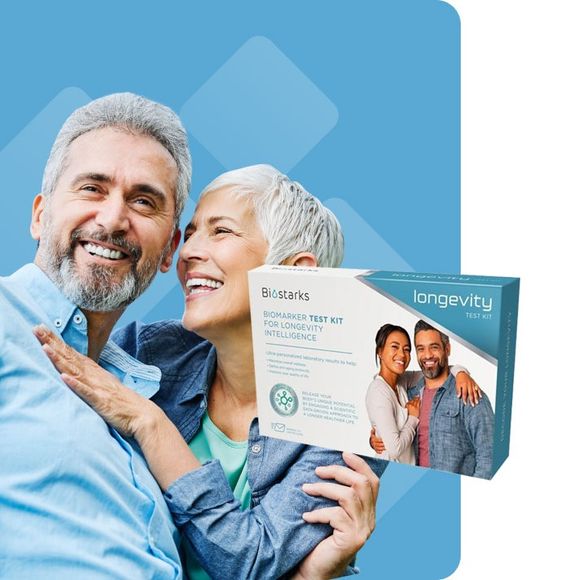
Biostarks

Biostarks, founded in 2020 by Pierre-Edouard Sottas, specializes in at-home biomarker test kits that provide personalized insights into health and wellness. Their offerings include tests for longevity, sports performance, nutrition, immunity, vitamin D levels, hair health, energy, and sleep, enabling individuals to make informed decisions about their well-being.

Jaja Life
Jala-Life is a Swiss-based wellness brand offering high-quality, plant-based liquid supplements designed for optimal absorption and effectiveness. Their products, including Ashwagandha, Curcuma, Coenzyme Q10, and various vitamin blends, are vegan, alcohol-free, and formulated without artificial additives, aiming to support holistic health and vitality.
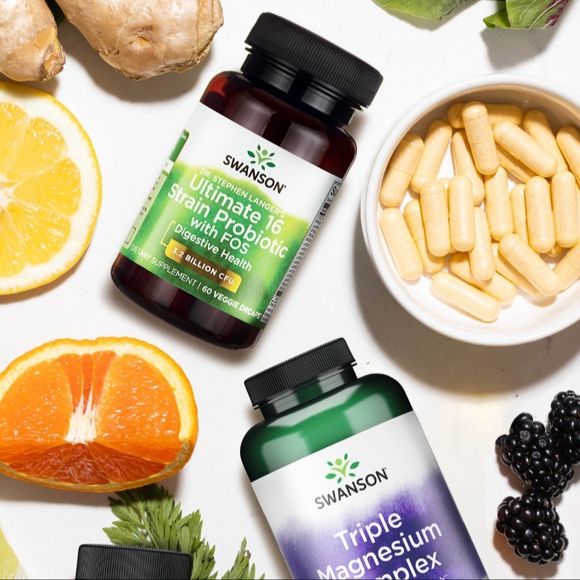
Swanson Health Products Europe

Swanson Health Products Europe offers a wide range of vitamins, supplements, and natural health products. Their extensive product catalog includes supplements for bone health, cardiovascular support, digestive health, and more, all designed to promote overall wellness.
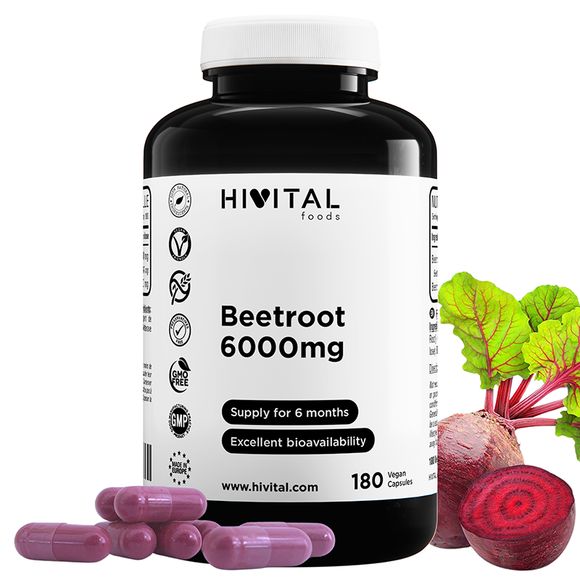
Hivital
Hivital is a manufacturer of high-quality dietary and nutritional supplements, focusing on natural ingredients to address various health concerns.
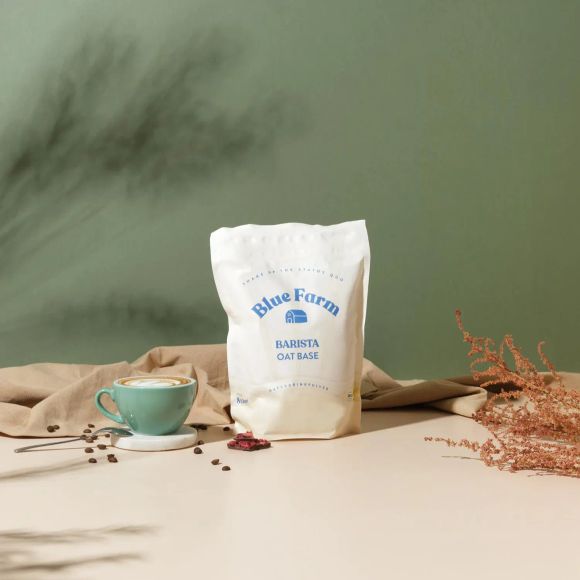
Blue Farm

Blue Farm offers innovative oat drink powders that allow you to create fresh, plant-based beverages at home in just 10 seconds. Their products are organic, vegan, and free from added sugars, oils, and unnecessary additives, promoting both health and environmental sustainability.
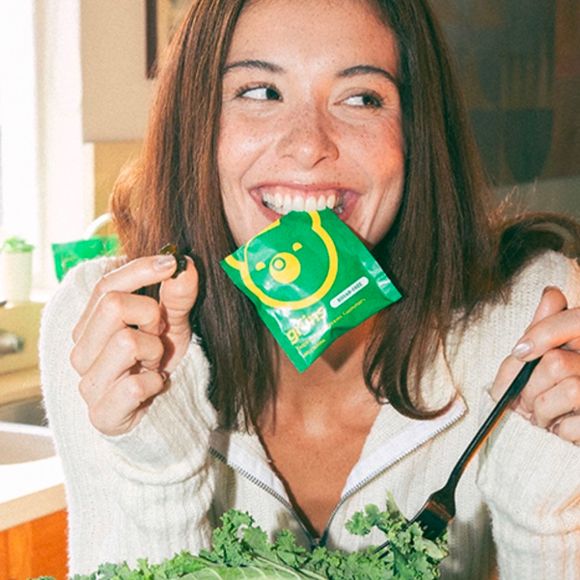
grüns
Grüns is a rapidly-growing wellness brand that’s disrupting the traditional supplement industry with comprehensive nutrition delivered in delicious, bear-shaped gummy form. Unlike traditional pills or powders, Grüns offers 60+ whole-food derived ingredients packed into 8 daily gummies, covering 20+ essential vitamins and minerals, adaptogens, prebiotics, probiotics, and superfoods.