Knowledge
Magazine
-

The 24-Hour Sleep Model: Why Better Sleep Starts the Morning Before
8 min read
-

Eating for Longevity: Lessons From the World's Oldest People
9 min read
-

The Summer Health Kit: Supplies and Gadgets for Hot Days and Warm Nights
9 min read
Weekly picks on longevity, brands, and health science. No spam—unsubscribe anytime.
Tools
- →The 30s Longevity Guide for Women
- →Postpartum Recovery Guide
- →Perimenopause Longevity Guide
- →Dopamine Reset Guide
- →Pregnancy Longevity Guide
- →Peptide Guide
- →Home Detox Guide
- →Slow Aging Guide
- →Pro Supplement Guide
- →Safe Supplement Guide
- →Bio Age Calculator
- →Blood Testing Guide
- →Deep Sleep Guide
- →Pro Longevity Dashboard
By Category
By Goal
Knowledge
- →What is Longevity?
- →Improve diet
- →More focus
- →Look younger
- →Lose weight
- →Track biomarkers
- →Improve sleep
- →Build muscle
- →Increase cardio
- →Detect diseases
- →Recover faster
- →Relieve stress
Magazine
-
The 24-Hour Sleep Model: Why Better Sleep Starts the Morning Before
8 min read
-
Eating for Longevity: Lessons From the World's Oldest People
9 min read
-
The Summer Health Kit: Supplies and Gadgets for Hot Days and Warm Nights
9 min read
Weekly picks on longevity, brands, and health science. No spam—unsubscribe anytime.
Brands
- →Apps
- →At Home Tests & Kits
- →Events
- →Experts & Clinics
- →Foods & Beverages
- →Gadgets & Equipment
- →Gyms & Workouts
- →Supplements
- →Travel & Retreats
- →Wearables & Trackers
Tools
- →The 30s Longevity Guide for Women
- →Postpartum Recovery Guide
- →Perimenopause Longevity Guide
- →Dopamine Reset Guide
- →Pregnancy Longevity Guide
- →Peptide Guide
- →Home Detox Guide
- →Slow Aging Guide
- →Pro Supplement Guide
- →Safe Supplement Guide
- →Bio Age Calculator
- →Blood Testing Guide
- →Deep Sleep Guide
- →Pro Longevity Dashboard

Discover
Connect
Longevity Knowledge BETA
Liver
Table of Contents
The liver's central role in metabolism and detoxification
The liver is your body's primary filtration system, processing everything you eat, drink, breathe, and absorb through your skin. Weighing about 1.5 kg, it performs over 500 functions including filtering blood, producing bile for fat digestion, storing vitamins and minerals, and regulating blood sugar [1]. The liver's detoxification happens in three phases: enzymes break down toxins, bind them to molecules for easier elimination, and transport them out via bile or urine. Research shows that liver function naturally declines with age, with cellular senescence and impaired lipid metabolism becoming prominent features [2]. Remarkably, the liver can regenerate itself, replacing damaged tissue with new cells when given proper support.
Understanding liver function tests and biomarkers
Standard blood tests measure enzymes that leak from liver cells when damaged. ALT and AST indicate liver cell injury, with ALT being more specific to the liver [3]. ALP and GGT rise when bile flow is blocked. Bilirubin levels show how well the liver processes waste. Albumin and clotting factors reflect the liver's protein-building capacity. Regular monitoring catches problems early, before symptoms appear. Healthy ranges vary by laboratory, but persistent elevations warrant investigation. Advanced biomarker testing can now detect liver inflammation and cell death non-invasively, providing earlier warning signs than traditional tests [4].
Fatty liver disease: a growing global health concern
Non-alcoholic fatty liver disease (NAFLD) affects 25% of adults worldwide, making it the most common chronic liver condition. Excess calories, particularly from sugar and refined carbohydrates, accumulate as fat in liver cells. When inflammation develops, this progresses to non-alcoholic steatohepatitis (NASH), which may advance to fibrosis, cirrhosis, and liver failure [5]. Risk factors include obesity, type 2 diabetes, high triglycerides, and metabolic syndrome. The good news: early-stage fatty liver is often reversible through sustained lifestyle changes, particularly weight loss of 7-10% [6].
How alcohol affects liver health
Alcohol is a direct hepatotoxin that causes cellular damage through multiple mechanisms. The liver metabolizes approximately 90% of consumed alcohol, creating acetaldehyde and free radicals in the process [7]. Chronic alcohol use can lead to alcoholic fatty liver disease, alcoholic hepatitis, and eventually cirrhosis. Evidence also suggests alcohol can cause hemolysis and erythrophagocytosis, further stressing liver function [8]. While some individuals can tolerate moderate alcohol consumption, genetic factors significantly influence susceptibility to alcohol-related liver damage.
Evidence-based strategies for liver protection
Protecting your liver requires consistent daily habits. Limit alcohol to recommended guidelines (maximum 1 drink daily for women, 2 for men) or avoid it entirely. Maintain a healthy weight through balanced nutrition and regular physical activity. Reduce added sugars, especially fructose, which the liver metabolizes directly [9]. Include cruciferous vegetables like broccoli and Brussels sprouts, which contain sulforaphane and other compounds that support phase 2 detoxification enzymes. Stay current on hepatitis A and B vaccinations. Be cautious with supplements and medications, as even natural products can stress the liver at high doses or when combined with other substances [10].
References
- 1. Biomarkers of liver diseases - Molecular Biology Reports
- 2. A single-nucleus transcriptomic atlas of primate liver aging - Protein Cell
- 3. Liver disease: Symptoms and causes - Mayo Clinic
- 4. Non-invasive Biomarkers of Liver Inflammation and Cell Death in Response to Alcohol Detoxification
- 5. Fighting fatty liver: Steps against a silent disease - NIH News in Health
- 6. Nonalcoholic fatty liver disease - ClinicalKey
- 7. Alcohol and public health: Frequently asked questions - CDC
- 8. Evidence for alcohol-mediated hemolysis and erythrophagocytosis in liver disease
- 9. 13 ways to a healthy liver - American Liver Foundation
- 10. How liver disease progresses - American Liver Foundation
Eat cruciferous vegetables daily
Cut added sugars to under 25g daily
Get annual liver function tests after 40
Replace alcohol with coffee
Lose 7-10% body weight if overweight
Limit added sugars to under 25g daily
Follow alcohol guidelines strictly
Be cautious with supplements and medications
How much alcohol is safe for the liver?
What ALT and AST levels indicate liver problems?
What are the early warning signs of liver disease?
Do liver detox supplements actually work?
What ALT and AST levels indicate liver damage?
Can fatty liver disease be reversed?

Fatty Liver Expert: Your Liver Is Filling With Fat Right Now - Dr David Unwin

#109 How To Boost NAD Levels To Fight Inflammation, Improve Recovery, and Slow Aging | Dr. Charles Brenner
Top Insulin Expert: Insulin Is More Dangerous Than Sugar! This Will Strip Fat Faster Than Anything!

Ketogenic diet, ketosis & hyperbaric oxygen: metabolic therapies for weight loss, cognition, Alzheimer's & more | Dom D'Agostino, Ph.D.
#104 Dr. Ben Bikman: How To Reverse Insulin Resistance Through Diet, Exercise, & Sleep
How Alcohol Rewires Your Brain and Increases Cancer Risk by 40%! The Alcohol Doctor, Dr. Sarah Wakeman
No discussions yet
Be the first to start a discussion about Liver.
Related Brands

Gaia Herbs

Gaia Herbs is a respected herbal supplement company, rooted in regenerative organic farming and rigorous quality control, offering single‑herb formulas, adaptogens, and blends that support immune, stress, cognitive, and metabolic health.
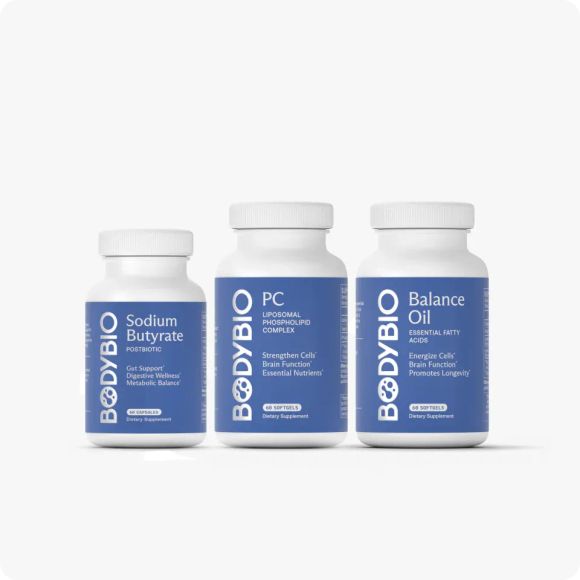
BodyBio
BodyBio is a third‑generation, science‑driven supplement brand focused on foundational cellular health. Their liposomal phospholipid complexes—like BodyBio PC—support brain, liver, gut and immune function while nurturing longevity from the cell up.


Ahead Health
Ahead Health is a Zurich-headquartered preventive health platform that combines full-body MRI scans, deep blood panels, and AI-driven analysis to detect 500+ potential health risks—empowering longevity seekers to take a proactive path toward lifelong wellness.
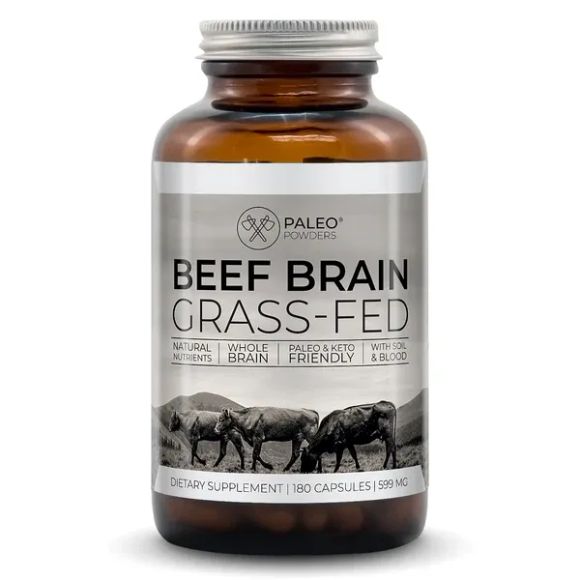
Paleo Powders

Paleo Powders is a company dedicated to formulating supplements based on whole foods, high nutritional value, and evolutionary principles. Their products aim to support individuals in thriving and functioning in harmony with their primal biology, similar to early ancestors.

H.P.N Store
HPN Store is a German-based online retailer specializing in high-quality nutritional supplements designed to support various health and fitness goals. Their extensive product range includes solutions for weight management, general health, sleep enhancement, sports performance, and digestive health. With a commitment to science-backed formulations, HPN Store caters to individuals seeking to optimize their well-being and physical performance.

Human Upgrade
Human Upgrade provides data‑driven longevity and performance programs combining advanced diagnostics, biomarker analysis, and personalized coaching to optimize sleep, metabolism, microbiome, and overall wellness.
Renew Life
Renew Life® Canada, established in 2002, is dedicated to enhancing digestive health through a comprehensive range of natural health supplements. Their offerings include probiotics, fiber supplements, digestive aids, enzymes, and internal cleanses, all formulated with high-quality ingredients to support optimal health
Homed-IQ
Homed-IQ offers a wide range of at-home health tests, including STI, general health, preventive health, sport, wellness, vitamin, mineral, and allergy tests.
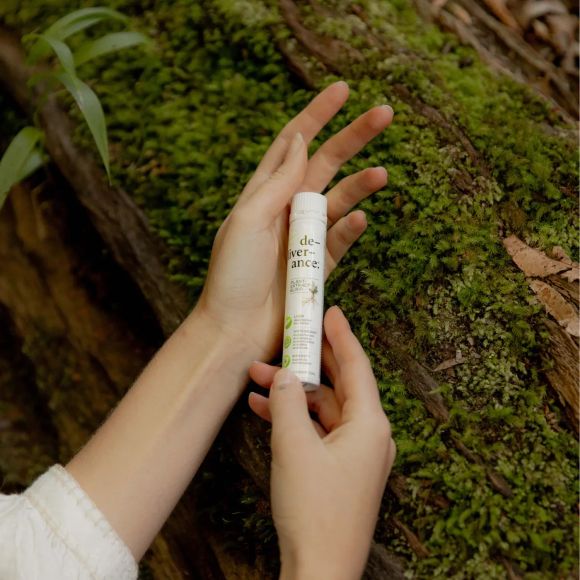
Love Liver
Love Your Liver offers de-liver-ance, a scientifically formulated supplement designed to enhance liver health, improve mental clarity, and support overall well-being.