Knowledge
Magazine
-

The 24-Hour Sleep Model: Why Better Sleep Starts the Morning Before
8 min read
-

Eating for Longevity: Lessons From the World's Oldest People
9 min read
-

The Summer Health Kit: Supplies and Gadgets for Hot Days and Warm Nights
9 min read
Weekly picks on longevity, brands, and health science. No spam—unsubscribe anytime.
Tools
- →The 30s Longevity Guide for Women
- →Postpartum Recovery Guide
- →Perimenopause Longevity Guide
- →Dopamine Reset Guide
- →Pregnancy Longevity Guide
- →Peptide Guide
- →Home Detox Guide
- →Slow Aging Guide
- →Pro Supplement Guide
- →Safe Supplement Guide
- →Bio Age Calculator
- →Blood Testing Guide
- →Deep Sleep Guide
- →Pro Longevity Dashboard
By Category
By Goal
Knowledge
- →What is Longevity?
- →Improve diet
- →More focus
- →Look younger
- →Lose weight
- →Track biomarkers
- →Improve sleep
- →Build muscle
- →Increase cardio
- →Detect diseases
- →Recover faster
- →Relieve stress
Magazine
-
The 24-Hour Sleep Model: Why Better Sleep Starts the Morning Before
8 min read
-
Eating for Longevity: Lessons From the World's Oldest People
9 min read
-
The Summer Health Kit: Supplies and Gadgets for Hot Days and Warm Nights
9 min read
Weekly picks on longevity, brands, and health science. No spam—unsubscribe anytime.
Brands
- →Apps
- →At Home Tests & Kits
- →Events
- →Experts & Clinics
- →Foods & Beverages
- →Gadgets & Equipment
- →Gyms & Workouts
- →Supplements
- →Travel & Retreats
- →Wearables & Trackers
Tools
- →The 30s Longevity Guide for Women
- →Postpartum Recovery Guide
- →Perimenopause Longevity Guide
- →Dopamine Reset Guide
- →Pregnancy Longevity Guide
- →Peptide Guide
- →Home Detox Guide
- →Slow Aging Guide
- →Pro Supplement Guide
- →Safe Supplement Guide
- →Bio Age Calculator
- →Blood Testing Guide
- →Deep Sleep Guide
- →Pro Longevity Dashboard

Discover
Connect
Longevity Knowledge BETA
NAD+
Table of Contents
What NAD+ does in your cells
Nicotinamide adenine dinucleotide (NAD+) is a coenzyme found in every living cell. It participates in more than 500 enzymatic reactions, working as an electron carrier in mitochondrial energy production and as a substrate consumed by three enzyme families tied to cellular maintenance: sirtuins, PARPs (poly-ADP-ribose polymerases), and CD38. Without adequate NAD+, cells can't efficiently produce ATP, repair damaged DNA, or regulate inflammatory responses.
NAD+ levels drop by roughly 50% between ages 40 and 60 [1]. This decline is now considered a hallmark of biological aging, linked to mitochondrial dysfunction, genomic instability, and weakened cellular repair.
Why NAD+ declines with age
Several factors converge to drain NAD+ as we get older. CD38, an enzyme expressed on immune cells, ramps up activity during chronic low-grade inflammation (sometimes called inflammaging) and is the single largest consumer of NAD+ in aging tissues [1][2]. PARP enzymes, which patch up accumulated DNA damage, also consume more NAD+ over time. Meanwhile, expression of NAMPT, the rate-limiting enzyme in the NAD+ salvage pathway, decreases with age, reducing the body's capacity to recycle NAD+ from nicotinamide. The result is a progressive energy deficit at the cellular level.
NAD+ biosynthesis: three pathways
Your body produces NAD+ through three distinct routes. The de novo pathway converts the amino acid tryptophan into NAD+ via the kynurenine pathway. The Preiss-Handler pathway uses dietary niacin (vitamin B3). And the salvage pathway recycles nicotinamide back into NAD+ through NAMPT. The salvage pathway handles the majority of daily NAD+ turnover and is the one most affected by aging.
NMN vs. NR as precursors
The two most studied NAD+ precursors are nicotinamide mononucleotide (NMN) and nicotinamide riboside (NR). NMN sits one enzymatic step closer to NAD+ in the biosynthesis chain, while NR must first be phosphorylated to NMN by NR kinases. Both effectively raise blood NAD+ levels in human trials. NMN at 250 to 1,000 mg daily has shown improvements in muscle insulin sensitivity, aerobic capacity, and walking speed in older adults [3][5]. NR at 300 to 1,000 mg daily has raised NAD+ by 40 to 90% in clinical studies, with safety data at doses up to 2,000 mg [4]. A 2025 meta-analysis found that despite clear NAD+ elevation, most clinically relevant endpoints in muscle mass and function did not reach statistical significance across pooled trials [6].
Sirtuins and the NAD+ connection
The sirtuin family (SIRT1 through SIRT7) are NAD+-dependent deacetylases that regulate DNA repair, mitochondrial biogenesis, inflammation, and circadian rhythm. SIRT1 mimics caloric restriction benefits by deacetylating PGC-1 alpha and FOXO transcription factors, while SIRT3 protects mitochondrial proteins from oxidative damage. NAD+ availability is the rate-limiting factor for sirtuin activity, which is why NAD+ decline and accelerated aging track so closely together.
Safety and emerging concerns
NAD+ precursors are generally well tolerated. The most common side effects reported in trials are mild: nausea, flushing, and headaches [8]. However, a 2024 Cleveland Clinic study raised a new concern: elevated levels of 4PY (N1-methyl-4-pyridone-3-carboxamide), a terminal breakdown product of excess niacin, were associated with increased cardiovascular inflammation and higher risk of heart attack and stroke [9]. This doesn't apply equally to all precursors (NMN and NR are metabolized differently from free niacin), but it warrants caution with high-dose, long-term supplementation. People with active cancer should also exercise caution, since NAD+ fuels rapidly dividing cells regardless of whether they're healthy or malignant. Long-term safety data beyond 12 weeks remains limited for most precursors.
Practical strategies to maintain NAD+
- Exercise regularly: HIIT and endurance training upregulate NAMPT and naturally boost NAD+ through the salvage pathway [5]
- Practice time-restricted eating: fasting activates AMPK and increases NAMPT expression, synergizing with any precursor supplementation
- Consider TMG (trimethylglycine, 500 to 1,000 mg): NAD+ synthesis consumes methyl groups, and TMG supports methylation balance
- Include CD38-inhibiting foods: apigenin (parsley, chamomile) and quercetin (onions, apples) are natural CD38 inhibitors that may slow NAD+ degradation [1]
- Take precursors in the morning to align with circadian NAD+ peaks and avoid possible sleep disruption from evening dosing
- Start low (250 mg NMN or 300 mg NR) and increase gradually based on tolerance
References
- 1. Camacho-Pereira et al. (2016) - CD38 Dictates Age-Related NAD Decline and Mitochondrial Dysfunction through an SIRT3-Dependent Mechanism
- 2. Covarrubias et al. (2020) - Macrophage Immunometabolism and Inflammaging: Roles of Mitochondrial Dysfunction, Cellular Senescence, CD38, and NAD
- 3. Yoshino et al. (2021) - Nicotinamide mononucleotide increases muscle insulin sensitivity in prediabetic women
- 4. Martens et al. (2018) - Chronic nicotinamide riboside supplementation is well-tolerated and elevates NAD+ in healthy middle-aged and older adults
- 5. Kim et al. (2024) - Ingestion of NMN increased blood NAD levels, maintained walking speed, and improved sleep quality in older adults
- 6. Liao et al. (2025) - NMN and NR supplementation effects on skeletal muscle mass and function: a systematic review and meta-analysis
- 7. Brakedal et al. (2022) - The NADPARK study: nicotinamide riboside supplementation in Parkinson's disease
- 8. Igarashi et al. (2022) - Efficacy and safety of NMN supplementation in healthy middle-aged adults: a randomized, multicenter, double-blind, placebo-co...
- 9. Hazen et al. (2024) - A terminal metabolite of niacin promotes vascular inflammation and contributes to cardiovascular disease risk
- 10. Dietary supplementation with NAD+-boosting compounds in humans: current knowledge and future directions (2023 review)
Exercise boosts NAD+ naturally
Take NAD+ precursors in the morning
Natural CD38 inhibitors may preserve NAD+
Watch the 4PY concern with high-dose niacin
Support methylation with TMG when supplementing
Eat tryptophan-rich foods for de novo NAD+ production
NMN/NR for cellular aging
NAD+ declines with age
Why does NAD+ decline with age?
Is NMN or NR better for raising NAD+ levels?
Can you measure your NAD+ levels?
Are there risks to taking NAD+ supplements long-term?
Can you boost NAD+ without supplements?
What is the difference between NAD+, NADH, and NAD?
Do longevity supplements actually work?
What is NMN and NR?


How Women Can Improve Their Fertility & Hormone Health | Dr. Natalie Crawford
Restore Youthfulness & Vitality to the Aging Brain & Body | Dr. Tony Wyss-Coray

#109 How To Boost NAD Levels To Fight Inflammation, Improve Recovery, and Slow Aging | Dr. Charles Brenner
Ketogenic diet, ketosis & hyperbaric oxygen: metabolic therapies for weight loss, cognition, Alzheimer's & more | Dom D'Agostino, Ph.D.
Essentials: The Biology of Slowing & Reversing Aging | Dr. David Sinclair
No discussions yet
Be the first to start a discussion about NAD+.
Related Articles


Related Brands
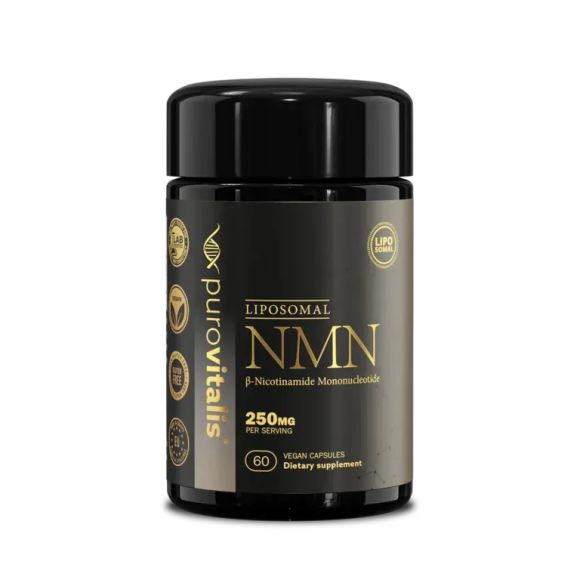
Purovitalis

Purovitalis specializes in longevity supplements made in Europe, designed to support healthy aging and overall well-being. Their product range includes NAD+ boosters, Resveratrol, Spermidine, and other scientifically-backed supplements aimed at promoting cellular health and vitality.
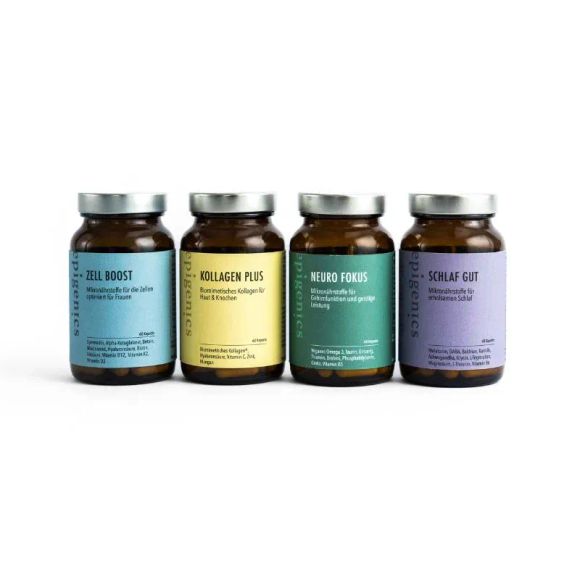
Epigenics
Epigenics is a Berlin-based company specializing in evidence-based nutritional supplements designed to slow biological aging and promote longevity through high-quality, scientifically formulated products.
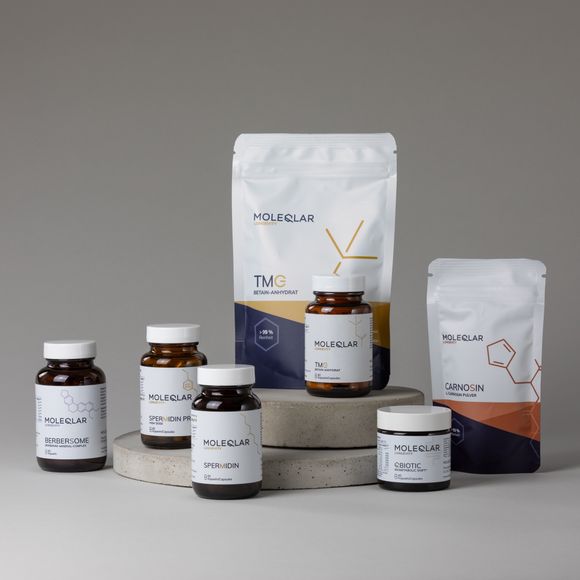
MOLEQLAR

MOLEQLAR offers a range of high-quality supplements and lab tests designed to enhance longevity, performance, and overall well-being. Their products include a proprietary proteomic testing platform as well as Nicotinamide mononucleotide (NMN), resveratrol, spermidine, and other essential compounds aimed at supporting cellular health.
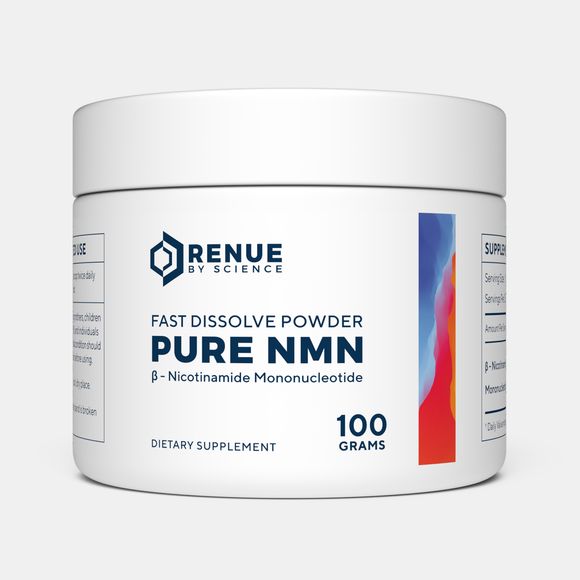
Renue by Science
Renue by Science is a global leader in clinically-proven NAD+ precursors and bioavailable longevity formulas, offering a wide range of supplements designed to support cellular rejuvenation and overall health.
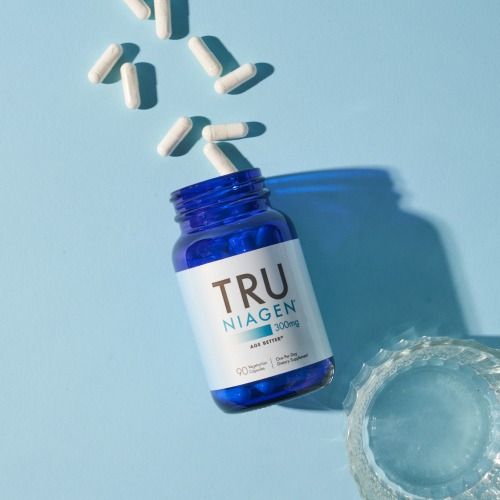
Tru Niagen
Tru Niagen offers advanced NAD+ supplements designed to support cellular health, energy levels, and overall well-being. Their flagship product, Niagen®, is clinically proven to boost NAD+ levels, which are essential for maintaining cellular function and promoting healthy aging.

The Central Biohacking

The Central Biohacking offers cutting-edge wellness programs in Luxembourg, featuring services like NAD+ IV therapy and red light anti-aging treatments to enhance health and longevity.

HUM2N
HUM2N is a health and biohacking company based in London, offering personalized medicine, biohacking therapies, IV treatments, and aesthetics services designed to optimize health and longevity.
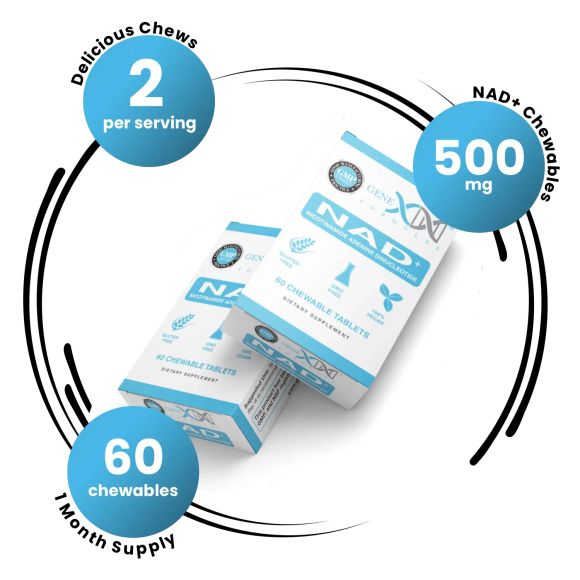
Genex Formulas
Genex Formulas is a U.S.-based company specializing in high-quality dietary supplements aimed at supporting healthy aging and overall wellness. Their product line includes NMN (Nicotinamide Mononucleotide), Resveratrol, and Berberine, all designed to enhance energy metabolism, promote cellular health, and support longevity.

Ion Layer
Ion Layer offers transdermal NAD+ patches that deliver high-dose NAD+ directly into the bloodstream without the need for needles, providing a convenient and cost-effective alternative to traditional IV infusions.
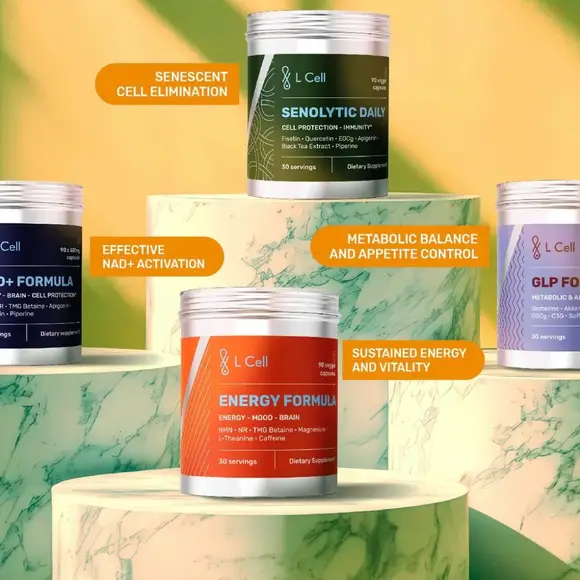
L Cell
L Cell is a science-led longevity supplement brand offering third-party lab-tested NAD+ boosters, senolytics, antioxidants and other compounds mapped to the hallmarks of ageing. Founded in cooperation with UCL alumni and the Life Sciences Centre at Vilnius University, it positions itself as a manufacturer rather than a reseller, with a built-in Longevity Quiz and educational "Longevity School" content.