Knowledge
Magazine
-

The 24-Hour Sleep Model: Why Better Sleep Starts the Morning Before
8 min read
-

Eating for Longevity: Lessons From the World's Oldest People
9 min read
-

The Summer Health Kit: Supplies and Gadgets for Hot Days and Warm Nights
9 min read
Weekly picks on longevity, brands, and health science. No spam—unsubscribe anytime.
Tools
- →The 30s Longevity Guide for Women
- →Postpartum Recovery Guide
- →Perimenopause Longevity Guide
- →Dopamine Reset Guide
- →Pregnancy Longevity Guide
- →Peptide Guide
- →Home Detox Guide
- →Slow Aging Guide
- →Pro Supplement Guide
- →Safe Supplement Guide
- →Bio Age Calculator
- →Blood Testing Guide
- →Deep Sleep Guide
- →Pro Longevity Dashboard
By Category
By Goal
Knowledge
- →What is Longevity?
- →Improve diet
- →More focus
- →Look younger
- →Lose weight
- →Track biomarkers
- →Improve sleep
- →Build muscle
- →Increase cardio
- →Detect diseases
- →Recover faster
- →Relieve stress
Magazine
-
The 24-Hour Sleep Model: Why Better Sleep Starts the Morning Before
8 min read
-
Eating for Longevity: Lessons From the World's Oldest People
9 min read
-
The Summer Health Kit: Supplies and Gadgets for Hot Days and Warm Nights
9 min read
Weekly picks on longevity, brands, and health science. No spam—unsubscribe anytime.
Brands
- →Apps
- →At Home Tests & Kits
- →Events
- →Experts & Clinics
- →Foods & Beverages
- →Gadgets & Equipment
- →Gyms & Workouts
- →Supplements
- →Travel & Retreats
- →Wearables & Trackers
Tools
- →The 30s Longevity Guide for Women
- →Postpartum Recovery Guide
- →Perimenopause Longevity Guide
- →Dopamine Reset Guide
- →Pregnancy Longevity Guide
- →Peptide Guide
- →Home Detox Guide
- →Slow Aging Guide
- →Pro Supplement Guide
- →Safe Supplement Guide
- →Bio Age Calculator
- →Blood Testing Guide
- →Deep Sleep Guide
- →Pro Longevity Dashboard

Discover
Connect
Longevity Knowledge BETA
Water
The science of hydration
Water comprises 50-65% of adult body weight and is essential for cellular homeostasis, temperature regulation, nutrient transport, and waste elimination [1]. The body maintains precise fluid balance through sensitive osmoreceptors and baroreceptors that regulate thirst and urine concentration via vasopressin release. Even mild dehydration, defined as body water loss of 1-2%, can impair cognitive function, mood, and physical performance.
Daily water intake recommendations
The National Academies recommend adequate daily fluid intake of approximately 15.5 cups (3.7 liters) for men and 11.5 cups (2.7 liters) for women, accounting for all beverages and food [3]. However, individual requirements vary based on body size, activity level, climate, and diet composition. A practical approach involves monitoring urine color: pale yellow indicates adequate hydration, while dark yellow suggests dehydration [4]. Food contributes roughly 20% of daily water intake, with fruits and vegetables like watermelon, strawberries, and lettuce containing over 90% water.
Cellular hydration and function
At the cellular level, water maintains the structural integrity of cells, facilitates metabolic reactions, and enables nutrient transport across cell membranes. Intracellular fluid represents about two-thirds of total body water. When dehydration occurs, cells shrink as water moves from the intracellular to extracellular compartment to maintain blood volume and pressure. Proper cellular hydration supports mitochondrial function, protein synthesis, and the removal of metabolic waste products.
Cognitive effects of dehydration
Research demonstrates that mild dehydration of 1-2% body weight loss can impair concentration, alertness, and short-term memory in both young adults and older individuals [1]. Children and the elderly are particularly vulnerable to cognitive effects of dehydration due to blunted thirst responses and reduced physiological reserves. Rehydration typically reverses these cognitive deficits within 30 minutes to 2 hours of fluid intake.
Water quality and mineral content
Beyond quantity, water quality and mineral composition influence health outcomes [2]. Tap water in developed regions is generally safe but may contain trace contaminants including chlorine byproducts, microplastics, and heavy metals depending on local infrastructure. Mineral water naturally contains calcium, magnesium, and bicarbonate ions that may contribute to daily mineral intake. Filtration systems can reduce specific contaminants while preserving beneficial minerals.
Hydration across the lifespan
Hydration needs and regulation change with age [5]. Older adults experience reduced thirst sensation, impaired renal concentrating ability, and lower total body water content, increasing dehydration risk. Children have higher surface area-to-body mass ratios and faster metabolic rates, requiring proportionally more water relative to body weight. Athletes and individuals in hot climates may require 6-10 liters daily to replace sweat losses.
References
- 1. Popkin BM, D'Anci KE, Rosenberg IH. Water, Hydration and Health. Nutrition Reviews. 2010;68(8):439-458
- 2. World Health Organization. Guidelines for Drinking-water Quality: Fourth Edition Incorporating the First and Second Addenda. 2022
- 3. National Academies of Sciences, Engineering, and Medicine. Dietary Reference Intakes for Water, Potassium, Sodium, Chloride, and Sulfate. 2005
- 4. Mayo Clinic. Water: How Much Should You Drink Every Day? 2026
- 5. EFSA Panel on Dietetic Products, Nutrition and Allergies. Scientific Opinion on Dietary Reference Values for Water. EFSA Journal. 2010;8(3):1459
Start your day with water
Monitor urine color
Add electrolytes for intense exercise
Choose filtered mineral water
Drink before you feel thirsty (especially after 50)
Why does cellular hydration matter for longevity?
How much water should I drink daily for optimal health?
Does mild dehydration really affect brain function?
Is tap water safe, or should I filter it?


Essentials: Using Salt to Optimize Mental & Physical Performance
The Best Vitality & Health Protocols | Dr. Rhonda Patrick
Using Red Light to Improve Metabolism & the Harmful Effects of LEDs | Dr. Glen Jeffery
Improve Your Lymphatic System for Overall Health & Appearance

Water Fasting Scientist: Surprising Link Between Fasting & Cancer! Fasting Completely Resets Your Gut Microbiome!
No discussions yet
Be the first to start a discussion about Water.
Community Discussions
What’s the best reverse osmosis water filter with remineralization for longevity and health available in Europe?
Electrolyte Strategy for Extended Fasting - What Actually Works?
Any tips for staying hydrated throughout the day beyond just drinking water?
Related Brands

Arena

Arena is a globally recognized brand specializing in competitive swimwear and aquatic gear, offering high-performance products trusted by professional swimmers and athletes worldwide.
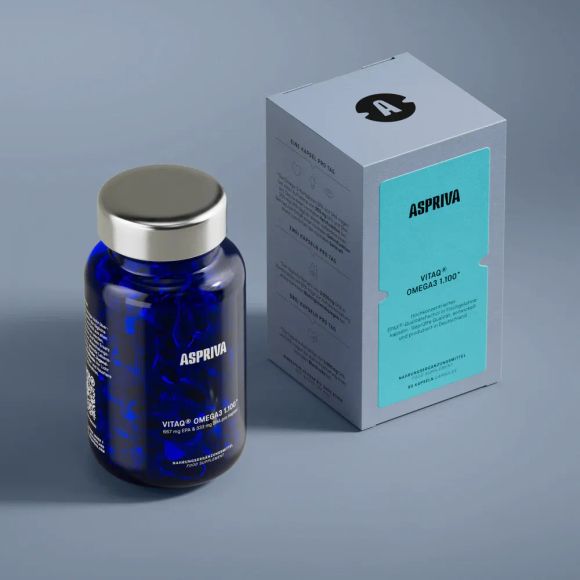
ASPRIVA
ASPRIVA offers scientifically formulated supplements designed to support longevity and holistic health through lifestyle changes, nutrition, and high-quality ingredients.
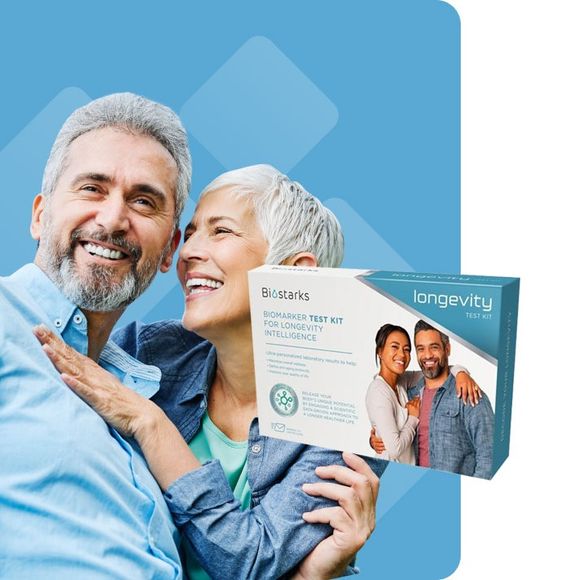
Biostarks
Biostarks, founded in 2020 by Pierre-Edouard Sottas, specializes in at-home biomarker test kits that provide personalized insights into health and wellness. Their offerings include tests for longevity, sports performance, nutrition, immunity, vitamin D levels, hair health, energy, and sleep, enabling individuals to make informed decisions about their well-being.
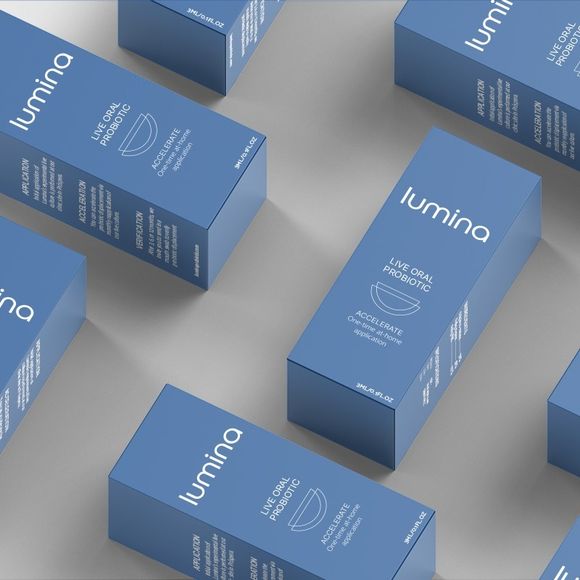
Lumina Probiotic
Lumina Probiotic is an innovative oral care solution that introduces a genetically modified strain of Streptococcus mutans (BCS3-L1) to displace harmful bacteria in the mouth, aiming to improve dental health by reducing lactic acid production.
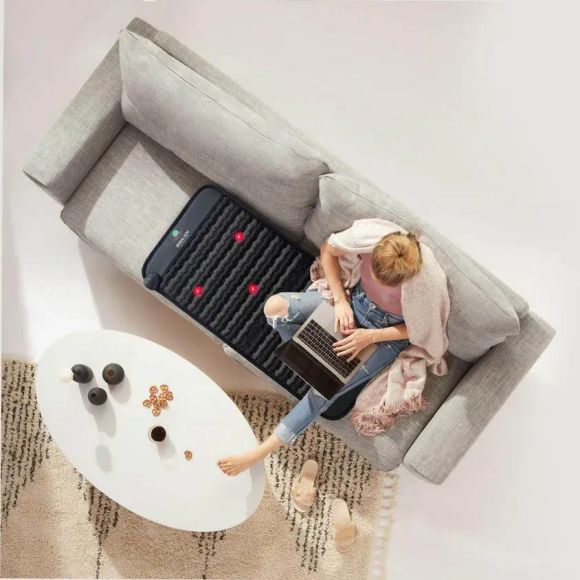
Spiralsun
Spiral Sun™ is a premium wellness brand based in Amsterdam, specializing in innovative health products designed to enhance overall well-being. Their offerings include hydrogen water bottles, infrared sauna blankets, PEMF therapy mats, and red light therapy devices, all crafted to integrate seamlessly into daily routines and promote a healthier lifestyle.

Jaja Life
Jala-Life is a Swiss-based wellness brand offering high-quality, plant-based liquid supplements designed for optimal absorption and effectiveness. Their products, including Ashwagandha, Curcuma, Coenzyme Q10, and various vitamin blends, are vegan, alcohol-free, and formulated without artificial additives, aiming to support holistic health and vitality.
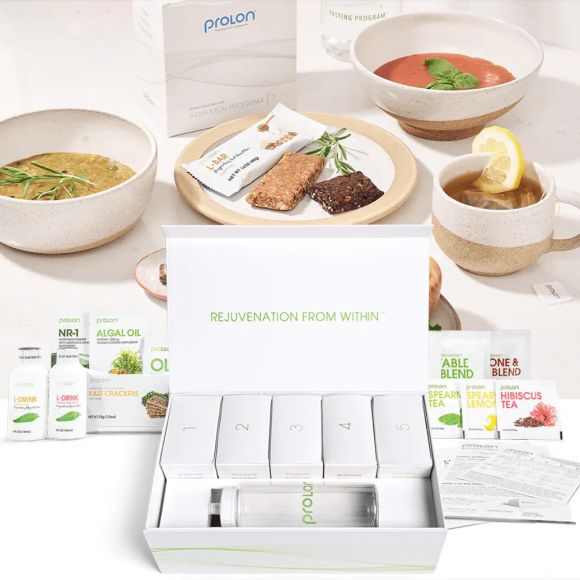
ProLon
ProLon offers a revolutionary 5-day Fasting Mimicking Diet—scientifically engineered to trigger the cellular benefits of water-only fasting, like autophagy and metabolic reset, while providing nourishing, plant-based meals.
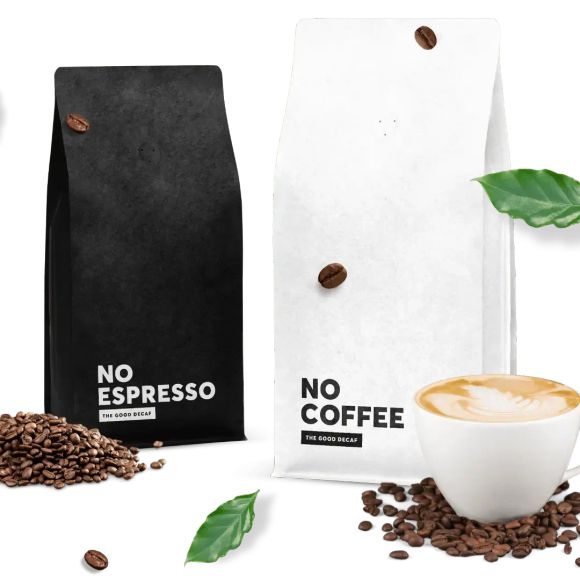
No Coffee

No Coffee offers a range of decaffeinated coffee products that taste just like regular coffee, without the side effects of caffeine. Their products are 100% organic, fair trade, and freshly roasted daily, providing a healthy and enjoyable alternative for coffee lovers.

Waterdrop
Waterdrop delivers sugar‑free hydration cubes packed with vitamins and plant extracts that turn plain water into a flavorful, nutrient‑rich drink designed to boost your daily hydration habit.
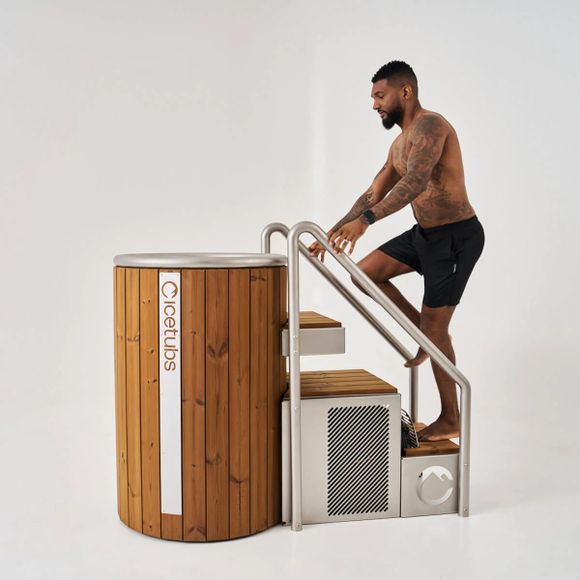
Icetubs
Icetubs offers artisanal ice baths designed for optimal recovery and peak performance. Trusted by world-class athletes and performers, Icetubs' products are known for their elegant, functional, and sustainable designs.