Knowledge
Magazine
-

The 24-Hour Sleep Model: Why Better Sleep Starts the Morning Before
8 min read
-

Eating for Longevity: Lessons From the World's Oldest People
9 min read
-

The Summer Health Kit: Supplies and Gadgets for Hot Days and Warm Nights
9 min read
Weekly picks on longevity, brands, and health science. No spam—unsubscribe anytime.
Tools
- →The 30s Longevity Guide for Women
- →Postpartum Recovery Guide
- →Perimenopause Longevity Guide
- →Dopamine Reset Guide
- →Pregnancy Longevity Guide
- →Peptide Guide
- →Home Detox Guide
- →Slow Aging Guide
- →Pro Supplement Guide
- →Safe Supplement Guide
- →Bio Age Calculator
- →Blood Testing Guide
- →Deep Sleep Guide
- →Pro Longevity Dashboard
By Category
By Goal
Knowledge
- →What is Longevity?
- →Improve diet
- →More focus
- →Look younger
- →Lose weight
- →Track biomarkers
- →Improve sleep
- →Build muscle
- →Increase cardio
- →Detect diseases
- →Recover faster
- →Relieve stress
Magazine
-
The 24-Hour Sleep Model: Why Better Sleep Starts the Morning Before
8 min read
-
Eating for Longevity: Lessons From the World's Oldest People
9 min read
-
The Summer Health Kit: Supplies and Gadgets for Hot Days and Warm Nights
9 min read
Weekly picks on longevity, brands, and health science. No spam—unsubscribe anytime.
Brands
- →Apps
- →At Home Tests & Kits
- →Events
- →Experts & Clinics
- →Foods & Beverages
- →Gadgets & Equipment
- →Gyms & Workouts
- →Supplements
- →Travel & Retreats
- →Wearables & Trackers
Tools
- →The 30s Longevity Guide for Women
- →Postpartum Recovery Guide
- →Perimenopause Longevity Guide
- →Dopamine Reset Guide
- →Pregnancy Longevity Guide
- →Peptide Guide
- →Home Detox Guide
- →Slow Aging Guide
- →Pro Supplement Guide
- →Safe Supplement Guide
- →Bio Age Calculator
- →Blood Testing Guide
- →Deep Sleep Guide
- →Pro Longevity Dashboard

Discover
Connect
Longevity Knowledge BETA
Wearable Technology
How wearable technology transforms personal health monitoring
Wearable health devices have moved far beyond simple step counters. Modern smartwatches, fitness trackers, and specialized sensors now provide continuous monitoring of heart rate variability, sleep architecture, blood oxygen levels, and stress markers [1]. Research demonstrates that interventions using consumer-based wearable activity trackers significantly increase daily step count and moderate-to-vigorous physical activity compared to control groups [2]. These devices generate longitudinal data that helps users identify patterns in their recovery, training load, and overall wellness.
Types of wearable devices and their clinical applications
Fitness trackers remain the most accessible entry point, monitoring steps, distance, calories burned, and basic heart rate. Smartwatches extend these capabilities with smartphone integration, GPS tracking, stress monitoring, and in some cases ECG and blood oxygen measurements [1]. Specialized wearables like continuous glucose monitors provide real-time blood sugar data invaluable for metabolic health optimization. Ring-based monitors such as the Oura Ring measure heart rate variability, sleep quality, and body temperature with minimal user friction. Chest straps using ECG technology deliver the most accurate heart rate and HRV data for serious athletes.
Sleep and recovery monitoring
Among the most valuable applications of wearable technology is sleep tracking, which monitors duration, sleep stages (light, deep, and REM), and quality metrics [1]. Understanding sleep architecture helps individuals optimize their sleep duration and address disturbances. Heart rate variability monitoring provides insight into autonomic nervous system function and recovery status. Studies show that wearables detecting stress through heart rate variability parameters achieve reasonable accuracy, though electrodermal activity shows promise for improved stress detection [3].
Accuracy considerations and limitations
Consumer-grade wearable accuracy varies by metric and device type. A meta-analysis found significant increases in physical activity participation among users of consumer-based wearable trackers [2]. However, average heart rate used by many commercial devices is less accurate for stress detection compared to heart rate variability measurements [3]. Users should view wearable data as trend indicators rather than clinical-grade diagnostics. We recommend using these devices to identify personal patterns and optimize recovery while avoiding anxiety from over-monitoring every metric.
References
- 1. Wearable Health Devices in Health Care: Narrative Systematic Review
- 2. Consumer-Based Wearable Activity Trackers Increase Physical Activity Participation: Systematic Review and Meta-Analysis
- 3. Smart Devices and Wearable Technologies to Detect and Monitor Mental Health Conditions and Stress: A Systematic Review
Charge your device nightly
Set realistic daily goals
Focus on trends, not single readings
Share data with your doctor
Keep sensors clean and dry
Wear your device consistently for accurate baselines
Use step goals to increase daily activity
Track sleep trends, not single nights
Use HRV for recovery insights
Don't use consumer wearables for medical diagnosis
How accurate are fitness trackers for counting steps?
Can wearables detect health problems?
What is a continuous glucose monitor (CGM)?
Do I need a smartwatch or is a fitness tracker enough?
How accurate are fitness trackers for measuring heart rate?
Can wearables detect sleep apnea?
What is heart rate variability (HRV) and why does it matter?
Do activity trackers actually help people exercise more?


Pregnancy Diet Expert: The Pregnancy Diet That Rewrites DNA! Why Pregnant Moms Are Being Lied To!
Uber CEO: At Uber, If You Don’t Perform, You’re Out! Uber Was Losing $3b A Year

Restore Youthfulness & Vitality to the Aging Brain & Body | Dr. Tony Wyss-Coray
Human Sleep Expert: Don't Pee In The Middle Of The Night & Why Night Time Sex Isn't A Good Idea!
AMA #79: A guide to cardiorespiratory training at any fitness level to improve healthspan, lifespan, and long-term independence
No discussions yet
Be the first to start a discussion about Wearable Technology.
Related Articles


Community Discussions
Related Brands
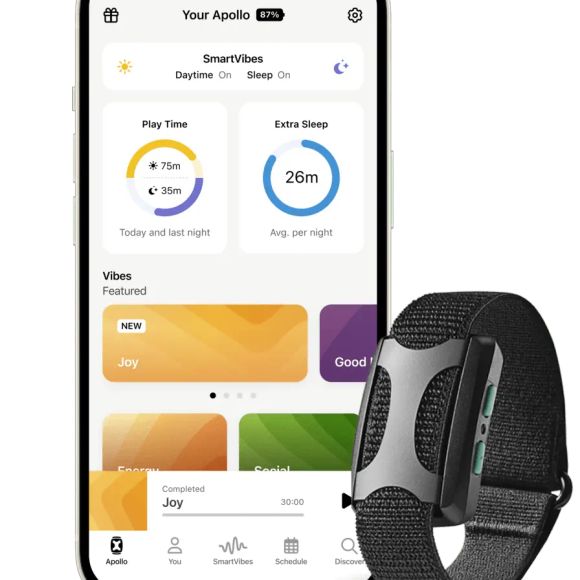
Apollo Neuro

Apollo Neuro offers a wearable device designed to help users manage stress, improve sleep, and enhance performance through gentle vibrations that promote calmness and focus. Developed by neuroscientists and physicians, Apollo Vibes™ are clinically validated to reduce stress and anxiety while improving energy and concentration.
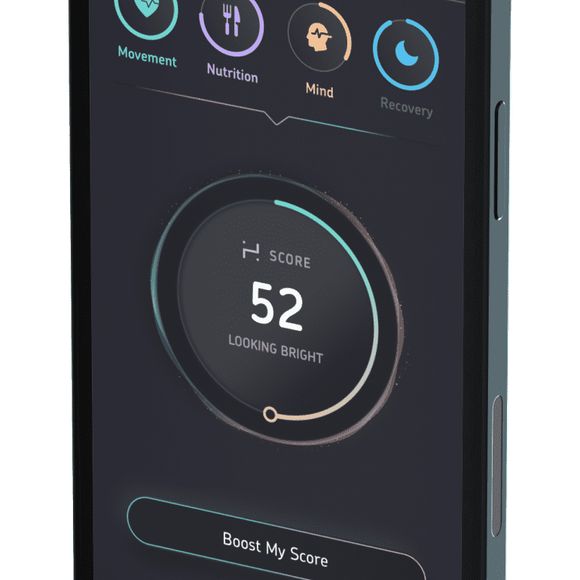
Humanity
Humanity offers an app that monitors your rate of aging and provides personalized recommendations to slow down or even reverse aging. The app integrates with wearable technology and tracks various aspects of health, including movement and nutrition, to help users optimize their longevity and healthspan.
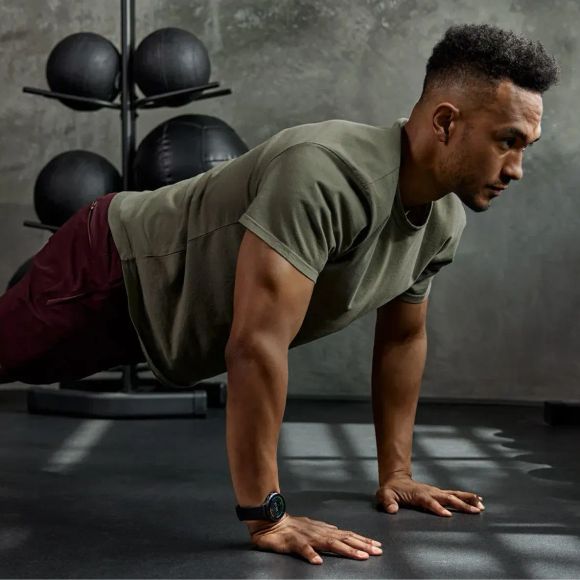
Garmin

Elevate your longevity journey with Garmin’s advanced wearables and GPS solutions. From fitness tracking to outdoor exploration, Garmin fuels active lifestyles, helping you #BeatYesterday and live healthier every day.
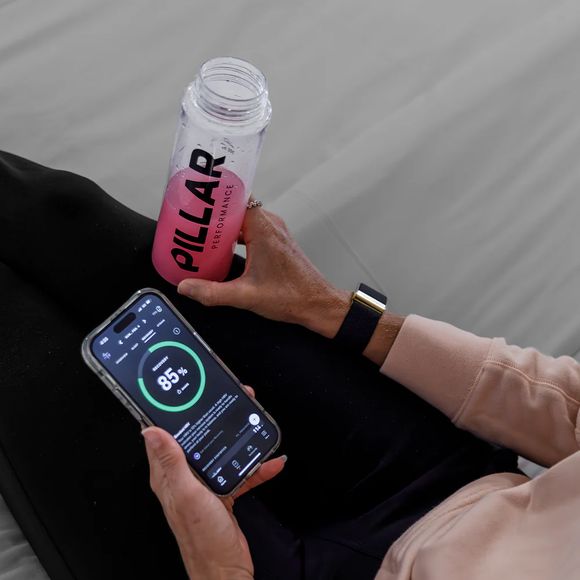
Pillar Performance
PILLAR is committed to revolutionizing the micronutrition industry by focusing on performance rather than just prevention. Through cutting-edge research and collaboration with top sports scientists, they develop micronutrition solutions specifically designed to enhance athletes' sleep, recovery, energy, immunity, and inflammation management. Their products are rigorously tested and certified by Informed Sport, ensuring they are free from over 250 banned substances.
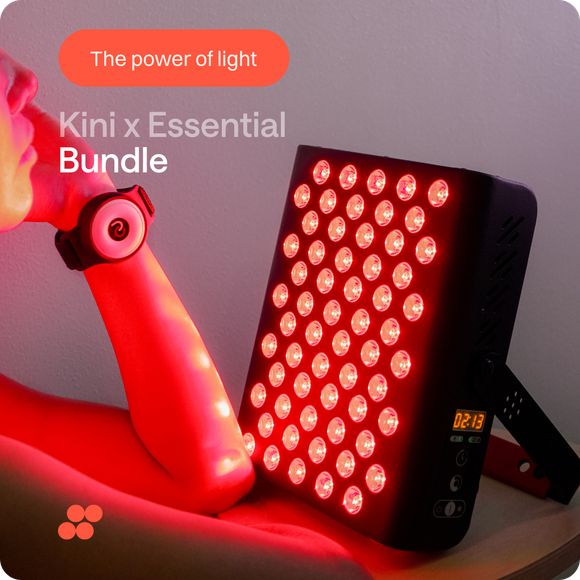
Luminous Labs
More energy. Better sleep. Healthier skin. Enhanced longevity. It all starts with light. At Luminous Labs, we’ve developed CellLight™ — a powerful blend of red and near-infrared wavelengths that activates your cells, recharges your energy production, and transforms how your body heals, ages, and performs. Our mission? To make the science of light personal, precise, and profoundly effective — for women, for high-performers, for you.
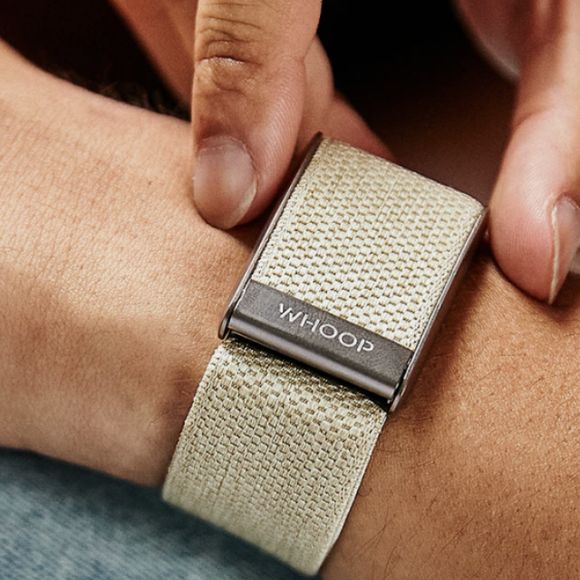
WHOOP
WHOOP is dedicated to optimizing human performance through advanced wearable technology. They provide unique insights into the relationship between physiology and performance, helping individuals reach their full potential physically, mentally, and emotionally.
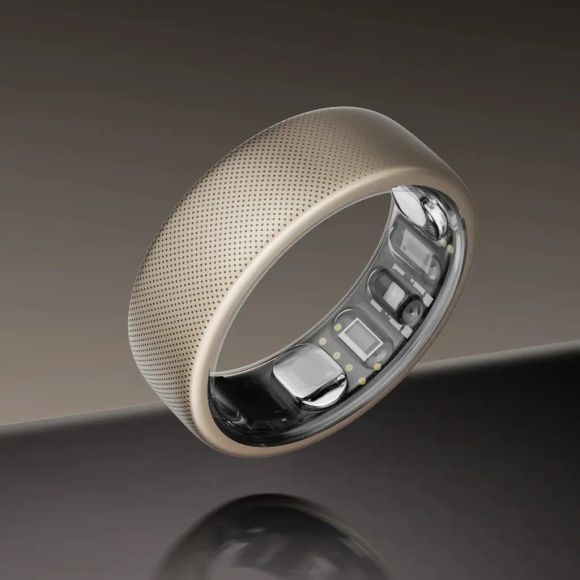
Amazfit

Amazfit is a leading global brand in wearable technology, offering a wide range of smartwatches, fitness bands, and lifestyle devices. Their products, including the Amazfit Helio Ring, are designed to enhance health and fitness through innovative technology and user-friendly designs.
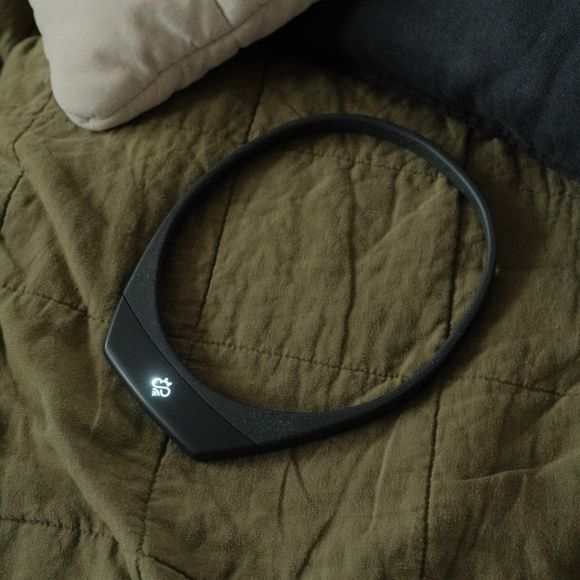
Hapbee
Hapbee is a wearable technology that uses magnetic fields to help users naturally elevate their mood, boost productivity, and improve sleep quality.
Dots
Dots is a tech company focused on creating innovative products that enhance daily life. Their upcoming product launch includes smart wearable technology designed to improve health, wellness, and connectivity.
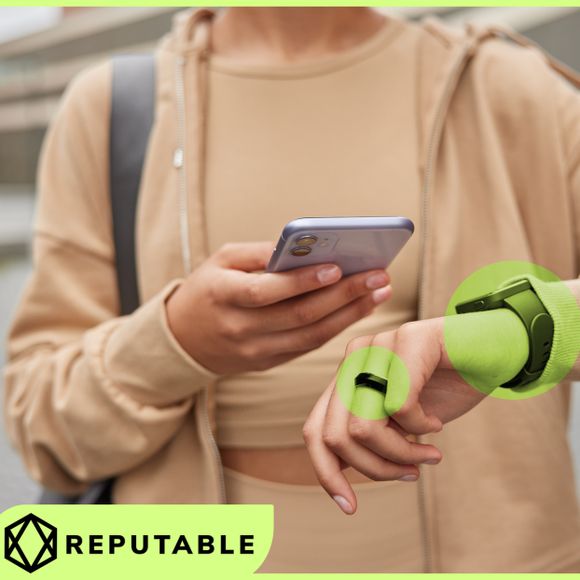
Reputable Health
Reputable Health is an innovative research platform that streamlines the validation of health and wellness product claims by leveraging wearable technology and real-time data analytics. Their approach captures over 20,000 daily data points per participant, providing brands with transparent, accurate, and actionable insights to substantiate product efficacy.