Knowledge
Magazine
-

The 24-Hour Sleep Model: Why Better Sleep Starts the Morning Before
8 min read
-

Eating for Longevity: Lessons From the World's Oldest People
9 min read
-

The Summer Health Kit: Supplies and Gadgets for Hot Days and Warm Nights
9 min read
Weekly picks on longevity, brands, and health science. No spam—unsubscribe anytime.
Tools
- →The 30s Longevity Guide for Women
- →Postpartum Recovery Guide
- →Perimenopause Longevity Guide
- →Dopamine Reset Guide
- →Pregnancy Longevity Guide
- →Peptide Guide
- →Home Detox Guide
- →Slow Aging Guide
- →Pro Supplement Guide
- →Safe Supplement Guide
- →Bio Age Calculator
- →Blood Testing Guide
- →Deep Sleep Guide
- →Pro Longevity Dashboard
By Category
By Goal
Knowledge
- →What is Longevity?
- →Improve diet
- →More focus
- →Look younger
- →Lose weight
- →Track biomarkers
- →Improve sleep
- →Build muscle
- →Increase cardio
- →Detect diseases
- →Recover faster
- →Relieve stress
Magazine
-
The 24-Hour Sleep Model: Why Better Sleep Starts the Morning Before
8 min read
-
Eating for Longevity: Lessons From the World's Oldest People
9 min read
-
The Summer Health Kit: Supplies and Gadgets for Hot Days and Warm Nights
9 min read
Weekly picks on longevity, brands, and health science. No spam—unsubscribe anytime.
Brands
- →Apps
- →At Home Tests & Kits
- →Events
- →Experts & Clinics
- →Foods & Beverages
- →Gadgets & Equipment
- →Gyms & Workouts
- →Supplements
- →Travel & Retreats
- →Wearables & Trackers
Tools
- →The 30s Longevity Guide for Women
- →Postpartum Recovery Guide
- →Perimenopause Longevity Guide
- →Dopamine Reset Guide
- →Pregnancy Longevity Guide
- →Peptide Guide
- →Home Detox Guide
- →Slow Aging Guide
- →Pro Supplement Guide
- →Safe Supplement Guide
- →Bio Age Calculator
- →Blood Testing Guide
- →Deep Sleep Guide
- →Pro Longevity Dashboard

Discover
Connect
Longevity Knowledge BETA
Amino Acids
Table of Contents
Amino acids and aging: building blocks of longevity
Amino acids are the 20 molecular units that make up every protein in the human body. Nine of them are "essential," meaning we can't produce them ourselves and must get them from food. Beyond building muscle and tissue, amino acids act as raw material for neurotransmitters, hormones, immune cells, and the signaling pathways that regulate how we age. Getting the right amino acids in the right amounts becomes more important with each passing decade.
The nine essential amino acids
The essential amino acids (EAAs) are leucine, isoleucine, valine, methionine, threonine, tryptophan, histidine, phenylalanine, and lysine. Of these, leucine, isoleucine, and valine are the branched-chain amino acids (BCAAs), named for their chemical structure. Complete protein sources like meat, fish, eggs, and dairy contain all nine in adequate proportions. Plant-based eaters can achieve full coverage by combining legumes, grains, and seeds throughout the day, though individual plant foods often lack one or more EAAs [1].
Why amino acids matter more as you age
After age 40, the body gradually loses muscle mass at a rate of roughly 3-8% per decade, a process called sarcopenia. One reason is "anabolic resistance": aging muscles become less responsive to the protein synthesis signal from amino acids, particularly leucine. Overcoming this requires both higher protein intake (1.0-1.2 g/kg/day for adults over 65, versus the standard 0.8 g/kg) and a threshold of about 30-35 g of protein per meal [2]. A 2021 randomized controlled trial found that daily EAA supplementation improved grip strength, walking distance, and lean mass in older adults with low physical functioning [3].
Leucine and the mTOR pathway
Leucine is the strongest dietary activator of mTOR (mechanistic target of rapamycin), the master switch for muscle protein synthesis. This makes leucine-rich foods and EAA supplements particularly effective for preserving muscle after exercise. But here's where longevity science gets complicated: chronic mTOR activation is also linked to accelerated aging and reduced autophagy. The current evidence suggests that pulsed mTOR activation through protein-rich meals timed around exercise, followed by periods of lower amino acid intake or fasting, may offer the best balance between muscle maintenance and longevity [4].
Amino acids beyond muscle: neurotransmitters, sleep, and immunity
Tryptophan is the precursor to serotonin and melatonin, directly influencing mood, sleep quality, and circadian rhythm. Brain serotonin levels decline with age, and dietary tryptophan can partially counteract this [5]. Histidine gives rise to histamine, which regulates immune responses. Methionine feeds into the methylation cycle, affecting DNA repair and gene expression. Glycine, a conditionally essential amino acid, is gaining attention in longevity research through GlyNAC (glycine + N-acetylcysteine) supplementation, which in a 2023 randomized clinical trial reversed multiple hallmarks of aging in older adults, including mitochondrial dysfunction, oxidative stress, and cellular senescence [6].
The amino acid restriction paradox
Interestingly, restricting certain amino acids can also extend lifespan. Reducing isoleucine intake by two-thirds increased median lifespan by 33% in male mice in a 2023 study [7]. Methionine restriction has shown similar longevity benefits across species, likely by reducing mTOR and IGF-1 signaling. BCAA restriction started at midlife led to a 30% lifespan increase in male mice [8]. These findings don't contradict the need for adequate protein. They suggest that the specific ratio and timing of amino acid intake matters: enough leucine around exercise to build muscle, but not constant excess that keeps mTOR permanently activated.
Practical amino acid strategy for healthy aging
For most people, the priority is getting enough high-quality protein distributed across meals. Aim for 1.0-1.6 g/kg/day depending on activity level and age, with 30+ grams per meal. If you train regularly, consuming EAAs or a leucine-rich protein source within two hours of resistance exercise maximizes the anabolic response. EAA supplements can be useful for older adults who struggle to eat enough protein, those on restricted diets, or people who want to stimulate muscle synthesis with fewer total calories. Whole-food sources remain the foundation, as they provide the full spectrum of amino acids plus co-factors needed for absorption.
References
- 1. The regulation of healthspan and lifespan by dietary amino acids (Frontiers in Endocrinology, 2021)
- 2. Protein Consumption and the Elderly: What Is the Optimal Level of Intake? (Nutrients, 2016)
- 3. Daily Consumption of an EAA-Based Dietary Supplement Improves Physical Performance in Older Adults (Journals of Gerontology, 2021)
- 4. Amino acid restriction, aging, and longevity: an update (Frontiers in Aging, 2024)
- 5. Assessment of the Role of Tryptophan as Precursor of Serotonin and Melatonin for the Aged Sleep-wake Cycle (International Journal of Tryptophan Resear...
- 6. GlyNAC Supplementation in Older Adults Improves Glutathione Deficiency, Oxidative Stress, Mitochondrial Dysfunction, and Aging Hallmarks: A Randomized...
- 7. Lifelong restriction of dietary branched-chain amino acids has sex-specific benefits for frailty and life span in mice (Nature Aging, 2021)
- 8. Glycine and aging: Evidence and mechanisms (Ageing Research Reviews, 2023)
Aim for 30+ grams of protein per meal after age 50
Combine EAAs with resistance training for best results
Prioritize complete protein sources in every meal
Use protein timing to balance muscle and longevity goals
Consider GlyNAC for anti-aging benefits
Do amino acids affect how fast you age?
How much protein do I need per day for healthy aging?
What is GlyNAC and why is it relevant to longevity?
What are the 9 essential amino acids and why do they matter for aging?
Should I take BCAA or EAA supplements?

Essentials: The Science of Eating for Health, Fat Loss & Lean Muscle | Dr. Layne Norton
Essentials: The Biology of Slowing & Reversing Aging | Dr. David Sinclair

Rethinking protein needs for performance, muscle preservation, and longevity, and the mental and physical benefits of creatine supplementation and sauna use | Rhonda Patrick, Ph.D.
Control Your Vagus Nerve to Improve Mood, Alertness & Neuroplasticity
Essentials: Build Muscle Size, Increase Strength & Improve Recovery
Essentials: How to Control Hunger, Eating & Satiety
No discussions yet
Be the first to start a discussion about Amino Acids.
Related Articles


Related Brands
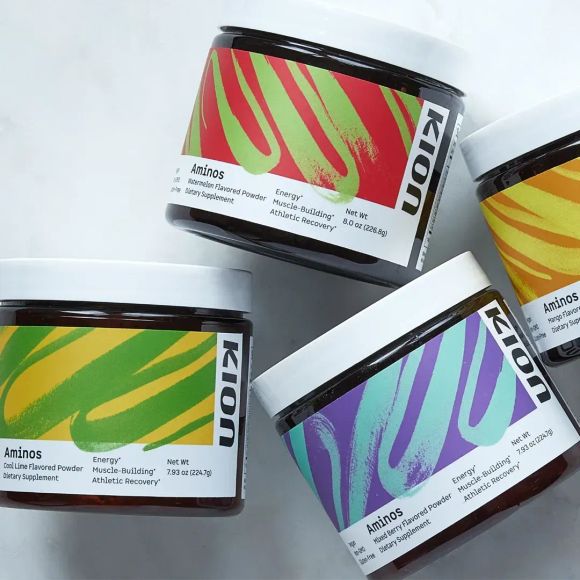
Kion

Kion offers a range of supplements and nutritional products designed to enhance physical and mental performance. Their product line includes aminos, coffee, protein, and various supplements aimed at supporting fitness, recovery, energy, wellness, and weight management.
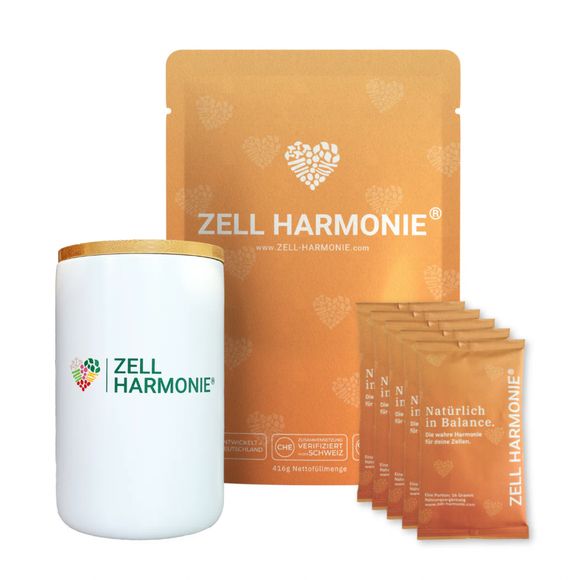
Zell Harmonie
Zell Harmonie® is a German-developed dietary supplement that combines 49 natural ingredients to promote cellular health and enhance overall well-being. It integrates traditional naturopathy with modern scientific insights, supporting areas such as stress resilience, hormonal balance, performance, and cell protection.
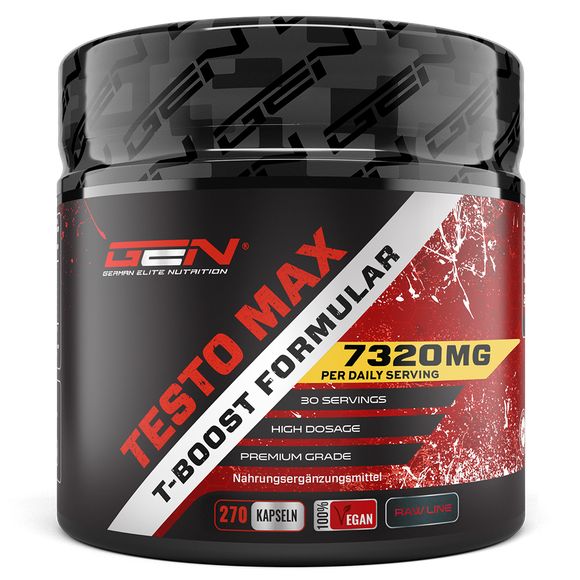
German Elite Nutrition
German Elite Nutrition offers premium supplements and sports products, emphasizing exceptional quality, taste, and rigorous testing to support athletic performance and health.
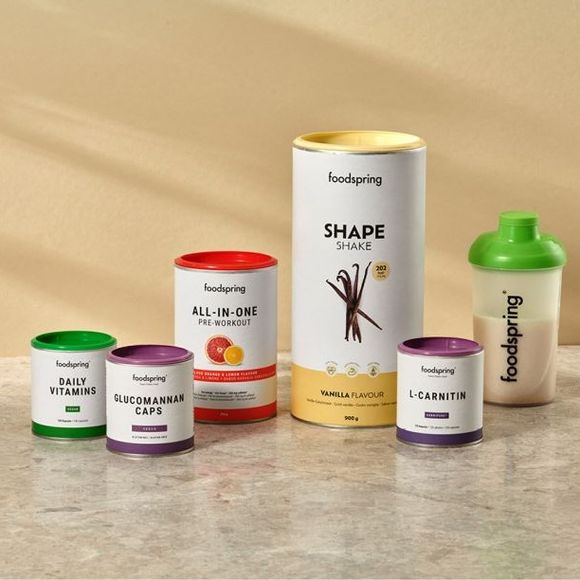
Foodspring
Foodspring is a German company specializing in premium fitness foods and sports nutrition products. Founded in 2013, the company offers a diverse range of products, including protein powders, bars, snacks, and supplements, designed to support muscle building, weight management, and overall health. In 2019, Foodspring was acquired by Mars, Incorporated, and continues to operate as an independent brand.
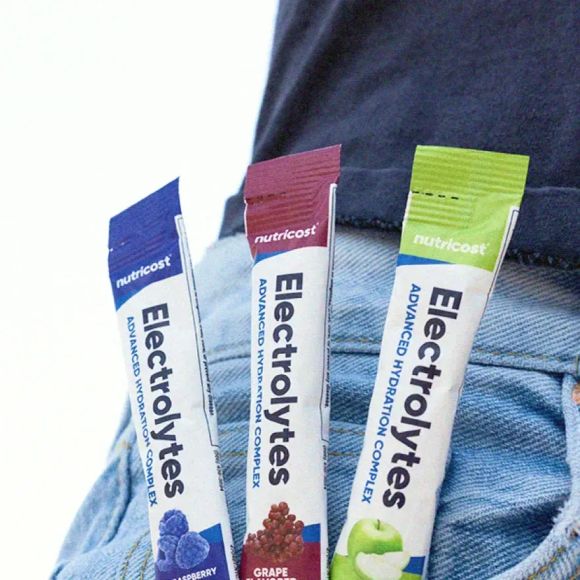
Nutricost

Nutricost provides a wide range of affordable, high-quality supplements designed to support various aspects of health, including amino acids, vitamins, protein powders, and sports nutrition. Their products are formulated to help users take control of their health with reliable and effective solutions.
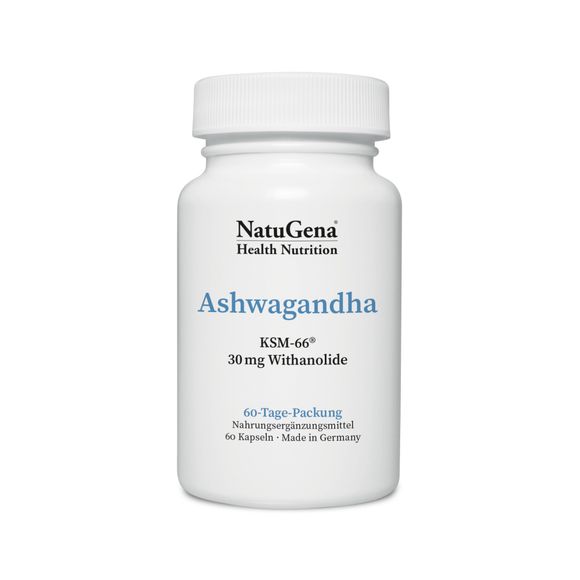
NatuGena
NatuGena GmbH is a Munich-based company specializing in the development of high-quality dietary supplements that combine the latest scientific research with natural ingredients.
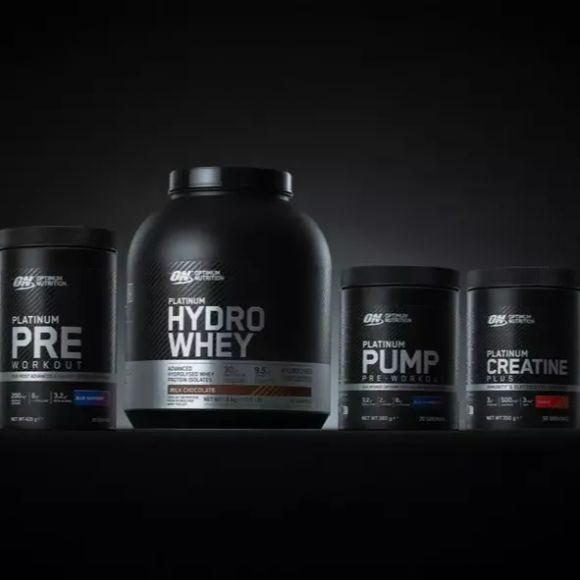
Optimum Nutrition
Optimum Nutrition provides a wide range of sports nutrition products, including protein powders, pre-workout supplements, and amino acids. Their products are trusted by athletes and fitness enthusiasts for their high-quality ingredients and effectiveness.
Doctor's Best
Doctor’s Best offers science-based nutritional supplements, utilizing clinically proven ingredients to support various aspects of health and wellness.

Source Naturals
Source Naturals® offers a comprehensive range of science-based nutritional supplements designed to support holistic health and wellness.
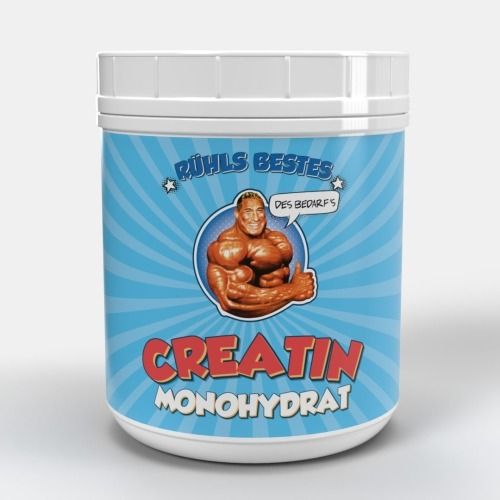
Rühl24
Rühl24 is Markus Rühl’s fitness and supplement brand from Germany, offering a wide range of sports nutrition products (proteins, amino acids, boosters) and fitness gear—with direct manufacturing and “from athlete to athlete” branding.