Knowledge
Magazine
-

The 24-Hour Sleep Model: Why Better Sleep Starts the Morning Before
8 min read
-

Eating for Longevity: Lessons From the World's Oldest People
9 min read
-

The Summer Health Kit: Supplies and Gadgets for Hot Days and Warm Nights
9 min read
Weekly picks on longevity, brands, and health science. No spam—unsubscribe anytime.
Tools
- →The 30s Longevity Guide for Women
- →Postpartum Recovery Guide
- →Perimenopause Longevity Guide
- →Dopamine Reset Guide
- →Pregnancy Longevity Guide
- →Peptide Guide
- →Home Detox Guide
- →Slow Aging Guide
- →Pro Supplement Guide
- →Safe Supplement Guide
- →Bio Age Calculator
- →Blood Testing Guide
- →Deep Sleep Guide
- →Pro Longevity Dashboard
By Category
By Goal
Knowledge
- →What is Longevity?
- →Improve diet
- →More focus
- →Look younger
- →Lose weight
- →Track biomarkers
- →Improve sleep
- →Build muscle
- →Increase cardio
- →Detect diseases
- →Recover faster
- →Relieve stress
Magazine
-
The 24-Hour Sleep Model: Why Better Sleep Starts the Morning Before
8 min read
-
Eating for Longevity: Lessons From the World's Oldest People
9 min read
-
The Summer Health Kit: Supplies and Gadgets for Hot Days and Warm Nights
9 min read
Weekly picks on longevity, brands, and health science. No spam—unsubscribe anytime.
Brands
- →Apps
- →At Home Tests & Kits
- →Events
- →Experts & Clinics
- →Foods & Beverages
- →Gadgets & Equipment
- →Gyms & Workouts
- →Supplements
- →Travel & Retreats
- →Wearables & Trackers
Tools
- →The 30s Longevity Guide for Women
- →Postpartum Recovery Guide
- →Perimenopause Longevity Guide
- →Dopamine Reset Guide
- →Pregnancy Longevity Guide
- →Peptide Guide
- →Home Detox Guide
- →Slow Aging Guide
- →Pro Supplement Guide
- →Safe Supplement Guide
- →Bio Age Calculator
- →Blood Testing Guide
- →Deep Sleep Guide
- →Pro Longevity Dashboard

Discover
Connect
Longevity Knowledge BETA
Body Composition
Table of Contents
Understanding body composition
Body composition describes the relative proportions of muscle, fat, bone, and water in your body. Unlike body weight alone, body composition analysis reveals how much of your weight comes from lean tissue versus fat mass. This distinction matters because two people with identical body weights can have vastly different metabolic health profiles depending on their muscle-to-fat ratio.
Why body composition matters for longevity
Maintaining healthy body composition becomes increasingly important with age. Research shows that skeletal muscle mass naturally declines after age 30, dropping approximately 3-8% per decade. This gradual loss, known as sarcopenia, correlates with reduced metabolic rate, impaired glucose regulation, and increased risk of falls and fractures [1].
Visceral fat and metabolic health
Not all body fat is equal. Visceral fat, which surrounds internal organs, poses greater health risks than subcutaneous fat stored beneath the skin. Excess visceral fat contributes to chronic inflammation, insulin resistance, and elevated cardiovascular disease risk [2]. Studies indicate that individuals with high visceral fat levels face increased mortality risk independent of their total body weight.
Muscle mass as a metabolic organ
Skeletal muscle functions as the body's largest metabolic organ, accounting for approximately 80% of insulin-stimulated glucose disposal. Higher muscle mass correlates with better insulin sensitivity, more stable blood sugar levels, and improved lipid profiles [3]. Resistance training builds muscle tissue while simultaneously reducing visceral fat accumulation.
How to measure body composition
Several methods assess body composition with varying accuracy:
- DEXA scans provide detailed measurements of bone density, lean mass, and fat distribution using low-dose X-rays. This method offers the most comprehensive analysis and tracks changes over time.
- Bioelectrical impedance analysis (BIA) estimates body composition by measuring electrical resistance through tissues. While convenient, hydration status affects accuracy.
- Skinfold calipers measure subcutaneous fat thickness at specific body sites. This affordable method requires trained personnel for reliable results.
- Underwater weighing calculates body density by comparing weight on land versus underwater. Though accurate, this method proves impractical for routine use.
Strategies for improving body composition
Achieving favorable body composition requires addressing both sides of the equation: building lean mass while managing fat accumulation.
Progressive resistance training stimulates muscle protein synthesis and increases resting metabolic rate. Aim for at least two to three sessions weekly targeting major muscle groups. Protein intake supports this process, with research suggesting 1.2-1.6 grams per kilogram of body weight daily for optimal muscle maintenance [4].
Adequate sleep also influences body composition. Studies demonstrate that sleep restriction alters hunger hormones, increases cravings for calorie-dense foods, and promotes fat storage while reducing muscle synthesis [5].
For visceral fat reduction, combine aerobic exercise with resistance training. High-intensity interval training particularly effectively reduces abdominal fat while preserving muscle mass.
References
Prioritize protein at breakfast
Lift heavy, progressively
Sleep 7-9 hours nightly
Track trends, not single measurements
Walk after meals
How accurate are smart scales for body composition?
Why does visceral fat increase with age?
What is a healthy body fat percentage?
Can you lose fat and build muscle simultaneously?

Building strength and muscle mass: how to optimize training, nutrition, and more for longevity (AMA #71 rebroadcast)

Anti-Aging Expert: This Reverses Gray Hair & Boosts Your Energy!
#398 ‒ AMA #86: GLP-1 RAs and muscle loss: new data, better questions, and how to preserve muscle during weight loss

Eating for Better Sleep & Foods that Improve Metabolic Health | Dr. Marie-Pierre St-Onge
Most Replayed Moment: This Is The Best Exercise Protocol For Women!
Most Replayed Moment: Insulin Is The Reason You're Gaining Fat! How To Lower It Now
No discussions yet
Be the first to start a discussion about Body Composition.
Related Articles

Community Discussions
Related Brands
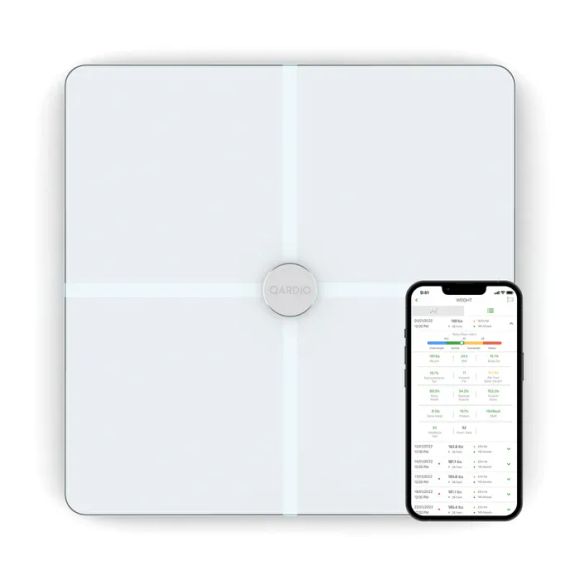
Qardio

Qardio offers innovative health monitoring devices, including the QardioBase X smart scale, which measures weight, body composition, and provides heart health tracking. Their products are designed to seamlessly integrate with daily life, helping users monitor their health metrics with ease and precision.
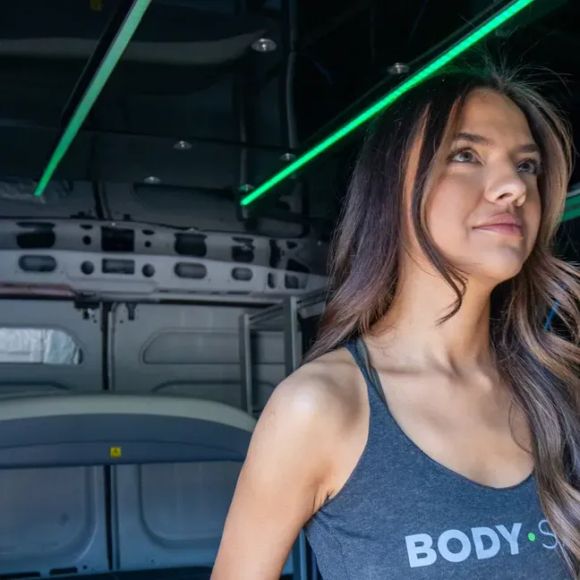
BodySpec Dexa
BodySpec provides affordable, medical-grade health assessments, including DEXA scans for body composition analysis, to help individuals achieve their wellness goals.
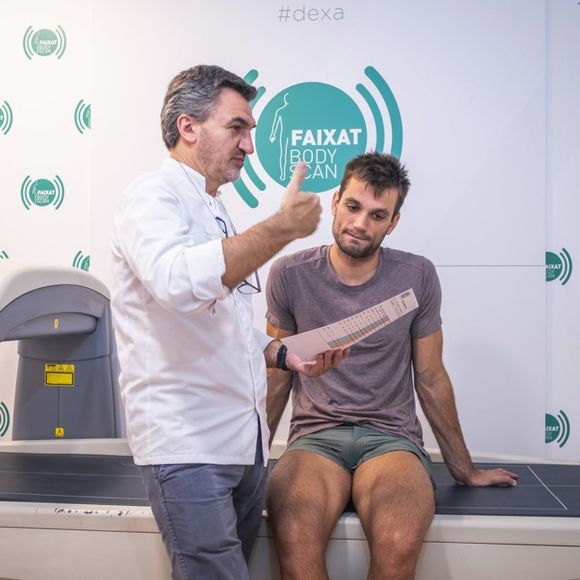
Faixat

Faixat Body Scan offers advanced body composition analysis using DEXA technology, providing precise measurements of fat, muscle, and bone mass to support health and performance goals.

Octane Wellness
Octane Wellness offers a range of advanced wellness technologies designed to optimize health, recovery, and energy levels. Their services include cryotherapy, infrared sauna, red light therapy, hyperbaric oxygen therapy, and body composition analysis, all aimed at enhancing physical and mental well-being.
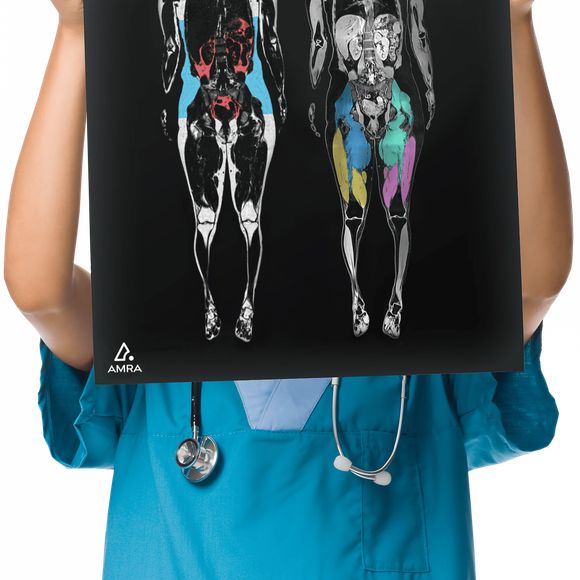
Amra Medical
Amra Medical is a leading provider of advanced medical imaging solutions, specializing in body composition analysis through MRI technology.
DexaFit
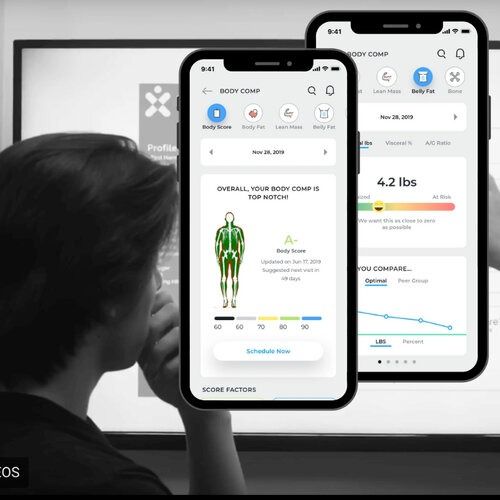
DexaFit provides advanced diagnostic services, including DEXA scans, VO2 Max tests, RMR analysis, and biomarker testing, to help individuals understand their health and fitness levels. Their services are enhanced by AI technology, offering precise and actionable insights to optimize health and wellness.

Kalos
Kalos offers data-driven personal training services in San Francisco, utilizing DEXA technology to provide precise body composition analysis and customized exercise and nutrition programs.

Rosebar
Six Senses Ibiza’s RoseBar offers personalized longevity programs that combine advanced diagnostics, nutrition, exercise, and biohacking therapies to enhance vitality and well-being.
InBody
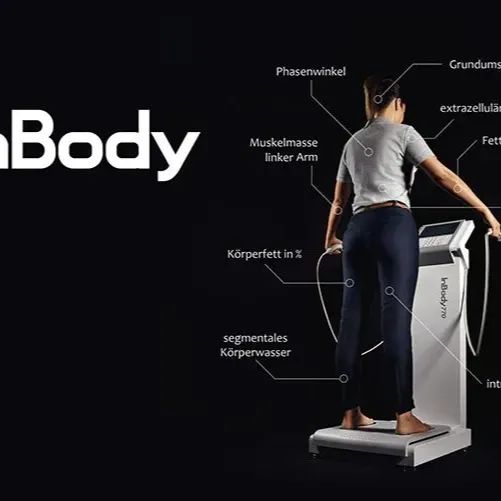
InBody Deutschland offers advanced body composition analyzers utilizing Bioelectrical Impedance Analysis (BIA) technology to provide precise measurements of muscle mass, fat mass, and body water. Their devices cater to sectors such as fitness, medicine, physiotherapy, and corporate health management.
Health Labs
iHealth Labs, founded in 2010, is a leading provider of innovative digital health solutions, offering a range of consumer-friendly, cloud-connected medical devices designed to make personal healthcare management more efficient and accessible.