Knowledge
Magazine
-

The 24-Hour Sleep Model: Why Better Sleep Starts the Morning Before
8 min read
-

Eating for Longevity: Lessons From the World's Oldest People
9 min read
-
The Summer Health Kit: Supplies and Gadgets for Hot Days and Warm Nights
9 min read
Weekly picks on longevity, brands, and health science. No spam—unsubscribe anytime.
Tools
- →The 30s Longevity Guide for Women
- →Postpartum Recovery Guide
- →Perimenopause Longevity Guide
- →Dopamine Reset Guide
- →Pregnancy Longevity Guide
- →Peptide Guide
- →Home Detox Guide
- →Slow Aging Guide
- →Pro Supplement Guide
- →Safe Supplement Guide
- →Bio Age Calculator
- →Blood Testing Guide
- →Deep Sleep Guide
- →Pro Longevity Dashboard
By Category
By Goal
Knowledge
- →What is Longevity?
- →Improve diet
- →More focus
- →Look younger
- →Lose weight
- →Track biomarkers
- →Improve sleep
- →Build muscle
- →Increase cardio
- →Detect diseases
- →Recover faster
- →Relieve stress
Magazine
-
The 24-Hour Sleep Model: Why Better Sleep Starts the Morning Before
8 min read
-
Eating for Longevity: Lessons From the World's Oldest People
9 min read
-
The Summer Health Kit: Supplies and Gadgets for Hot Days and Warm Nights
9 min read
Weekly picks on longevity, brands, and health science. No spam—unsubscribe anytime.
Brands
- →Apps
- →At Home Tests & Kits
- →Events
- →Experts & Clinics
- →Foods & Beverages
- →Gadgets & Equipment
- →Gyms & Workouts
- →Supplements
- →Travel & Retreats
- →Wearables & Trackers
Tools
- →The 30s Longevity Guide for Women
- →Postpartum Recovery Guide
- →Perimenopause Longevity Guide
- →Dopamine Reset Guide
- →Pregnancy Longevity Guide
- →Peptide Guide
- →Home Detox Guide
- →Slow Aging Guide
- →Pro Supplement Guide
- →Safe Supplement Guide
- →Bio Age Calculator
- →Blood Testing Guide
- →Deep Sleep Guide
- →Pro Longevity Dashboard

Discover
Connect
Longevity Knowledge BETA
Cold Therapy
Table of Contents
Why cold therapy works: the hormesis principle
Cold therapy is the deliberate use of cold temperatures to trigger beneficial stress responses in the body. The concept behind it is hormesis: a mild stressor provokes adaptive changes that leave you more resilient than before. Humans have practiced this for millennia, from Nordic ice bathing to Kneipp hydrotherapy, but modern research now explains what's happening at a molecular level. Cold exposure activates survival pathways that improve immune function, metabolism, cardiovascular health, and brain chemistry.
What happens in your body during cold exposure
Immersion in cold water (typically 1-15 degrees Celsius) triggers immediate sympathetic nervous system activation. The most significant measurable effect is a surge in norepinephrine: the landmark study by Sramek et al. (2000) found that immersion at 14 degrees Celsius increased plasma norepinephrine by 530% and dopamine by 250% [1]. This catecholamine release improves mood, sharpens focus, and lasts for hours after exposure. Norepinephrine also suppresses pro-inflammatory cytokines TNF-alpha and IL-6, producing a measurable anti-inflammatory effect.
Brown adipose tissue (BAT), the metabolically active fat that generates heat through uncoupled mitochondrial respiration, gets activated and expanded through regular cold exposure. Van der Lans et al. (2013) showed that just ten days of cold acclimation increased BAT activity and nonshivering thermogenesis in healthy adults [3]. Soberg et al. (2021) found that regular winter swimmers had enhanced cold-induced thermogenesis compared to controls, with direct implications for metabolic health and energy expenditure [8].
Immune modulation and cardiovascular training
The Radboud University study by Kox et al. (2014) showed that practitioners trained in the Wim Hof Method could voluntarily activate their sympathetic nervous system when challenged with bacterial endotoxin. Cold-adapted subjects produced significantly higher anti-inflammatory IL-10 and lower pro-inflammatory cytokines [2]. Buijze et al. (2016) found in a randomized trial of 3,018 participants that routine cold showers led to a 29% reduction in self-reported sickness absence from work [4]. Repeated cold water immersion also trains the cardiovascular system through vasoconstriction-vasodilation cycles that maintain vascular elasticity, functioning much like a workout for your blood vessels.
Cold therapy for mood and mental health
The 250% dopamine increase from cold immersion [1] is comparable to what certain medications aim to achieve. Dopamine and norepinephrine are both reduced in depression, and cold exposure raises both simultaneously. A 2024 review in the Journal of Neuropsychiatry and Clinical Neurosciences described cold-water immersion as a form of "neurohormesis" with potential applications in clinical neuroscience [9]. A Frontiers in Psychiatry protocol registered in 2025 is now conducting the first systematic review and meta-analysis on cold-water exposure and mental health [10]. The evidence is still early-stage, and most studies are small or lack adequate controls, but the neurochemical rationale is solid and aligns with known mechanisms of antidepressant action.
Cold exposure and aging
A 2025 review in Life Sciences examined whether cold exposure can counteract aging processes. The authors found evidence that cold activates multiple longevity-relevant pathways: it upregulates heat shock proteins, strengthens antioxidant defenses, stimulates autophagy, and enhances mitochondrial biogenesis [11]. A separate 2025 review in Aging and Disease described cold water therapy as an "untapped potential" lifestyle intervention for healthy aging, noting its effects on cardiometabolic risk factors and brown fat activation [12]. The Kelly et al. (2025) systematic review of 11 RCTs with 3,177 participants found significant benefits for health and wellbeing, though the authors noted substantial heterogeneity across trials [7].
Protocols: how to start safely
Effective cold therapy doesn't require extremes. Research suggests that roughly 11 minutes per week distributed across 2-4 sessions delivers reliable benefits. Start with cold shower finishes: 30-60 seconds of cold water at the end of a warm shower. This captures most of the norepinephrine and mood effects without requiring a dedicated cold plunge setup. Over weeks, extend the duration and lower the temperature gradually.
Full immersion in a cold plunge pool or natural water (10-15 degrees Celsius for 2-5 minutes) provides more complete exposure. For exercise recovery, a 2025 network meta-analysis found that medium-temperature immersion (11-15 degrees Celsius for 10-15 minutes) offers the best balance between effectiveness and tolerability [13].
What to watch out for
- Avoid cold immersion within 4-6 hours after strength training if hypertrophy is your goal. The Pinero et al. (2024) meta-analysis confirmed that post-exercise cold water immersion attenuates muscle growth [5]
- Never practice cold water immersion alone in open water. Cold shock can cause involuntary gasping, cardiac arrhythmias, and motor control loss within seconds
- People with cardiovascular disease, uncontrolled hypertension, Raynaud phenomenon, or cold urticaria must consult a physician first
- Focus on controlled breathing during exposure. Slow, deliberate breaths reduce the cold shock response and, according to Kox et al. (2014), amplify the anti-inflammatory benefits [2]
References
- 1. Human physiological responses to immersion into water of different temperatures (Sramek et al., 2000)
- 2. Voluntary activation of the sympathetic nervous system and attenuation of the innate immune response in humans (Kox et al., 2014)
- 3. Cold acclimation recruits human brown fat and increases nonshivering thermogenesis (van der Lans et al., 2013)
- 4. The Effect of Cold Showering on Health and Work: A Randomized Controlled Trial (Buijze et al., 2016)
- 5. Throwing cold water on muscle growth: A systematic review with meta-analysis (Pinero et al., 2024)
- 6. Cold but not sympathomimetics activates human brown adipose tissue in vivo (Cypess et al., 2012)
- 7. Effects of cold-water immersion on health and wellbeing: A systematic review and meta-analysis (Kelly et al., 2025)
- 8. Altered brown fat thermoregulation and enhanced cold-induced thermogenesis in young, healthy, winter-swimming men (Soberg et al., 2021)
- 9. Cold-Water Immersion: Neurohormesis and Possible Implications for Clinical Neurosciences (2024)
- 10. Protocol for a systematic review and meta-analysis on the effects of cold-water exposure on mental health (Frontiers in Psychiatry, 2025)
- 11. Cold and longevity: Can cold exposure counteract aging? (Life Sciences, 2025)
- 12. The untapped potential of cold water therapy as part of a lifestyle intervention for promoting healthy aging (Aging and Disease, 2025)
- 13. Impact of different doses of cold water immersion on recovery from acute exercise-induced muscle damage: a network meta-analysis (Frontiers in Physiol...
Use cold exposure as a mood booster
End your cold exposure on cold, not warm
For muscle recovery, use moderate cold
Start with cold shower finishes, not full plunges
Cold exposure basics
Time cold exposure away from strength training
Cold plunge benefits
Aim for 11 minutes of cold exposure per week
Focus on controlled breathing during cold exposure
Never practice cold water immersion alone in open water
Can cold therapy help with depression and anxiety?
Does cold therapy slow aging?
Should I end on cold or warm after a cold plunge?
How cold does the water need to be for cold therapy benefits?
Does cold water immersion after exercise hurt muscle growth?
Should I do cold plunges after every workout?
What is brown fat and how does cold exposure activate it?
Can cold showers really reduce sick days?
Who should avoid cold therapy?

Raising a Dog & Mastering Calm Assertive Energy | Cesar Millan
The Mental Frame & Specific Daily Actions to Succeed | Andy Stumpf
Essentials: Sleep Toolkit for Optimizing Sleep & Sleep-Wake Timing
How Women Can Improve Their Fertility & Hormone Health | Dr. Natalie Crawford
The Most Effective Weight Training, Cardio & Nutrition for Women | Dr. Lauren Colenso-Semple
Essentials: Micronutrients for Health & Longevity | Dr. Rhonda Patrick
No discussions yet
Be the first to start a discussion about Cold Therapy.
Related Articles


Related Brands
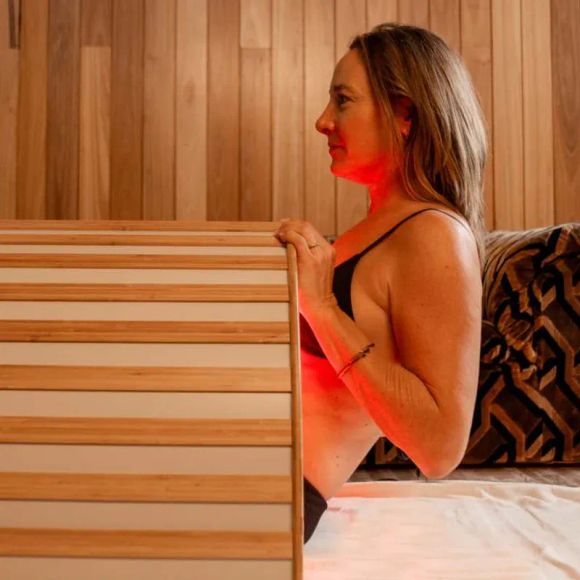
Helsi

Helsi™, founded in 2024 by Sebastian Mierau and Johannes Kettelhodt in Byron Bay, Australia, offers premium wellness products, including the Helsi™ One Sauna, Ice Plunge, and a range of red light therapy devices, designed to enhance health rituals and promote optimal well-being.
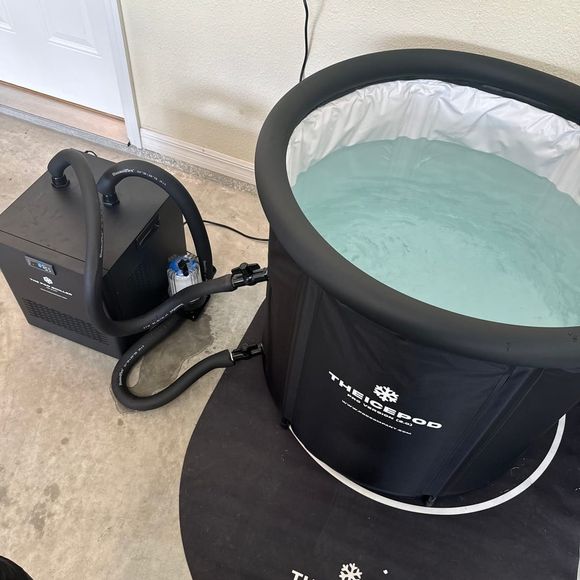
The Pod Company

The Pod Company offers the Original IcePod, a portable and affordable ice bath designed for cold therapy and recovery. Their products include various accessories like the Insulated IcePod Lid and Water Circulation Jet, enhancing the overall ice bath experience for users.
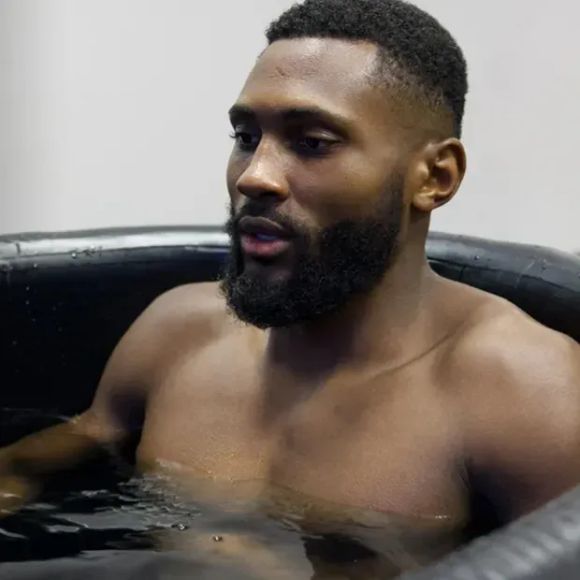
Serene Plunge
Serene Plunge specializes in affordable cold therapy solutions, offering a range of ice baths, water chillers, and saunas designed to enhance recovery, boost mood, and improve overall well-being. Their products include Wi-Fi enabled chillers and insulated ice baths for an elevated cold therapy experience.
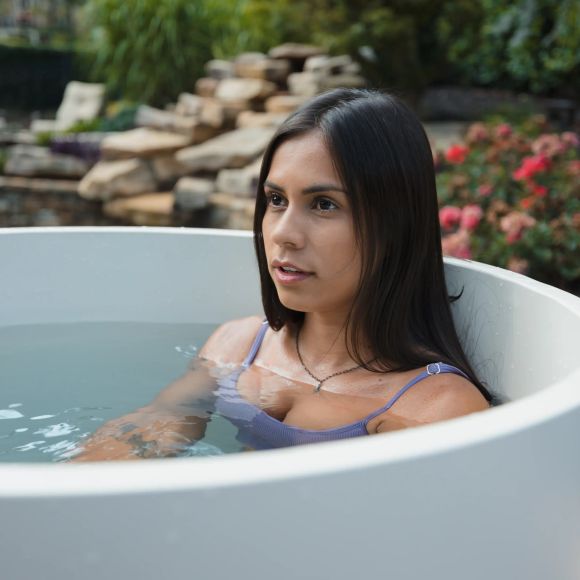
The Cold Life
The Cold Life offers premium cold plunge tubs designed for cold therapy, enhancing recovery, reducing inflammation, and boosting overall well-being. Their products include the Pro Curve Cold Plunge and Cold Life Chiller, combining advanced technology with a user-friendly design.
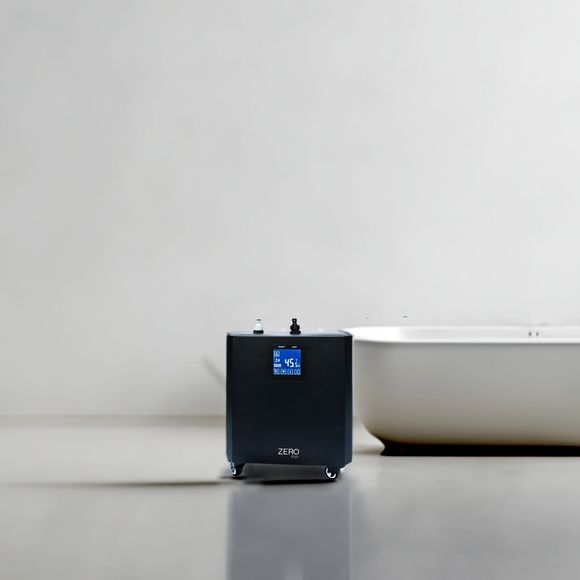
ZeroPod
ZeroPod offers a compact and portable cold plunge device specifically designed to work with any bathtub, providing an easy and efficient cold therapy solution. The ZeroPod is known for its user-friendly setup and portability, making it perfect for home use or on-the-go recovery.
MiHIGH
MiHIGH offers innovative infrared sauna blankets and other wellness products designed to enhance detoxification, relaxation, and overall well-being. Their product line includes the popular MiHIGH Infrared Sauna Blanket, Cold Plunge Tub, and various heat and cold therapy devices.
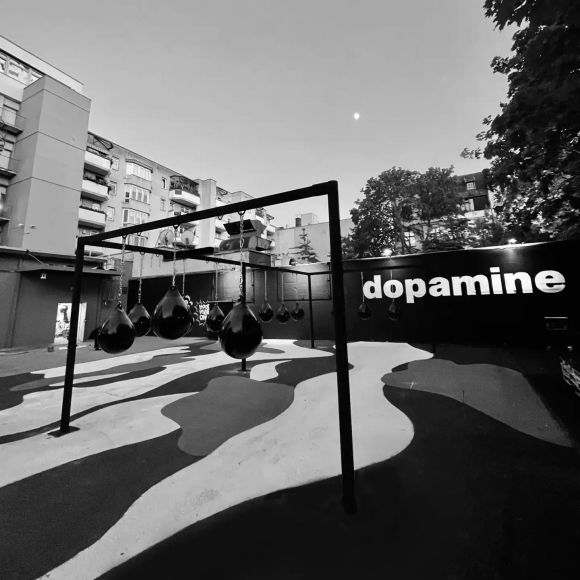
The Dopamine Studio
The Dopamine Studio is a Berlin-based fitness center offering adrenaline-fueled boxing classes, guided recovery sessions with sauna and ice baths, and community events to foster connections through fitness.

Biohacking-Bad Dürrheim
Biohacking Bad Dürrheim offers natural and sustainable methods to enhance personal potential through workshops and events focusing on cold exposure, breathwork, and stress management.
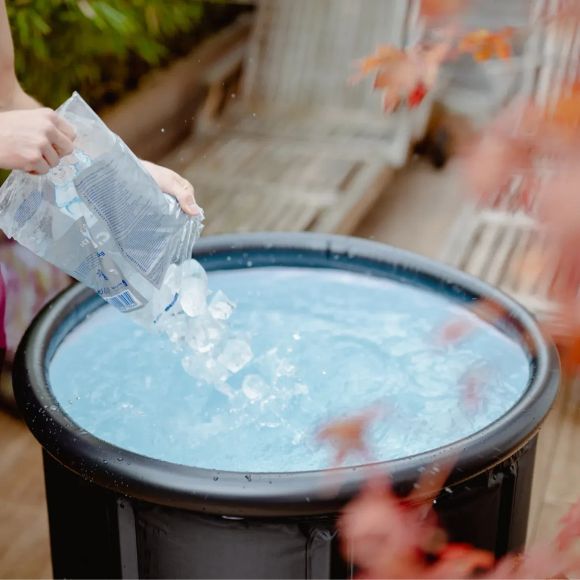
Ritualice
Ritualice offers foldable, inflatable premium ice baths and full regeneration sets—designed for cold therapy, muscle recovery, and boosting resilience.
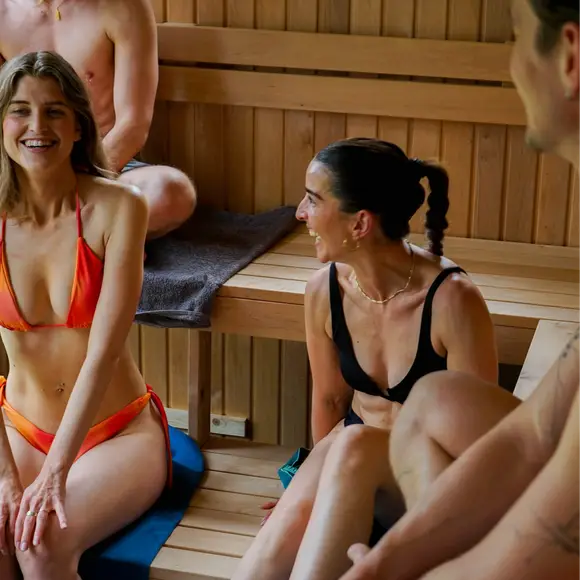
Hytte
Hytte Studios is a Nordic hot-and-cold recovery studio offering guided Saunagus rituals rooted in Scandinavian tradition and built for urban recovery and community. Each visit is a guided 75-minute session run over three rounds of heat, cold plunge and rest, led by trained facilitators called Gusmesters.