Knowledge
Magazine
-

The 24-Hour Sleep Model: Why Better Sleep Starts the Morning Before
8 min read
-

Eating for Longevity: Lessons From the World's Oldest People
9 min read
-

The Summer Health Kit: Supplies and Gadgets for Hot Days and Warm Nights
9 min read
Weekly picks on longevity, brands, and health science. No spam—unsubscribe anytime.
Tools
- →The 30s Longevity Guide for Women
- →Postpartum Recovery Guide
- →Perimenopause Longevity Guide
- →Dopamine Reset Guide
- →Pregnancy Longevity Guide
- →Peptide Guide
- →Home Detox Guide
- →Slow Aging Guide
- →Pro Supplement Guide
- →Safe Supplement Guide
- →Bio Age Calculator
- →Blood Testing Guide
- →Deep Sleep Guide
- →Pro Longevity Dashboard
By Category
By Goal
Knowledge
- →What is Longevity?
- →Improve diet
- →More focus
- →Look younger
- →Lose weight
- →Track biomarkers
- →Improve sleep
- →Build muscle
- →Increase cardio
- →Detect diseases
- →Recover faster
- →Relieve stress
Magazine
-
The 24-Hour Sleep Model: Why Better Sleep Starts the Morning Before
8 min read
-
Eating for Longevity: Lessons From the World's Oldest People
9 min read
-
The Summer Health Kit: Supplies and Gadgets for Hot Days and Warm Nights
9 min read
Weekly picks on longevity, brands, and health science. No spam—unsubscribe anytime.
Brands
- →Apps
- →At Home Tests & Kits
- →Events
- →Experts & Clinics
- →Foods & Beverages
- →Gadgets & Equipment
- →Gyms & Workouts
- →Supplements
- →Travel & Retreats
- →Wearables & Trackers
Tools
- →The 30s Longevity Guide for Women
- →Postpartum Recovery Guide
- →Perimenopause Longevity Guide
- →Dopamine Reset Guide
- →Pregnancy Longevity Guide
- →Peptide Guide
- →Home Detox Guide
- →Slow Aging Guide
- →Pro Supplement Guide
- →Safe Supplement Guide
- →Bio Age Calculator
- →Blood Testing Guide
- →Deep Sleep Guide
- →Pro Longevity Dashboard

Discover
Connect
Longevity Knowledge BETA
DNA Test
Table of Contents
What DNA testing actually tells you
Direct-to-consumer DNA testing has grown into a multi-billion dollar industry, promising insights into ancestry, disease risk, and personalized wellness. The reality is more nuanced. Genetic tests identify variations in your DNA sequence, called single nucleotide polymorphisms (SNPs), that correlate with certain traits or health conditions. But correlation does not equal destiny. Environment, lifestyle, and epigenetic factors play equally important roles in determining outcomes.
The most reliable genetic insights involve monogenic conditions, where a single mutation directly causes disease. Cystic fibrosis, sickle cell anemia, and Huntington's disease fall into this category. For complex traits like type 2 diabetes, cardiovascular disease, or cognitive decline, dozens or hundreds of genetic variants each contribute small effects. Predicting individual risk from these polygenic scores remains imprecise, with studies showing limited clinical utility beyond traditional risk factors [1].
Ancestry testing: patterns, not borders
Ancestry testing compares your DNA to reference populations from different geographic regions. These estimates reflect statistical patterns of genetic similarity rather than definitive national origins. As databases expand and algorithms improve, ancestry reports change. Your results may shift significantly as companies refine their reference panels and statistical models [4].
DNA cannot tell you you're "30% French" in any meaningful cultural or national sense. It reveals that you share genetic markers with reference populations from particular regions. Migration, conquest, and trade have mixed human populations for millennia. Genetic clusters rarely align neatly with modern political borders or cultural identities.
Pharmacogenomics: where DNA testing delivers
Pharmacogenomic testing analyzes how genetic variants affect drug metabolism. Variants in cytochrome P450 (CYP) enzymes determine whether you process medications quickly, slowly, or not at all. This information helps physicians select appropriate drugs and doses, reducing adverse reactions and improving efficacy [2].
Specific examples demonstrate clear clinical value. CYP2C19 variants affect clopidogrel effectiveness for heart patients. CYP2D6 variants influence codeine metabolism and opioid response. TPMT variants predict thiopurine toxicity in cancer and autoimmune treatments. Guidelines from the Clinical Pharmacogenetics Implementation Consortium now recommend genetic testing before prescribing these medications.
Health risk predictions: proceed with caution
Many direct-to-consumer tests provide disease risk scores based on genome-wide association studies. These reports estimate your statistical likelihood of developing conditions like Alzheimer's, Parkinson's, or certain cancers compared to population averages. The information can empower lifestyle changes or prompt earlier screening. It can also cause unnecessary anxiety when risks are misinterpreted or overstated.
For most complex diseases, genetic risk scores add modest predictive value beyond age, family history, and lifestyle factors. A 2023 systematic review found that polygenic risk scores for cardiovascular disease improved risk prediction only marginally when added to conventional clinical assessments [1]. The incremental benefit varies significantly across populations, with most research historically conducted in European ancestry groups.
Privacy considerations
Your genetic data is uniquely identifiable and immutable. Unlike a credit card number, you cannot change your DNA if a database is breached. Direct-to-consumer testing companies have faced scrutiny over data sharing practices, law enforcement access, and potential discrimination [3].
Regulatory protections vary by jurisdiction. In the United States, the Genetic Information Nondiscrimination Act (GINA) prohibits health insurance and employment discrimination based on genetic information. However, GINA does not cover life insurance, disability insurance, or long-term care insurance. Some states have enacted additional protections; others have not. The ethical, legal, and social implications of widespread genetic testing continue to evolve as technology advances [5].
Carrier screening: actionable information for family planning
Carrier screening identifies whether you carry recessive genetic variants that could cause disease in offspring if both parents carry the same variant. Conditions like cystic fibrosis, spinal muscular atrophy, and Tay-Sachs disease follow this inheritance pattern. Testing provides actionable information for family planning decisions.
Professional guidelines now recommend offering carrier screening for certain conditions to all couples planning pregnancy, regardless of ethnicity. Expanded carrier screening panels test for hundreds of conditions simultaneously. This approach identifies more at-risk couples but also generates more variants of uncertain significance that require genetic counseling to interpret properly.
References
- 1. Clinical Utility of Polygenic Risk Scores: A Systematic Review and Meta-Analysis (JAMA, 2023)
- 2. Pharmacogenomic Testing and Drug Response: Implementation Challenges and Clinical Impact (Nature Reviews Genetics, 2022)
- 3. Genetic Privacy: Risks and Recommendations for Direct-to-Consumer Testing (Nature Medicine, 2023)
- 4. Accuracy and Interpretation of Ancestry Testing: A Critical Review (American Journal of Human Genetics, 2022)
- 5. Ethical, Legal, and Social Implications of Consumer Genetic Testing (Annual Review of Genomics and Human Genetics, 2023)
Share pharmacogenomic results with your doctor
Treat risk scores as probabilities, not certainties
Enable two-factor authentication on testing accounts
Consider family implications before testing
Polygenic scores are improving but imperfect
Ask about pharmacogenomic testing before starting new medications
Consider carrier screening before pregnancy
Review privacy policies before choosing a testing company
Interpret polygenic risk scores with caution
Can DNA tests predict disease with certainty?
How accurate are ancestry DNA tests?
Should I share my DNA data with research databases?
Do different DNA testing companies give different results?
Can DNA tests predict my risk of getting cancer?
What is pharmacogenomic testing and should I get it?
Who can access my genetic data from direct-to-consumer testing?
What is carrier screening and when should I do it?

#392 - Genetic testing: when it's valuable, how to choose the right test, and what to do with the results

How Women Can Improve Their Fertility & Hormone Health | Dr. Natalie Crawford
Essentials: The Biology of Slowing & Reversing Aging | Dr. David Sinclair
Using Stem Cells to Cure Autism, Epilepsy & Schizophrenia | Dr. Sergiu Pașca
Female fertility: optimizing reproductive health, diagnosing and treating infertility and PCOS, and understanding the IVF process | Paula Amato, M.D.
No discussions yet
Be the first to start a discussion about DNA Test.
Related Brands

Lykon


Lykon provides personalized health solutions through DNA and blood tests, as well as tailored supplements. Their services aim to help individuals understand their unique nutritional needs and improve their overall health and well-being.
SelfDecode
SelfDecode offers advanced genetic analysis combined with health data to provide personalized recommendations for optimizing health, longevity, and performance. Their platform includes DNA testing and AI-driven health coaching, tailored to individual needs.

BodyGen
Bodygen offers advanced DNA-based health analysis services, empowering individuals to optimize their health, fitness, and longevity through personalized genetic insights and actionable recommendations.
MeinLabTest
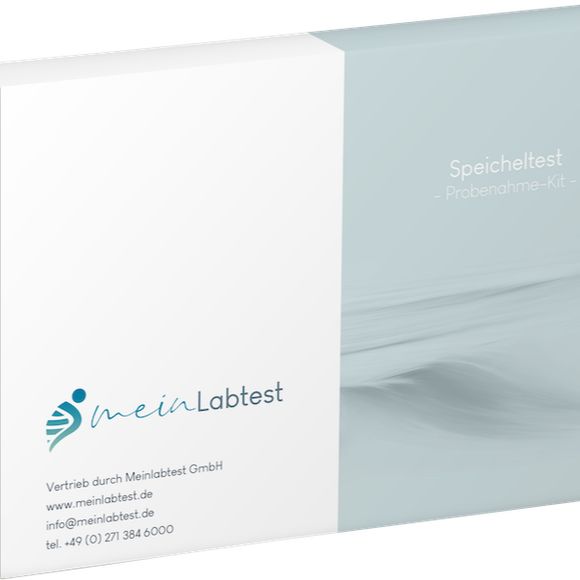
MeinLabTest offers a variety of at-home diagnostic tests, including blood tests, DNA tests, and gut health assessments. Their services are designed to provide users with detailed health insights from the comfort of their homes.