Knowledge
Magazine
-

The 24-Hour Sleep Model: Why Better Sleep Starts the Morning Before
8 min read
-

Eating for Longevity: Lessons From the World's Oldest People
9 min read
-

The Summer Health Kit: Supplies and Gadgets for Hot Days and Warm Nights
9 min read
Weekly picks on longevity, brands, and health science. No spam—unsubscribe anytime.
Tools
- →The 30s Longevity Guide for Women
- →Postpartum Recovery Guide
- →Perimenopause Longevity Guide
- →Dopamine Reset Guide
- →Pregnancy Longevity Guide
- →Peptide Guide
- →Home Detox Guide
- →Slow Aging Guide
- →Pro Supplement Guide
- →Safe Supplement Guide
- →Bio Age Calculator
- →Blood Testing Guide
- →Deep Sleep Guide
- →Pro Longevity Dashboard
By Category
By Goal
Knowledge
- →What is Longevity?
- →Improve diet
- →More focus
- →Look younger
- →Lose weight
- →Track biomarkers
- →Improve sleep
- →Build muscle
- →Increase cardio
- →Detect diseases
- →Recover faster
- →Relieve stress
Magazine
-
The 24-Hour Sleep Model: Why Better Sleep Starts the Morning Before
8 min read
-
Eating for Longevity: Lessons From the World's Oldest People
9 min read
-
The Summer Health Kit: Supplies and Gadgets for Hot Days and Warm Nights
9 min read
Weekly picks on longevity, brands, and health science. No spam—unsubscribe anytime.
Brands
- →Apps
- →At Home Tests & Kits
- →Events
- →Experts & Clinics
- →Foods & Beverages
- →Gadgets & Equipment
- →Gyms & Workouts
- →Supplements
- →Travel & Retreats
- →Wearables & Trackers
Tools
- →The 30s Longevity Guide for Women
- →Postpartum Recovery Guide
- →Perimenopause Longevity Guide
- →Dopamine Reset Guide
- →Pregnancy Longevity Guide
- →Peptide Guide
- →Home Detox Guide
- →Slow Aging Guide
- →Pro Supplement Guide
- →Safe Supplement Guide
- →Bio Age Calculator
- →Blood Testing Guide
- →Deep Sleep Guide
- →Pro Longevity Dashboard

Discover
Connect
Longevity Knowledge BETA
Endurance Training
Table of Contents
What endurance training does for your body
Endurance training, also called aerobic exercise, strengthens your cardiovascular system and improves how your body uses oxygen. When you engage in sustained physical activity like running, cycling, or swimming, your heart beats faster and your breathing deepens. This increases oxygen delivery to your muscles and helps remove waste products like carbon dioxide [1].
Regular aerobic activity offers measurable health benefits. Studies show it helps you maintain a healthy weight, increases stamina, and reduces fatigue over time. Research also demonstrates that aerobic exercise activates your immune system and lowers susceptibility to viral illnesses [2].
Cardiovascular and metabolic benefits
Aerobic exercise strengthens your heart muscle, allowing it to pump blood more efficiently throughout your body. This improved circulation helps keep arteries clear by boosting HDL (good) cholesterol and lowering LDL (bad) cholesterol. The result is reduced plaque buildup and lower risk of heart disease and stroke [1].
Beyond heart health, endurance training helps regulate blood sugar levels and reduces inflammation throughout the body. Combined with weight management, regular aerobic activity can lower the risk of type 2 diabetes, certain cancers, and metabolic syndrome [2].
Zone 2 training and mitochondrial health
Zone 2 training refers to exercising at a moderate intensity where you can still hold a conversation. This typically means working at 60-70% of your maximum heart rate. Training in this zone preferentially stimulates Type I muscle fibers and promotes mitochondrial biogenesis - the creation of new cellular powerhouses that produce energy [3].
Mitochondrial function naturally declines with age, but regular Zone 2 training helps preserve and even improve this critical cellular machinery. Better mitochondrial health supports metabolic flexibility, reduces chronic inflammation, and correlates with longer healthspan [3].
How much endurance training do you need
Health guidelines recommend at least 150 minutes of moderate-intensity aerobic activity per week, or 75 minutes of vigorous activity. For optimal longevity benefits, research suggests 180-300 minutes weekly, combining mostly Zone 2 training with 1-2 higher intensity sessions [1].
The best exercise is one you will do consistently. Options include brisk walking, running, cycling, swimming, rowing, dancing, or any activity that raises your heart rate sustainably. Start with what feels manageable and gradually increase duration and intensity.
References
Use the talk test for zone 2
Monitor your heart rate
Mix up your activities
Build duration before intensity
Prioritize recovery
Consistency beats intensity
Walk for mitochondrial health
Track your heart rate
Break up sedentary time
Improve VO2max with intervals
What is VO2 max and why does it matter?
How long should my endurance workouts be?
What are mitochondria and why do we need more?
Can I do endurance training if I have joint problems?
What is Zone 2 training?
Can I do too much endurance training?
What counts as endurance training?
How much cardio should I do per week?

Unlocking Performance & Longevity: Insights from Ali Day and Scientific Research

Essentials: Understand & Improve Memory Using Science-Based Tools
The Most Effective Weight Training, Cardio & Nutrition for Women | Dr. Lauren Colenso-Semple
Essentials: Tools to Boost Attention & Memory | Dr. Wendy Suzuki

AMA #79: A guide to cardiorespiratory training at any fitness level to improve healthspan, lifespan, and long-term independence
Improve Your Lymphatic System for Overall Health & Appearance
No discussions yet
Be the first to start a discussion about Endurance Training.
Related Articles


Related Brands
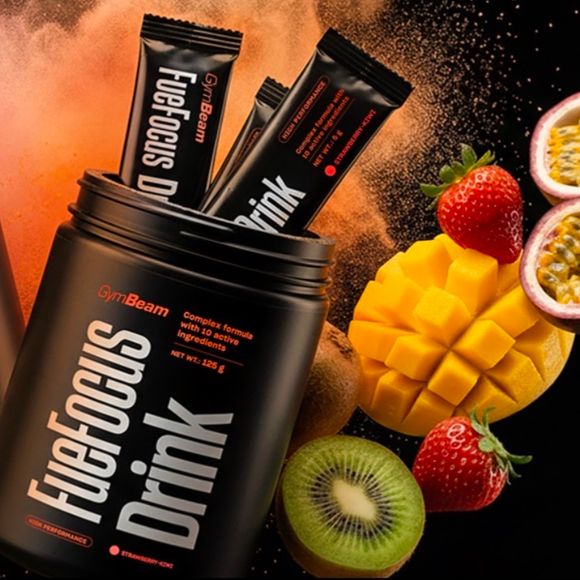
GymBeam

GymBeam is a Central and Eastern European fitness e-commerce platform founded in Slovakia in 2014. The company manufactures over 500 own-brand sports nutrition and functional food products, sells 120+ third-party brands, and operates across 16 European markets including Germany, Austria, and Switzerland.
Healthiest
Healthiest was founded by certified medical doctors in Belgium who specialise in longevity medicine. We are a physician-led clinical practice built for leaders whose decisions carry weight.

Upfront
Upfront is a fast-growing Dutch sports nutrition brand founded in Rotterdam in 2020, built around radical transparency in ingredient labeling. Their product range spans whey protein shakes, vegan protein powder, protein bars, protein oats, overnight oats, running gels, creatine, magnesium, and ready-to-drink protein iced coffees, available online and across major Dutch retailers including Albert Heijn.

Evage

Evage is the world's first Athletic Longevity brand, developed by German supplement manufacturer Medicom and launched in 2026. Their science-based product line targets athletes of any level aged 30+ with formulations for endurance, cognitive focus, flexibility, and cellular health, all GMP-certified, 100% doping-safe, and made in Germany and Switzerland.

Sult

SULT is a UK hydration brand making sugar-free, caffeine-free electrolyte powders that deliver all six essential electrolytes in flavoured sachets. Built around a "season your water" idea, it positions everyday electrolytes for the wellness mainstream rather than just athletes.
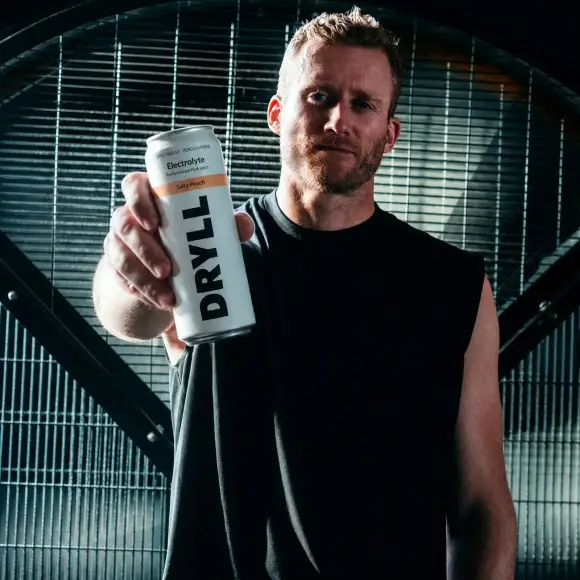
Dryll
Dryll is a performance hydration brand focused on electrolyte-based, science-driven hydration solutions made in Germany and Austria.
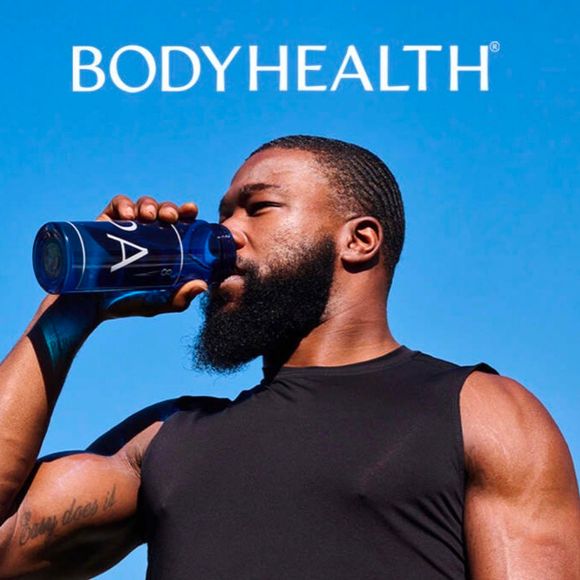
Body Health
BodyHealth is a Dunedin, Florida-based supplement company founded on the principle of optimizing health and vitality through pure, high-quality ingredients. Led by board-certified physician Dr. David Minkoff, BodyHealth creates science-backed formulations designed to help people achieve and maintain optimal health in an increasingly toxic world.