Knowledge
Magazine
-

The 24-Hour Sleep Model: Why Better Sleep Starts the Morning Before
8 min read
-

Eating for Longevity: Lessons From the World's Oldest People
9 min read
-

The Summer Health Kit: Supplies and Gadgets for Hot Days and Warm Nights
9 min read
Weekly picks on longevity, brands, and health science. No spam—unsubscribe anytime.
Tools
- →The 30s Longevity Guide for Women
- →Postpartum Recovery Guide
- →Perimenopause Longevity Guide
- →Dopamine Reset Guide
- →Pregnancy Longevity Guide
- →Peptide Guide
- →Home Detox Guide
- →Slow Aging Guide
- →Pro Supplement Guide
- →Safe Supplement Guide
- →Bio Age Calculator
- →Blood Testing Guide
- →Deep Sleep Guide
- →Pro Longevity Dashboard
By Category
By Goal
Knowledge
- →What is Longevity?
- →Improve diet
- →More focus
- →Look younger
- →Lose weight
- →Track biomarkers
- →Improve sleep
- →Build muscle
- →Increase cardio
- →Detect diseases
- →Recover faster
- →Relieve stress
Magazine
-
The 24-Hour Sleep Model: Why Better Sleep Starts the Morning Before
8 min read
-
Eating for Longevity: Lessons From the World's Oldest People
9 min read
-
The Summer Health Kit: Supplies and Gadgets for Hot Days and Warm Nights
9 min read
Weekly picks on longevity, brands, and health science. No spam—unsubscribe anytime.
Brands
- →Apps
- →At Home Tests & Kits
- →Events
- →Experts & Clinics
- →Foods & Beverages
- →Gadgets & Equipment
- →Gyms & Workouts
- →Supplements
- →Travel & Retreats
- →Wearables & Trackers
Tools
- →The 30s Longevity Guide for Women
- →Postpartum Recovery Guide
- →Perimenopause Longevity Guide
- →Dopamine Reset Guide
- →Pregnancy Longevity Guide
- →Peptide Guide
- →Home Detox Guide
- →Slow Aging Guide
- →Pro Supplement Guide
- →Safe Supplement Guide
- →Bio Age Calculator
- →Blood Testing Guide
- →Deep Sleep Guide
- →Pro Longevity Dashboard

Discover
Connect
Longevity Knowledge BETA
Gluten
Table of Contents
What is gluten?
Gluten is a protein found in wheat, barley, and rye. It makes up about 80% of wheat protein and gives bread its stretchy, chewy texture. The two main components are glutenin (which provides elasticity) and gliadin (which helps dough rise). For most people, gluten is harmless and provides protein in their diet [1].
Celiac disease: an autoimmune condition
Celiac disease affects about 1% of people worldwide [2]. In this autoimmune disorder, gluten triggers the immune system to attack the small intestine. Over time, this damages the intestinal lining, causing villous atrophy—where tiny finger-like projections that absorb nutrients become flattened. Symptoms include diarrhea, bloating, weight loss, fatigue, and nutrient deficiencies. Celiac disease requires strict, lifelong gluten avoidance [3].
Non-celiac gluten sensitivity
More people experience non-celiac gluten sensitivity (NCGS) than celiac disease. These individuals react to gluten with symptoms like bloating, brain fog, and headaches, but without the intestinal damage seen in celiac. The exact cause isn't fully understood—it may involve the immune system, gut bacteria changes, or difficulty digesting certain wheat components. Unlike celiac, NCGS doesn't cause permanent damage, though symptoms can significantly impact quality of life [4].
Gluten-free alternatives
People avoiding gluten can eat rice, quinoa, buckwheat, millet, corn, and certified gluten-free oats. Many gluten-free products use rice flour, almond flour, or coconut flour. However, gluten-free processed foods often contain less fiber and more sugar than their wheat counterparts [5]. Focus on naturally gluten-free whole foods like vegetables, fruits, meats, and legumes for the healthiest approach.
References
- 1. Celiac disease: diagnosis and management (PubMed)
- 2. Coeliac disease prevalence and diagnosis (The Lancet, 2022)
- 3. Celiac Disease (National Institute of Diabetes and Digestive and Kidney Diseases)
- 4. Non-celiac gluten sensitivity: a review (PubMed)
- 5. Gluten-free diet: nutritional considerations (PubMed)
Get tested before going gluten-free
Read labels carefully
Try ancient grains
Watch for cross-contamination
Check your supplements
What foods contain gluten?
What is the difference between celiac disease and gluten sensitivity?
Should everyone avoid gluten?
How is celiac disease diagnosed?

Most Replayed Moment: Are You Really Gluten Intolerant? It Could Be This Instead!

The Best Vitality & Health Protocols | Dr. Rhonda Patrick
The Microbiome Doctor: Doctors Were Wrong! The 3 Foods You Should Eat For Perfect Gut Health!
Leaky Gut Expert: This Gut Mistake Leads To Cancer. The Cheap Spice That Helps Repair A Damaged Gut!
Essentials: How to Optimize Your Hormones for Health & Vitality | Dr. Kyle Gillett
How Different Diets Impact Your Health | Dr. Christopher Gardner
No discussions yet
Be the first to start a discussion about Gluten.
Related Brands
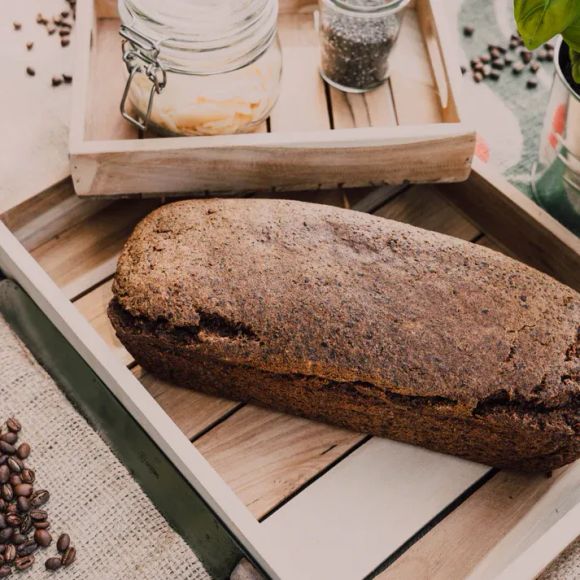
IQ Brot

IQ Brot offers gluten-free, low-carbohydrate breads and rolls with high protein content, designed to reduce blood sugar fluctuations, prevent cravings, and provide sustained nourishment.
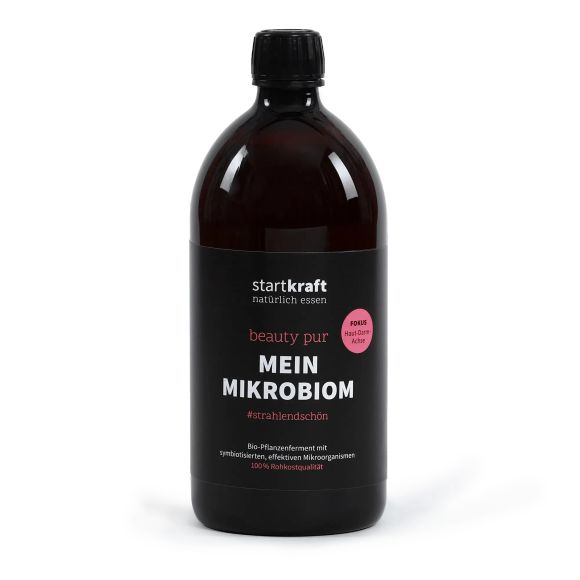
Startkraft
Startkraft is a German company specializing in high-quality, vegan raw food products crafted from sprouted and fermented ingredients, aimed at enhancing health and vitality.
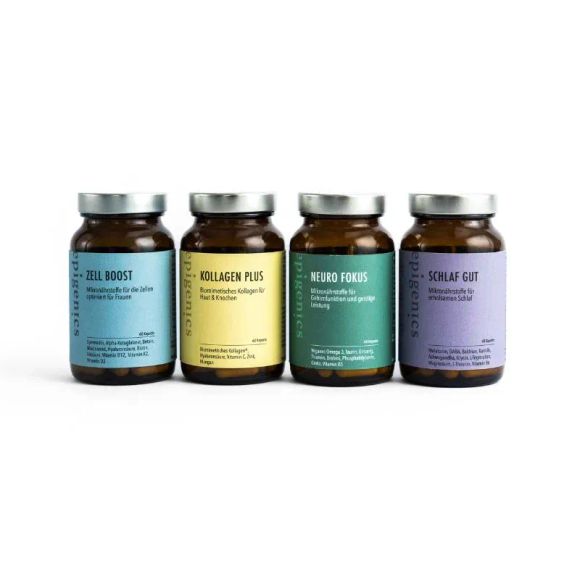
Epigenics
Epigenics is a Berlin-based company specializing in evidence-based nutritional supplements designed to slow biological aging and promote longevity through high-quality, scientifically formulated products.

Jaja Life
Jala-Life is a Swiss-based wellness brand offering high-quality, plant-based liquid supplements designed for optimal absorption and effectiveness. Their products, including Ashwagandha, Curcuma, Coenzyme Q10, and various vitamin blends, are vegan, alcohol-free, and formulated without artificial additives, aiming to support holistic health and vitality.
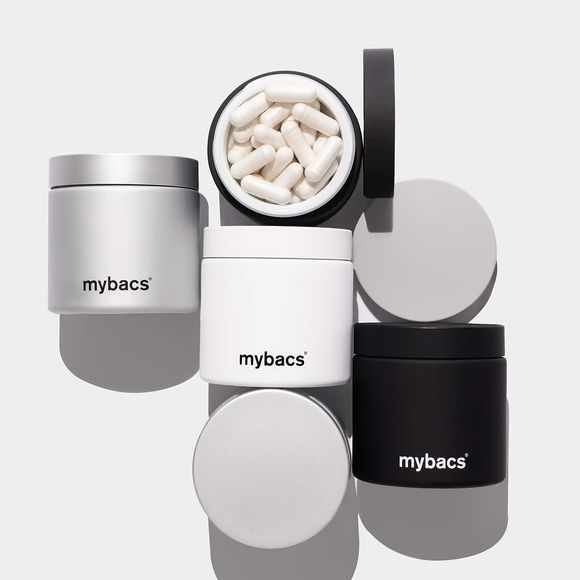
mybacs
mybacs® is a Swiss-designed microbiome-focused supplement line offering personalized synbiotic formulas—combining probiotics, prebiotics, postbiotics, and targeted boosters—to support digestion, metabolic balance, immunity, mood, skin, and more. Developed by experts, allergen‑free and delivered via convenient subscription.
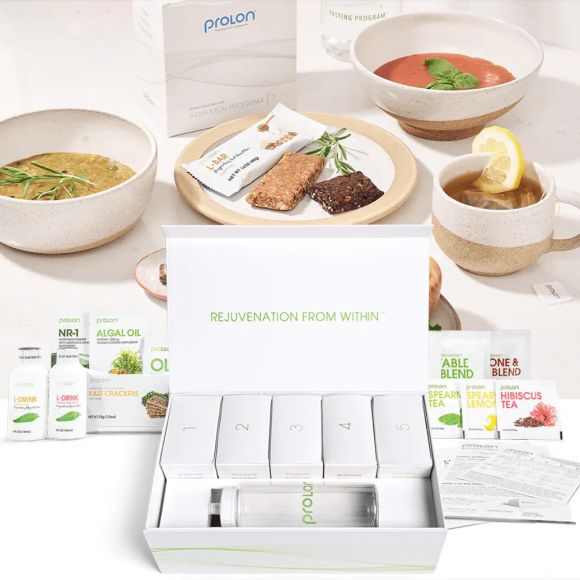
ProLon
ProLon offers a revolutionary 5-day Fasting Mimicking Diet—scientifically engineered to trigger the cellular benefits of water-only fasting, like autophagy and metabolic reset, while providing nourishing, plant-based meals.
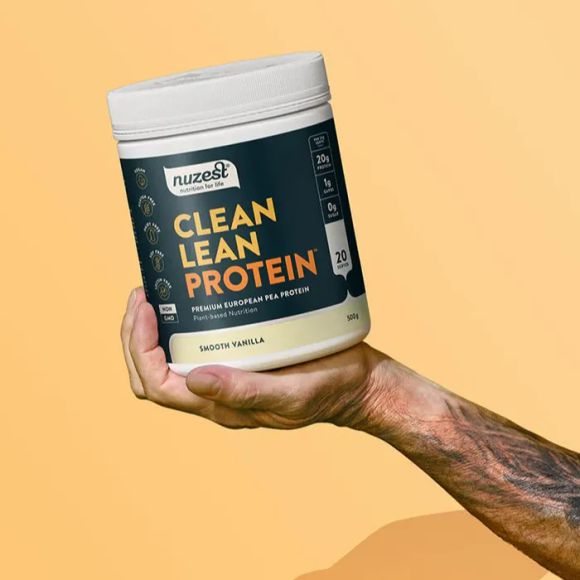
Nuzest

Nuzest offers plant-based, science-backed nutrition products designed to support overall health and wellness. Their range includes Clean Lean Protein, Good Green Vitality, and Kids Good Stuff, all formulated to provide bioavailable nutrients that are allergy-friendly, vegan, and free from gluten, dairy, and GMOs.
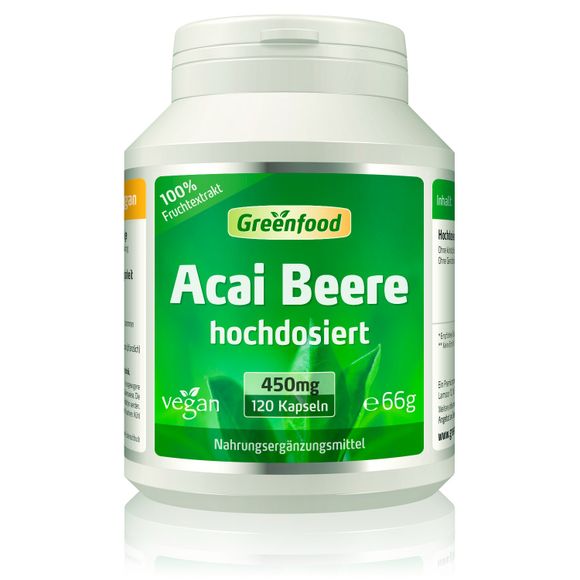
Greenfood
Greenfood offers premium, high-dosage dietary supplements, including vitamins, minerals, amino acids, co-enzymes, and plant extracts, all free from artificial additives and genetically modified organisms.
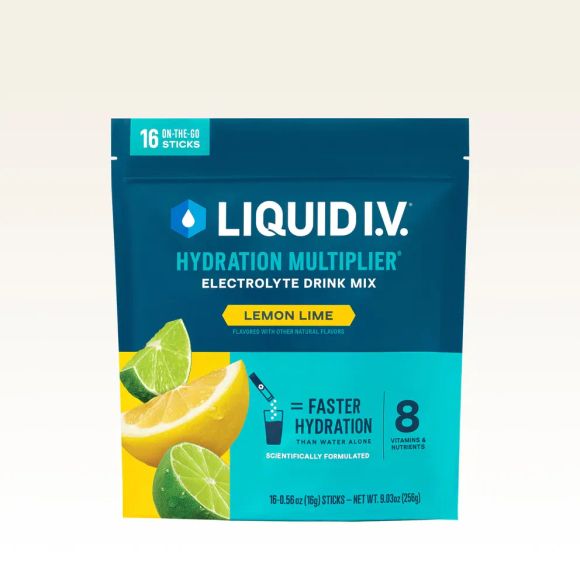
Liquid I.V.
Liquid I.V. offers electrolyte drink mixes utilizing Cellular Transport Technology (CTT®) to enhance rapid absorption of water and key nutrients, providing effective hydration and wellness solutions.
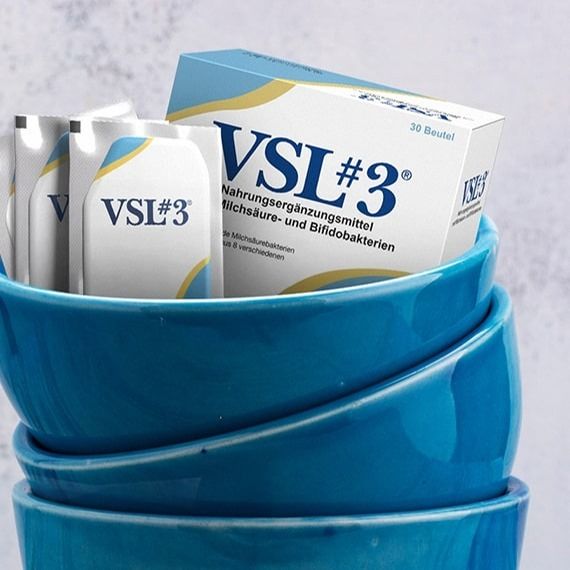
VSL#3
VSL#3 is a high-dose probiotic supplement containing 450 billion bacteria from 8 different strains per dose. It is designed to support gut health, particularly in individuals with digestive disorders, and is free from common allergens such as milk, soy, gluten, and nuts.