Knowledge
Magazine
-

The 24-Hour Sleep Model: Why Better Sleep Starts the Morning Before
8 min read
-

Eating for Longevity: Lessons From the World's Oldest People
9 min read
-

The Summer Health Kit: Supplies and Gadgets for Hot Days and Warm Nights
9 min read
Weekly picks on longevity, brands, and health science. No spam—unsubscribe anytime.
Tools
- →The 30s Longevity Guide for Women
- →Postpartum Recovery Guide
- →Perimenopause Longevity Guide
- →Dopamine Reset Guide
- →Pregnancy Longevity Guide
- →Peptide Guide
- →Home Detox Guide
- →Slow Aging Guide
- →Pro Supplement Guide
- →Safe Supplement Guide
- →Bio Age Calculator
- →Blood Testing Guide
- →Deep Sleep Guide
- →Pro Longevity Dashboard
By Category
By Goal
Knowledge
- →What is Longevity?
- →Improve diet
- →More focus
- →Look younger
- →Lose weight
- →Track biomarkers
- →Improve sleep
- →Build muscle
- →Increase cardio
- →Detect diseases
- →Recover faster
- →Relieve stress
Magazine
-
The 24-Hour Sleep Model: Why Better Sleep Starts the Morning Before
8 min read
-
Eating for Longevity: Lessons From the World's Oldest People
9 min read
-
The Summer Health Kit: Supplies and Gadgets for Hot Days and Warm Nights
9 min read
Weekly picks on longevity, brands, and health science. No spam—unsubscribe anytime.
Brands
- →Apps
- →At Home Tests & Kits
- →Events
- →Experts & Clinics
- →Foods & Beverages
- →Gadgets & Equipment
- →Gyms & Workouts
- →Supplements
- →Travel & Retreats
- →Wearables & Trackers
Tools
- →The 30s Longevity Guide for Women
- →Postpartum Recovery Guide
- →Perimenopause Longevity Guide
- →Dopamine Reset Guide
- →Pregnancy Longevity Guide
- →Peptide Guide
- →Home Detox Guide
- →Slow Aging Guide
- →Pro Supplement Guide
- →Safe Supplement Guide
- →Bio Age Calculator
- →Blood Testing Guide
- →Deep Sleep Guide
- →Pro Longevity Dashboard

Discover
Connect
Longevity Knowledge BETA
Greens
Why green vegetables matter for longevity
Green vegetables are among the most nutrient-dense foods you can eat. A single cup of cooked spinach delivers more than 800% of your daily vitamin K needs, along with substantial amounts of folate, iron, and magnesium [1]. This concentration of micronutrients in a low-calorie package explains why higher intake of leafy greens is consistently linked to better health outcomes in population studies.
The power of chlorophyll and phytonutrients
The green color in vegetables comes from chlorophyll, the pigment plants use to capture sunlight. Beyond its role in photosynthesis, chlorophyll has demonstrated anti-inflammatory properties and may help protect DNA from damage [2]. Green vegetables also deliver a wide range of phytonutrients including carotenoids, flavonoids, and glucosinolates—compounds that activate cellular defense pathways and support detoxification processes.
Cruciferous vegetables: a special category
Broccoli, kale, Brussels sprouts, and other cruciferous vegetables contain glucosinolates that convert to sulforaphane during chewing and digestion. Sulforaphane activates the Nrf2 pathway, which controls hundreds of genes involved in antioxidant production and cellular stress response [3]. This mechanism explains why regular consumption of cruciferous vegetables is associated with reduced risk of several chronic conditions.
Key nutrients in green vegetables
Green vegetables provide bioavailable forms of nutrients often lacking in modern diets:
- Folate — essential for DNA synthesis and methylation reactions that regulate gene expression
- Magnesium — supports muscle function, energy production, and nervous system health
- Vitamin K — critical for blood clotting and bone metabolism, with emerging research on cardiovascular benefits [1]
- Potassium — helps balance electrolytes and supports healthy blood pressure
- Nitrates — found in leafy greens, convert to nitric oxide which supports vascular function
Practical recommendations
Research suggests aiming for at least one serving of green vegetables daily, with greater benefits seen at higher intakes. Diversity matters—different greens provide different phytonutrient profiles. Rotate between spinach, kale, arugula, Swiss chard, and cruciferous options to maximize the range of beneficial compounds in your diet.
References
Add greens to your morning smoothie
Sauté greens with garlic
Massage kale for better texture
Freeze greens before they wilt
Chew cruciferous vegetables thoroughly
How much green vegetables should I eat daily?
Are cooked or raw greens healthier?
Can I replace whole greens with greens powder?
What are the best greens for beginners?

Essentials: Micronutrients for Health & Longevity | Dr. Rhonda Patrick

The impact of gratitude, serving others, embracing mortality, and living intentionally | Walter Green (#288 rebroadcast)

No.1 Herbal Medicine Expert: This Over The Counter Drug Is Quietly Killing You & They’re Lying About Medicinal Plants!

#105 Exogenous ketones, my coffee protocol, and supplements for blood sugar regulation (Premium Member Q&A July 2025)
We Can Now Reverse Stage 4 Cancer & These Foods Are Spreading It! Dr. William Li (Chronic Disease Expert)
How to Enhance Your Immune System | Dr. Roger Seheult
No discussions yet
Be the first to start a discussion about Greens.
Community Discussions
Related Brands

OlvLimits

OlvLimits offers extra-virgin olive oil that is high in polyphenols and third-party lab-tested.

EMR-TEK
EMR-TEK is a wellness technology company specializing in red and near-infrared light therapy devices. Their product line includes portable panels, full-body systems, and accessories designed to support recovery, energy, and overall well-being. EMR-TEK also offers blue light blocking glasses and skincare products to complement their light therapy solutions.

Pique
Pique Life offers fast‑dissolving tea crystals, botanical supplements, and functional beverages designed to support radiant skin, calm energy, immune balance, and digestive resilience.

Beurer

Beurer GmbH, established in 1919, is a German company specializing in health and well-being products, offering a diverse range of over 500 items across categories such as health, wellness, beauty, personal care, home, fitness, and baby care.
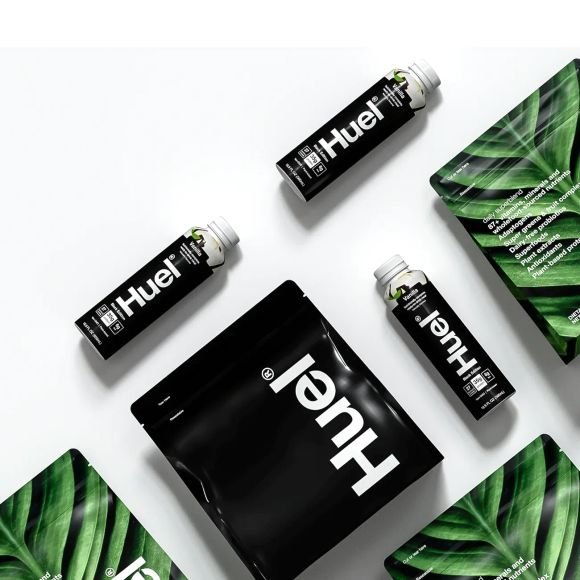
Huel
Huel offers nutritionally complete food products, including meal powders, ready-to-drink beverages, and bars. Their products are designed to provide a balanced diet with all the essential nutrients.
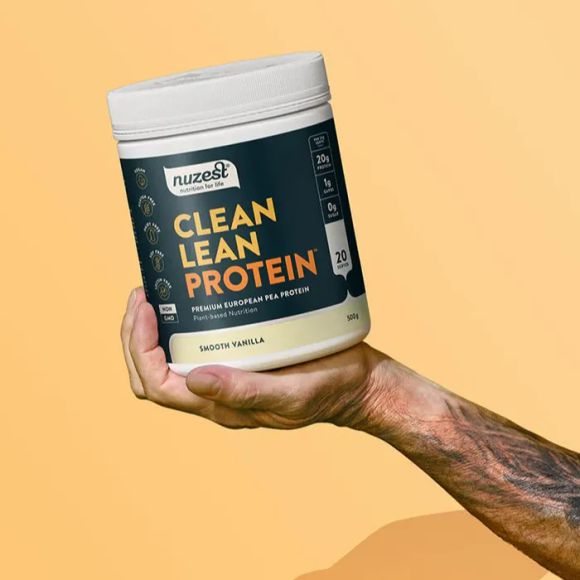
Nuzest

Nuzest offers plant-based, science-backed nutrition products designed to support overall health and wellness. Their range includes Clean Lean Protein, Good Green Vitality, and Kids Good Stuff, all formulated to provide bioavailable nutrients that are allergy-friendly, vegan, and free from gluten, dairy, and GMOs.

WELLCHA
Wellcha offers premium matcha sourced from Uji, Kyoto, providing a smooth, creamy taste and natural energy boost without the typical coffee crash.
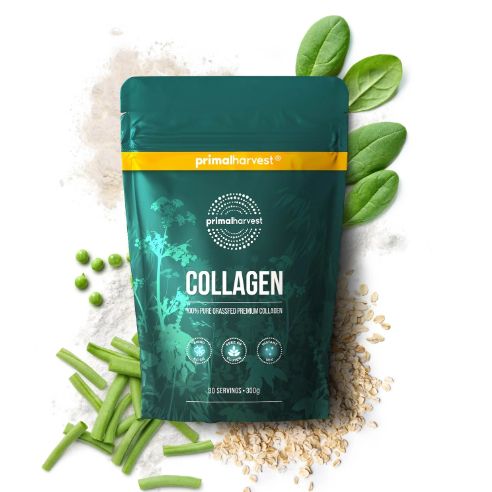
Primal Harvest
Primal Harvest offers a range of supplements designed to support overall health, including collagen, hydration products, and greens supplements. Their products are made with high-quality ingredients to promote wellness and vitality.

Tigogreen
Tigogreen offers products combining the benefits of green tea and natural supplements for health and beauty. Their range includes green tea complexes, beauty creams, supplements, and wellness products designed to promote overall well-being.

Clean Simple Eats
Clean Simple Eats offers a wide range of health-conscious products, including protein powders, collagen, greens, and meal plans. Their mission is to make clean eating simple and accessible, with a focus on high-quality ingredients and balanced nutrition for a healthy lifestyle.