Knowledge
Magazine
-

The 24-Hour Sleep Model: Why Better Sleep Starts the Morning Before
8 min read
-

Eating for Longevity: Lessons From the World's Oldest People
9 min read
-

The Summer Health Kit: Supplies and Gadgets for Hot Days and Warm Nights
9 min read
Weekly picks on longevity, brands, and health science. No spam—unsubscribe anytime.
Tools
- →The 30s Longevity Guide for Women
- →Postpartum Recovery Guide
- →Perimenopause Longevity Guide
- →Dopamine Reset Guide
- →Pregnancy Longevity Guide
- →Peptide Guide
- →Home Detox Guide
- →Slow Aging Guide
- →Pro Supplement Guide
- →Safe Supplement Guide
- →Bio Age Calculator
- →Blood Testing Guide
- →Deep Sleep Guide
- →Pro Longevity Dashboard
By Category
By Goal
Knowledge
- →What is Longevity?
- →Improve diet
- →More focus
- →Look younger
- →Lose weight
- →Track biomarkers
- →Improve sleep
- →Build muscle
- →Increase cardio
- →Detect diseases
- →Recover faster
- →Relieve stress
Magazine
-
The 24-Hour Sleep Model: Why Better Sleep Starts the Morning Before
8 min read
-
Eating for Longevity: Lessons From the World's Oldest People
9 min read
-
The Summer Health Kit: Supplies and Gadgets for Hot Days and Warm Nights
9 min read
Weekly picks on longevity, brands, and health science. No spam—unsubscribe anytime.
Brands
- →Apps
- →At Home Tests & Kits
- →Events
- →Experts & Clinics
- →Foods & Beverages
- →Gadgets & Equipment
- →Gyms & Workouts
- →Supplements
- →Travel & Retreats
- →Wearables & Trackers
Tools
- →The 30s Longevity Guide for Women
- →Postpartum Recovery Guide
- →Perimenopause Longevity Guide
- →Dopamine Reset Guide
- →Pregnancy Longevity Guide
- →Peptide Guide
- →Home Detox Guide
- →Slow Aging Guide
- →Pro Supplement Guide
- →Safe Supplement Guide
- →Bio Age Calculator
- →Blood Testing Guide
- →Deep Sleep Guide
- →Pro Longevity Dashboard

Discover
Connect
Longevity Knowledge BETA
Superfoods
Table of Contents
What Makes a Food Super?
Superfoods are nutrient-dense foods that deliver exceptional amounts of vitamins, minerals, antioxidants, and beneficial compounds relative to their caloric content. While 'superfood' is marketing terminology without a strict scientific definition, it accurately describes foods with compelling nutritional profiles backed by peer-reviewed research [1]. These foods form the foundation of preventive nutrition and longevity-focused eating patterns.
The Science Behind Nutrient Density
Nutrient density measures the concentration of essential nutrients per calorie. Foods scoring highest include leafy greens, berries, nuts, seeds, and fatty fish. A 2014 analysis published in the Journal of the Academy of Nutrition and Dietetics found that higher nutrient-dense food consumption correlates with reduced mortality risk from cardiovascular disease and cancer [2].
Key Superfood Categories
Berries and Anthocyanins: Blueberries, blackberries, and acai contain anthocyanins—plant pigments demonstrating potent antioxidant and anti-inflammatory effects. Research shows regular berry consumption improves cognitive function and reduces oxidative stress biomarkers [3].
Leafy Greens: Kale, spinach, and Swiss chard provide vitamins K, A, and folate alongside minerals like magnesium and calcium. These nutrients support bone density, cardiovascular health, and cellular energy production.
Fatty Fish: Salmon, mackerel, and sardines supply omega-3 polyunsaturated fatty acids, particularly EPA and DHA. Systematic reviews confirm omega-3 intake reduces inflammation markers and supports brain health across the lifespan [4].
Cruciferous Vegetables: Broccoli, Brussels sprouts, and cauliflower contain sulforaphane and glucosinolates—compounds that activate detoxification pathways and show promise in cellular health research [5].
Practical Implementation
Incorporating superfoods into your diet does not require expensive exotic ingredients. Focus on consistently consuming a variety of nutrient-dense whole foods: daily leafy greens, berries several times per week, fatty fish twice weekly, and cruciferous vegetables regularly. This approach delivers optimal nutrition without relying on processed 'superfood' products or supplements.
References
Freeze berries for year-round antioxidants
Eat watercress daily for maximum nutrient density
Choose small fish over large predatory fish
Eat the rainbow daily
Activate nuts and seeds for better mineral absorption
Are superfoods just a marketing myth?
Can I get the same benefits from supplements?
How many superfoods should I eat daily?
Are exotic superfoods better than local ones?

Anti-Aging Expert on How Missing This Vitamin Is As Bad As Smoking, and What You Should Know About Creatine!
We Can Now Reverse Stage 4 Cancer & These Foods Are Spreading It! Dr. William Li (Chronic Disease Expert)

AMA #59: Inflammation: its impact on aging and disease risk, and how to identify, prevent, and reduce it
No discussions yet
Be the first to start a discussion about Superfoods.
Related Articles

Related Brands
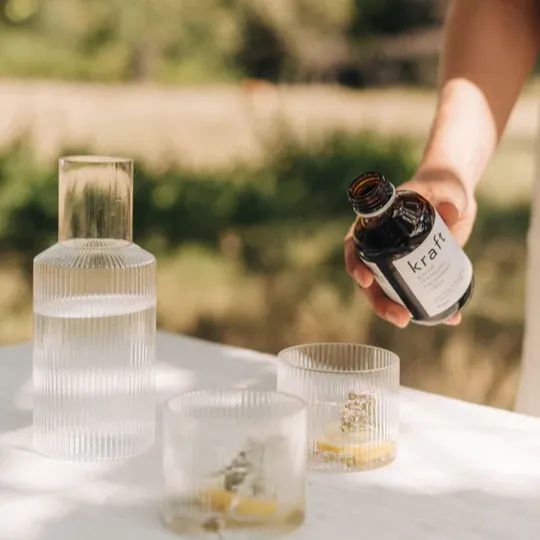
Kruut

Kruut offers a range of natural health products based on traditional knowledge and local superfoods. Their offerings include oxymels, wild plant powders, tinctures, and more, designed to bring the power of nature back into your daily routine.
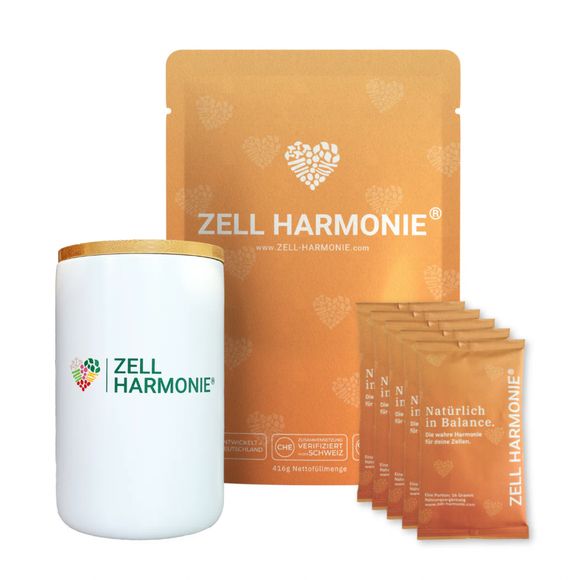
Zell Harmonie
Zell Harmonie® is a German-developed dietary supplement that combines 49 natural ingredients to promote cellular health and enhance overall well-being. It integrates traditional naturopathy with modern scientific insights, supporting areas such as stress resilience, hormonal balance, performance, and cell protection.
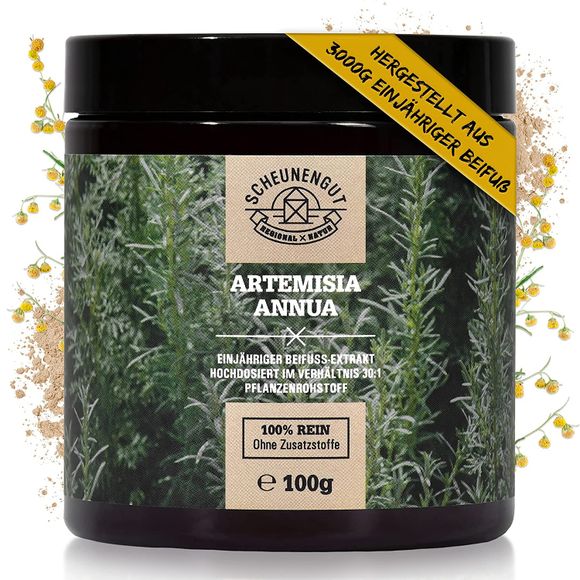
Scheunengut
Scheunengut offers premium, German-made natural supplements and superfoods, emphasizing regional sourcing and transparency to promote holistic health.
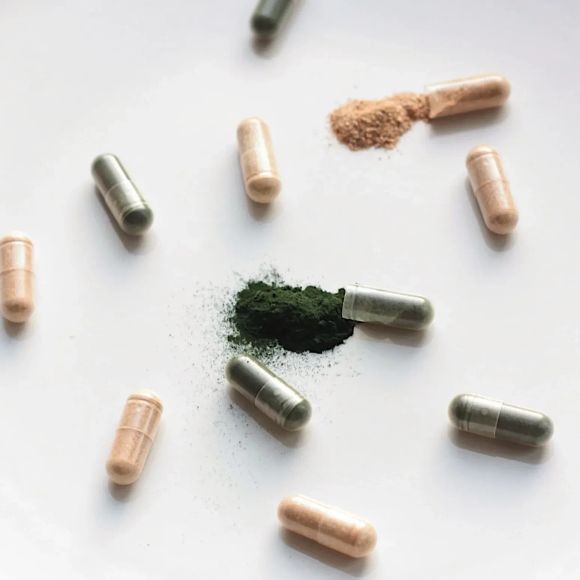
Aavalabs
AAVALABS offers premium vitamins, minerals, and superfoods inspired by Nordic purity, ensuring high-quality, non-GMO supplements to support holistic health.
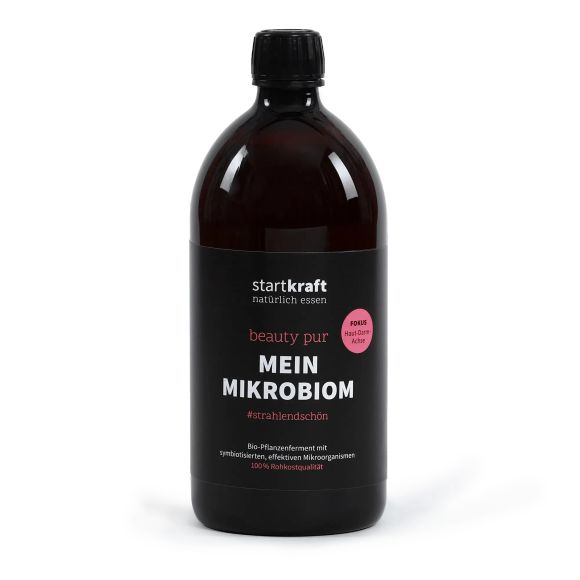
Startkraft
Startkraft is a German company specializing in high-quality, vegan raw food products crafted from sprouted and fermented ingredients, aimed at enhancing health and vitality.

Lebe Pur
Lebepur offers natural superfoods and organic blends, crafted to support a healthy lifestyle and boost vitality. Their products prioritize purity, sustainability, and convenience, empowering individuals to integrate superfoods into their daily routines.
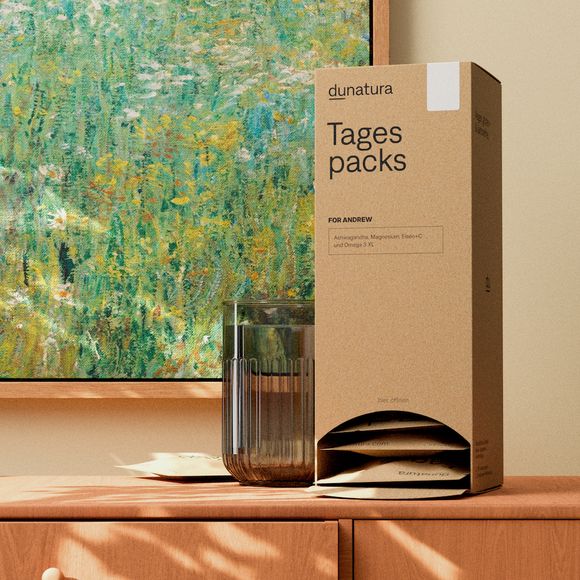
dunatura
Dunatura is a German company specializing in personalized vitamins and micronutrients. They offer tailored daily packs of dietary supplements, superfoods, and teas, developed by experts in micronutrients and nutritional medicine, using only high-quality raw materials without unnecessary additives.
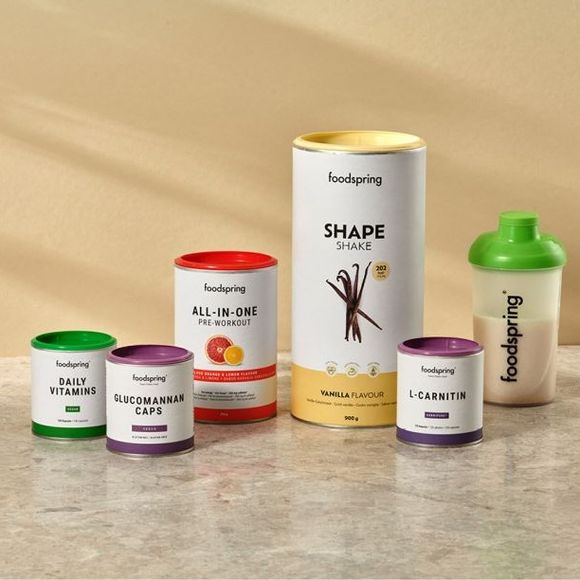
Foodspring
Foodspring is a German company specializing in premium fitness foods and sports nutrition products. Founded in 2013, the company offers a diverse range of products, including protein powders, bars, snacks, and supplements, designed to support muscle building, weight management, and overall health. In 2019, Foodspring was acquired by Mars, Incorporated, and continues to operate as an independent brand.
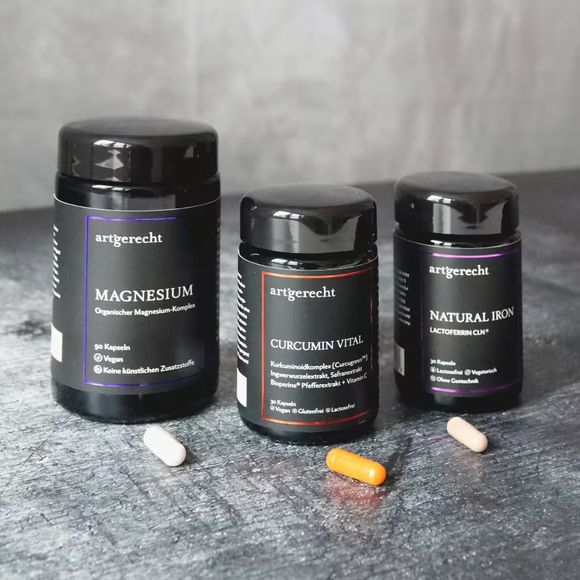
Artgerecht

Artgerecht offers premium, science-backed supplements and superfoods, aligning with natural principles to enhance human health and well-being.
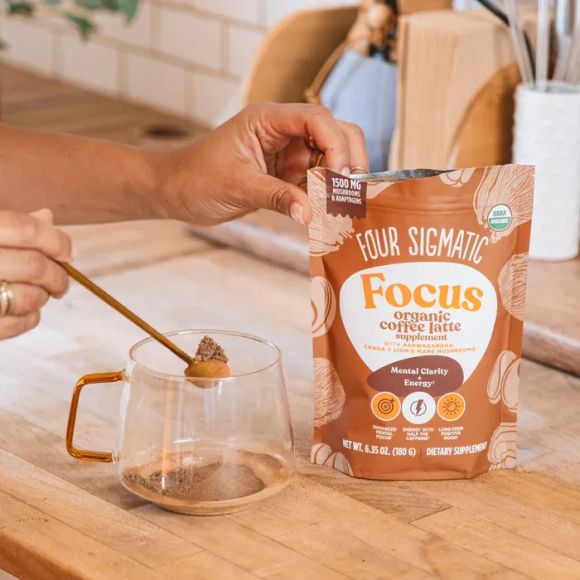
Four Sigmatic

Four Sigmatic offers a range of superfoods and functional mushrooms designed to enhance overall health and well-being.