Knowledge
Magazine
-

The 24-Hour Sleep Model: Why Better Sleep Starts the Morning Before
8 min read
-

Eating for Longevity: Lessons From the World's Oldest People
9 min read
-

The Summer Health Kit: Supplies and Gadgets for Hot Days and Warm Nights
9 min read
Weekly picks on longevity, brands, and health science. No spam—unsubscribe anytime.
Tools
- →The 30s Longevity Guide for Women
- →Postpartum Recovery Guide
- →Perimenopause Longevity Guide
- →Dopamine Reset Guide
- →Pregnancy Longevity Guide
- →Peptide Guide
- →Home Detox Guide
- →Slow Aging Guide
- →Pro Supplement Guide
- →Safe Supplement Guide
- →Bio Age Calculator
- →Blood Testing Guide
- →Deep Sleep Guide
- →Pro Longevity Dashboard
By Category
By Goal
Knowledge
- →What is Longevity?
- →Improve diet
- →More focus
- →Look younger
- →Lose weight
- →Track biomarkers
- →Improve sleep
- →Build muscle
- →Increase cardio
- →Detect diseases
- →Recover faster
- →Relieve stress
Magazine
-
The 24-Hour Sleep Model: Why Better Sleep Starts the Morning Before
8 min read
-
Eating for Longevity: Lessons From the World's Oldest People
9 min read
-
The Summer Health Kit: Supplies and Gadgets for Hot Days and Warm Nights
9 min read
Weekly picks on longevity, brands, and health science. No spam—unsubscribe anytime.
Brands
- →Apps
- →At Home Tests & Kits
- →Events
- →Experts & Clinics
- →Foods & Beverages
- →Gadgets & Equipment
- →Gyms & Workouts
- →Supplements
- →Travel & Retreats
- →Wearables & Trackers
Tools
- →The 30s Longevity Guide for Women
- →Postpartum Recovery Guide
- →Perimenopause Longevity Guide
- →Dopamine Reset Guide
- →Pregnancy Longevity Guide
- →Peptide Guide
- →Home Detox Guide
- →Slow Aging Guide
- →Pro Supplement Guide
- →Safe Supplement Guide
- →Bio Age Calculator
- →Blood Testing Guide
- →Deep Sleep Guide
- →Pro Longevity Dashboard

Discover
Connect
Longevity Knowledge BETA
Grounding
Table of Contents
What is grounding (earthing)?
Grounding, also called earthing, is the practice of direct physical contact with the Earth's surface. The theory suggests that the Earth maintains a negative electrical potential that transfers free electrons to the body when skin contacts soil, grass, sand, or water [1]. This electron transfer may neutralize free radicals and reduce systemic inflammation, acting as a natural antioxidant mechanism.
The electron transfer theory
Earth's surface carries a negative charge due to atmospheric electricity and lightning strikes. When barefoot or using conductive grounding mats, this electrical connection allows electrons to flow from the ground into the body [1]. Research suggests these electrons can influence cellular voltage, reduce oxidative stress, and support the body's electrical systems.
Grounding and inflammation reduction
Research indicates grounding may reduce inflammatory markers including white blood cells, cytokines, and other molecules involved in inflammation [1]. The electron transfer is theorized to neutralize positively charged free radicals that drive inflammation. Studies show reduced pain, faster wound healing, and decreased swelling in grounded subjects [1].
Grounding and cardiovascular health
A clinical study found that grounding for just two hours significantly increased the electrical charge (zeta potential) on red blood cells and reduced blood viscosity [2]. Since blood viscosity is a major factor in cardiovascular disease, grounding appears to be a simple yet effective intervention for supporting heart health.
Grounding and sleep quality
A pilot study of subjects with sleep dysfunction, pain, and stress found that sleeping grounded for 8 weeks normalized cortisol rhythms and significantly reduced nighttime cortisol levels [3]. Participants reported falling asleep faster, waking less frequently, and feeling more rested. The mechanism may involve regulation of circadian rhythms through autonomic nervous system balance.
Current research status
While studies show promising results for pain reduction, inflammation markers, sleep, and blood viscosity, the research has limitations including small sample sizes and difficulty with blinding [1]. Mainstream science remains cautious, but grounding represents a low-risk, accessible intervention worth exploring for general wellness.
References
- 1. The effects of grounding (earthing) on inflammation, the immune response, wound healing, and prevention and treatment of chronic inflammatory and auto...
- 2. Earthing (grounding) the human body reduces blood viscosity—a major factor in cardiovascular disease
- 3. The biologic effects of grounding the human body during sleep as measured by cortisol levels and subjective reporting of sleep, pain, and stress
Walk barefoot on grass or sand
Use a grounding mat while sleeping
Swim in natural waters
Garden with bare hands
Ground during work with a desk mat
Is there scientific evidence that grounding works?
How long do I need to ground each day?
Can grounding help with chronic pain?
What surfaces work for grounding?

Peptides: The Science, Uses & Safety | Dr. Abud Bakri
Male Roles, Obligations and Options for Building a Fulfilling Life | Scott Galloway

#111 The Optimal Mobility Protocol for a Durable Body | Dr. Kelly Starrett

The Iran War Expert: The Most Dangerous Stage Begins Now
Financial Crash Expert: In 3 months We’ll Enter A Famine! If Iran Doesn’t Surrender It's The End!

The Athlete's Guide to Iron: Testing, Deficiency and Performance - Rachel Arthur
No discussions yet
Be the first to start a discussion about Grounding.
Related Articles


Related Brands

Peter Attia MD

Dr. Peter Attia is a physician specializing in the applied science of longevity, focusing on the extension of human life and well-being. His platform offers a wealth of resources including a popular podcast, articles, and educational content on topics such as exercise, nutrition, and disease prevention.
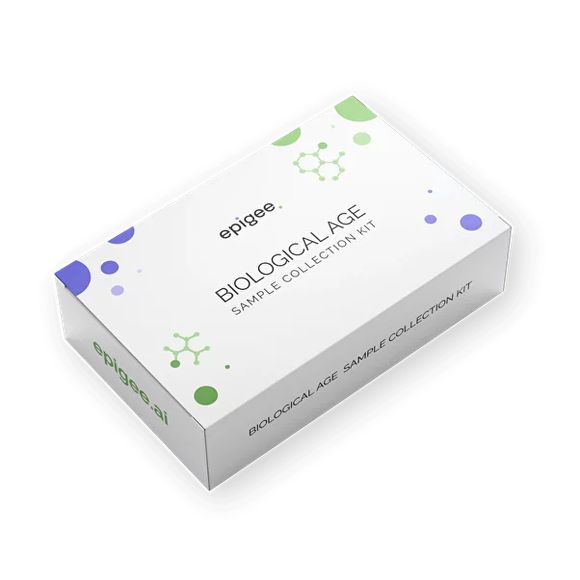
Epigee
Epigee offers at-home epigenetic testing to determine your biological age, providing personalized reports with recommendations to enhance health and longevity.

Qstar

Qstar delivers premium quality, science-based daily nutrition. We develop our formulas with a strict evidence-led approach and a focus on safety, consistency and long-term usability.
TZ Gesundheit

tz-gesundheit® specializes in Original Erdungsprodukte® (Earthing products), Power Tube® devices, and SCENAR technology, offering innovative solutions to enhance health and well-being through natural and non-invasive methods.
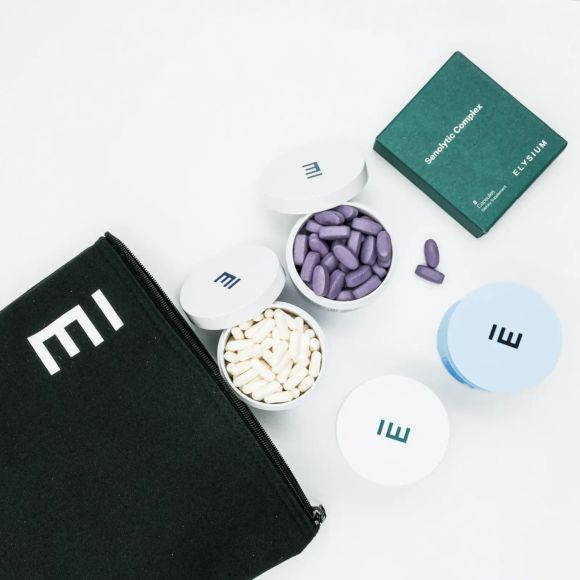
Elysium Health
Elysium Health's mission is to make the benefits of aging research accessible to everyone. They translate critical scientific advancements in aging research into accessible health products and technologies. Collaborating with world-leading scientists, clinicians, and institutions, they develop clinically validated solutions addressing significant healthcare needs. Elysium Health leverages a multi-factor approach to tackle the multifaceted problem of aging, creating a new category in the health industry by translating advances in science into effective, everyday products.
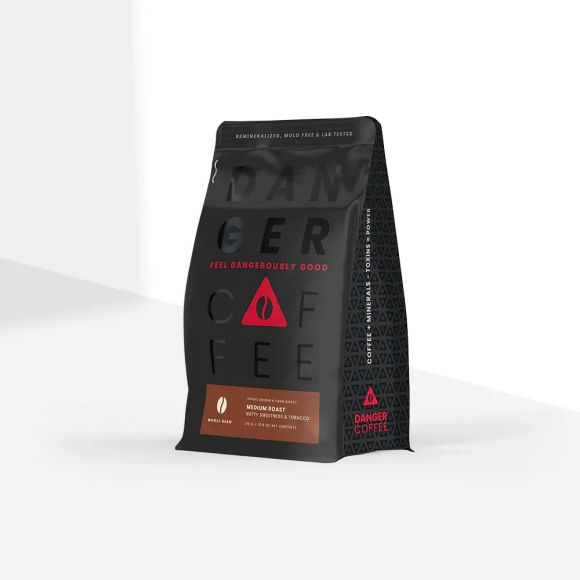
Danger Coffee
Danger Coffee by Dave Asprey offers premium, remineralized coffee designed to boost energy and performance. Their product range includes whole bean, ground, and decaf coffee, all crafted to support optimal health.
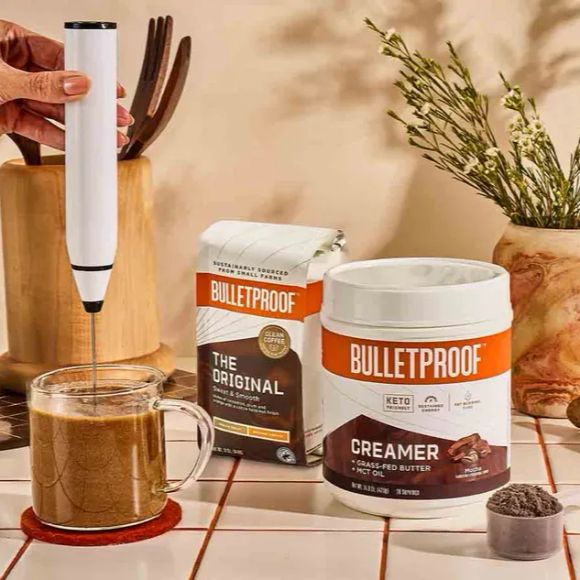
Bulletproof
Bulletproof offers a range of products designed to optimize energy and performance, including enhanced coffee, MCT oil, supplements, and protein bars.
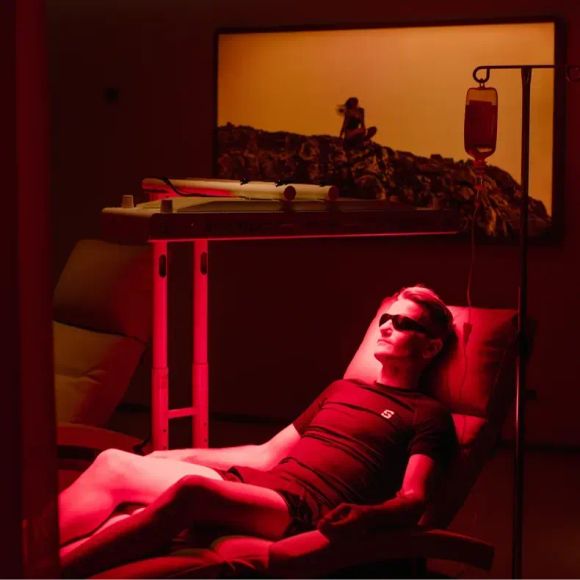
Rosebar
Six Senses Ibiza’s RoseBar offers personalized longevity programs that combine advanced diagnostics, nutrition, exercise, and biohacking therapies to enhance vitality and well-being.
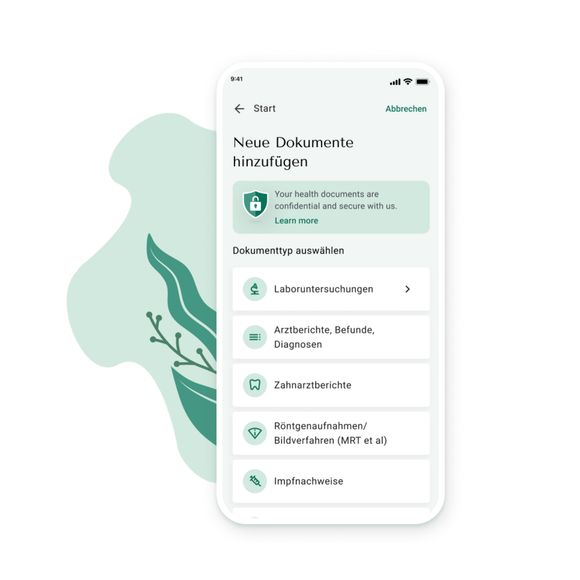
Evi Plus
evi.plus is a comprehensive health platform offering an integrated electronic patient record system that enables secure management and analysis of health data, providing personalized recommendations to promote well-being and longevity.
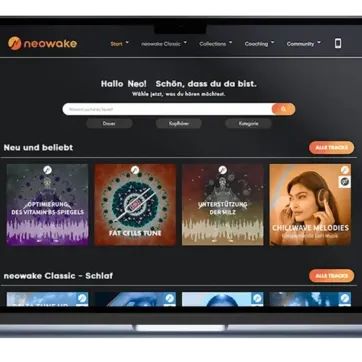
Neo Wake
Neowake is a German-based company specializing in innovative frequency applications designed to enhance mental and physical well-being through sound, bio, and light technologies.