Knowledge
Magazine
-

The 24-Hour Sleep Model: Why Better Sleep Starts the Morning Before
8 min read
-

Eating for Longevity: Lessons From the World's Oldest People
9 min read
-

The Summer Health Kit: Supplies and Gadgets for Hot Days and Warm Nights
9 min read
Weekly picks on longevity, brands, and health science. No spam—unsubscribe anytime.
Tools
- →The 30s Longevity Guide for Women
- →Postpartum Recovery Guide
- →Perimenopause Longevity Guide
- →Dopamine Reset Guide
- →Pregnancy Longevity Guide
- →Peptide Guide
- →Home Detox Guide
- →Slow Aging Guide
- →Pro Supplement Guide
- →Safe Supplement Guide
- →Bio Age Calculator
- →Blood Testing Guide
- →Deep Sleep Guide
- →Pro Longevity Dashboard
By Category
By Goal
Knowledge
- →What is Longevity?
- →Improve diet
- →More focus
- →Look younger
- →Lose weight
- →Track biomarkers
- →Improve sleep
- →Build muscle
- →Increase cardio
- →Detect diseases
- →Recover faster
- →Relieve stress
Magazine
-
The 24-Hour Sleep Model: Why Better Sleep Starts the Morning Before
8 min read
-
Eating for Longevity: Lessons From the World's Oldest People
9 min read
-
The Summer Health Kit: Supplies and Gadgets for Hot Days and Warm Nights
9 min read
Weekly picks on longevity, brands, and health science. No spam—unsubscribe anytime.
Brands
- →Apps
- →At Home Tests & Kits
- →Events
- →Experts & Clinics
- →Foods & Beverages
- →Gadgets & Equipment
- →Gyms & Workouts
- →Supplements
- →Travel & Retreats
- →Wearables & Trackers
Tools
- →The 30s Longevity Guide for Women
- →Postpartum Recovery Guide
- →Perimenopause Longevity Guide
- →Dopamine Reset Guide
- →Pregnancy Longevity Guide
- →Peptide Guide
- →Home Detox Guide
- →Slow Aging Guide
- →Pro Supplement Guide
- →Safe Supplement Guide
- →Bio Age Calculator
- →Blood Testing Guide
- →Deep Sleep Guide
- →Pro Longevity Dashboard

Discover
Connect
Longevity Knowledge BETA
Metabolism
Table of Contents
Metabolism and aging: what actually changes
Metabolism is the sum of every chemical reaction keeping you alive. It converts food into ATP, builds and repairs tissue, synthesizes hormones, and clears cellular waste. The common belief that metabolism "breaks" in your 30s or 40s turns out to be wrong. A landmark 2021 study in Science analyzed over 6,600 people across 29 countries and found that total energy expenditure, adjusted for body size and composition, stays remarkably stable from age 20 through 60. The real decline only begins after 60, at roughly 0.7% per year [1]. What does change earlier is body composition: muscle mass drops, fat mass rises, and physical activity decreases. These shifts, not some metabolic clock, account for most of the perceived slowdown.
Metabolic flexibility: the ability to switch fuels
Metabolic flexibility is the capacity to efficiently toggle between burning glucose (in the fed state) and burning fatty acids (during fasting or exercise). A metabolically flexible person transitions smoothly from glycolysis to beta-oxidation and ketogenesis depending on fuel availability. Chronic overfeeding, sedentary behavior, and constantly elevated insulin levels degrade this flexibility over time, locking cells into glucose dependence even when fat stores are abundant [2].
Restoring metabolic flexibility is one of the most actionable targets in metabolic health. Time-restricted eating, periodic fasting, and zone 2 aerobic training all push the body to practice fuel switching. Continuous glucose monitoring data shows that individuals with high metabolic flexibility have smaller post-meal glucose spikes and faster returns to baseline, reflecting better insulin signaling and substrate handling.
Insulin sensitivity and metabolic syndrome
Insulin orchestrates nutrient partitioning: where glucose goes, whether fat gets stored or burned, and how amino acids are used. When cells stop responding efficiently to insulin, blood sugar rises, the pancreas produces more insulin to compensate, and a vicious cycle begins. This is insulin resistance, and it's the central feature of metabolic syndrome. Metabolic syndrome is defined by having three or more of five criteria: elevated fasting glucose (100+ mg/dL), high blood pressure (130/85+ mmHg), high triglycerides (150+ mg/dL), low HDL cholesterol, and large waist circumference [3].
The prevalence is staggering. Global metabolic syndrome rates rose from about 12% in 2000 to over 30% by 2023 [4]. In the US, roughly 40% of adults qualify. Optimal targets for longevity-focused individuals go well beyond "normal" ranges: fasting insulin below 5 microIU/mL, HOMA-IR below 1.0, HbA1c below 5.0%, and a triglyceride-to-HDL ratio below 1.0.
Mitochondrial health and energy production
Mitochondria generate roughly 90% of cellular ATP through oxidative phosphorylation. With age, mitochondrial number declines, their DNA accumulates mutations, and electron transport chain efficiency drops. This mitochondrial dysfunction contributes to fatigue, sarcopenia, neurodegeneration, and accelerated aging [5]. The process also drives a Warburg-like metabolic shift in aging cells, where glycolysis takes over even when oxygen is available.
Strategies that support mitochondrial biogenesis include cold exposure (which activates PGC-1alpha), high-intensity interval training, and zone 2 aerobic exercise. Supplements with evidence for mitochondrial support include CoQ10, NAD+ precursors like NMN and NR, and pyrroloquinoline quinone (PQQ). The combination of regular exercise and adequate sleep provides the strongest foundation for mitochondrial health.
NEAT: the overlooked metabolic lever
Non-exercise activity thermogenesis (NEAT) includes every calorie burned through daily movement that isn't formal exercise: walking, standing, fidgeting, cooking, cleaning. NEAT can vary by up to 2,000 kcal per day between individuals and is often a bigger contributor to total energy expenditure than structured exercise [6]. Office workers who stand and walk regularly throughout the day can burn 350+ more calories than those who sit continuously. NEAT also decreases automatically during caloric restriction, which partly explains why weight loss plateaus occur.
Practical strategies for metabolic optimization
Building metabolic resilience requires working on multiple fronts simultaneously. Prioritize adequate protein intake (1.6-2.2 g/kg lean body mass) to maintain skeletal muscle, the body's largest metabolic organ. Combine zone 2 endurance training with resistance training at least 3 times per week. Even one night of poor sleep can impair glucose tolerance by up to 40%, making consistent sleep a non-negotiable metabolic intervention [7]. Increase daily NEAT through walking, standing desks, and active commuting. Consider continuous glucose monitoring to identify your personal glycemic responses and fine-tune meal composition and timing.
Key metabolic biomarkers to track
- Fasting glucose (optimal: 72-85 mg/dL) and HbA1c (optimal: below 5.0%) for glycemic control
- Fasting insulin (optimal: below 5 microIU/mL) as an early marker of insulin resistance
- Triglyceride-to-HDL ratio (optimal: below 1.0) reflecting overall metabolic health
- Uric acid (optimal: 3.5-5.5 mg/dL) as an indicator of metabolic stress
- VO2 max and lactate threshold as functional markers of mitochondrial capacity
References
- 1. Daily energy expenditure through the human life course (Pontzer et al., Science 2021)
- 2. Metabolic Flexibility and Its Impact on Health Outcomes (Mayo Clinic Proceedings, 2022)
- 3. Metabolic Syndrome - StatPearls, NCBI Bookshelf
- 4. Worldwide trends in metabolic syndrome from 2000 to 2023: a systematic review and modelling analysis (Nature Communications, 2025)
- 5. Mitochondrial dysfunction and aging: multidimensional mechanisms and therapeutic strategies (PMC, 2025)
- 6. Non-exercise activity thermogenesis (NEAT): a component of total daily energy expenditure (PMC, 2018)
- 7. Metabolic changes in aging humans: current evidence and therapeutic strategies (PMC, 2022)
- 8. Resistance training enhances metabolic and muscular health and reduces systemic inflammation in middle-aged and older adults with type 2 diabetes: a m...
Build muscle to raise your resting metabolic rate
Maximize NEAT through daily movement
Track fasting insulin, not just glucose
Protect sleep for glucose tolerance
Use the thermic effect of protein
Metabolic adaptation is real
What is metabolic flexibility and why does it matter?
Can you boost your metabolism?
What is metabolic syndrome?
How does exercise affect metabolism?
Does metabolism slow down with age?
Why do diets stop working after a few weeks?

Building strength and muscle mass: how to optimize training, nutrition, and more for longevity (AMA #71 rebroadcast)

Women’s Fitness Expert: What You NEED To Know About Dieting & Exercise | Dr. Stephanie Estima

Essentials: The Science of Eating for Health, Fat Loss & Lean Muscle | Dr. Layne Norton
Most Replayed Moment: Is Milk Healthy? The Truth About Dairy, Sugar, Fruit And Fasting
Eating for Better Sleep & Foods that Improve Metabolic Health | Dr. Marie-Pierre St-Onge
#395 - Brain lipidology: understanding APOE, cholesterol homeostasis, Alzheimer's disease risk, and the effects of lipid-lowering therapies on brain health | Tom Dayspring, M.D.
No discussions yet
Be the first to start a discussion about Metabolism.
Related Articles


Community Discussions
Related Brands
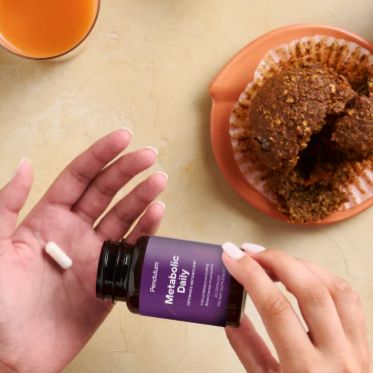
Pendulum

Pendulum offers next-generation probiotics designed to support gut health, metabolism, and overall well-being. Their products, including strains like Akkermansia and GLP-1 Probiotic, are backed by rigorous scientific research and clinical trials, making them a trusted choice for those looking to optimize their gut microbiome.

Orthomol Sport
Orthomol Sport offers a comprehensive range of micronutrient supplements designed to support athletic performance, recovery, and overall health, utilizing high-quality ingredients tailored for active individuals.

IQ Brot
IQ Brot offers gluten-free, low-carbohydrate breads and rolls with high protein content, designed to reduce blood sugar fluctuations, prevent cravings, and provide sustained nourishment.
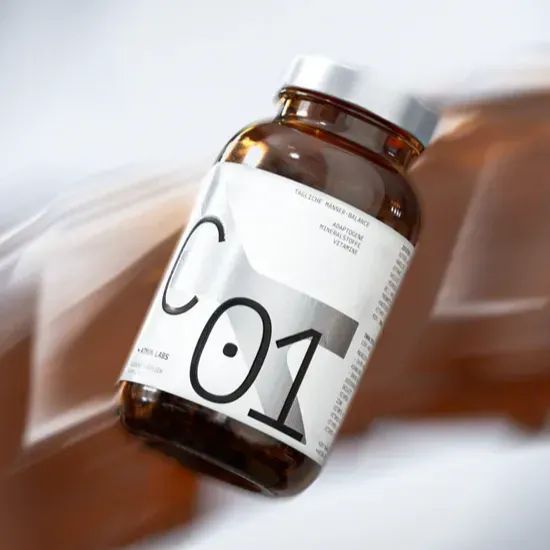
Atmon Labs
ATMON LABS is a company dedicated to enhancing men’s health by naturally supporting testosterone production. Their flagship product, C 01, is a scientifically formulated supplement designed to boost testosterone levels, increase energy, and improve overall male well-being.

Jaja Life
Jala-Life is a Swiss-based wellness brand offering high-quality, plant-based liquid supplements designed for optimal absorption and effectiveness. Their products, including Ashwagandha, Curcuma, Coenzyme Q10, and various vitamin blends, are vegan, alcohol-free, and formulated without artificial additives, aiming to support holistic health and vitality.
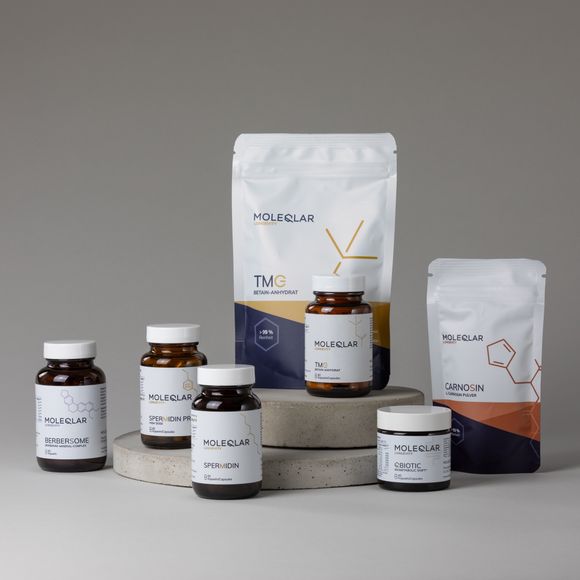
MOLEQLAR

MOLEQLAR offers a range of high-quality supplements and lab tests designed to enhance longevity, performance, and overall well-being. Their products include a proprietary proteomic testing platform as well as Nicotinamide mononucleotide (NMN), resveratrol, spermidine, and other essential compounds aimed at supporting cellular health.

Nature Love
Nature Love specializes in high-quality dietary supplements, offering a wide range of products designed to support various health needs such as immune system support, beauty and anti-aging, digestion, and sleep. Developed by experts, their supplements are carefully crafted using natural ingredients to ensure effectiveness and safety.

Volchem
Volchem is an Italian manufacturer of premium dietary supplements made under strict quality standards (ISO 22000, Ministry of Health authorised), aiming to support wellness, metabolism and performance.

BodyGen

Bodygen offers advanced DNA-based health analysis services, empowering individuals to optimize their health, fitness, and longevity through personalized genetic insights and actionable recommendations.

H.P.N Store
HPN Store is a German-based online retailer specializing in high-quality nutritional supplements designed to support various health and fitness goals. Their extensive product range includes solutions for weight management, general health, sleep enhancement, sports performance, and digestive health. With a commitment to science-backed formulations, HPN Store caters to individuals seeking to optimize their well-being and physical performance.