Knowledge
Magazine
-

The 24-Hour Sleep Model: Why Better Sleep Starts the Morning Before
8 min read
-

Eating for Longevity: Lessons From the World's Oldest People
9 min read
-

The Summer Health Kit: Supplies and Gadgets for Hot Days and Warm Nights
9 min read
Weekly picks on longevity, brands, and health science. No spam—unsubscribe anytime.
Tools
- →The 30s Longevity Guide for Women
- →Postpartum Recovery Guide
- →Perimenopause Longevity Guide
- →Dopamine Reset Guide
- →Pregnancy Longevity Guide
- →Peptide Guide
- →Home Detox Guide
- →Slow Aging Guide
- →Pro Supplement Guide
- →Safe Supplement Guide
- →Bio Age Calculator
- →Blood Testing Guide
- →Deep Sleep Guide
- →Pro Longevity Dashboard
By Category
By Goal
Knowledge
- →What is Longevity?
- →Improve diet
- →More focus
- →Look younger
- →Lose weight
- →Track biomarkers
- →Improve sleep
- →Build muscle
- →Increase cardio
- →Detect diseases
- →Recover faster
- →Relieve stress
Magazine
-
The 24-Hour Sleep Model: Why Better Sleep Starts the Morning Before
8 min read
-
Eating for Longevity: Lessons From the World's Oldest People
9 min read
-
The Summer Health Kit: Supplies and Gadgets for Hot Days and Warm Nights
9 min read
Weekly picks on longevity, brands, and health science. No spam—unsubscribe anytime.
Brands
- →Apps
- →At Home Tests & Kits
- →Events
- →Experts & Clinics
- →Foods & Beverages
- →Gadgets & Equipment
- →Gyms & Workouts
- →Supplements
- →Travel & Retreats
- →Wearables & Trackers
Tools
- →The 30s Longevity Guide for Women
- →Postpartum Recovery Guide
- →Perimenopause Longevity Guide
- →Dopamine Reset Guide
- →Pregnancy Longevity Guide
- →Peptide Guide
- →Home Detox Guide
- →Slow Aging Guide
- →Pro Supplement Guide
- →Safe Supplement Guide
- →Bio Age Calculator
- →Blood Testing Guide
- →Deep Sleep Guide
- →Pro Longevity Dashboard

Discover
Connect
Longevity Knowledge BETA
Polyphenols
Table of Contents
What polyphenols are and why they matter for aging
Polyphenols are a family of over 8,000 compounds found in plant foods. They're responsible for the color in berries, the bitterness in tea, and the astringency of red wine. The major classes are flavonoids (quercetin, catechins, anthocyanins), phenolic acids (chlorogenic acid, ferulic acid), stilbenes (resveratrol), and lignans. What makes these compounds relevant to longevity is that they do more than neutralize free radicals. They act as mild stressors that trigger your body's own repair systems, a process called hormesis [1].
The epidemiology is hard to ignore. A 2024 meta-analysis of seven cohort studies covering 178,657 adults found that higher polyphenol intake reduced all-cause mortality risk by 7% (HR 0.93) [2]. The PREDIMED trial showed an even larger effect: participants in the highest quintile of polyphenol intake had a 37% lower mortality risk compared to the lowest quintile [3]. These aren't supplement trials. They tracked polyphenols from actual food.
How polyphenols affect your biology
The old explanation was simple: polyphenols scavenge free radicals. The real picture is more interesting. Most polyphenols have low bioavailability on their own. Plasma concentrations rarely exceed 1 micromolar even after eating a polyphenol-rich meal [4]. Instead, much of the action happens through two indirect routes.
First, polyphenols activate the Nrf2 pathway, a master switch for hundreds of genes involved in antioxidant defense, detoxification, and cellular repair. This explains why eating polyphenol-rich foods consistently beats taking isolated antioxidant supplements in clinical research. Second, unabsorbed polyphenols reach the colon, where gut bacteria convert them into bioactive metabolites like urolithins, equol, and short-chain fatty acids. This gut microbiome interaction is a two-way street: polyphenols feed beneficial bacteria, and those bacteria make the polyphenols more effective [5].
Polyphenols and cellular senescence
Several polyphenols have shown senolytic or senomorphic activity, meaning they can selectively clear or suppress damaged, "zombie" cells that accumulate with age. Fisetin, found in strawberries and apples, extended both median and maximum lifespan in mice when given late in life [6]. Quercetin, combined with the drug dasatinib, is the most-studied senolytic combination in human trials and has shown improvements in frailty, osteoporosis, and kidney function in early clinical work. These findings connect polyphenol research directly to one of the most active areas of aging science.
Cardiovascular and metabolic effects
The cardiovascular data is among the strongest for any dietary compound class. Polyphenols lower blood pressure, reduce LDL oxidation, and improve endothelial function. A meta-analysis of polyphenol-rich seed food interventions found significant increases in HDL cholesterol in coronary heart disease patients [7]. On the metabolic side, catechin supplementation decreases both systolic and diastolic blood pressure, anthocyanin supplementation improves lipid profiles, and curcumin supplementation benefits glucose metabolism indicators [8]. Total polyphenol intakes above 1,170 mg per day have been associated with reduced cardiovascular event risk in observational research.
Best food sources and how to absorb more
The richest dietary sources per serving are berries (aronia berries contain over 1,700 mg per 100g, blueberries around 560 mg), dark chocolate (70%+ cacao), green and black tea, coffee, red wine, pomegranate, extra virgin olive oil, and colorful vegetables. Herbs and spices like cloves, peppermint, and star anise are extremely dense in polyphenols per gram.
Bioavailability depends on several factors. Eating polyphenols with healthy fats improves absorption. Cooking can either preserve or destroy them depending on the method: steaming keeps most polyphenols intact, while boiling leaches them into water. Fermented foods (kombucha, tempeh, aged wine) contain pre-converted metabolites that are more readily absorbed. Individual gut microbiome composition matters too. People with more diverse gut bacteria tend to produce more bioactive polyphenol metabolites [5].
There is no official recommended daily intake. Research suggests that above roughly 500 mg per day from food, health benefits become measurable. Most studies showing mortality benefits tracked intakes of 1,000 mg or more. The practical advice: eat a variety of colorful plant foods rather than concentrating on a single source. The synergistic effects between different polyphenol classes and the food matrix appear to matter more than any individual compound.
References
- 1. Dietary Anti-Aging Polyphenols and Potential Mechanisms (Antioxidants, 2021)
- 2. Dietary Intake of Polyphenols and All-Cause Mortality: A Systematic Review with Meta-Analysis (Metabolites, 2024)
- 3. Polyphenol intake and mortality: re-analysis of the PREDIMED trial (BMJ, 2014)
- 4. Polyphenols: food sources and bioavailability (American Journal of Clinical Nutrition, 2004)
- 5. Health-Improving Effects of Polyphenols on the Human Intestinal Microbiota: A Review (PMC, 2025)
- 6. Fisetin is a senotherapeutic that extends health and lifespan (EBioMedicine, 2018)
- 7. Polyphenol-rich seed foods and lipid/inflammatory markers in coronary heart disease (Frontiers in Nutrition, 2024)
- 8. Effect of Antioxidant Polyphenol Supplementation on Cardiometabolic Risk Factors: Systematic Review and Meta-Analysis (Nutrients, 2024)
Aim for 1,000+ mg of polyphenols daily from food
Pair polyphenol foods with healthy fats
Steam vegetables instead of boiling them
Feed your gut bacteria for better polyphenol activation
Eat a variety of colors, not just one source
What is the difference between polyphenols and flavonoids?
Can polyphenols slow aging?
Which foods contain the most polyphenols?
How many polyphenols should I eat per day?
Should I take polyphenol supplements?

#011 CHORIBar: Micronutrients, Fiber & Polyphenols in a Bar
No discussions yet
Be the first to start a discussion about Polyphenols.
Related Articles


Community Discussions
Related Brands
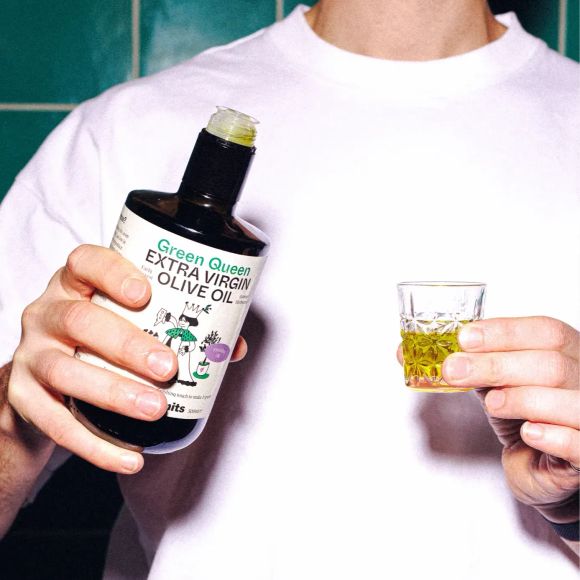
OlvLimits

OlvLimits offers extra-virgin olive oil that is high in polyphenols and third-party lab-tested.
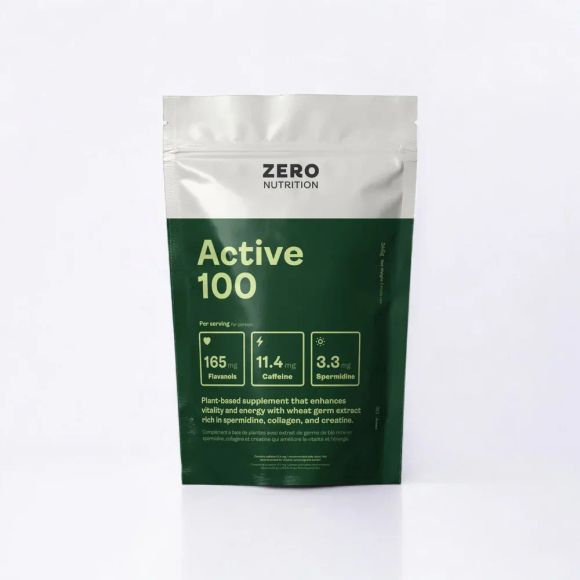
Zero Nutrition
Zero Nutrition offers science-driven supplements designed to combat aging and enhance overall health. Their products, such as ACTIVE100, SLEEP100, and EVOO100, are formulated with high-quality ingredients to support cellular repair, improve sleep quality, and provide antioxidant benefits. Committed to transparency and efficacy, Zero Nutrition ensures all supplements are independently tested and made in Europe.
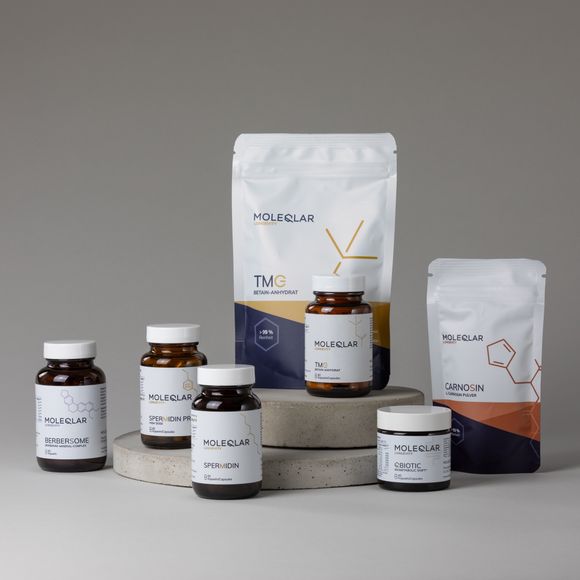
MOLEQLAR

MOLEQLAR offers a range of high-quality supplements and lab tests designed to enhance longevity, performance, and overall well-being. Their products include a proprietary proteomic testing platform as well as Nicotinamide mononucleotide (NMN), resveratrol, spermidine, and other essential compounds aimed at supporting cellular health.
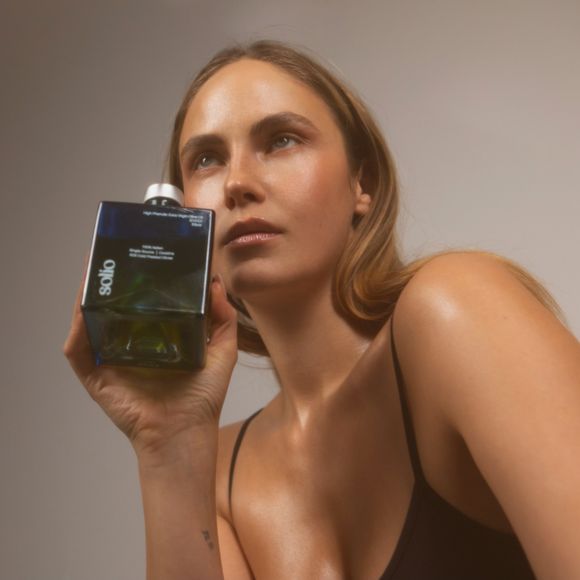
Solio

High Polyphenol Italian Olive Oil for Your Daily Wellness Ritual. Solio is a premium high polyphenol extra virgin olive oil crafted for drinking. One tablespoon (15 ml) each morning delivers powerful antioxidants to support radiant skin, stronger hair, sustained energy, and better digestion. Single origin from Puglia, Italy. Early harvest, cold pressed, and independently lab tested for polyphenol content. Bottled and shipped monthly on demand so every spoon arrives at peak freshness. General wellness information only.