Knowledge
Magazine
-

The 24-Hour Sleep Model: Why Better Sleep Starts the Morning Before
8 min read
-

Eating for Longevity: Lessons From the World's Oldest People
9 min read
-

The Summer Health Kit: Supplies and Gadgets for Hot Days and Warm Nights
9 min read
Weekly picks on longevity, brands, and health science. No spam—unsubscribe anytime.
Tools
- →The 30s Longevity Guide for Women
- →Postpartum Recovery Guide
- →Perimenopause Longevity Guide
- →Dopamine Reset Guide
- →Pregnancy Longevity Guide
- →Peptide Guide
- →Home Detox Guide
- →Slow Aging Guide
- →Pro Supplement Guide
- →Safe Supplement Guide
- →Bio Age Calculator
- →Blood Testing Guide
- →Deep Sleep Guide
- →Pro Longevity Dashboard
By Category
By Goal
Knowledge
- →What is Longevity?
- →Improve diet
- →More focus
- →Look younger
- →Lose weight
- →Track biomarkers
- →Improve sleep
- →Build muscle
- →Increase cardio
- →Detect diseases
- →Recover faster
- →Relieve stress
Magazine
-
The 24-Hour Sleep Model: Why Better Sleep Starts the Morning Before
8 min read
-
Eating for Longevity: Lessons From the World's Oldest People
9 min read
-
The Summer Health Kit: Supplies and Gadgets for Hot Days and Warm Nights
9 min read
Weekly picks on longevity, brands, and health science. No spam—unsubscribe anytime.
Brands
- →Apps
- →At Home Tests & Kits
- →Events
- →Experts & Clinics
- →Foods & Beverages
- →Gadgets & Equipment
- →Gyms & Workouts
- →Supplements
- →Travel & Retreats
- →Wearables & Trackers
Tools
- →The 30s Longevity Guide for Women
- →Postpartum Recovery Guide
- →Perimenopause Longevity Guide
- →Dopamine Reset Guide
- →Pregnancy Longevity Guide
- →Peptide Guide
- →Home Detox Guide
- →Slow Aging Guide
- →Pro Supplement Guide
- →Safe Supplement Guide
- →Bio Age Calculator
- →Blood Testing Guide
- →Deep Sleep Guide
- →Pro Longevity Dashboard

Discover
Connect
Longevity Knowledge BETA
Posture
Table of Contents
Why posture matters more than you think
Posture is not just about standing up straight. It is the foundation of how your body moves, breathes, and functions throughout the day. When your spine maintains its natural curves, weight distributes evenly across joints and muscles [1]. When posture deteriorates, the cascade of compensation patterns affects everything from shoulder mobility to digestion [2].
Modern lifestyles work against good posture. Hours at desks, looking down at phones, and sedentary habits train muscles into rounded shoulders and forward head positions. Research links chronic poor posture to increased neck and back pain, reduced lung capacity, and even altered mood states [3]. The good news: postural habits can be retrained at any age [4].
The mechanics of spinal alignment
Your spine has three natural curves: cervical lordosis at the neck, thoracic kyphosis in the upper back, and lumbar lordosis in the lower back. These curves act as shock absorbers [1]. When they flatten or exaggerate, mechanical stress concentrates in specific areas, leading to disc compression, muscle strain, and eventual degeneration.
The core muscles, deep spinal stabilizers, and hip flexors work as an integrated system [2]. When one component weakens, others compensate. Tight hip flexors from sitting pull the pelvis into anterior tilt, increasing lumbar curve. Weak deep neck flexors allow the head to drift forward, adding up to 10 pounds of effective weight for every inch of forward displacement [3].
Ergonomic fundamentals
Workstation setup matters. Position monitors at eye level so you look slightly downward at 15-20 degrees. Keep feet flat on the floor with knees at 90 degrees. Place keyboards so elbows stay at your sides, forearms parallel to the ground [5]. These adjustments reduce the postural load during long work periods.
Movement breaks and micro-stretches
Static positions, even good ones, strain tissues over time. Set reminders to stand, walk, or stretch every 30 minutes. Even brief movement resets postural muscles and improves circulation [4]. Chin tucks strengthen deep neck muscles that support proper head position [5].
Correcting posture through exercise
Posture correction exercises targeting forward head posture have shown measurable benefits for reducing cervical pain [2]. Deep cervical flexor muscle training specifically improves cervical posture and reduces pain in randomized controlled trials [5]. Combining strengthening exercises for deep stabilizers with ergonomic modifications addresses the root causes of poor posture rather than just symptoms [3].
References
- 1. The association between smartphone use and thoracic kyphosis: A systematic review and meta-analysis (Journal of Orthopaedic Science, 2023)
- 2. Effects of posture correction exercises on forward head posture and cervical pain: A systematic review (Physical Therapy in Sport, 2022)
- 3. Sitting posture during computer work and its association with musculoskeletal symptoms: A systematic review (Applied Ergonomics, 2021)
- 4. Deep cervical flexor muscle training and cervical posture: A randomized controlled trial (Manual Therapy, 2020)
- 5. Ergonomic interventions for preventing musculoskeletal disorders in office workers: A systematic review (Cochrane Database, 2023)
The 90-degree rule
Lift your phone to eye level
Move every 30 minutes
Wall angels for shoulder mobility
Chin tucks strengthen deep neck muscles
Hip flexor stretches for pelvic alignment
Can bad posture be corrected at any age?
How long does it take to fix forward head posture?
Do posture correctors and braces actually work?
What are the best exercises for office workers?
How does smartphone use affect posture?

Build Muscle, Great Posture & Resilience to Injury | Jeff Cavaliere
Essentials: Optimize Your Exercise Program with Science-Based Tools | Jeff Cavaliere
Essentials: The Science & Practice of Movement | Ido Portal
Essentials: Using Play to Rewire & Improve Your Brain
Build Muscle & Strength & Forge Your Life Path | Dorian Yates

Most Replayed Moment: Confidence Can Be Taught! Use These Body Language Cues To Your Advantage!
No discussions yet
Be the first to start a discussion about Posture.
Related Articles


Related Brands

BLACKROLL


BLACKROLL offers special foam rollers, fascia tools, and exercise accessories designed to improve mobility, relieve muscle tension, and enhance sports performance and recovery. Their products are used by athletes, physical therapists, and fitness enthusiasts worldwide for (self-)massage, myofascial release, and overall movement optimization.
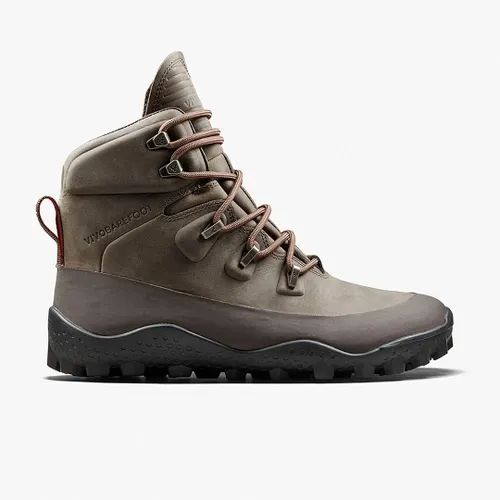
Vivobarefoot
Vivobarefoot designs minimalist footwear that promotes natural movement, enhancing foot health and overall well-being.
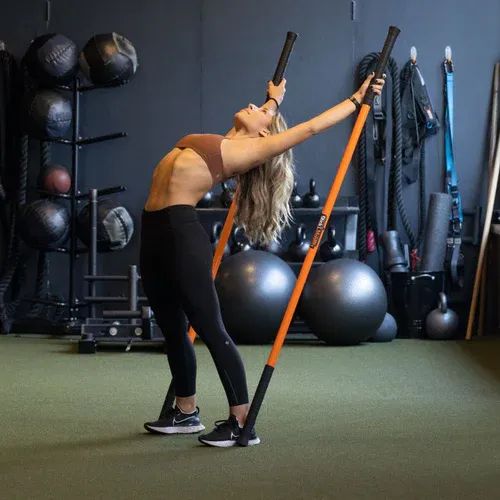
Stick Mobility

Stick Mobility, founded by fitness visionaries Neal Valera and Dennis Dunphy, is a training system that enhances flexibility, strength, and coordination through the use of custom-designed training sticks. By integrating stretching, mobility, and strength exercises, it aims to improve movement patterns and prevent injuries, benefiting individuals across all fitness levels.
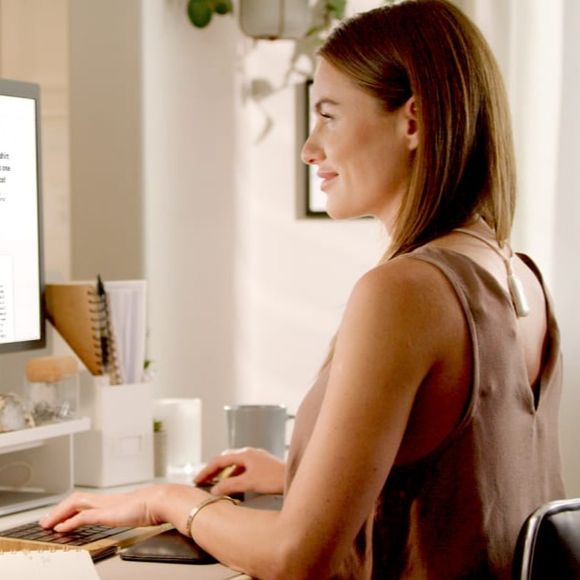
Upright
Upright offers innovative posture correction devices designed to help improve posture, reduce back pain, and enhance overall well-being.
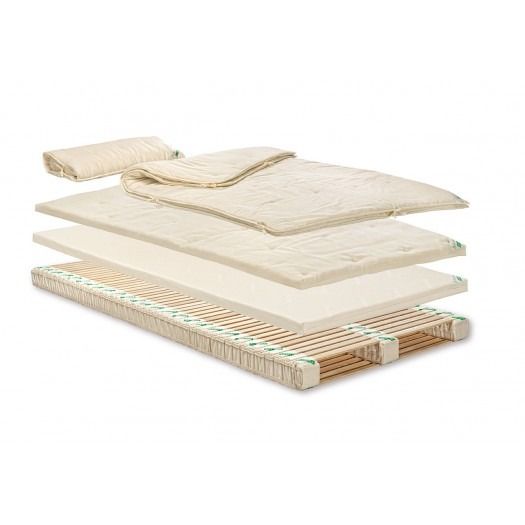
Samina
Samina offers high-quality sleep systems designed to promote better sleep and overall health. Their products include natural mattresses, pillows, and bedding made from organic materials, all crafted to support the body's natural sleep patterns.
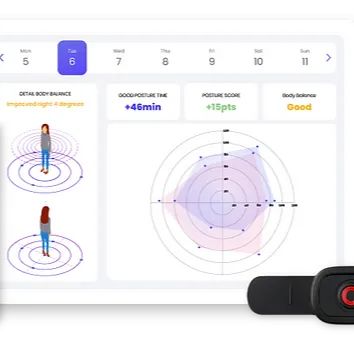
Neurabody
Neurabody offers an AI/ML-driven posture science platform designed to monitor and analyze users' posture throughout the day. The platform provides targeted pain interventions and personalized tips to help prevent back pain, reduce costs related to absenteeism, and increase productivity.
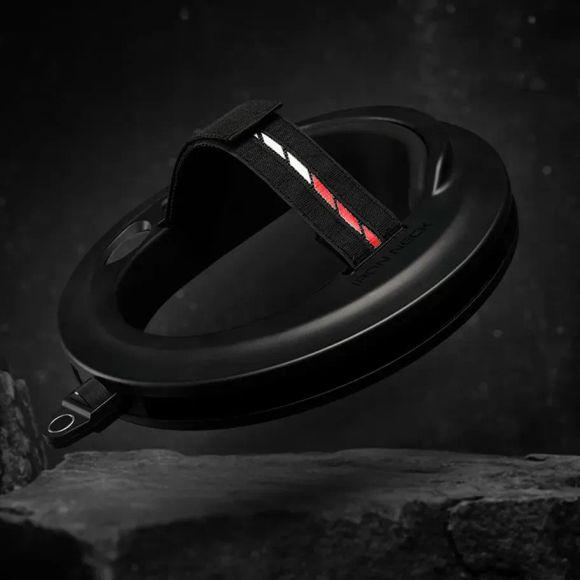
Iron Neck
Iron Neck offers innovative neck training devices designed to enhance strength, mobility, and posture, aiding in injury prevention and rehabilitation.
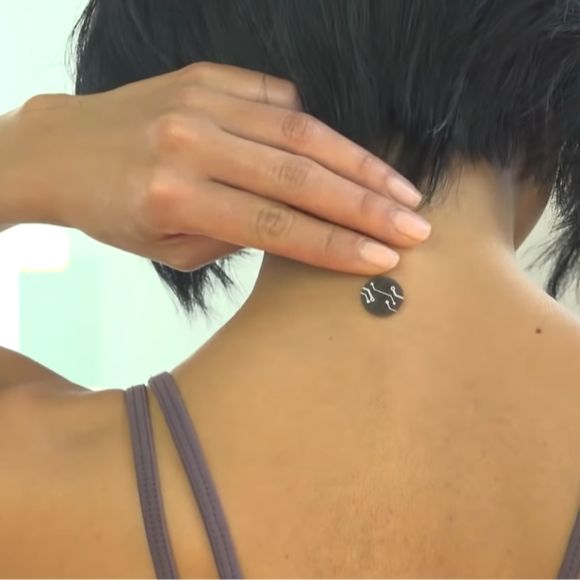
Taopatch
TAOPATCH is a wearable nanotechnology patch that converts body heat into therapeutic light, designed to support posture, balance, nervous‑system communication and recovery.