Knowledge
Magazine
-

The 24-Hour Sleep Model: Why Better Sleep Starts the Morning Before
8 min read
-

Eating for Longevity: Lessons From the World's Oldest People
9 min read
-

The Summer Health Kit: Supplies and Gadgets for Hot Days and Warm Nights
9 min read
Weekly picks on longevity, brands, and health science. No spam—unsubscribe anytime.
Tools
- →The 30s Longevity Guide for Women
- →Postpartum Recovery Guide
- →Perimenopause Longevity Guide
- →Dopamine Reset Guide
- →Pregnancy Longevity Guide
- →Peptide Guide
- →Home Detox Guide
- →Slow Aging Guide
- →Pro Supplement Guide
- →Safe Supplement Guide
- →Bio Age Calculator
- →Blood Testing Guide
- →Deep Sleep Guide
- →Pro Longevity Dashboard
By Category
By Goal
Knowledge
- →What is Longevity?
- →Improve diet
- →More focus
- →Look younger
- →Lose weight
- →Track biomarkers
- →Improve sleep
- →Build muscle
- →Increase cardio
- →Detect diseases
- →Recover faster
- →Relieve stress
Magazine
-
The 24-Hour Sleep Model: Why Better Sleep Starts the Morning Before
8 min read
-
Eating for Longevity: Lessons From the World's Oldest People
9 min read
-
The Summer Health Kit: Supplies and Gadgets for Hot Days and Warm Nights
9 min read
Weekly picks on longevity, brands, and health science. No spam—unsubscribe anytime.
Brands
- →Apps
- →At Home Tests & Kits
- →Events
- →Experts & Clinics
- →Foods & Beverages
- →Gadgets & Equipment
- →Gyms & Workouts
- →Supplements
- →Travel & Retreats
- →Wearables & Trackers
Tools
- →The 30s Longevity Guide for Women
- →Postpartum Recovery Guide
- →Perimenopause Longevity Guide
- →Dopamine Reset Guide
- →Pregnancy Longevity Guide
- →Peptide Guide
- →Home Detox Guide
- →Slow Aging Guide
- →Pro Supplement Guide
- →Safe Supplement Guide
- →Bio Age Calculator
- →Blood Testing Guide
- →Deep Sleep Guide
- →Pro Longevity Dashboard

Discover
Connect
Longevity Knowledge BETA
Relaxation
Table of Contents
Why relaxation matters for your health
Chronic stress keeps your body in a constant state of alert. Over time, this wears down your immune system, disrupts sleep, and accelerates aging. Relaxation techniques activate your parasympathetic nervous system—the body's natural recovery mode—lowering cortisol, reducing inflammation, and allowing cells to repair themselves [1].
How relaxation works in your body
When you relax deeply, your breathing slows, heart rate drops, and blood pressure decreases. Your brain shifts from the stress-driven sympathetic state to the restorative parasympathetic state. This transition triggers measurable changes: cortisol levels fall by up to 25%, heart rate variability improves, and digestive function normalizes [2]. The vagus nerve, which connects your brain to major organs, plays a central role in this process. Higher vagal tone means better emotional regulation and stress resilience.
Evidence-based techniques that work
Diaphragmatic breathing
Slow, deep breathing at 4-6 breaths per minute directly stimulates the vagus nerve. Research shows just 15 minutes of this practice can reduce negative emotions and lower cortisol levels significantly [3]. The key is breathing from your diaphragm—your belly should expand on the inhale and contract on the exhale.
Progressive muscle relaxation
This involves systematically tensing and releasing muscle groups from head to toe. Studies demonstrate it effectively reduces physical tension and interrupts stress feedback loops. Regular practice improves sleep quality and reduces anxiety symptoms [1].
Mindfulness and meditation
Focused attention on the present moment strengthens parasympathetic tone. Clinical trials show consistent meditation practice reduces inflammatory markers, improves emotional regulation, and enhances sustained attention [2].
Making relaxation a daily habit
The benefits of relaxation techniques are cumulative. A daily practice of even 10-20 minutes produces measurable improvements in stress markers, sleep quality, and overall wellbeing. The goal is not occasional relaxation but building nervous system resilience through regular practice.
References
Breathe slowly to activate your vagus nerve
Try progressive muscle relaxation before bed
Build a consistent relaxation routine
Use guided audio for structure
Quick reset with cold exposure
Stimulate your vagus nerve
What is the difference between relaxation and just resting?
Can relaxation techniques help with anxiety and depression?
What is the best time of day to practice relaxation techniques?
How long does it take to see benefits from relaxation techniques?
What is the vagus nerve and how does it affect stress?
Does yoga actually reduce stress or is it just stretching?

Essentials: Improve Flexibility with Research-Supported Stretching Protocols
Restore Youthfulness & Vitality to the Aging Brain & Body | Dr. Tony Wyss-Coray

Human Sleep Expert: Don't Pee In The Middle Of The Night & Why Night Time Sex Isn't A Good Idea!
Best Ways to Build Better Habits & Break Bad Ones | James Clear
Improve Energy & Longevity by Optimizing Mitochondria | Dr. Martin Picard
Essentials: The Science of Making & Breaking Habits
No discussions yet
Be the first to start a discussion about Relaxation.
Related Articles


Community Discussions
Related Brands

KOANNA

KOANNA offers innovative wellness and care products designed to bring the luxury spa experience to your home.
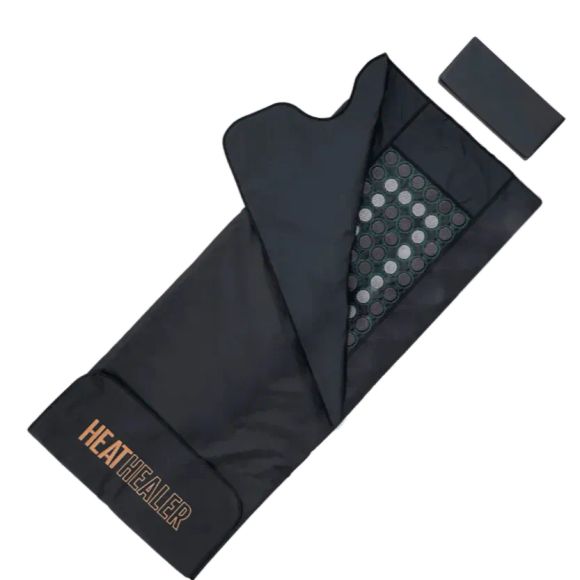
Heat Healer
Heat Healer offers innovative infrared sauna blankets designed to provide the benefits of a traditional sauna from the comfort of your home.
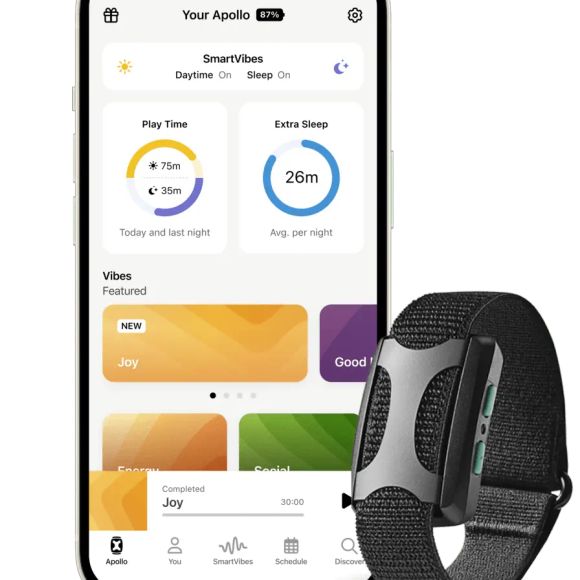
Apollo Neuro
Apollo Neuro offers a wearable device designed to help users manage stress, improve sleep, and enhance performance through gentle vibrations that promote calmness and focus. Developed by neuroscientists and physicians, Apollo Vibes™ are clinically validated to reduce stress and anxiety while improving energy and concentration.
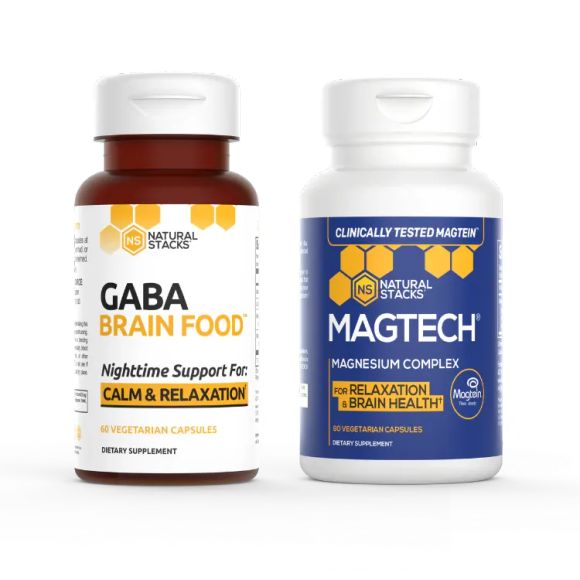
Natural Stacks
Natural Stacks, founded in 2013 by Ben Hebert and Roy Krebs, is a health and wellness company specializing in premium, open-source supplements designed to enhance brain health and overall well-being. Their product line includes formulations aimed at improving mood, sleep, focus, and cognitive function, all developed with a commitment to transparency and quality
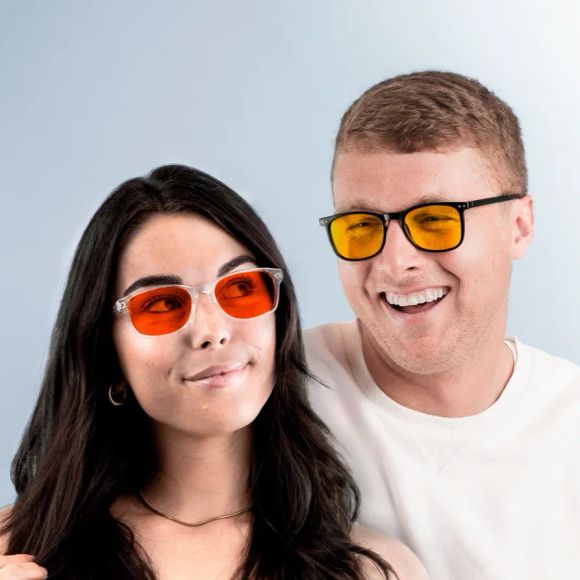
Blockblue Light
BlockBlueLight, founded in 2016 by Daniel Ebbett, specializes in products designed to mitigate blue light exposure, including blue light blocking glasses and low blue lighting solutions, aiming to enhance sleep quality and overall well-being
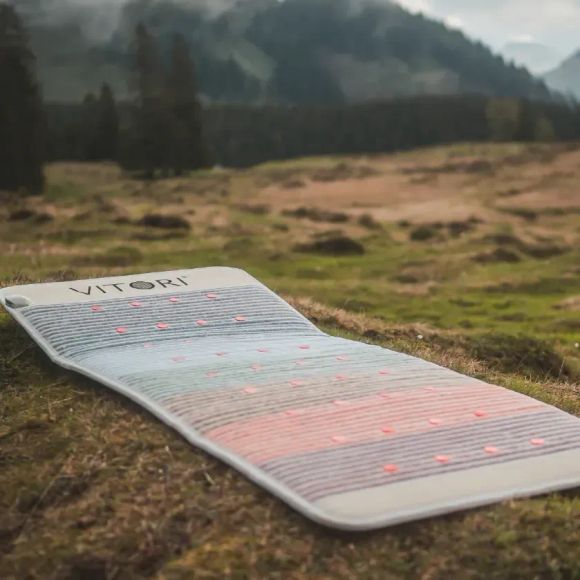
Vitori
VITORI® offers premium crystal mats that combine natural crystals with advanced technologies—such as infrared deep heat, pulsed magnetic fields, negative ions, and biophotons—to promote relaxation and holistic well-being.
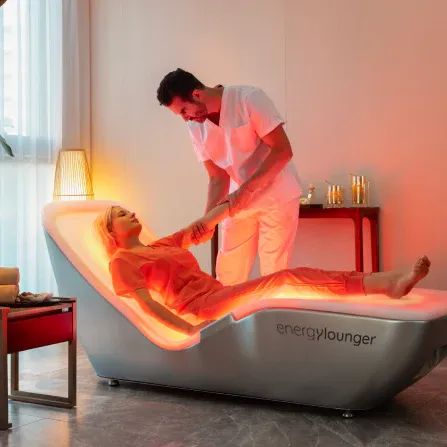
Energy Lounger
EnergyLounger offers innovative relaxation chairs that combine advanced zero-gravity positioning, heat therapy, and customizable massage features to promote optimal recovery, reduce stress, and enhance overall well-being.
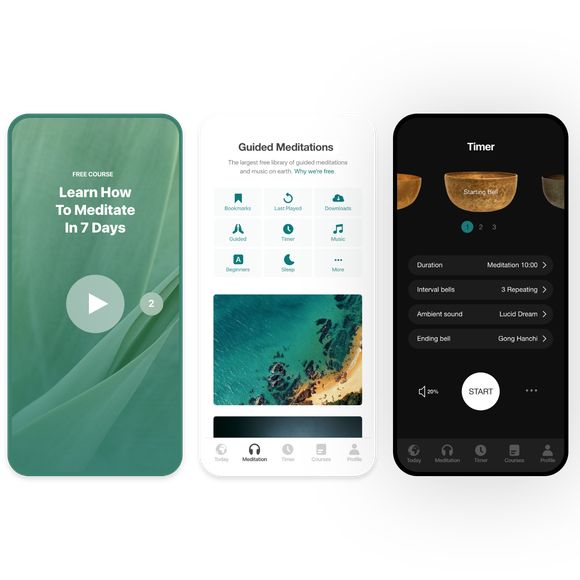
Insight Timer
Insight Timer is a free meditation app offering the world’s largest library of guided meditations, music tracks, and ambient sounds to aid in sleep, relaxation, and mindfulness. With contributions from over 17,000 teachers, the app provides diverse content suitable for both beginners and experienced practitioners.

FIBO
FIBO is the world's leading trade show for health, fitness, and wellness, held annually in Cologne, Germany. The next event is scheduled for April 10–13, 2025, at the Exhibition Centre Cologne.
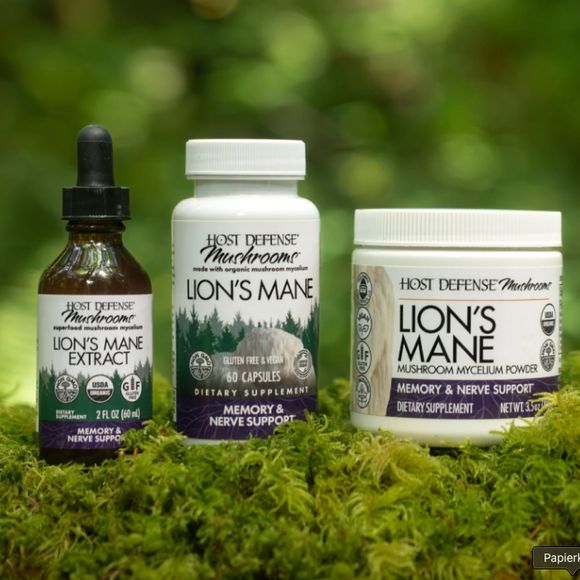
Fungi Perfecti
Fungi Perfecti, founded by mycologist Paul Stamets, is a family-owned company dedicated to promoting the cultivation and use of fungi for health and environmental benefits. Their offerings include a wide range of mushroom-based supplements under the Host Defense® brand, cultivation tools, educational resources, and sustainable solutions aimed at supporting people, bees, trees, and the planet.