Knowledge
Magazine
-

The 24-Hour Sleep Model: Why Better Sleep Starts the Morning Before
8 min read
-

Eating for Longevity: Lessons From the World's Oldest People
9 min read
-

The Summer Health Kit: Supplies and Gadgets for Hot Days and Warm Nights
9 min read
Weekly picks on longevity, brands, and health science. No spam—unsubscribe anytime.
Tools
- →The 30s Longevity Guide for Women
- →Postpartum Recovery Guide
- →Perimenopause Longevity Guide
- →Dopamine Reset Guide
- →Pregnancy Longevity Guide
- →Peptide Guide
- →Home Detox Guide
- →Slow Aging Guide
- →Pro Supplement Guide
- →Safe Supplement Guide
- →Bio Age Calculator
- →Blood Testing Guide
- →Deep Sleep Guide
- →Pro Longevity Dashboard
By Category
By Goal
Knowledge
- →What is Longevity?
- →Improve diet
- →More focus
- →Look younger
- →Lose weight
- →Track biomarkers
- →Improve sleep
- →Build muscle
- →Increase cardio
- →Detect diseases
- →Recover faster
- →Relieve stress
Magazine
-
The 24-Hour Sleep Model: Why Better Sleep Starts the Morning Before
8 min read
-
Eating for Longevity: Lessons From the World's Oldest People
9 min read
-
The Summer Health Kit: Supplies and Gadgets for Hot Days and Warm Nights
9 min read
Weekly picks on longevity, brands, and health science. No spam—unsubscribe anytime.
Brands
- →Apps
- →At Home Tests & Kits
- →Events
- →Experts & Clinics
- →Foods & Beverages
- →Gadgets & Equipment
- →Gyms & Workouts
- →Supplements
- →Travel & Retreats
- →Wearables & Trackers
Tools
- →The 30s Longevity Guide for Women
- →Postpartum Recovery Guide
- →Perimenopause Longevity Guide
- →Dopamine Reset Guide
- →Pregnancy Longevity Guide
- →Peptide Guide
- →Home Detox Guide
- →Slow Aging Guide
- →Pro Supplement Guide
- →Safe Supplement Guide
- →Bio Age Calculator
- →Blood Testing Guide
- →Deep Sleep Guide
- →Pro Longevity Dashboard

Discover
Connect
Longevity Knowledge BETA
Rejuvenation
The Science of Cellular Rejuvenation
Rejuvenation represents a fundamental shift in how we approach aging. Rather than simply treating age-related symptoms, cellular rejuvenation targets the biological mechanisms that drive aging itself. Research has identified several key processes that contribute to cellular aging: the accumulation of senescent cells, mitochondrial dysfunction, telomere shortening, epigenetic alterations, and impaired protein homeostasis [1]. Understanding these mechanisms has opened new possibilities for interventions that can slow, halt, or potentially reverse aspects of biological aging.
Senolytics: Clearing Damaged Cells
Senescent cells are aged cells that have stopped dividing but remain metabolically active, releasing inflammatory signals that damage surrounding tissues. This process, known as the senescence-associated secretory phenotype (SASP), contributes to chronic inflammation and tissue dysfunction [2]. Senolytic compounds selectively eliminate these harmful cells while preserving healthy ones. Natural senolytics including quercetin (found in apples and onions) and fisetin (in strawberries) have demonstrated efficacy in preclinical studies [3]. In animal models, removing senescent cells has shown remarkable results: improved physical function, enhanced metabolic flexibility, and reversal of age-related pathologies [4]. Early human trials with senolytic combinations have demonstrated promising safety profiles and functional improvements in age-related conditions.
Mitochondrial Rejuvenation
Mitochondria, the powerhouses of our cells, deteriorate with age, leading to reduced energy production and increased oxidative stress. Mitochondrial biogenesis—the creation of new healthy mitochondria—can be activated through exercise, particularly high-intensity interval training and resistance training [5]. PGC-1α, a master regulator of mitochondrial biogenesis, increases with physical activity and triggers the production of new mitochondria. Additionally, compounds that support mitochondrial function, such as CoQ10 and NAD+ precursors, show promise in maintaining cellular energy production [6].
Epigenetic Reprogramming
The epigenome—chemical modifications to DNA that regulate gene expression—changes predictably with age. These alterations can silence beneficial genes and activate harmful ones, contributing to cellular decline. Recent breakthroughs have demonstrated partial cellular reprogramming using Yamanaka factors (Oct4, Sox2, Klf4, and c-Myc), which can reset cellular age markers without causing cells to lose their identity [7]. While still in experimental stages, this approach represents one of the most promising frontiers in rejuvenation science.
NAD+ and Cellular Repair
NAD+ (nicotinamide adenine dinucleotide) is a coenzyme essential for cellular energy metabolism and DNA repair. NAD+ levels decline by approximately 50% between ages 40 and 60, impairing the body's ability to repair cellular damage [8]. Supplementation with NAD+ precursors such as NMN (nicotinamide mononucleotide) and NR (nicotinamide riboside) has shown promise in restoring NAD+ levels and improving markers of cellular health in animal studies and early human trials [9].
Evidence-Based Lifestyle Interventions
While pharmaceutical interventions advance, established lifestyle practices remain the foundation of rejuvenation. Caloric restriction and fasting-mimicking diets trigger cellular autophagy—the body's recycling system for damaged cellular components [10]. Quality sleep allows the brain's glymphatic system to clear metabolic waste, including amyloid proteins associated with neurodegeneration [11]. Regular physical activity improves mitochondrial function, maintains muscle mass, and supports cognitive health [12]. These interventions have decades of supporting evidence and remain the most accessible approaches to cellular health.
References
- 1. Hallmarks of aging: An expanding universe
- 2. Cellular senescence and the senescence-associated secretory phenotype
- 3. Fisetin is a senotherapeutic that extends health and lifespan
- 4. Naturally occurring p16(Ink4a)-positive cells shorten healthy lifespan
- 5. Exercise and mitochondrial health
- 6. The NAD+ precursor nicotinamide riboside enhances oxidative metabolism
- 7. In vivo amelioration of age-associated hallmarks by partial reprogramming
- 8. NAD+ metabolism and the control of energy homeostasis
- 9. Chronic nicotinamide riboside supplementation is well-tolerated and elevates NAD+ in healthy middle-aged and older adults
- 10. Fasting, circadian rhythms, and time-restricted feeding in healthy lifespan
- 11. The glymphatic system and sleep
- 12. Physical activity and telomere length
Eat Senolytic Foods Daily
Practice Intermittent Fasting
Do HIIT for Mitochondrial Health
Consider NAD+ Precursors
Prioritize Sleep for Cellular Repair
Include senolytic foods
Try HIIT for mitochondria
Prioritize deep sleep
Practice time-restricted eating
What lifestyle changes have the strongest anti-aging effects?
Are rejuvenation therapies safe and proven?
Can aging actually be reversed, or just slowed?
What is NAD+ and why does it matter for aging?
Are there natural ways to support cellular rejuvenation?
What is epigenetic reprogramming?
Can we actually reverse aging or just slow it down?
What are senolytics and how do they work?

Building strength and muscle mass: how to optimize training, nutrition, and more for longevity (AMA #71 rebroadcast)

Anti-Aging Expert: This Reverses Gray Hair & Boosts Your Energy!
Most Replayed Moment: Sleep Expert On The Truth About Melatonin And Magnesium
Most Replayed Moment: Is Milk Healthy? The Truth About Dairy, Sugar, Fruit And Fasting

#112 How To Slow Biological Aging With a Multivitamin, Vegetables, & Omega-3 | Dr. Steve Horvath
Most Replayed Moment: The Hidden Organ That Controls Exactly How You Age!
No discussions yet
Be the first to start a discussion about Rejuvenation.
Related Articles


Community Discussions
Related Brands
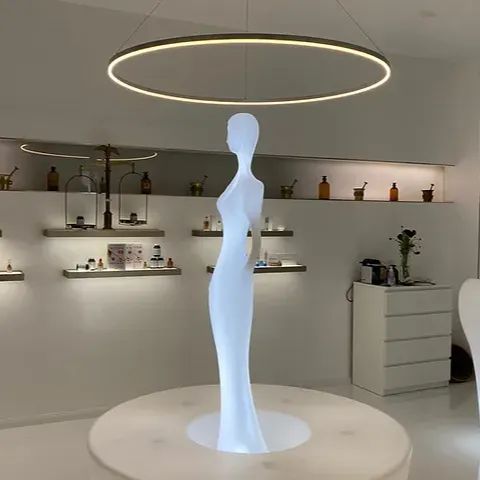
Dr. Dominik Duscher

Dr. Dominik Duscher specializes in longevity medicine, regenerative medicine, and aesthetics. As an international pioneer in the field, he combines ultrapersonalized precision medicine with innovative therapies to enhance longevity, health, and beauty. His services include regenerative cosmeceuticals and the unique '3 Zellkompetenzen' concept for healthy aging.
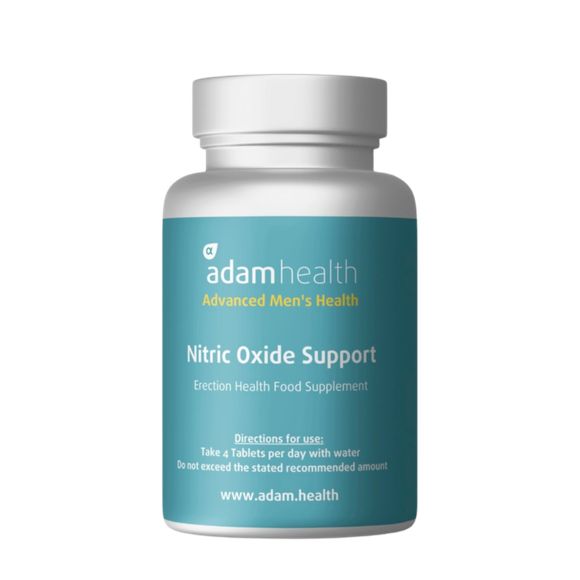
Adam Health
AdamHealth offers a comprehensive approach to men's erection health, featuring the innovative Adam Sensor for tracking nocturnal erections, science-backed supplements, and a curated selection of ED treatments to enhance overall well-being
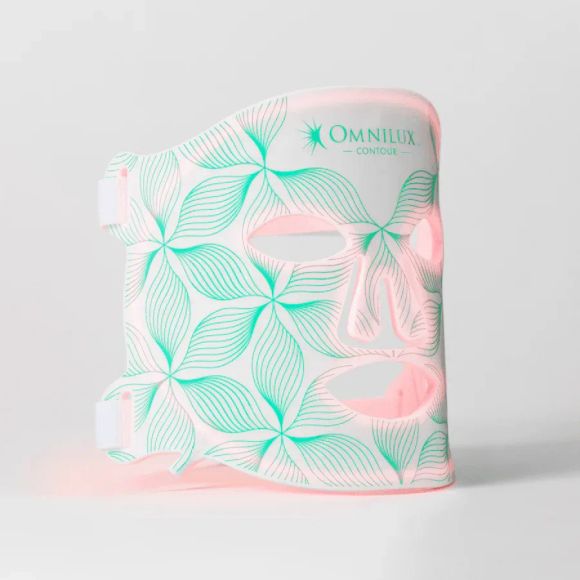
Omnilux
Omnilux offers medical-grade LED light therapy devices designed for at-home use, providing clinically proven treatments for skin rejuvenation, acne reduction, and overall skin health enhancement
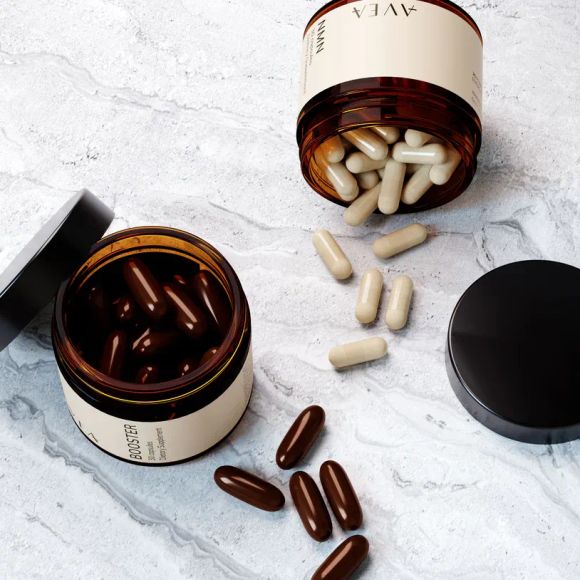
Avea

Avea offers longevity supplements designed to enhance vitality, focus, and overall health.
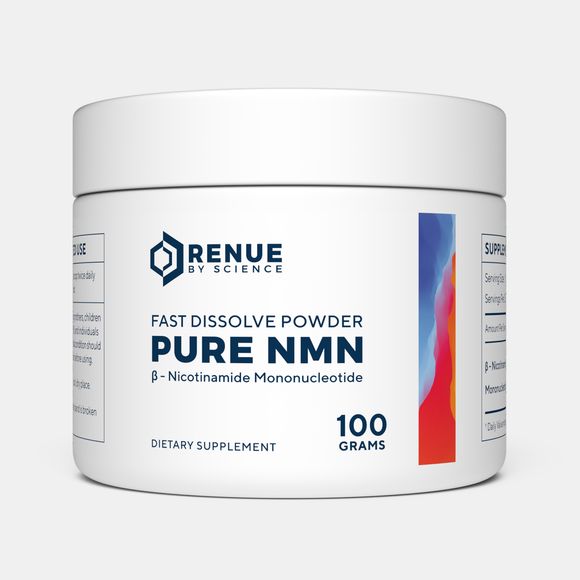
Renue by Science
Renue by Science is a global leader in clinically-proven NAD+ precursors and bioavailable longevity formulas, offering a wide range of supplements designed to support cellular rejuvenation and overall health.

Luminous Labs
More energy. Better sleep. Healthier skin. Enhanced longevity. It all starts with light. At Luminous Labs, we’ve developed CellLight™ — a powerful blend of red and near-infrared wavelengths that activates your cells, recharges your energy production, and transforms how your body heals, ages, and performs. Our mission? To make the science of light personal, precise, and profoundly effective — for women, for high-performers, for you.

Sauna House

Sauna House is a wellness destination offering bathhouse experiences, infrared saunas, and cold plunge therapies. Their facilities provide a holistic approach to relaxation and rejuvenation, combining traditional wellness practices with modern amenities.
Longevity Center
Experience a longer, healthier life with Longevity Center’s blend of modern medicine and innovative technology.

Pause Wellness Studio
Pause Wellness Studio offers a range of modern and holistic solutions to support physical and mental recovery. Their services include IV drips, vitamin shots, float therapy, infrared sauna, cryotherapy, and LED light therapy, all designed to boost immunity and enhance overall well-being.

Restore Hyper Wellness
Restore Hyper Wellness offers a wide range of services aimed at optimizing physical and mental well-being. Their core services include cryotherapy, infrared sauna, red light therapy, IV drip therapy, and compression therapy, all designed to help individuals recover, rejuvenate, and maintain peak performance.