Knowledge
Magazine
-

The 24-Hour Sleep Model: Why Better Sleep Starts the Morning Before
8 min read
-

Eating for Longevity: Lessons From the World's Oldest People
9 min read
-

The Summer Health Kit: Supplies and Gadgets for Hot Days and Warm Nights
9 min read
Weekly picks on longevity, brands, and health science. No spam—unsubscribe anytime.
Tools
- →The 30s Longevity Guide for Women
- →Postpartum Recovery Guide
- →Perimenopause Longevity Guide
- →Dopamine Reset Guide
- →Pregnancy Longevity Guide
- →Peptide Guide
- →Home Detox Guide
- →Slow Aging Guide
- →Pro Supplement Guide
- →Safe Supplement Guide
- →Bio Age Calculator
- →Blood Testing Guide
- →Deep Sleep Guide
- →Pro Longevity Dashboard
By Category
By Goal
Knowledge
- →What is Longevity?
- →Improve diet
- →More focus
- →Look younger
- →Lose weight
- →Track biomarkers
- →Improve sleep
- →Build muscle
- →Increase cardio
- →Detect diseases
- →Recover faster
- →Relieve stress
Magazine
-
The 24-Hour Sleep Model: Why Better Sleep Starts the Morning Before
8 min read
-
Eating for Longevity: Lessons From the World's Oldest People
9 min read
-
The Summer Health Kit: Supplies and Gadgets for Hot Days and Warm Nights
9 min read
Weekly picks on longevity, brands, and health science. No spam—unsubscribe anytime.
Brands
- →Apps
- →At Home Tests & Kits
- →Events
- →Experts & Clinics
- →Foods & Beverages
- →Gadgets & Equipment
- →Gyms & Workouts
- →Supplements
- →Travel & Retreats
- →Wearables & Trackers
Tools
- →The 30s Longevity Guide for Women
- →Postpartum Recovery Guide
- →Perimenopause Longevity Guide
- →Dopamine Reset Guide
- →Pregnancy Longevity Guide
- →Peptide Guide
- →Home Detox Guide
- →Slow Aging Guide
- →Pro Supplement Guide
- →Safe Supplement Guide
- →Bio Age Calculator
- →Blood Testing Guide
- →Deep Sleep Guide
- →Pro Longevity Dashboard

Discover
Connect
Longevity Knowledge BETA
Resveratrol
Table of Contents
What is resveratrol?
Resveratrol is a polyphenol produced by plants under stress, particularly in the skins of red grapes, blueberries, cranberries, mulberries, and peanuts. It gained public attention through the "French Paradox" in the 1990s, when researchers noticed that French populations drinking moderate amounts of red wine had lower rates of cardiovascular disease despite a diet high in saturated fat [1]. The compound responsible turned out to be resveratrol, specifically the trans-resveratrol isomer, which is the biologically active form.
At the cellular level, resveratrol activates SIRT1, one of seven sirtuin enzymes that depend on NAD+ to function. SIRT1 deacetylates proteins involved in mitochondrial biogenesis (PGC-1alpha), stress resistance (FOXO3), and inflammation control (NF-kB). Resveratrol also activates AMPK, the cell's energy sensor, and inhibits mTOR signaling. These are the same pathways activated by caloric restriction and exercise, which is why resveratrol has attracted so much interest in aging research [2].
What does the research actually show?
The evidence for resveratrol is a mixed bag. Animal data is strong: mice on high-fat diets given resveratrol showed improved glucose tolerance, better mitochondrial function, and protection against metabolic disease [3]. But lifespan extension in normal-weight, healthy mice has not been confirmed. Resveratrol extends lifespan in metabolically stressed animals, not healthy ones.
Human clinical trials tell a more modest story. A 2024 systematic review analyzing over 240 clinical trials found that resveratrol consistently reduces inflammatory markers like CRP and TNF-alpha, improves insulin sensitivity, and lowers blood pressure [4]. A meta-analysis of randomized controlled trials showed significant reductions in both systolic and diastolic blood pressure [5]. For type 2 diabetes specifically, resveratrol supplementation decreased body weight, BMI, and waist circumference according to a 2025 meta-analysis [6]. However, effects on healthy populations are much less clear. There is currently no consensus treatment protocol for any specific condition.
One important finding from 2024: a meta-analysis examining resveratrol's effect on human SIRT1 levels found that supplementation did not significantly raise circulating SIRT1 in pooled analyses [7]. This suggests the dramatic sirtuin-mediated lifespan effects seen in animal models may not translate directly to humans at typical supplement doses.
The bioavailability problem
Resveratrol's biggest limitation is poor bioavailability. Although roughly 75% is absorbed in the gut, the compound is rapidly metabolized by the liver and intestinal enzymes into sulfate and glucuronide conjugates. The result: only about 1-5% of oral resveratrol reaches the bloodstream in its active free form, and it has a plasma half-life of just 8-14 minutes [8]. This means the doses that produce effects in cell culture (micromolar concentrations) are hard to achieve in vivo.
Pterostilbene, a methylated analog of resveratrol found in blueberries and grapes, has roughly 4x higher bioavailability (about 80% vs 20%) and a half-life of 105 minutes due to two methoxy groups that resist metabolic conjugation [9]. Some researchers and supplement companies now favor pterostilbene for this reason, though head-to-head human trials comparing the two compounds remain scarce.
Taking resveratrol with fat improves absorption. David Sinclair, the Harvard geneticist who popularized resveratrol research, takes 1 gram daily mixed into yogurt for this reason. Quercetin, another polyphenol found in onions and apples, may also slow resveratrol metabolism when taken together.
Food sources and supplement dosing
Red wine contains about 0.2-5.8 mg of resveratrol per glass depending on grape variety, with Pinot Noir typically having the highest concentrations. Muscadine grapes contain even more, as resveratrol concentrates in the skin and seeds. Other food sources include peanuts (0.01-0.26 mg per cup), blueberries, cranberries, dark chocolate, and Japanese knotweed (Polygonum cuspidatum), which is actually the most common commercial supplement source [1].
Clinical trials have used doses ranging from 75 mg to 5 grams per day. The European Food Safety Authority (EFSA) considers up to 150 mg/day of trans-resveratrol safe for long-term use. Doses above 2.5 grams per day commonly cause gastrointestinal side effects including nausea, cramping, and diarrhea. Most supplement products contain 150-500 mg of trans-resveratrol per capsule.
Safety and drug interactions
Resveratrol is generally well tolerated at doses up to 1 gram per day [10]. At higher doses, it can inhibit cytochrome P450 enzymes (CYP1A2, CYP3A4, CYP2D6), which affects the metabolism of many prescription drugs. People taking blood thinners like warfarin should be cautious, as resveratrol has mild antiplatelet activity. It may also interact with statins and immunosuppressants. Anyone on prescription medication should consult their doctor before starting resveratrol supplements.
Because resveratrol has weak estrogenic activity through estrogen receptor beta, women with hormone-sensitive cancers should discuss supplementation with their oncologist. Paradoxically, resveratrol also shows anti-estrogenic effects at high doses, making the picture complex. During pregnancy and breastfeeding, supplementation is not recommended due to insufficient safety data.
References
- 1. Resveratrol (Linus Pauling Institute, Oregon State University - Micronutrient Information Center)
- 2. Effects and Mechanisms of Resveratrol on Aging and Age-Related Diseases (Hou et al., Oxidative Medicine and Cellular Longevity 2021)
- 3. Resveratrol improves health and survival of mice on a high-calorie diet (Baur et al., Nature 2006)
- 4. Resveratrol for the Management of Human Health: How Far Have We Come? A Systematic Review of Resveratrol Clinical Trials (Meng et al., IJMS 2024)
- 5. Anti-inflammatory effects of resveratrol in patients with cardiovascular disease: A systematic review and meta-analysis of randomized controlled trial...
- 6. A Systematic Review and Meta-Analysis of Randomized Controlled Trials on the Impact of Resveratrol Supplementation on Anthropometric Indices in Patien...
- 7. SIRT1, resveratrol and aging (Frontiers in Genetics 2024)
- 8. Bioavailability and safety study of resveratrol 500 mg tablets in healthy male and female volunteers (PMC 2016)
- 9. New Insights into Dietary Pterostilbene: Sources, Metabolism, and Health Promotion Effects (Li et al., Molecules 2022)
- 10. Resveratrol: A Double-Edged Sword in Health Benefits (Shaito et al., Biomedicines 2020)
Take resveratrol with fat for better absorption
Pinot Noir has the most resveratrol among red wines
Consider pterostilbene as an alternative
Check for drug interactions before supplementing
Stack polyphenols for synergistic benefits
How much resveratrol should I take per day?
Is resveratrol better than pterostilbene?
Can I get enough resveratrol from red wine?
Does resveratrol really slow aging?
Is resveratrol safe to take long-term?

#109 How To Boost NAD Levels To Fight Inflammation, Improve Recovery, and Slow Aging | Dr. Charles Brenner

Longevity roundtable — the science of aging, geroprotective molecules, lifestyle interventions, challenges in research, and more | Steven Austad, Matt Kaeberlein, Richard Miller

Supplements for Longevity & Their Efficacy | Dr. Peter Attia
#092 The Truth About Alcohol: Risks, Benefits, and Everything In-Between | Dr. Rhonda Patrick
Special episode: Peter on exercise, fasting, nutrition, stem cells, geroprotective drugs, and more — promising interventions or just noise?
Longevity drugs, aging biomarkers, and updated findings from the Interventions Testing Program (ITP) | Rich Miller, M.D., Ph.D.
No discussions yet
Be the first to start a discussion about Resveratrol.
Related Brands
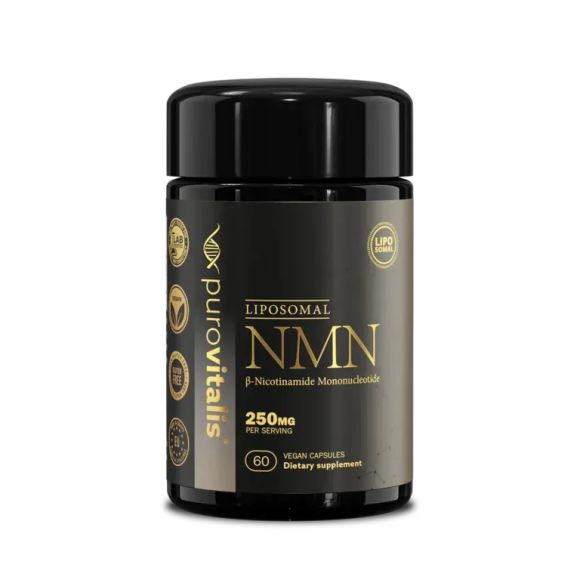
Purovitalis

Purovitalis specializes in longevity supplements made in Europe, designed to support healthy aging and overall well-being. Their product range includes NAD+ boosters, Resveratrol, Spermidine, and other scientifically-backed supplements aimed at promoting cellular health and vitality.

Unived
Unived is a 100% vegan supplement brand creating clinically validated formulas—from algal DHA to performance protein—that support clean longevity, recovery, and nutrition.
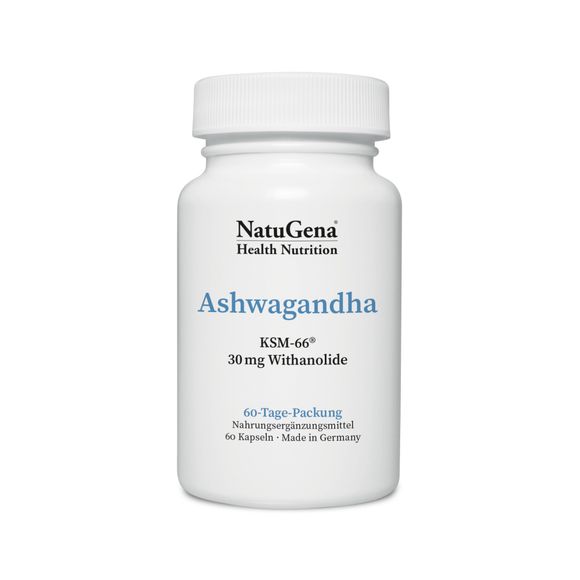
NatuGena

NatuGena GmbH is a Munich-based company specializing in the development of high-quality dietary supplements that combine the latest scientific research with natural ingredients.
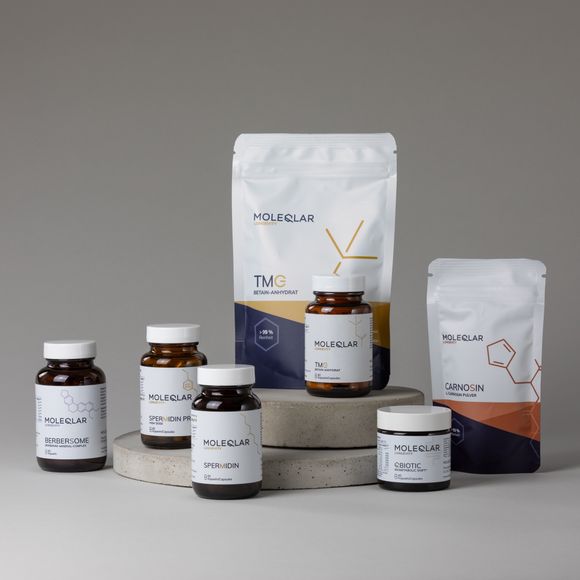
MOLEQLAR
MOLEQLAR offers a range of high-quality supplements and lab tests designed to enhance longevity, performance, and overall well-being. Their products include a proprietary proteomic testing platform as well as Nicotinamide mononucleotide (NMN), resveratrol, spermidine, and other essential compounds aimed at supporting cellular health.
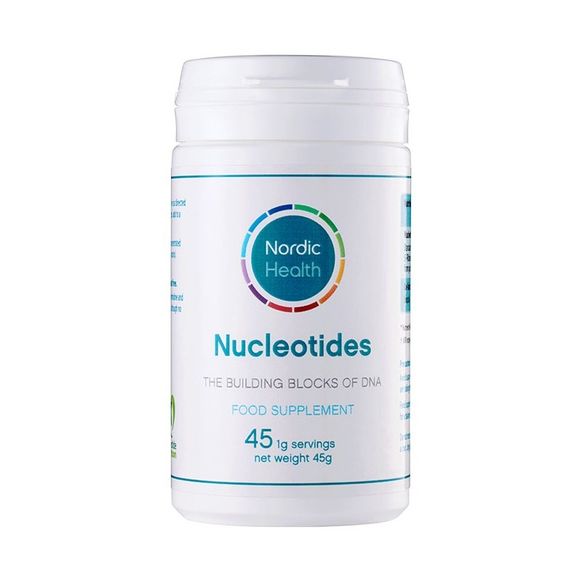
Nordic Health Food
Nordic Health Food offers premium dietary supplements, including Broccolox®, Nucleotides, and Liposomal formulations, designed to support optimal health and well-being.
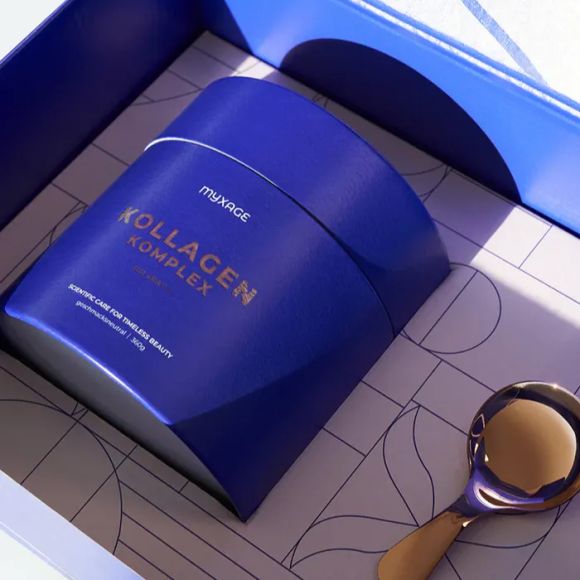
MYXAGE

MYXAGE offers an all-in-one anti-aging routine featuring the xRA¹² technology, combining bioactive collagen peptides with essential nutrients to support skin vitality and combat signs of aging.
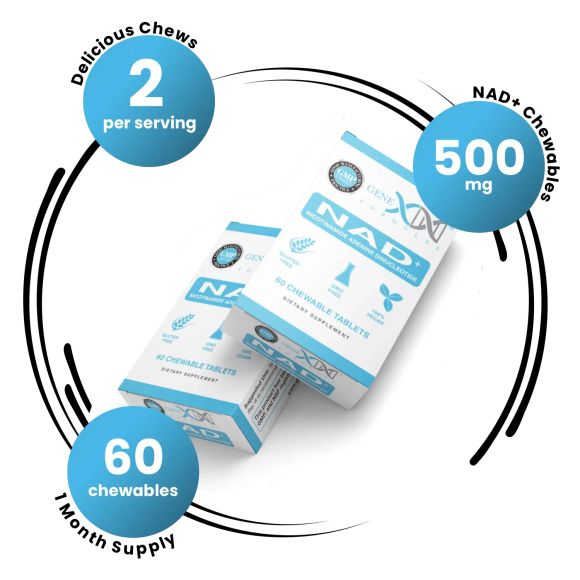
Genex Formulas
Genex Formulas is a U.S.-based company specializing in high-quality dietary supplements aimed at supporting healthy aging and overall wellness. Their product line includes NMN (Nicotinamide Mononucleotide), Resveratrol, and Berberine, all designed to enhance energy metabolism, promote cellular health, and support longevity.