Knowledge
Magazine
-

The 24-Hour Sleep Model: Why Better Sleep Starts the Morning Before
8 min read
-

Eating for Longevity: Lessons From the World's Oldest People
9 min read
-

The Summer Health Kit: Supplies and Gadgets for Hot Days and Warm Nights
9 min read
Weekly picks on longevity, brands, and health science. No spam—unsubscribe anytime.
Tools
- →The 30s Longevity Guide for Women
- →Postpartum Recovery Guide
- →Perimenopause Longevity Guide
- →Dopamine Reset Guide
- →Pregnancy Longevity Guide
- →Peptide Guide
- →Home Detox Guide
- →Slow Aging Guide
- →Pro Supplement Guide
- →Safe Supplement Guide
- →Bio Age Calculator
- →Blood Testing Guide
- →Deep Sleep Guide
- →Pro Longevity Dashboard
By Category
By Goal
Knowledge
- →What is Longevity?
- →Improve diet
- →More focus
- →Look younger
- →Lose weight
- →Track biomarkers
- →Improve sleep
- →Build muscle
- →Increase cardio
- →Detect diseases
- →Recover faster
- →Relieve stress
Magazine
-
The 24-Hour Sleep Model: Why Better Sleep Starts the Morning Before
8 min read
-
Eating for Longevity: Lessons From the World's Oldest People
9 min read
-
The Summer Health Kit: Supplies and Gadgets for Hot Days and Warm Nights
9 min read
Weekly picks on longevity, brands, and health science. No spam—unsubscribe anytime.
Brands
- →Apps
- →At Home Tests & Kits
- →Events
- →Experts & Clinics
- →Foods & Beverages
- →Gadgets & Equipment
- →Gyms & Workouts
- →Supplements
- →Travel & Retreats
- →Wearables & Trackers
Tools
- →The 30s Longevity Guide for Women
- →Postpartum Recovery Guide
- →Perimenopause Longevity Guide
- →Dopamine Reset Guide
- →Pregnancy Longevity Guide
- →Peptide Guide
- →Home Detox Guide
- →Slow Aging Guide
- →Pro Supplement Guide
- →Safe Supplement Guide
- →Bio Age Calculator
- →Blood Testing Guide
- →Deep Sleep Guide
- →Pro Longevity Dashboard

Discover
Connect
Longevity Knowledge BETA
Retreat
Table of Contents
What is a Health Retreat?
A health retreat is an immersive wellness program that removes you from daily stressors and creates optimal conditions for physical restoration, mental clarity, and behavioral change. These structured getaways combine evidence-based practices including mindfulness meditation, movement training, nutritional therapy, and stress reduction techniques. Research shows that even a week-long retreat can produce measurable improvements in attention and cognitive function [1]. The retreat environment eliminates distractions and external stressors, allowing your nervous system to activate parasympathetic pathways essential for healing and longevity.
Types of Wellness Retreats
Modern health retreats vary significantly in focus and duration. Longevity-focused retreats emphasize biomarker optimization through metabolic health protocols, including fasting programs, cold exposure therapy, and movement training. Detoxification retreats focus on eliminating accumulated toxins through dietary interventions. Mindfulness and meditation retreats prioritize neuroplasticity and emotional regulation, addressing the gut-brain axis. Silent retreats remove cognitive load and sensory stimulation, promoting deep neurological reset. Most retreats range from 3 to 30 days, with duration correlating to the depth of physiological adaptations achieved.
Scientific Benefits of Retreats
Scientific research demonstrates that structured wellness retreats produce measurable biomarker improvements. Studies show significant reductions in cortisol and inflammatory markers [2], improvements in heart rate variability, enhanced insulin sensitivity, and measurable increases in brain-derived neurotrophic factor (BDNF). Meditation practices during retreats have been shown to reduce blood pressure, heart rate, and stress hormones while increasing melatonin and dehydroepiandrosterone sulfate (DHEA-S) levels [2]. The combination of stress reduction, dietary improvements, and movement creates a synergistic effect that accelerates metabolic health restoration.
Attention and Cognitive Enhancement
Research on week-long meditation retreats shows significant improvements in executive attention—the ability to focus and resist distractions [1]. Participants demonstrate enhanced efficiency in brain networks responsible for sustained attention and conflict monitoring. Notably, retreats appear to decouple the alerting and executive attention networks, allowing for more focused cognitive processing without interference from irrelevant stimuli [1]. These cognitive benefits can persist months after the retreat ends.
Cellular and Genetic Effects
Retreats incorporating meditation and lifestyle changes can influence gene expression and cellular aging markers. Studies show that meditation practices improve telomerase activity, the enzyme that maintains telomere length and protects against cellular aging [2][3]. Chronic stress accelerates telomere shortening, while retreat-based stress reduction interventions can help preserve telomere length and potentially slow biological aging [3]. Research also demonstrates that intensive lifestyle interventions can positively modulate the expression of over 500 genes related to disease processes and longevity [2].
Choosing the Right Retreat
Selecting a retreat requires matching the program to your goals and health status. Look for retreats led by qualified health professionals with transparent methodologies. Medical supervision is essential for fasting-based or intensive detoxification programs. Consider the retreat's location, duration, group size, and specific focus areas. Evidence-based programs that combine multiple modalities—movement, nutrition, stress reduction, and sleep optimization—typically produce the most comprehensive results. Avoid programs making outsized medical claims or promoting unvalidated therapies.
References
- 1. Elliott JC, Wallace BA, Giesbrecht B. A week-long meditation retreat decouples behavioral measures of the alerting and executive attention networks. F...
- 2. Sharma H. Meditation: Process and effects. Ayu. 2015;36(3):233-237
- 3. Jacobs TL, et al. Intensive meditation training, immune cell telomerase activity, and psychological mediators. Psychoneuroendocrinology. 2011;36(5):66...
- 4. Ornish D, et al. Effect of comprehensive lifestyle changes on telomerase activity and telomere length in men with biopsy-proven low-risk prostate canc...
- 5. Mayo Clinic Staff. Meditation: A simple, fast way to reduce stress. Mayo Clinic. 2023
Plan integration before you go
Choose digital detox retreats for maximum benefit
Silent retreats offer deepest transformation
Small group sizes improve outcomes
Movement plus recovery beats exercise alone
Start with shorter retreats
Digital detox is essential
Nutrition matters as much as meditation
Prioritize sleep optimization
Plan your reintegration
Can I do a retreat if I have health conditions?
How do I maintain retreat benefits after returning home?
How long should a wellness retreat last to see real benefits?
What happens to my body during a meditation retreat?
Are the benefits of a retreat permanent?
Can I attend a retreat if I have a medical condition?
What's the difference between a wellness retreat and a vacation?
How long should a wellness retreat be to see benefits?
Are expensive luxury retreats worth the cost?

Science-Based Meditation Tools to Improve Your Brain & Health | Dr. Richard Davidson

Most Replayed Moment: Buddhist Monk Reveals How To Break Free From Pain and Anger!
Defining Healthy Masculinity & How to Build It | Terry Real
Buddhist Teacher: No One Is Talking About This Hidden Epidemic! The Western Lie Behind Depression and Anxiety
Dr. Joe Dispenza: Secret To Living Without Fear & Anxiety Forever! Your Mind Can Heal Itself! Stress Is The Root Of 90% Of All Diseases!

#019 Dr. Darya and Kevin Rose Talk Meditation Retreats, Diet, Seasonal Eating, and More
No discussions yet
Be the first to start a discussion about Retreat.

Related Brands

SweatHouz


SweatHouz, founded in 2019, is a wellness and recovery center offering services such as infrared saunas, cold plunges, red light therapy, and hydromassage to promote relaxation, detoxification, and overall well-being.
The Central Biohacking
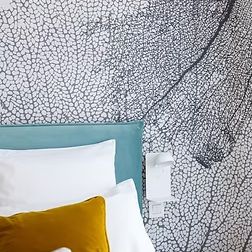
The Central Biohacking offers cutting-edge wellness programs in Luxembourg, featuring services like NAD+ IV therapy and red light anti-aging treatments to enhance health and longevity.
ModernMind
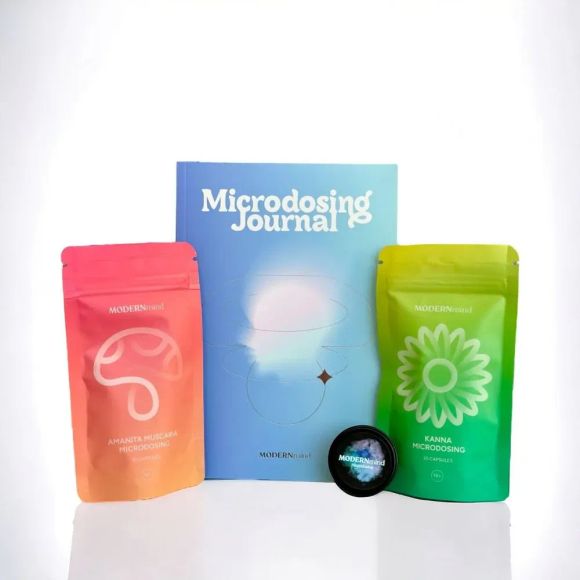
ModernMind offers a range of legal psychedelics and microdosing products, along with retreats designed to enhance well-being and personal growth. Their products and services aim to provide safe, controlled experiences that support mental and emotional health.

SHA Wellness Clinic
SHA Wellness Clinic is a world-renowned health and wellness retreat offering integrative health programs designed to improve the well-being of their guests. Their services include detox, weight loss, anti-aging, and personalized health plans, combining the best of Western medicine and Eastern therapies.
Raus
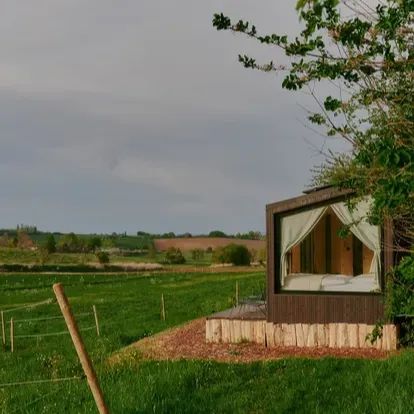
Raus offers intelligent, sustainable cabins located close to urban areas, providing a nature getaway experience with a focus on simplicity and eco-friendliness.

Serenity Ways
Serenity Ways is a premier platform that curates and compares advanced health, wellness, and fitness programs worldwide, guiding individuals toward transformative retreats that promote longevity and holistic well-being.

Biohacking Conference
The 11th Annual Biohacking Conference, hosted by Dave Asprey, is scheduled for May 28-30, 2025, in Austin, Texas. This premier event brings together experts and enthusiasts to explore advancements in health optimization, longevity, and human performance.

Lily of the Valley
Serenity Ways offers exclusive wellness programs at Lily of the Valley, a luxury retreat on the French Riviera, focusing on weight loss, fitness, and holistic well-being.