Knowledge
Magazine
-

The 24-Hour Sleep Model: Why Better Sleep Starts the Morning Before
8 min read
-

Eating for Longevity: Lessons From the World's Oldest People
9 min read
-

The Summer Health Kit: Supplies and Gadgets for Hot Days and Warm Nights
9 min read
Weekly picks on longevity, brands, and health science. No spam—unsubscribe anytime.
Tools
- →The 30s Longevity Guide for Women
- →Postpartum Recovery Guide
- →Perimenopause Longevity Guide
- →Dopamine Reset Guide
- →Pregnancy Longevity Guide
- →Peptide Guide
- →Home Detox Guide
- →Slow Aging Guide
- →Pro Supplement Guide
- →Safe Supplement Guide
- →Bio Age Calculator
- →Blood Testing Guide
- →Deep Sleep Guide
- →Pro Longevity Dashboard
By Category
By Goal
Knowledge
- →What is Longevity?
- →Improve diet
- →More focus
- →Look younger
- →Lose weight
- →Track biomarkers
- →Improve sleep
- →Build muscle
- →Increase cardio
- →Detect diseases
- →Recover faster
- →Relieve stress
Magazine
-
The 24-Hour Sleep Model: Why Better Sleep Starts the Morning Before
8 min read
-
Eating for Longevity: Lessons From the World's Oldest People
9 min read
-
The Summer Health Kit: Supplies and Gadgets for Hot Days and Warm Nights
9 min read
Weekly picks on longevity, brands, and health science. No spam—unsubscribe anytime.
Brands
- →Apps
- →At Home Tests & Kits
- →Events
- →Experts & Clinics
- →Foods & Beverages
- →Gadgets & Equipment
- →Gyms & Workouts
- →Supplements
- →Travel & Retreats
- →Wearables & Trackers
Tools
- →The 30s Longevity Guide for Women
- →Postpartum Recovery Guide
- →Perimenopause Longevity Guide
- →Dopamine Reset Guide
- →Pregnancy Longevity Guide
- →Peptide Guide
- →Home Detox Guide
- →Slow Aging Guide
- →Pro Supplement Guide
- →Safe Supplement Guide
- →Bio Age Calculator
- →Blood Testing Guide
- →Deep Sleep Guide
- →Pro Longevity Dashboard

Discover
Connect
Longevity Knowledge BETA
Running
Table of Contents
Running and cardiovascular health
Running stands out as one of the most accessible and effective forms of exercise for improving cardiovascular health and extending lifespan. Regular running triggers meaningful adaptations throughout the body: mitochondrial density increases in muscle tissue, blood vessels become more flexible, and the heart pumps more efficiently. The repetitive impact of running stimulates blood vessel walls, which promotes nitric oxide production and improves arterial compliance [1]. These changes accumulate over time, creating a protective effect against heart disease that sedentary individuals simply do not experience.
Aerobic base development
Modern endurance training emphasizes building a strong aerobic foundation through low-intensity, high-volume running. The polarized approach—roughly 80% of training at conversational pace and 20% at higher intensity—maximizes fitness gains while keeping injury risk low. This method improves the body's ability to burn fat for fuel, raises the lactate threshold, and enhances running economy [2]. Developing this aerobic base requires patience. Most runners need 12 to 16 weeks of consistent easy running before their bodies can handle harder workouts safely. Rushing into speedwork before establishing this foundation often leads to plateaus or injuries rather than progress.
Metabolic health benefits
Running profoundly affects markers of metabolic health that directly impact longevity. Regular runners typically show improved insulin sensitivity, better blood sugar control, and healthier cholesterol profiles. Studies consistently demonstrate that even modest running volumes—as little as 50 minutes per week—significantly reduce all-cause mortality risk [3]. Running also helps maintain healthy body weight and reduces visceral fat, the dangerous fat stored around internal organs that drives inflammation and chronic disease.
Getting started safely
New runners should focus on consistency over speed. The 10% rule offers a safe framework: increase weekly running distance by no more than 10% each week. Starting with a run-walk program allows the body to adapt gradually. Proper footwear matters—invest in quality running shoes fitted at a specialty store. Monitoring cadence, aiming for 170 to 180 steps per minute, reduces impact forces and lowers injury risk. Most running injuries stem from doing too much too soon, not from running itself.
References
Follow the 10% rule
Minimum dose for longevity
Train by heart rate zones
Rest days are training days
Running form reduces injury risk
How much running is needed for health benefits?
Is running better than walking for heart health?
Can running help with weight loss?
How do I start running without getting injured?

Women’s Fitness Expert: What You NEED To Know About Dieting & Exercise | Dr. Stephanie Estima
EMERGENCY DEBATE: The Economy Is About To Collapse! The 2026 AI Crisis Nobody Sees Coming
Bruno Fernandes: Roy Keane Twisted My Words. They Offered Me £200M, I Said No.
Pulitzer Prize Historian: You Won't Notice Until It's Too Late!

#111 The Optimal Mobility Protocol for a Durable Body | Dr. Kelly Starrett
The Peptide Expert: Big Pharma Are Hiding This Powerful Peptide From You! - Dr. Alex Tatem
No discussions yet
Be the first to start a discussion about Running.
Related Articles


Community Discussions
Related Brands
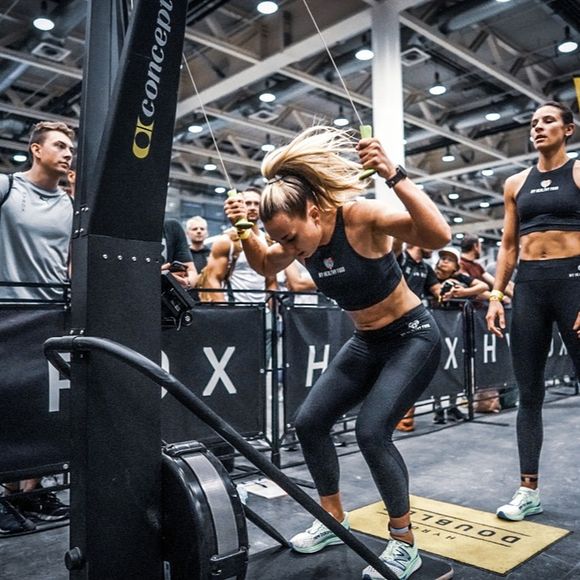
HYROX

HYROX is the World Series of Fitness Racing, offering a unique competition format that combines running with functional workouts.
Enduco
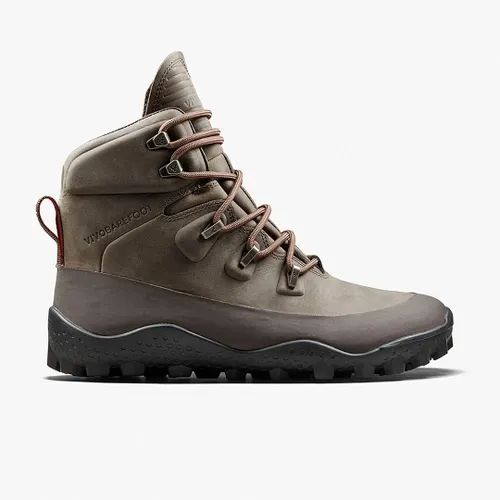
Vivobarefoot

Vivobarefoot designs minimalist footwear that promotes natural movement, enhancing foot health and overall well-being.
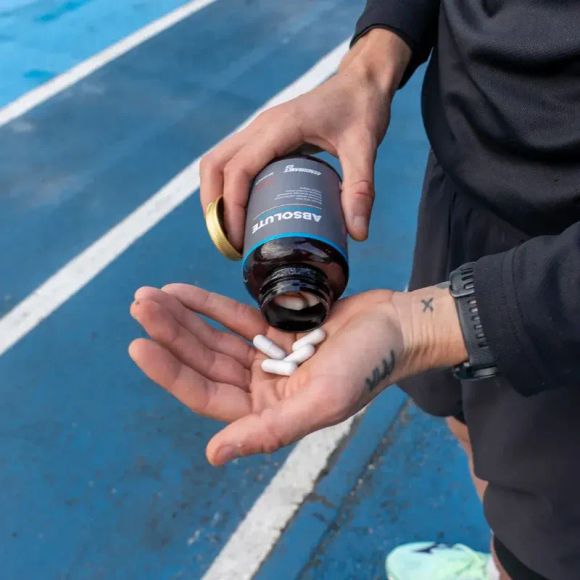
4Endurance

4Endurance is a sports nutrition brand founded by athletes with one clear goal: to help others reach their full potential. Drawing on real athletic experience, they create high-quality supplements that fuel performance, speed up recovery, and support endurance. Their in-house production ensures premium quality at fair prices, making top-tier sports nutrition accessible to all.
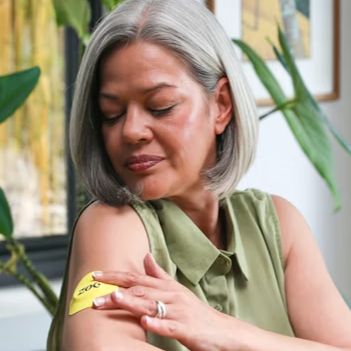
ZOE
ZOE is a health science company committed to helping people live to their fullest. Founded by Tim Spector, Jonathan Wolf, and George Hadjigeorgiou, ZOE focuses on understanding individual biology to optimize nutrition and health. Through large-scale studies, machine learning, and microbiome sequencing, ZOE aims to provide personalized nutrition advice.
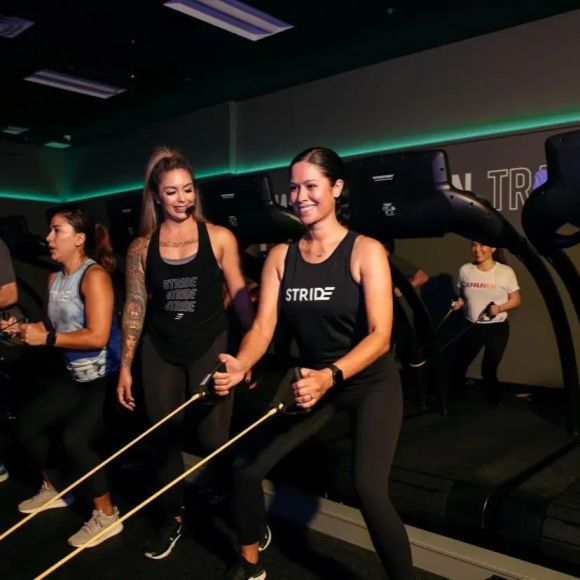
STRIDE Fitness
STRIDE Fitness offers treadmill-based interval training group classes designed for all fitness levels. Their studios feature state-of-the-art Woodway Treadmills, STRIDE Certified Run Coaches™, and integrated heart-rate monitor data tracking to help clients achieve their physical and mental fitness goals.
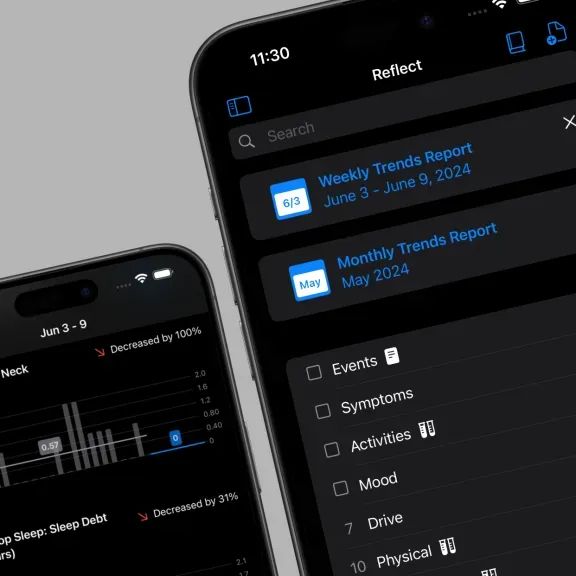
Reflect App
Reflect by No Translation Layer (NTL) is an advanced app that allows users to track various aspects of their life, such as mood, symptoms, activities, and more, while providing insights and running experiments to understand the impact of these factors. The app emphasizes extreme privacy and flexibility, allowing users to track anything and analyze data locally on their device.
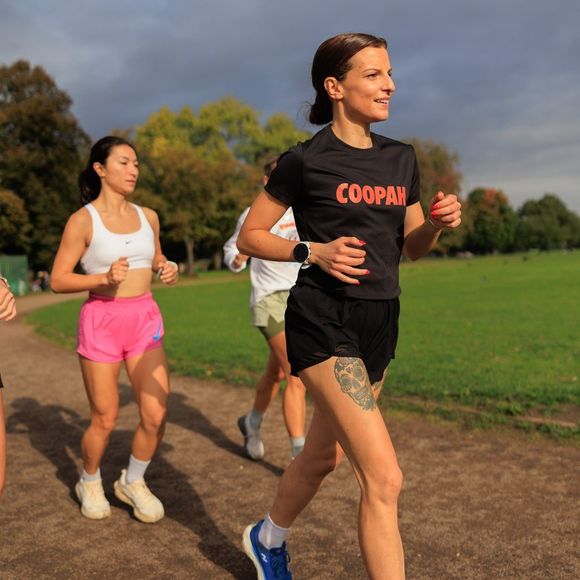
COOPAH
Coopah is a digital running coach app offering personalized training plans, real-time coaching, and 24/7 access to professional guidance, designed to help runners of all levels achieve their goals.
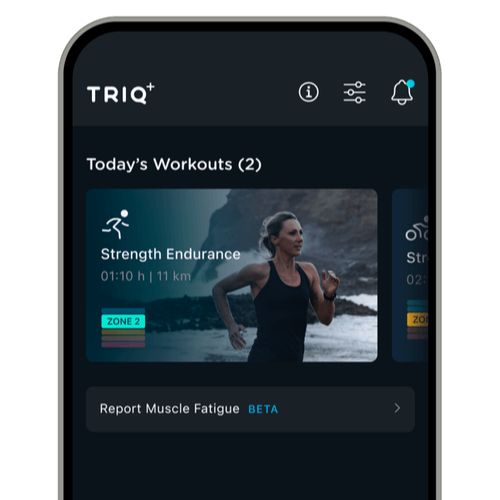
TRIQ
TRIQ is an AI-driven triathlon training app that creates personalized, adaptive training plans for athletes of all levels, continuously adjusting to individual performance, availability, and physical condition.
Trait
Trait is an empathetic running app that adapts to your daily readiness and personalizes training plans to fit your unique lifestyle.