Knowledge
Magazine
-

The 24-Hour Sleep Model: Why Better Sleep Starts the Morning Before
8 min read
-

Eating for Longevity: Lessons From the World's Oldest People
9 min read
-

The Summer Health Kit: Supplies and Gadgets for Hot Days and Warm Nights
9 min read
Weekly picks on longevity, brands, and health science. No spam—unsubscribe anytime.
Tools
- →The 30s Longevity Guide for Women
- →Postpartum Recovery Guide
- →Perimenopause Longevity Guide
- →Dopamine Reset Guide
- →Pregnancy Longevity Guide
- →Peptide Guide
- →Home Detox Guide
- →Slow Aging Guide
- →Pro Supplement Guide
- →Safe Supplement Guide
- →Bio Age Calculator
- →Blood Testing Guide
- →Deep Sleep Guide
- →Pro Longevity Dashboard
By Category
By Goal
Knowledge
- →What is Longevity?
- →Improve diet
- →More focus
- →Look younger
- →Lose weight
- →Track biomarkers
- →Improve sleep
- →Build muscle
- →Increase cardio
- →Detect diseases
- →Recover faster
- →Relieve stress
Magazine
-
The 24-Hour Sleep Model: Why Better Sleep Starts the Morning Before
8 min read
-
Eating for Longevity: Lessons From the World's Oldest People
9 min read
-
The Summer Health Kit: Supplies and Gadgets for Hot Days and Warm Nights
9 min read
Weekly picks on longevity, brands, and health science. No spam—unsubscribe anytime.
Brands
- →Apps
- →At Home Tests & Kits
- →Events
- →Experts & Clinics
- →Foods & Beverages
- →Gadgets & Equipment
- →Gyms & Workouts
- →Supplements
- →Travel & Retreats
- →Wearables & Trackers
Tools
- →The 30s Longevity Guide for Women
- →Postpartum Recovery Guide
- →Perimenopause Longevity Guide
- →Dopamine Reset Guide
- →Pregnancy Longevity Guide
- →Peptide Guide
- →Home Detox Guide
- →Slow Aging Guide
- →Pro Supplement Guide
- →Safe Supplement Guide
- →Bio Age Calculator
- →Blood Testing Guide
- →Deep Sleep Guide
- →Pro Longevity Dashboard

Discover
Connect
Longevity Knowledge BETA
Skin
Table of Contents
Skin aging: two processes, one organ
Your skin is the largest organ in the body and one of the most honest indicators of biological age. Two distinct processes drive skin aging. Intrinsic aging is the genetic clock: telomere shortening, declining NAD+ levels, accumulating senescent cells, and reduced collagen synthesis that drops roughly 1-1.5% per year after your mid-twenties. Extrinsic aging is the environmental damage layered on top. UV radiation accounts for up to 80% of visible facial aging, but pollution, smoking, poor sleep, and excess sugar all contribute [1]. The practical takeaway: the gap between your chronological age and how old your skin looks is largely within your control.
UV protection is the single most effective intervention
No other skin intervention comes close to daily sunscreen. UVA rays penetrate deep into the dermis and break down collagen by activating matrix metalloproteinases (MMPs). UVB rays cause direct DNA damage and sunburn. Both accelerate skin cancer risk. A landmark Australian RCT showed that daily sunscreen users had 24% less skin aging after 4.5 years compared to discretionary users [2]. Broad-spectrum SPF 30-50, reapplied every two hours during sun exposure, is the minimum. Mineral filters like zinc oxide avoid the endocrine concerns linked to certain chemical filters like oxybenzone. Don't neglect your hands and neck, which age fast but are often forgotten.
Retinoids: the most studied topical for skin aging
Retinoids are vitamin A derivatives and the best-researched anti-aging topicals available. Tretinoin (prescription retinoic acid) at 0.025-0.1% accelerates cell turnover, stimulates collagen I and III production, reduces hyperpigmentation, and thins the stratum corneum while thickening the dermis. A 2025 systematic review and meta-analysis of RCTs confirmed that tretinoin significantly improves fine wrinkles, roughness, and mottled pigmentation in photoaged skin [3]. Retinol, the over-the-counter form, converts to retinoic acid in the skin at roughly 10-20x lower potency. It still works, just more slowly. Start with 0.25-0.5% retinol 2-3 nights per week and build up over months to reduce irritation and peeling.
Glycation: sugar damages your collagen
Advanced glycation end products (AGEs) are formed when glucose binds to collagen fibers, creating permanent cross-links that make the protein stiff and brittle. AGE levels in skin collagen increase linearly with age, and high-sugar diets accelerate the process [4]. Glycated collagen resists normal breakdown by MMPs, which means your body can't replace damaged fibers with fresh ones. The result is yellowed, less elastic skin. Cooking methods matter too: high-heat techniques like frying and grilling produce more dietary AGEs than steaming or boiling. Reducing sugar intake and choosing lower-temperature cooking methods can slow AGE accumulation.
Supporting skin health from the inside
Collagen peptide supplements (2.5-10g daily) have shown improvements in skin hydration and elasticity in multiple RCTs, though a 2025 meta-analysis noted that independently funded studies show weaker effects than industry-funded ones [5]. Vitamin C at 10-20% topically (L-ascorbic acid) and through diet is a required cofactor for collagen synthesis and a strong antioxidant. Omega-3 fatty acids reduce UV-induced inflammation and support the skin's lipid barrier.
Sleep matters more than most people realize. During deep sleep, growth hormone secretion peaks and cortisol drops, creating optimal conditions for skin cell turnover and collagen production. Chronic sleep deprivation raises cortisol, which directly breaks down collagen and elastin [6]. The gut-skin axis adds another layer: gut dysbiosis can drive systemic inflammation that shows up as accelerated skin aging, and probiotic supplementation has shown modest benefits for skin hydration and barrier function in early trials [7].
Barrier maintenance basics
A healthy skin barrier prevents water loss and blocks pathogens. Ceramide-based moisturizers replenish the lipid matrix. Niacinamide (vitamin B3) at 2-5% supports ceramide production and reduces redness. Over-cleansing with harsh surfactants strips natural oils and disrupts the skin's slightly acidic pH of 4.5-5.5, which is optimal for microbiome balance. Limit chemical exfoliation to 1-3 times per week.
Hormones and skin aging
Estrogen directly stimulates collagen and hyaluronic acid production in the skin. Women lose up to 30% of their skin collagen in the first five years after menopause [8]. This hormonal decline explains why skin aging often accelerates dramatically in perimenopause. Hormone replacement therapy can partially reverse this collagen loss, but the decision involves weighing broader health risks and benefits beyond skin alone.
References
- 1. Influences on Skin and Intrinsic Aging: Biological, Environmental, and Therapeutic Insights (PMC, 2025)
- 2. Sunscreen and Prevention of Skin Aging: A Randomized Trial (Annals of Internal Medicine, 2013)
- 3. Tretinoin for Photodamaged Facial Skin: Systematic Review and Meta-Analysis of RCTs (PMC, 2025)
- 4. Advanced Glycation End Products in the Skin: Molecular Mechanisms, Methods of Measurement, and Inhibitory Pathways (Frontiers in Medicine, 2022)
- 5. Effects of Collagen Supplements on Skin Aging: A Systematic Review and Meta-Analysis of RCTs (American Journal of Medicine, 2025)
- 6. Sleep and Skin Health: A Decade of Evidence (ARC Journal of Dermatology, 2023)
- 7. How Microbiomes Affect Skin Aging: The Updated Evidence and Current Perspectives (PMC, 2022)
- 8. Skin Aging from Mechanisms to Interventions: Focusing on Dermal Aging (PMC, 2023)
Sunscreen is the #1 anti-aging tool
Start retinol slowly and build up
Cut sugar to protect your collagen
Sleep is when your skin repairs itself
Protect your skin barrier
Estrogen loss accelerates skin aging
Sunscreen is #1 for anti-aging
Introduce retinol slowly
Hydration for skin elasticity
What is the single most effective thing I can do for my skin?
Does collagen supplementation actually improve skin?
How does sugar affect skin aging?
Does sleep really affect how your skin ages?
What is the gut-skin axis?
What actually works for anti-aging?
At what age should I start an anti-aging routine?
Do anti-aging creams actually work?

Essentials: Using Light to Optimize Health
Using Red Light to Improve Metabolism & the Harmful Effects of LEDs | Dr. Glen Jeffery

Insulin Doctor: This Is The First Sign Of Dementia! The Shocking Link Between Keto & Brain Decline!
Improve Your Lymphatic System for Overall Health & Appearance
Essentials: Increase Strength & Endurance with Cooling Protocols | Dr. Craig Heller

No discussions yet
Be the first to start a discussion about Skin.
Related Articles


Community Discussions
✨ Skincare & Longevity ✨ What are the best proven anti aging ways / products to keep facial skin healthy and prevent wrinkles?
View on red light and long wavelength light therapies
Which red light therapy panel is best for beginners looking to improve recovery, energy and skin?
Related Brands
Ro

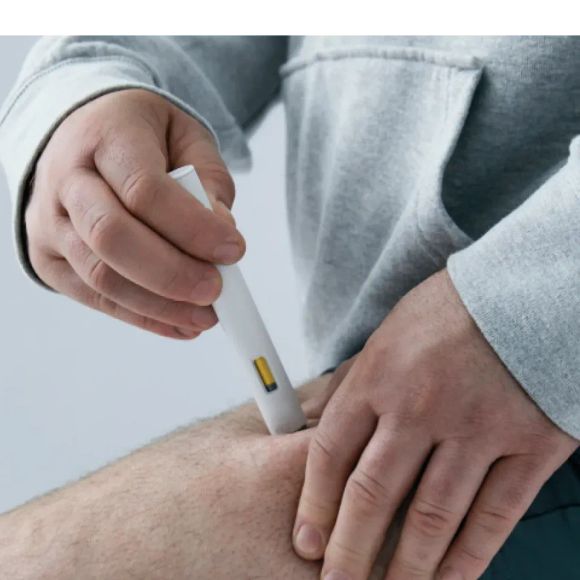
Ro is a telehealth company offering a wide range of health and wellness services, including treatments for sexual health, weight loss, hair care, skin care, fertility, and daily health. The platform provides convenient access to prescription medications, personalized health solutions, and expert medical advice.
Dr. Dominik Duscher
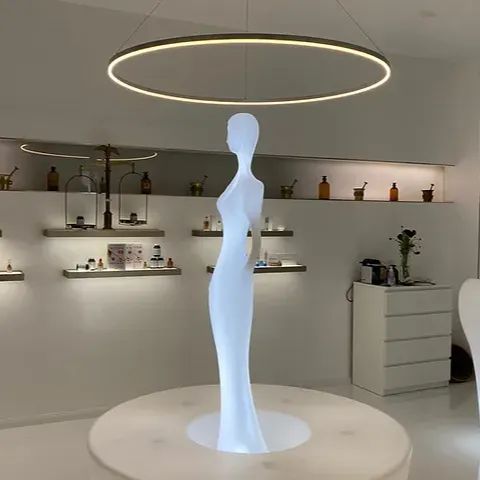
Dr. Dominik Duscher specializes in longevity medicine, regenerative medicine, and aesthetics. As an international pioneer in the field, he combines ultrapersonalized precision medicine with innovative therapies to enhance longevity, health, and beauty. His services include regenerative cosmeceuticals and the unique '3 Zellkompetenzen' concept for healthy aging.
Modere
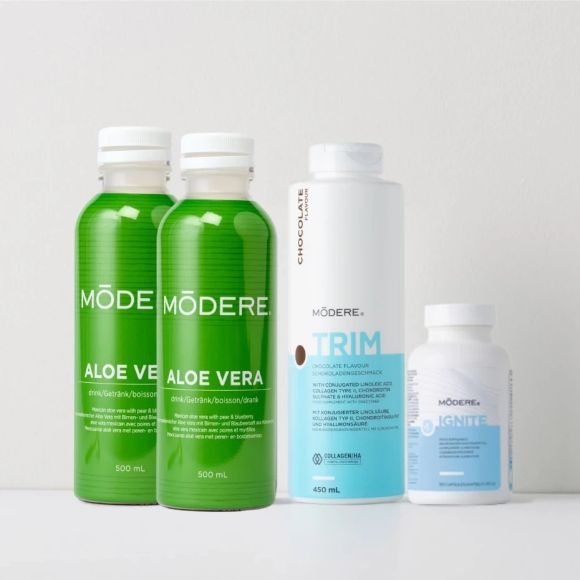
Modere is a wellness brand offering a range of clean-label products, including personal care, health and wellness, and household essentials, all designed to support a healthy lifestyle.
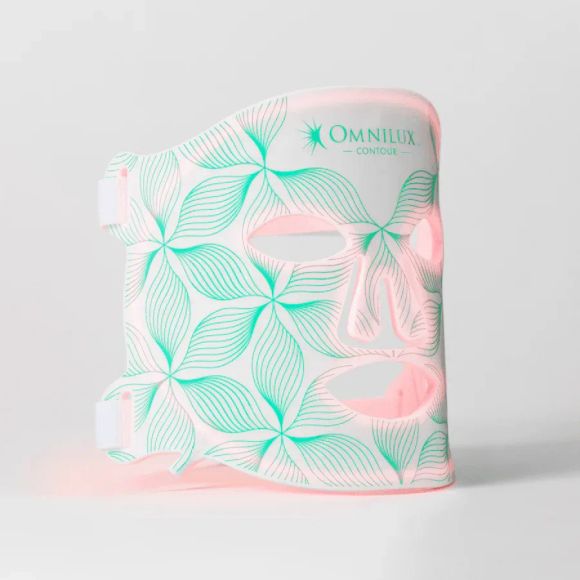
Omnilux
Omnilux offers medical-grade LED light therapy devices designed for at-home use, providing clinically proven treatments for skin rejuvenation, acne reduction, and overall skin health enhancement
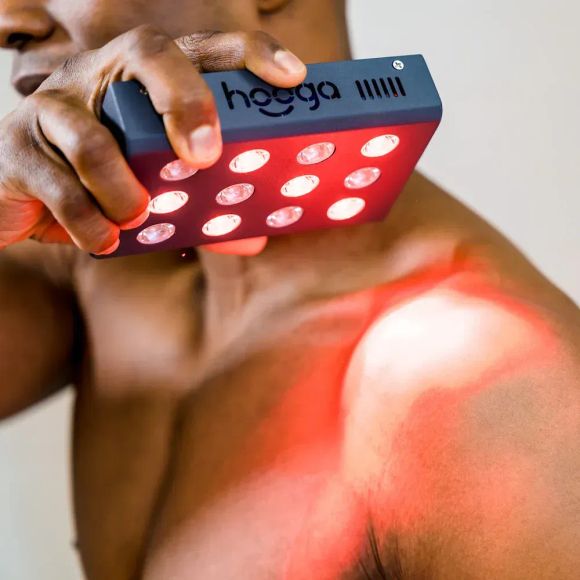
Hooga Health
Hooga Health offers a range of affordable and effective red light therapy devices designed to enhance skin health, boost energy levels, alleviate pain, and promote overall well-being.
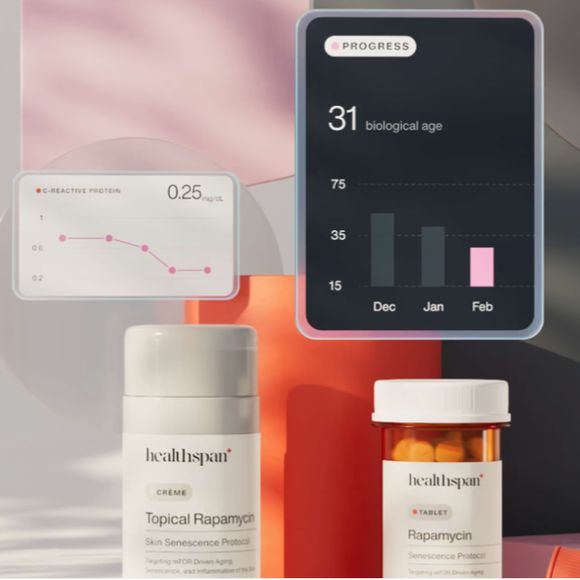
Health Span
Healthspan is a pioneering digital medical clinic specializing in longevity treatments aimed at combating cellular senescence and metabolic dysfunction, the primary drivers of aging and age-related diseases. Their research-driven protocols include therapies such as Rapamycin, SGLT2 inhibitors, and topical applications targeting skin and hair aging. Through comprehensive biomarker analysis and personalized care plans, Healthspan empowers individuals to optimize their healthspan and overall well-being.
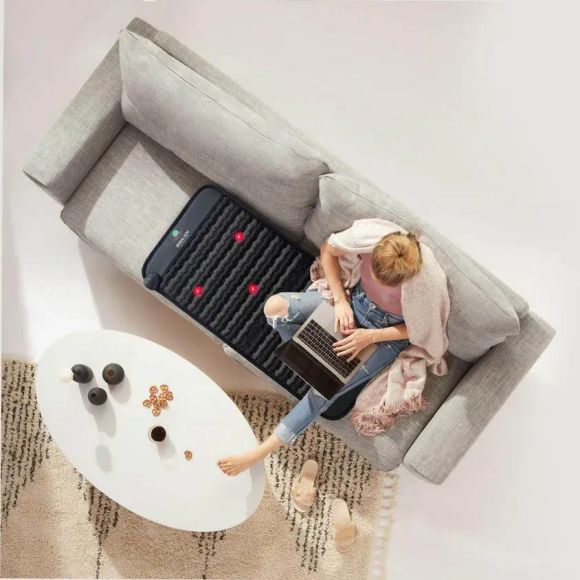
Spiralsun
Spiral Sun™ is a premium wellness brand based in Amsterdam, specializing in innovative health products designed to enhance overall well-being. Their offerings include hydrogen water bottles, infrared sauna blankets, PEMF therapy mats, and red light therapy devices, all crafted to integrate seamlessly into daily routines and promote a healthier lifestyle.
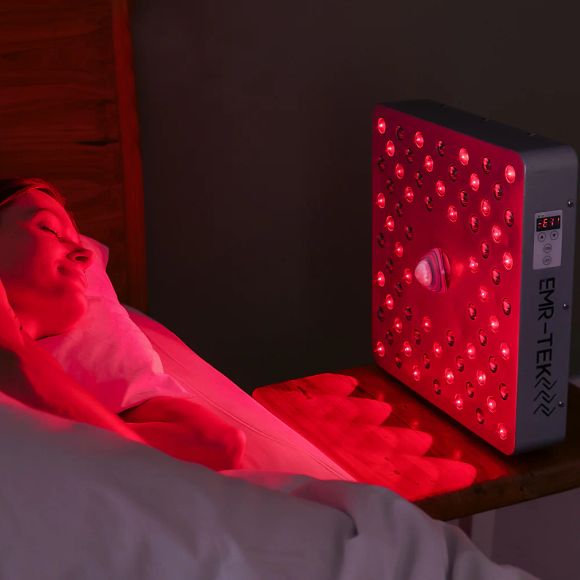
EMR-TEK
EMR-TEK is a wellness technology company specializing in red and near-infrared light therapy devices. Their product line includes portable panels, full-body systems, and accessories designed to support recovery, energy, and overall well-being. EMR-TEK also offers blue light blocking glasses and skincare products to complement their light therapy solutions.
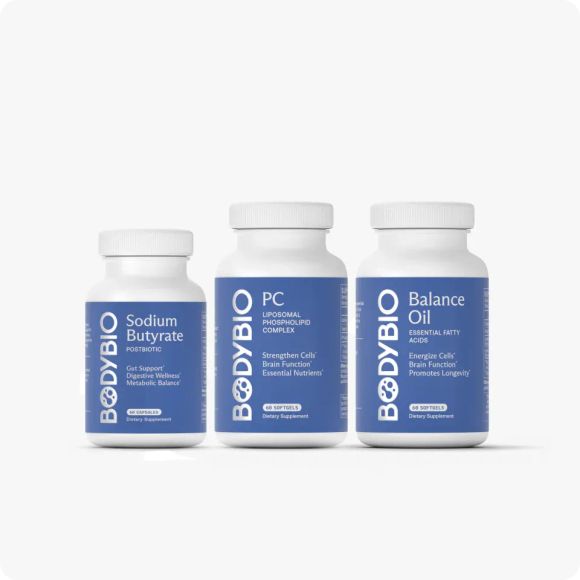
BodyBio
BodyBio is a third‑generation, science‑driven supplement brand focused on foundational cellular health. Their liposomal phospholipid complexes—like BodyBio PC—support brain, liver, gut and immune function while nurturing longevity from the cell up.
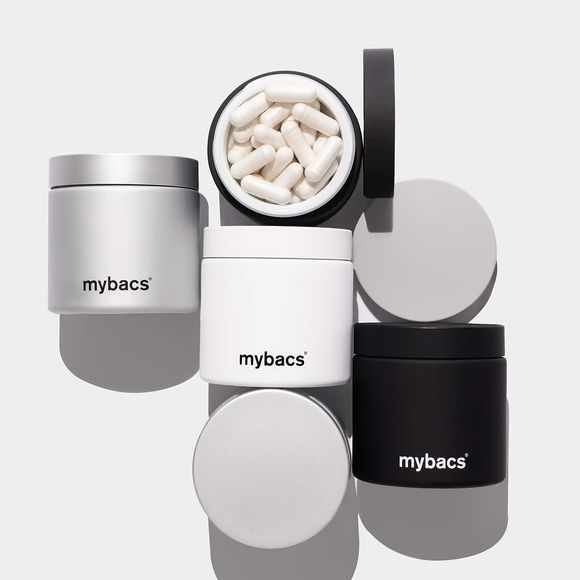
mybacs
mybacs® is a Swiss-designed microbiome-focused supplement line offering personalized synbiotic formulas—combining probiotics, prebiotics, postbiotics, and targeted boosters—to support digestion, metabolic balance, immunity, mood, skin, and more. Developed by experts, allergen‑free and delivered via convenient subscription.