Knowledge
Magazine
-

The 24-Hour Sleep Model: Why Better Sleep Starts the Morning Before
8 min read
-

Eating for Longevity: Lessons From the World's Oldest People
9 min read
-

The Summer Health Kit: Supplies and Gadgets for Hot Days and Warm Nights
9 min read
Weekly picks on longevity, brands, and health science. No spam—unsubscribe anytime.
Tools
- →The 30s Longevity Guide for Women
- →Postpartum Recovery Guide
- →Perimenopause Longevity Guide
- →Dopamine Reset Guide
- →Pregnancy Longevity Guide
- →Peptide Guide
- →Home Detox Guide
- →Slow Aging Guide
- →Pro Supplement Guide
- →Safe Supplement Guide
- →Bio Age Calculator
- →Blood Testing Guide
- →Deep Sleep Guide
- →Pro Longevity Dashboard
By Category
By Goal
Knowledge
- →What is Longevity?
- →Improve diet
- →More focus
- →Look younger
- →Lose weight
- →Track biomarkers
- →Improve sleep
- →Build muscle
- →Increase cardio
- →Detect diseases
- →Recover faster
- →Relieve stress
Magazine
-
The 24-Hour Sleep Model: Why Better Sleep Starts the Morning Before
8 min read
-
Eating for Longevity: Lessons From the World's Oldest People
9 min read
-
The Summer Health Kit: Supplies and Gadgets for Hot Days and Warm Nights
9 min read
Weekly picks on longevity, brands, and health science. No spam—unsubscribe anytime.
Brands
- →Apps
- →At Home Tests & Kits
- →Events
- →Experts & Clinics
- →Foods & Beverages
- →Gadgets & Equipment
- →Gyms & Workouts
- →Supplements
- →Travel & Retreats
- →Wearables & Trackers
Tools
- →The 30s Longevity Guide for Women
- →Postpartum Recovery Guide
- →Perimenopause Longevity Guide
- →Dopamine Reset Guide
- →Pregnancy Longevity Guide
- →Peptide Guide
- →Home Detox Guide
- →Slow Aging Guide
- →Pro Supplement Guide
- →Safe Supplement Guide
- →Bio Age Calculator
- →Blood Testing Guide
- →Deep Sleep Guide
- →Pro Longevity Dashboard

Discover
Connect
Longevity Knowledge BETA
Suncream
Table of Contents
How sunscreen protects your skin
Sun exposure damages skin through ultraviolet radiation, contributing to sunburn, premature aging, and skin cancer. Studies show that regular daily use of SPF 15 sunscreen reduces your risk of developing squamous cell carcinoma by about 40 percent and lowers melanoma risk by 50 percent [1]. While moderate sun exposure supports vitamin D production and mood regulation, unprotected exposure accumulates damage over your lifetime regardless of whether you burn.
Sunscreen works by forming a protective layer on your skin that absorbs harmful UV rays. Physical sunscreens containing zinc oxide or titanium dioxide reflect and scatter rays like a shield, while chemical sunscreens with ingredients like avobenzone absorb UV radiation like a sponge before it can damage skin cells [2]. Both types are tested as safe and effective when used correctly.
Understanding SPF ratings and broad-spectrum protection
SPF stands for Sun Protection Factor and measures protection against UVB rays that cause sunburn and skin cancer. SPF 30 blocks approximately 97 percent of UVB rays, while SPF 50 blocks 98 percent [3]. The difference between SPF 30 and SPF 50 is minimal, making SPF 30 adequate for most daily activities when applied properly.
Broad-spectrum sunscreen protects against both UVB burning rays and UVA rays that penetrate deeper into skin causing premature aging and contributing to melanoma risk. Always choose broad-spectrum products with SPF 30 or higher for comprehensive protection.
Proper application for maximum protection
Apply sunscreen 30 minutes before sun exposure to allow it to bind to your skin. Use approximately one ounce, about a shot glass full, to cover your entire body. Most people apply only half the recommended amount, significantly reducing protection [2]. Reapply every two hours and immediately after swimming, sweating, or toweling off.
Apply sunscreen to all exposed skin including often-missed areas: tops of ears, back of neck, scalp along the part line, tops of feet, and behind knees. Even on cloudy days, up to 80 percent of UV radiation reaches earth and can damage unprotected skin.
Chemical versus mineral sunscreen
Chemical sunscreens absorb UV radiation through ingredients like oxybenzone and avobenzone. These penetrate skin and have raised some safety concerns, though they remain approved for use. Mineral sunscreens use zinc oxide or titanium dioxide that remain on the skin surface and reflect UV rays. Dermatologists recommend mineral formulas for sensitive skin and infants [2].
Choose reef-safe sunscreens without oxybenzone and octinoxate to protect coral ecosystems when swimming in oceans. Water-resistant formulas maintain effectiveness for 40 or 80 minutes during swimming or intense exercise.
References
- 1. Sander M, Sander M, Burbidge T, Beecker J. The efficacy and safety of sunscreen use for the prevention of skin cancer. CMAJ. 2020 Dec 14;192(50):E1802...
- 2. Skin Cancer Foundation. Sunscreen & Your Skin: Understanding SPF & How it Protects You from Skin Cancer
- 3. American Academy of Dermatology. How to decode sunscreen labels
Apply 30 minutes before sun exposure
Use a shot glass amount for full body
Don't forget commonly missed spots
Reapply every 2 hours
Use sunscreen even on cloudy days
What's the difference between chemical and mineral sunscreen?
Can I use expired sunscreen?
Do I need sunscreen if I have dark skin?
What SPF should I use daily?
How often should I reapply sunscreen?

Skincare strategies, the science of facial aging, and cosmetic-intervention guidance | Tanuj Nakra, M.D. & Suzan Obagi, M.D.

How to Safeguard Your Hormone Health & Fertility | Dr. Shanna Swan
How to Improve & Protect Your Skin Health & Appearance | Dr. Teo Soleymani
How to Improve Skin Health & Appearance
Journal club with Andrew Huberman: the impact of light exposure on mental health and an immunotherapy breakthrough for cancer treatment
No discussions yet
Be the first to start a discussion about Suncream.
Community Discussions
Related Brands
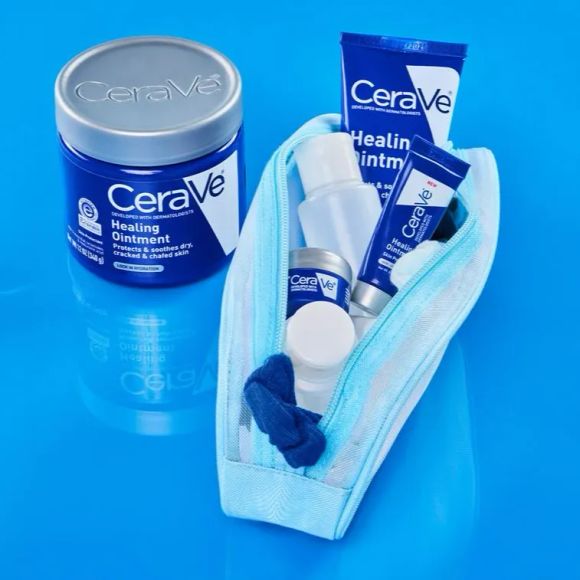
CeraVe


CeraVe is a dermatologist-developed skincare brand renowned for its use of three essential ceramides and patented MultiVesicular Emulsion (MVE) technology. This unique combination helps restore and maintain the skin’s natural barrier, providing long-lasting hydration. CeraVe offers a comprehensive range of products, including cleansers, moisturizers, sunscreens, and treatments for various skin concerns, making it a trusted choice for effective and accessible skincare solutions.
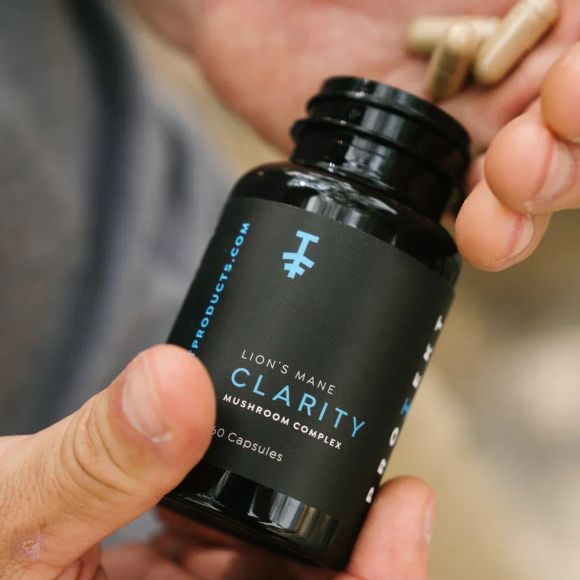
Protekt
Protekt offers a range of natural liquid supplements and highly moisturizing sunscreen products designed to enhance performance, support recovery, and protect the skin. Their supplements include hydration, energy, immunity, and rest formulas, all crafted with clean ingredients for optimal health benefits.
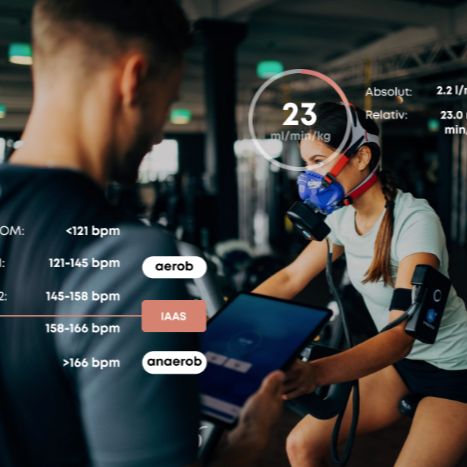
Uvida
Uvida offers a range of eco-friendly sunscreen and skincare products designed to protect your skin while minimizing environmental impact. Their products are made with natural ingredients, free from harmful chemicals, and are packaged sustainably to reduce plastic waste.
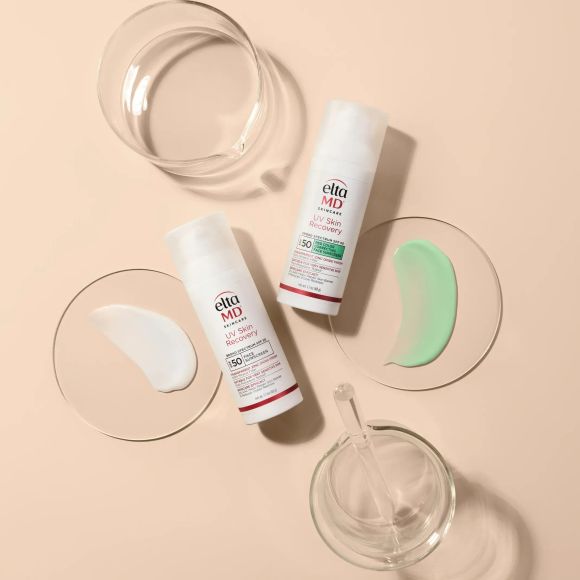
EltaMD
EltaMD is a dermatologist‑trusted skincare brand specializing in high‑quality sunscreens and skin barrier products—formulated for every skin type and elevated with minerals, antioxidants, and healing care.
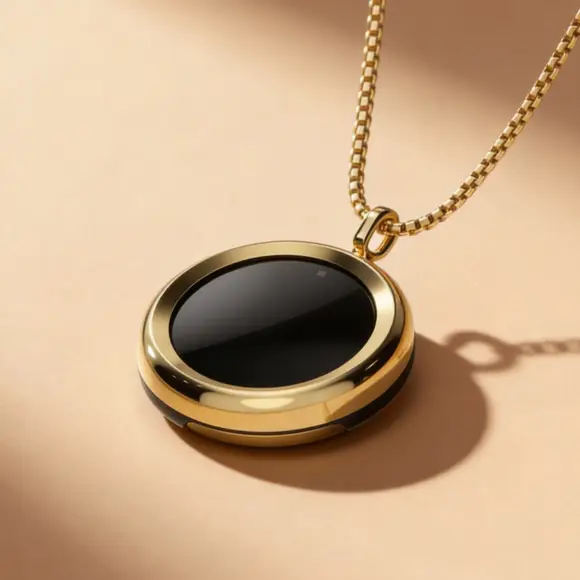
The90
The90 Gem is a jewellery-style wearable UV sensor paired with a companion app, designed to measure personal sun exposure in real time. It tracks both UVA and UVB and provides app-based guidance on reapplying sunscreen, covering up or limiting time in the sun, based on the wearer's skin profile.