Knowledge
Magazine
-
The 24-Hour Sleep Model: Why Better Sleep Starts the Morning Before
8 min read
-

Eating for Longevity: Lessons From the World's Oldest People
9 min read
-

The Summer Health Kit: Supplies and Gadgets for Hot Days and Warm Nights
9 min read
Weekly picks on longevity, brands, and health science. No spam—unsubscribe anytime.
Tools
- →The 30s Longevity Guide for Women
- →Postpartum Recovery Guide
- →Perimenopause Longevity Guide
- →Dopamine Reset Guide
- →Pregnancy Longevity Guide
- →Peptide Guide
- →Home Detox Guide
- →Slow Aging Guide
- →Pro Supplement Guide
- →Safe Supplement Guide
- →Bio Age Calculator
- →Blood Testing Guide
- →Deep Sleep Guide
- →Pro Longevity Dashboard
By Category
By Goal
Knowledge
- →What is Longevity?
- →Improve diet
- →More focus
- →Look younger
- →Lose weight
- →Track biomarkers
- →Improve sleep
- →Build muscle
- →Increase cardio
- →Detect diseases
- →Recover faster
- →Relieve stress
Magazine
-
The 24-Hour Sleep Model: Why Better Sleep Starts the Morning Before
8 min read
-
Eating for Longevity: Lessons From the World's Oldest People
9 min read
-
The Summer Health Kit: Supplies and Gadgets for Hot Days and Warm Nights
9 min read
Weekly picks on longevity, brands, and health science. No spam—unsubscribe anytime.
Brands
- →Apps
- →At Home Tests & Kits
- →Events
- →Experts & Clinics
- →Foods & Beverages
- →Gadgets & Equipment
- →Gyms & Workouts
- →Supplements
- →Travel & Retreats
- →Wearables & Trackers
Tools
- →The 30s Longevity Guide for Women
- →Postpartum Recovery Guide
- →Perimenopause Longevity Guide
- →Dopamine Reset Guide
- →Pregnancy Longevity Guide
- →Peptide Guide
- →Home Detox Guide
- →Slow Aging Guide
- →Pro Supplement Guide
- →Safe Supplement Guide
- →Bio Age Calculator
- →Blood Testing Guide
- →Deep Sleep Guide
- →Pro Longevity Dashboard

Discover
Connect
Longevity Knowledge BETA
Circadian Rhythm
Table of Contents
Your body runs on a 24-hour clock
Every cell in your body contains a molecular clock. Genes called CLOCK, BMAL1, PER, and CRY form transcription-translation feedback loops that oscillate roughly once every 24 hours. These peripheral clocks are coordinated by the suprachiasmatic nucleus (SCN), a cluster of about 20,000 neurons in the hypothalamus that acts as the master pacemaker. The SCN receives light input from retinal ganglion cells containing melanopsin, a photopigment most sensitive to blue wavelengths around 480 nm. This is why light exposure is the strongest zeitgeber (time-giver) for setting your circadian system.
Why circadian rhythm matters for aging and longevity
Circadian disruption accelerates biological aging. Mice lacking the BMAL1 gene age prematurely and die young, while mice whose internal clocks run close to exactly 24 hours live about 20% longer than those with drifting clocks [1]. In humans, chronic circadian misalignment from shift work, irregular sleep, or constant artificial light at night raises the risk of metabolic syndrome, type 2 diabetes, cardiovascular disease, and certain cancers. The International Agency for Research on Cancer classified night shift work involving circadian disruption as probably carcinogenic (Group 2A) [6]. On the flip side, restoring circadian amplitude through light, feeding schedules, and exercise can slow or even partially reverse age-related circadian decline [2].
Light as the primary zeitgeber
Morning light exposure is the single most effective tool for circadian health. Bright light (ideally sunlight at 10,000+ lux) within the first 30 to 60 minutes of waking triggers a cortisol pulse that promotes alertness and starts a countdown to melatonin release about 14 to 16 hours later. Even 5 to 10 minutes of outdoor light on overcast days provides enough lux to synchronize the SCN. In the evening, blue-enriched light from screens suppresses melatonin production by up to 50% and pushes the circadian phase later, directly impairing sleep onset and quality [7].
Meal timing and peripheral clocks
The SCN responds to light, but peripheral clocks in the liver, gut, pancreas, and muscle are powerfully set by food intake. Time-restricted eating (TRE), consuming all calories within an 8 to 12 hour window aligned with daylight, improves insulin sensitivity and reduces inflammation even without caloric restriction [4]. Late-night eating desynchronizes peripheral clocks from the SCN, creating internal circadian misalignment linked to metabolic dysfunction and weight gain.
The gut microbiome connection
Gut bacteria have their own daily rhythms. The composition and metabolic output of the microbiome shifts across the 24-hour cycle, and these microbial oscillations feed back into the host circadian system via short-chain fatty acids, bile acids, and tryptophan metabolites. Disrupted circadian rhythms alter the gut microbiome, and a disturbed microbiome in turn weakens circadian signaling, creating a vicious cycle linked to inflammation, mood disorders, and metabolic disease [8].
Temperature, exercise, and social cues
Core body temperature peaks in the late afternoon and drops to its lowest point in the early morning hours. You can reinforce circadian alignment with deliberate temperature manipulation: cold exposure in the morning accelerates the cortisol awakening response, while a warm bath in the evening triggers the subsequent cooling that promotes sleep onset. Exercise is another strong zeitgeber. Morning or early afternoon workouts strengthen circadian amplitude, while intense evening exercise can delay the circadian phase. Consistent meal times, work schedules, and social routines provide additional time cues that reinforce the clock.
Practical circadian optimization
- Get 10 to 30 minutes of bright outdoor light within the first hour of waking, without sunglasses
- Dim indoor lighting after sunset and switch to amber or red lighting to protect melatonin production
- Keep sleep and wake times within a 30-minute window every day, including weekends
- Finish your last meal at least 3 hours before bedtime
- Keep your bedroom between 15 and 19 degrees Celsius
- Avoid intense exercise within 3 hours of bedtime
References
- 1. Importance of circadian timing for aging and longevity (Manoogian et al., 2021, Nature Communications)
- 2. Circadian system and aging: where both times interact (Frontiers in Aging, 2025)
- 3. The 2017 Nobel Prize in Physiology or Medicine: Discoveries of Molecular Mechanisms Controlling the Circadian Rhythm
- 4. Time-Restricted Eating for the Prevention and Management of Metabolic Diseases (Panda et al., 2022)
- 5. Disturbance of the Circadian System in Shift Work and Its Health Impact (Boivin et al., 2022)
- 6. IARC Monographs Volume 124: Night Shift Work classified as probably carcinogenic to humans (Group 2A)
- 7. Morning Bright Light Improves Nocturnal Sleep and Next Morning Alertness (Youngstedt et al., 2022)
- 8. Gut microbiota, circadian rhythms and their interactions: implications for depression (Annals of Medicine, 2025)
- 9. Circadian Rhythm: Biological Functions, Diseases, and Therapeutic Targets (PMC, 2025)
- 10. Emerging Insight Into the Role of Circadian Clock Gene BMAL1 in Cellular Senescence (PMC, 2022)
Cool your bedroom for deeper sleep
Align meals with daylight hours
Exercise in the morning or early afternoon
Avoid social jet lag on weekends
Use amber lighting after sunset
Your circadian clock affects how fast you age
Feed your gut on schedule
Get morning sunlight within 30 minutes of waking
Dim lights 1-2 hours before bed
Keep your wake time within a 30-minute window
Finish eating 3 hours before bed
Morning light exposure
Blue light timing matters
Keep a consistent wake time
Why did the 2017 Nobel Prize in Medicine focus on circadian rhythms?
How does meal timing affect the circadian clock?
Can you reset your circadian rhythm and how long does it take?
Does circadian rhythm affect aging and lifespan?
How are circadian rhythms connected to the gut microbiome?
Is night shift work bad for your health?
What is social jet lag?
What is the suprachiasmatic nucleus and why is it important?
What happens when your circadian rhythm is disrupted?
How does blue light affect sleep?

Essentials: Sleep Toolkit for Optimizing Sleep & Sleep-Wake Timing
Eating for Better Sleep & Foods that Improve Metabolic Health | Dr. Marie-Pierre St-Onge

Most Replayed Moment: The Link Between Weight Gain and Sleep! Are Sleep Trackers Harmful Or Helpful?
Human Sleep Expert: Don't Pee In The Middle Of The Night & Why Night Time Sex Isn't A Good Idea!
Essentials: How Your Brain Functions & Interprets the World | Dr. David Berson
Essentials: Timing Light for Better Sleep, Energy & Mood | Dr. Samer Hattar
No discussions yet
Be the first to start a discussion about Circadian Rhythm.
Related Articles


Community Discussions
Related Brands
Blockblue Light

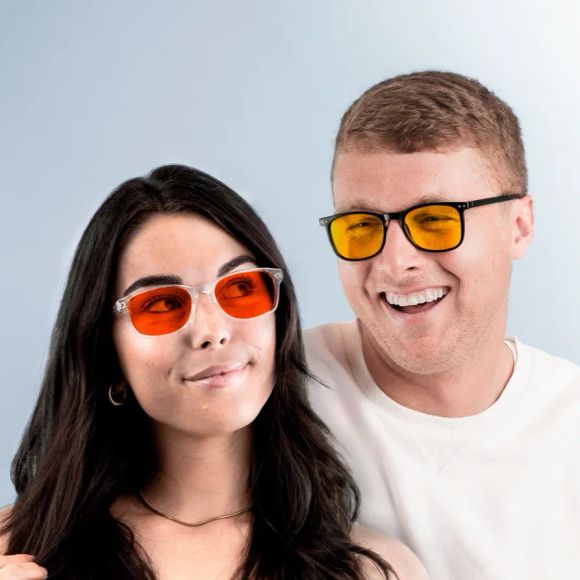
BlockBlueLight, founded in 2016 by Daniel Ebbett, specializes in products designed to mitigate blue light exposure, including blue light blocking glasses and low blue lighting solutions, aiming to enhance sleep quality and overall well-being
EMR-TEK
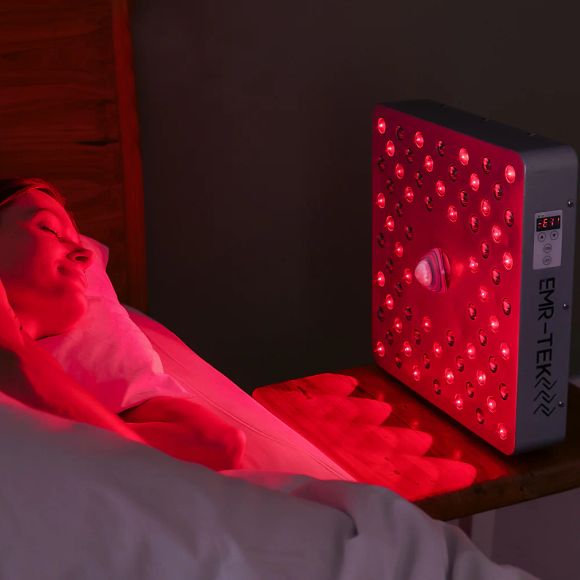
EMR-TEK is a wellness technology company specializing in red and near-infrared light therapy devices. Their product line includes portable panels, full-body systems, and accessories designed to support recovery, energy, and overall well-being. EMR-TEK also offers blue light blocking glasses and skincare products to complement their light therapy solutions.
f.lux

f.lux is a free cross‑platform app that adjusts your screen’s color temperature to reduce blue light at night—helping protect sleep, reduce eye strain, and support circadian health.
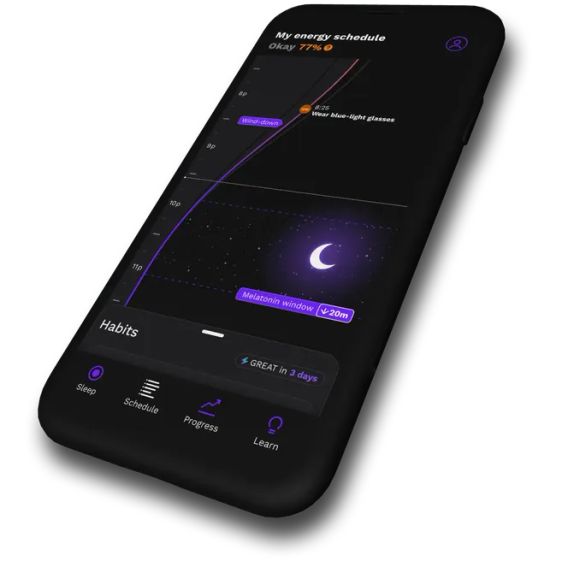
Rise Science

Rise Science provides a sleep debt and energy tracking application to help individuals improve their sleep and daily energy levels.
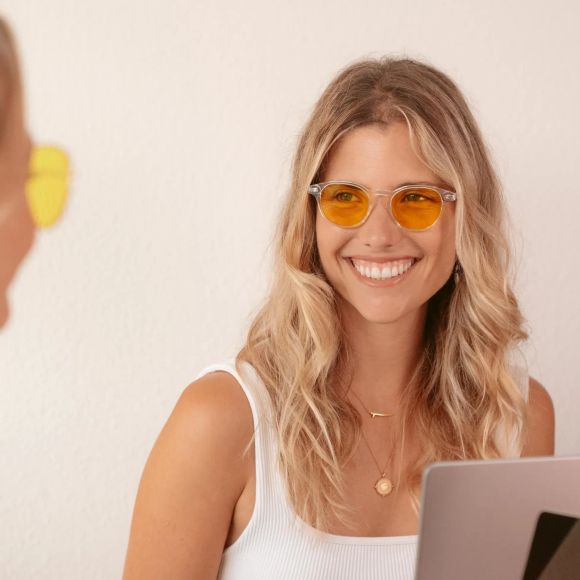
Ra Optics
Ra Optics provides premium blue light blocking glasses designed to protect your eyes from harmful blue light emitted by screens and artificial lighting. Their glasses help improve sleep, boost energy levels, and promote overall well-being by supporting natural circadian rhythms.
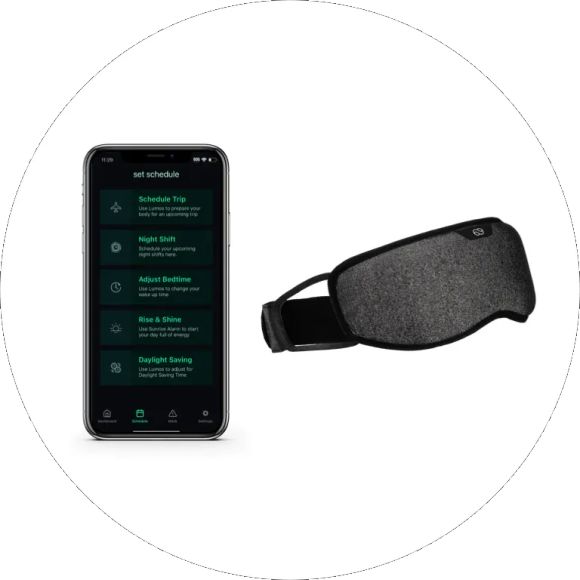
Lumos
Lumos offers a Smart Sleep Mask that uses light therapy to regulate circadian rhythms, helping users fall asleep faster, stay asleep, and wake up feeling refreshed. The mask is designed to optimize sleep patterns for better overall well-being.
Reputable Health
Reputable Health is an innovative research platform that streamlines the validation of health and wellness product claims by leveraging wearable technology and real-time data analytics. Their approach captures over 20,000 daily data points per participant, providing brands with transparent, accurate, and actionable insights to substantiate product efficacy.
Ambient
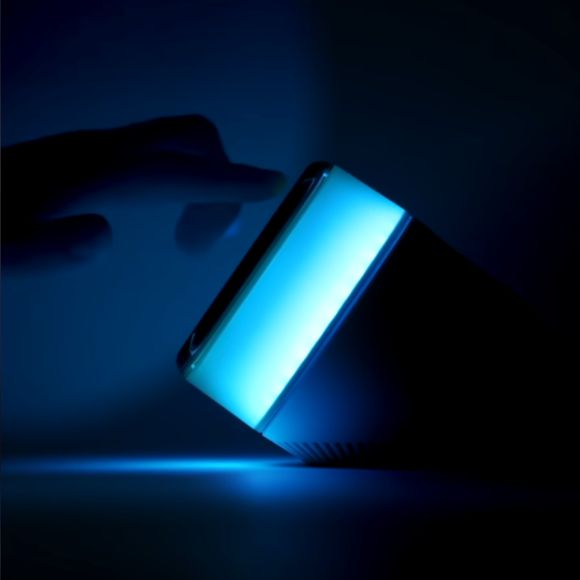
Ambient introduces Dreamie, a distraction‑free bedside sleep device that eliminates screen dependence. It offers smart lighting, soundscapes, and sleep insights—all without apps or wearables—for improved rest and routine support.