Knowledge
Magazine
-

The 24-Hour Sleep Model: Why Better Sleep Starts the Morning Before
8 min read
-

Eating for Longevity: Lessons From the World's Oldest People
9 min read
-

The Summer Health Kit: Supplies and Gadgets for Hot Days and Warm Nights
9 min read
Weekly picks on longevity, brands, and health science. No spam—unsubscribe anytime.
Tools
- →The 30s Longevity Guide for Women
- →Postpartum Recovery Guide
- →Perimenopause Longevity Guide
- →Dopamine Reset Guide
- →Pregnancy Longevity Guide
- →Peptide Guide
- →Home Detox Guide
- →Slow Aging Guide
- →Pro Supplement Guide
- →Safe Supplement Guide
- →Bio Age Calculator
- →Blood Testing Guide
- →Deep Sleep Guide
- →Pro Longevity Dashboard
By Category
By Goal
Knowledge
- →What is Longevity?
- →Improve diet
- →More focus
- →Look younger
- →Lose weight
- →Track biomarkers
- →Improve sleep
- →Build muscle
- →Increase cardio
- →Detect diseases
- →Recover faster
- →Relieve stress
Magazine
-
The 24-Hour Sleep Model: Why Better Sleep Starts the Morning Before
8 min read
-
Eating for Longevity: Lessons From the World's Oldest People
9 min read
-
The Summer Health Kit: Supplies and Gadgets for Hot Days and Warm Nights
9 min read
Weekly picks on longevity, brands, and health science. No spam—unsubscribe anytime.
Brands
- →Apps
- →At Home Tests & Kits
- →Events
- →Experts & Clinics
- →Foods & Beverages
- →Gadgets & Equipment
- →Gyms & Workouts
- →Supplements
- →Travel & Retreats
- →Wearables & Trackers
Tools
- →The 30s Longevity Guide for Women
- →Postpartum Recovery Guide
- →Perimenopause Longevity Guide
- →Dopamine Reset Guide
- →Pregnancy Longevity Guide
- →Peptide Guide
- →Home Detox Guide
- →Slow Aging Guide
- →Pro Supplement Guide
- →Safe Supplement Guide
- →Bio Age Calculator
- →Blood Testing Guide
- →Deep Sleep Guide
- →Pro Longevity Dashboard

Discover
Connect
Longevity Knowledge BETA
Preventive Health
Table of Contents
What is preventive health?
Preventive health means taking action to avoid disease before it starts rather than treating illness after symptoms appear. The World Health Organization reports that noncommunicable diseases like cardiovascular conditions, cancers, and diabetes account for 75% of all deaths globally, yet many of these conditions can be prevented or delayed through lifestyle changes and early detection [1].
Three levels of prevention
Primary prevention keeps healthy people from getting sick in the first place. This includes regular exercise, balanced nutrition, adequate sleep, stress management, and avoiding tobacco. The Centers for Disease Control and Prevention identifies four key risk factors for chronic disease: tobacco use, poor nutrition, physical inactivity, and excessive alcohol consumption [2]. Addressing these factors simultaneously reduces risk across multiple conditions.
Secondary prevention catches disease early when treatment works best. Systematic reviews show that evidence-based screening programs significantly improve outcomes for conditions where early detection matters. Breast cancer screening through mammography, colorectal screening beginning at age 45, and cardiovascular risk assessments all fall into this category [3].
Tertiary prevention manages existing conditions to stop them from getting worse. This includes medication adherence, rehabilitation programs, and ongoing monitoring to prevent complications.
Evidence-based screening recommendations
A 2024 systematic review from JAMA found that screening mammography reduces breast cancer mortality, with updated guidelines recommending women begin screening at age 40 [4]. For prostate cancer, PSA testing shows a small reduction in disease-specific mortality but requires careful discussion of potential harms including overdiagnosis and treatment complications [5].
The most effective approach combines multiple screening modalities based on age, family history, and individual risk factors. Risk stratification tools help identify who benefits most from intensive screening versus routine care.
Lifestyle as medicine
Physical activity recommendations from major health organizations call for at least 150 minutes of moderate exercise weekly plus strength training twice weekly. Dietary patterns emphasizing vegetables, fruits, whole grains, and lean proteins while limiting processed foods and added sugars reduce metabolic risk factors including blood pressure, cholesterol, and blood sugar.
Sleep quality matters too. Adults need 7-9 hours nightly, and insufficient sleep links to obesity, diabetes, cardiovascular disease, and depression [2].
References
- 1. WHO Fact Sheet: Noncommunicable Diseases
- 2. CDC: Preventing Chronic Diseases - What You Can Do Now
- 3. Colorectal cancer screening guidelines for average-risk and high-risk individuals: A systematic review
- 4. Screening for Breast Cancer: US Preventive Services Task Force Recommendation Statement
- 5. Prostate cancer screening with PSA test: a systematic review and meta-analysis
Move for prevention
Track your numbers
Prioritize sleep
Annual checkup checklist
Know your screening ages
How often should I get a physical exam?
Which lifestyle changes have the biggest impact on prevention?
What health screenings do I need by age?
What is the difference between conventional and functional medicine?

#396 ‒ Breast cancer screening: understanding risk, deciding when to start and how often to screen, and choosing the right imaging strategy
#391 ‒ Colorectal cancer screening: importance of early screening, colonoscopy as a screening and preventive tool, and how to build a personalized strategy
#388 — Prostate cancer screening: why current PSA guidelines are failing men and how modern tools improve early detection and save lives

Anti-Aging Expert: Stop Touching Receipts Immediately! The Fast Way To Shrink Visceral Fat

Using Existing Drugs in New Ways to Treat & Cure Diseases of Brain & Body | Dr. David Fajgenbaum
No discussions yet
Be the first to start a discussion about Preventive Health.
Related Articles

The Brain Health Habits That Matter Most in Your 30s and 40s
8 min read
Glycans: The Next Frontier in Preventive Medicine
6 min read
Mental Health in the Workplace: Recognizing Warning Signs, Taking Action, and Building Sustainable Wellbeing
9 min read
Martin Brüggemann – Built to Last: Founder Stories #1
7 min readCommunity Discussions
Related Brands

Ahead Health

Ahead Health is a Zurich-headquartered preventive health platform that combines full-body MRI scans, deep blood panels, and AI-driven analysis to detect 500+ potential health risks—empowering longevity seekers to take a proactive path toward lifelong wellness.
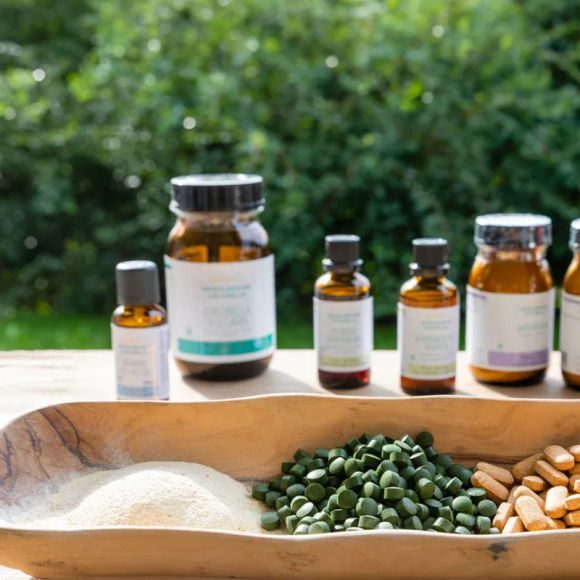
INVITA® Naturprodukte

INVITA® Naturprodukte offers a wide range of natural and organic products, including supplements, essential oils, and wellness products. Their offerings are designed to support overall health and well-being, with a focus on purity and effectiveness.

Prenuvo

Prenuvo is a healthcare company specializing in advanced whole-body MRI scans designed to detect early-stage cancers and other serious conditions before symptoms appear.
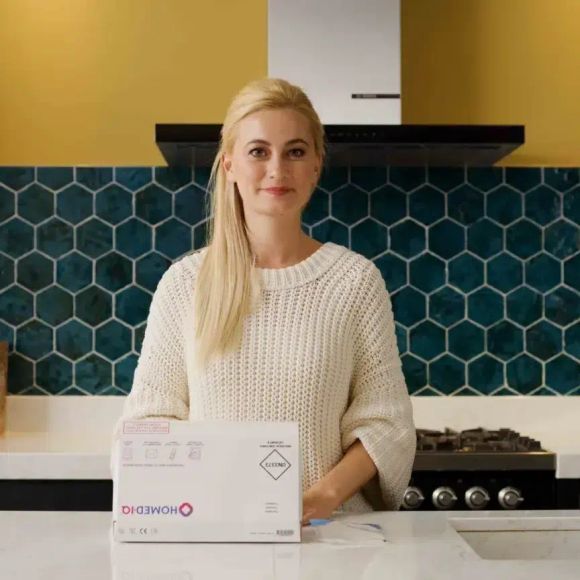
Homed-IQ
Homed-IQ offers a wide range of at-home health tests, including STI, general health, preventive health, sport, wellness, vitamin, mineral, and allergy tests.
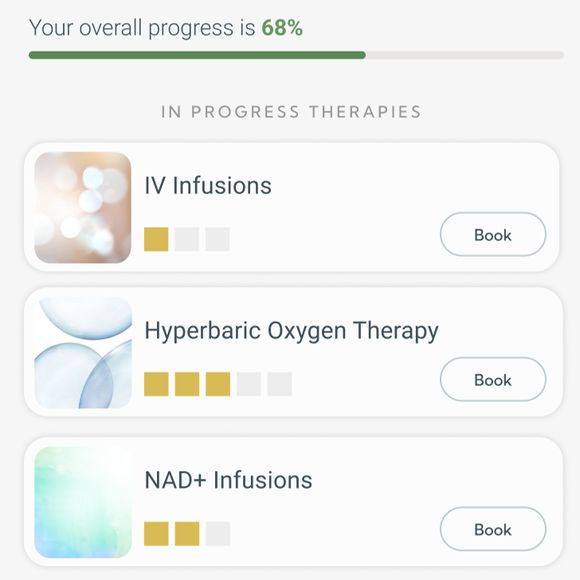
Aera Health
Aera Health offers a holistic platform designed to revolutionize personalized and preventive healthcare. Their services include a comprehensive health operating system that integrates holistic healthcare practices, longevity science, mental health treatments, and expert nutrition coaching, all guided by internationally recognized medical experts.
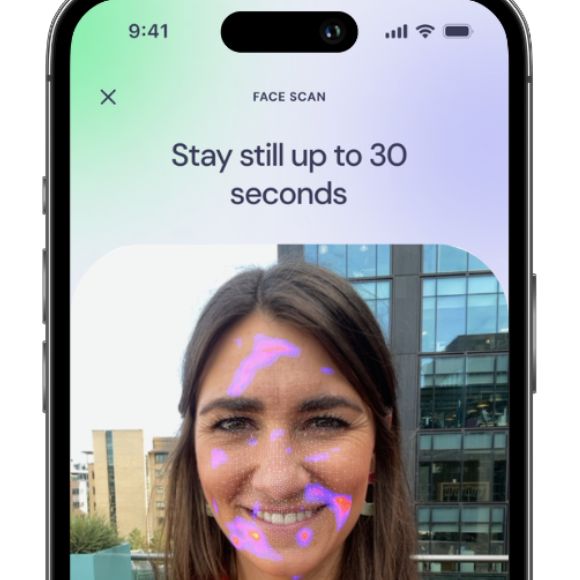
YOUTH HealthTech
YOUTH HealthTech is an innovative company focused on transforming preventive health through smartphone technology, offering a quick and comprehensive health check-up via their app.

Bionic Health
Bionic Health is a personalized wellness platform offering proactive healthcare solutions based on a comprehensive analysis of over 220 biomarkers. Their services include personalized plans designed to optimize healthspan, reduce disease risk, and improve overall well-being.
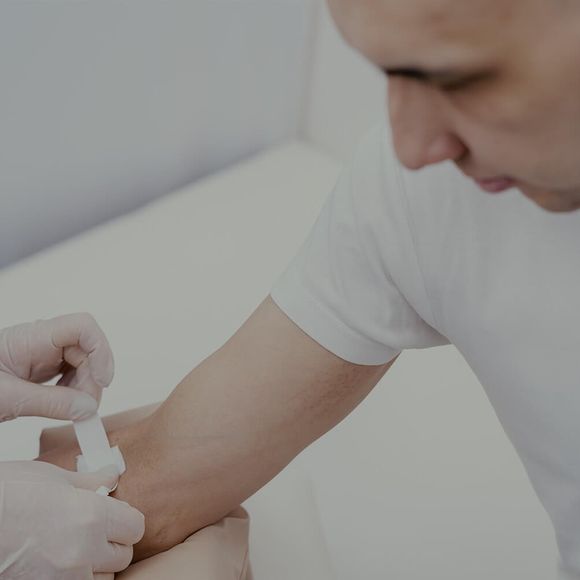
TruCheck - Cancer Screening
The London General Practice offers premier private healthcare services, specializing in personalized care, preventive health screenings, and 24/7 medical support to help clients achieve optimal well-being and longevity.
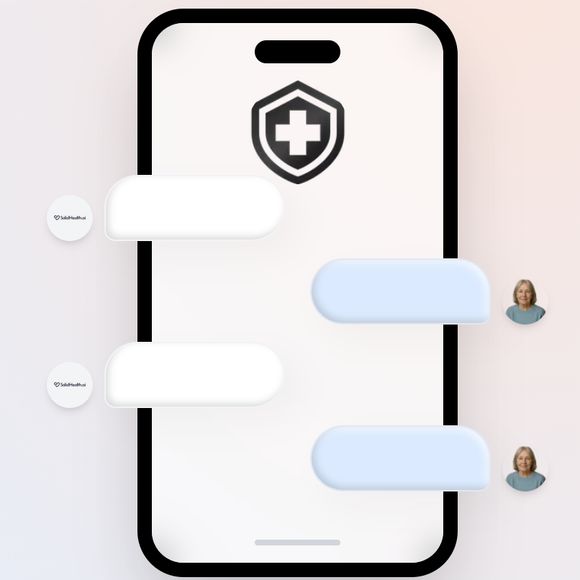
SolidHealth.AI
SolidHealth.ai is your AI health companion, integrating data from wearables, labs, and medical records to provide personalized preventive care, early alerts, and specialist matching—so you can prioritize well‑being without surprises.