Knowledge
Magazine
-

The 24-Hour Sleep Model: Why Better Sleep Starts the Morning Before
8 min read
-

Eating for Longevity: Lessons From the World's Oldest People
9 min read
-

The Summer Health Kit: Supplies and Gadgets for Hot Days and Warm Nights
9 min read
Weekly picks on longevity, brands, and health science. No spam—unsubscribe anytime.
Tools
- →The 30s Longevity Guide for Women
- →Postpartum Recovery Guide
- →Perimenopause Longevity Guide
- →Dopamine Reset Guide
- →Pregnancy Longevity Guide
- →Peptide Guide
- →Home Detox Guide
- →Slow Aging Guide
- →Pro Supplement Guide
- →Safe Supplement Guide
- →Bio Age Calculator
- →Blood Testing Guide
- →Deep Sleep Guide
- →Pro Longevity Dashboard
By Category
By Goal
Knowledge
- →What is Longevity?
- →Improve diet
- →More focus
- →Look younger
- →Lose weight
- →Track biomarkers
- →Improve sleep
- →Build muscle
- →Increase cardio
- →Detect diseases
- →Recover faster
- →Relieve stress
Magazine
-
The 24-Hour Sleep Model: Why Better Sleep Starts the Morning Before
8 min read
-
Eating for Longevity: Lessons From the World's Oldest People
9 min read
-
The Summer Health Kit: Supplies and Gadgets for Hot Days and Warm Nights
9 min read
Weekly picks on longevity, brands, and health science. No spam—unsubscribe anytime.
Brands
- →Apps
- →At Home Tests & Kits
- →Events
- →Experts & Clinics
- →Foods & Beverages
- →Gadgets & Equipment
- →Gyms & Workouts
- →Supplements
- →Travel & Retreats
- →Wearables & Trackers
Tools
- →The 30s Longevity Guide for Women
- →Postpartum Recovery Guide
- →Perimenopause Longevity Guide
- →Dopamine Reset Guide
- →Pregnancy Longevity Guide
- →Peptide Guide
- →Home Detox Guide
- →Slow Aging Guide
- →Pro Supplement Guide
- →Safe Supplement Guide
- →Bio Age Calculator
- →Blood Testing Guide
- →Deep Sleep Guide
- →Pro Longevity Dashboard

Discover
Connect
Longevity Knowledge BETA
Health Checkup
Table of Contents
Why Regular Health Checkups Matter
Health checkups are preventive examinations that detect diseases early, often before symptoms appear. The World Health Organization reports that noncommunicable diseases cause 74% of global deaths, yet many are preventable through early detection [1]. Regular screening identifies risk factors like elevated blood pressure, abnormal cholesterol, and prediabetes while they are still reversible.
What a Comprehensive Checkup Includes
Blood Work and Biomarkers
Modern health checkups go far beyond basic panels. A thorough assessment includes complete blood count, comprehensive metabolic panel, lipid profile with particle size analysis, inflammatory markers like CRP and homocysteine, thyroid function tests, vitamin D levels, and HbA1c for glucose metabolism. These biomarkers reveal subclinical conditions that standard exams might miss.
Physical Assessment
Beyond blood tests, comprehensive exams evaluate cardiovascular health through blood pressure monitoring and ECG, body composition analysis, and functional movement screening. Fitness assessments measuring VO2 max and strength baselines establish trajectories that help track physical decline over time.
Age-Appropriate Cancer Screening
Cancer screenings should match your age and risk profile. This includes colonoscopy for colorectal cancer, mammography for breast cancer, low-dose CT for lung cancer in high-risk individuals, and skin examinations for melanoma. Early detection significantly improves survival rates across all cancer types.
How Often Should You Get Checked?
Screening frequency depends on age, family history, and existing conditions. Adults under 40 with no risk factors may need checkups every 2-3 years, while those over 50 or with chronic conditions benefit from annual comprehensive evaluations. The CDC emphasizes that preventive care reduces healthcare costs and improves quality of life [2].
Beyond the Basics: Advanced Screening
For those pursuing longevity optimization, advanced checkups include coronary artery calcium scoring, carotid intima-media thickness testing, advanced lipid panels measuring apoB and Lp(a), and genetic screening for hereditary conditions. These provide deeper insights into cardiovascular risk and enable truly personalized prevention strategies.
References
Request your actual numbers
Fast 12 hours before blood work
Schedule age-appropriate screenings
Consider genetic screening if family history is concerning
Bring a complete medication and supplement list
Annual checkup checklist
Are annual physical exams really necessary if I feel healthy?
What is the difference between a basic checkup and a longevity-focused screening?
How often should healthy adults get a comprehensive health checkup?
What blood tests should be included in a thorough health screening?
No discussions yet
Be the first to start a discussion about Health Checkup.
Related Articles

Blood Tests Are Just One Piece of the Puzzle to Understand Your Health
6 min read
When the Doctor Becomes the Patient — A personal story about circulating tumor cells, radical cancer screening and learning to live with uncertainty.
13 min read
Personalized longevity: how YEARS is shaping the future of preventive medicine
7 min readRelated Brands
Aeon

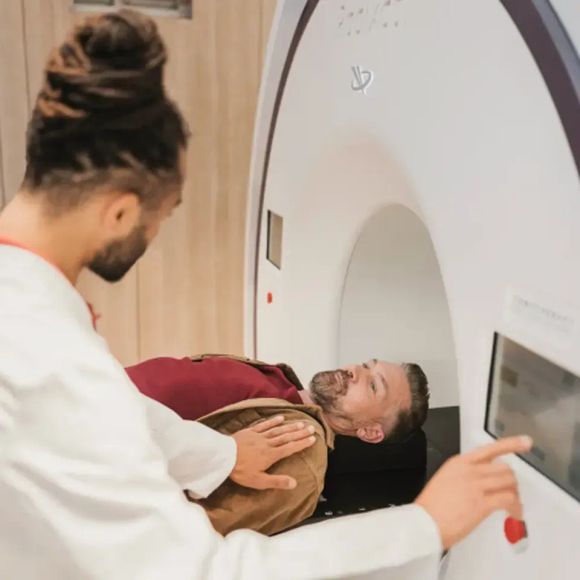
Aeon offers comprehensive health checks with a 60-minute full-body MRI and blood analysis for early detection.
Medivere
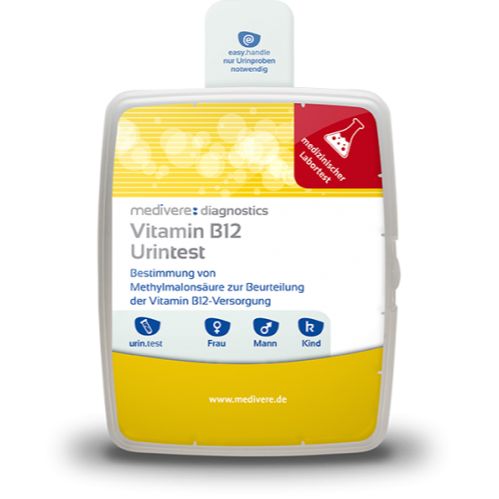
Medivere offers advanced diagnostic tests and health services, providing consumers with access to modern lab diagnostics from the comfort of their homes. Their product range includes various health checks and lab tests that cover aspects like gut health, hormone balance, and environmental toxins.

Ikare
Ikare offers a comprehensive longevity program that combines preventive medicine, genetic analysis, and personalized coaching to help individuals live longer and healthier lives. Their services include health check-ups, epigenetic insights, and tailored action plans designed to optimize health and increase lifespan.
Mein Direktlabor

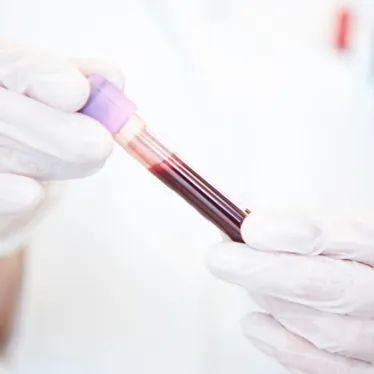
Mein Direktlabor offers a wide range of modern diagnostic lab tests directly to consumers. Their services include general health check-ups, nutrient deficiency tests, and HIV tests, with the option for anonymous testing and same-day results.
Mesana
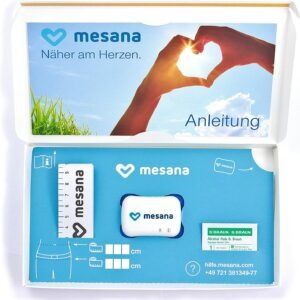
mesana offers a comprehensive 48-hour health check-up that allows individuals to monitor key health parameters from the comfort of their homes, providing personalized insights and recommendations to enhance well-being.

Care
Care offers advanced health checks and comprehensive body assessments in Switzerland.
Preventicum
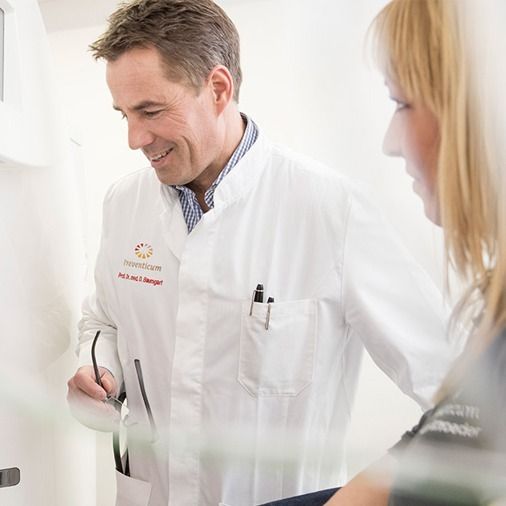
Preventicum is a specialized medical center offering interdisciplinary clinical services in internal medicine, cardiology, gastroenterology, and radiology.
Forth With Life
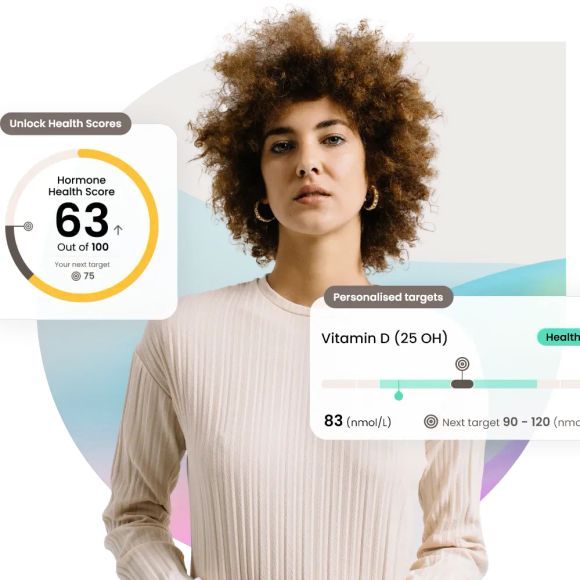
Forth With Life offers home blood tests and health checks designed to help individuals monitor and improve their health. The platform provides a range of tests covering areas such as hormone health, fertility, general wellness, nutrition, and more, all from the convenience of home.

Curitt
Curitt offers comprehensive health checkups and diagnostic services, including blood tests, genetic testing, and full-body health assessments. Their personalized approach provides detailed health reports and recommendations to help individuals optimize their well-being and prevent diseases.

European Prevention Center (EPC)
The European Prevention Center (EPC) offers comprehensive health check-ups and preventive medical services, including personalized screening programs designed to detect early signs of diseases. EPC focuses on providing high-quality, individualized preventive care to promote long-term health and well-being.