Knowledge
Magazine
-

The 24-Hour Sleep Model: Why Better Sleep Starts the Morning Before
8 min read
-

Eating for Longevity: Lessons From the World's Oldest People
9 min read
-

The Summer Health Kit: Supplies and Gadgets for Hot Days and Warm Nights
9 min read
Weekly picks on longevity, brands, and health science. No spam—unsubscribe anytime.
Tools
- →The 30s Longevity Guide for Women
- →Postpartum Recovery Guide
- →Perimenopause Longevity Guide
- →Dopamine Reset Guide
- →Pregnancy Longevity Guide
- →Peptide Guide
- →Home Detox Guide
- →Slow Aging Guide
- →Pro Supplement Guide
- →Safe Supplement Guide
- →Bio Age Calculator
- →Blood Testing Guide
- →Deep Sleep Guide
- →Pro Longevity Dashboard
By Category
By Goal
Knowledge
- →What is Longevity?
- →Improve diet
- →More focus
- →Look younger
- →Lose weight
- →Track biomarkers
- →Improve sleep
- →Build muscle
- →Increase cardio
- →Detect diseases
- →Recover faster
- →Relieve stress
Magazine
-
The 24-Hour Sleep Model: Why Better Sleep Starts the Morning Before
8 min read
-
Eating for Longevity: Lessons From the World's Oldest People
9 min read
-
The Summer Health Kit: Supplies and Gadgets for Hot Days and Warm Nights
9 min read
Weekly picks on longevity, brands, and health science. No spam—unsubscribe anytime.
Brands
- →Apps
- →At Home Tests & Kits
- →Events
- →Experts & Clinics
- →Foods & Beverages
- →Gadgets & Equipment
- →Gyms & Workouts
- →Supplements
- →Travel & Retreats
- →Wearables & Trackers
Tools
- →The 30s Longevity Guide for Women
- →Postpartum Recovery Guide
- →Perimenopause Longevity Guide
- →Dopamine Reset Guide
- →Pregnancy Longevity Guide
- →Peptide Guide
- →Home Detox Guide
- →Slow Aging Guide
- →Pro Supplement Guide
- →Safe Supplement Guide
- →Bio Age Calculator
- →Blood Testing Guide
- →Deep Sleep Guide
- →Pro Longevity Dashboard

Discover
Connect
Longevity Knowledge BETA
Habits
Table of Contents
The science of habit formation
Habits are the invisible architecture of daily life. Research suggests that about 43% of daily behaviors are performed automatically, requiring minimal conscious effort [5]. This automaticity is governed by the basal ganglia, a primitive brain region that encodes repeated behaviors into neural pathways. When you understand how habits form, you can design your environment and routines to make positive behaviors automatic rather than willpower-dependent.
The habit loop: cue, routine, reward
Every habit follows a three-part loop [1]. The cue triggers your brain to initiate a behavior: it could be a time of day, an emotional state, or a preceding action. The routine is the behavior itself, whether that's going for a run, eating a snack, or checking your phone. The reward is what reinforces the loop, teaching your brain to repeat the behavior when the same cue appears.
Habits never truly disappear: they can only be replaced. To change a habit, keep the same cue and reward, but insert a new routine. Want to stop checking social media first thing in the morning? Identify your cue (phone in hand, just woke up) and reward (mental stimulation), then substitute scrolling with reading a newsletter or doing a quick mobility routine.
Building better systems, not goals
Goals are outcomes; systems are the processes that produce them. Losing 20 pounds is a goal; eating vegetables at every meal and walking 10,000 steps daily is a system. Systems win because they remove decision fatigue and rely on environmental design rather than motivation, which inevitably fluctuates [2].
Implementation intentions
Research by Peter Gollwitzer shows that "if-then" plans dramatically increase follow-through [3]. Instead of "I'll exercise more," say "If it's Monday, Wednesday, or Friday at 6 PM, then I'll go to the gym." This pre-decision removes the negotiation that happens when motivation dips.
Habit stacking
Habit stacking involves attaching a new habit to an existing one [2]. After [CURRENT HABIT], I will [NEW HABIT]. "After I pour my morning coffee, I will meditate for five minutes." The existing habit becomes the cue for the new one, leveraging your brain's already-wired neural pathways. Research shows the average time to form a new habit is 66 days, with a range of 18 to 254 days depending on complexity [4].
References
- 1. The Power of Habit: Why We Do What We Do in Life and Business by Charles Duhigg
- 2. Atomic Habits: An Easy & Proven Way to Build Good Habits by James Clear
- 3. Implementation intentions: Strong effects of simple plans by Peter Gollwitzer (American Psychologist, 1999)
- 4. How are habits formed: Modelling habit formation in the real world by Lally et al. (European Journal of Social Psychology, 2010)
- 5. Out of sight, out of mind: The neurobiology of automaticity and conscious control by Wood & Neal (Current Directions in Psychological Science, 2007)
Stack your habits
Start with 2 minutes
Design your environment
Track your streaks
Find an accountability partner
What's the difference between a habit and a routine?
How do I break a bad habit?
How long does it take to form a new habit?
Why do I keep breaking my habits?
What does a biohacking morning routine look like?

Most Replayed Moment: The Mid-Year Reset - Atomic Habits Author On How To Get Back On Track
Women’s Fitness Expert: What You NEED To Know About Dieting & Exercise | Dr. Stephanie Estima
Most Replayed Moment: Sleep Expert On The Truth About Melatonin And Magnesium

Essentials: Psychedelics & Neurostimulation for Brain Rewiring | Dr. Nolan Williams

Unlocking Performance & Longevity: Insights from Ali Day and Scientific Research
How to Overcome Social Anxiety | Dr. Nick Epley
No discussions yet
Be the first to start a discussion about Habits.
Related Articles


Community Discussions
Related Brands
Epigee

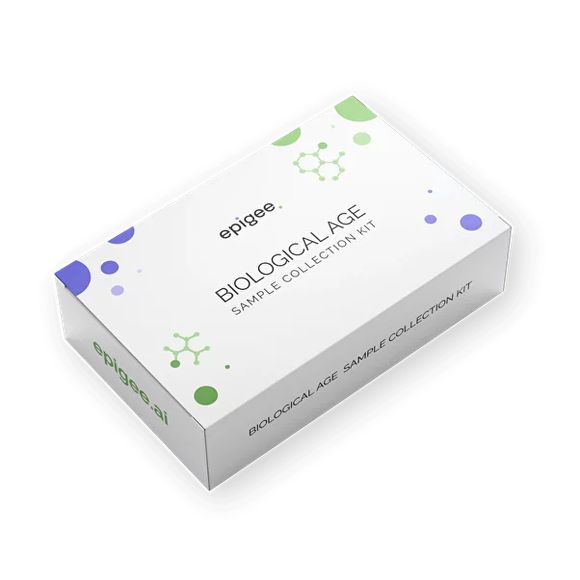
Epigee offers at-home epigenetic testing to determine your biological age, providing personalized reports with recommendations to enhance health and longevity.
ARO
ARO is an AI-driven health concierge offering personalized coaching, blood tests, and insights to optimize well-being and prevent diseases.
Dexcom
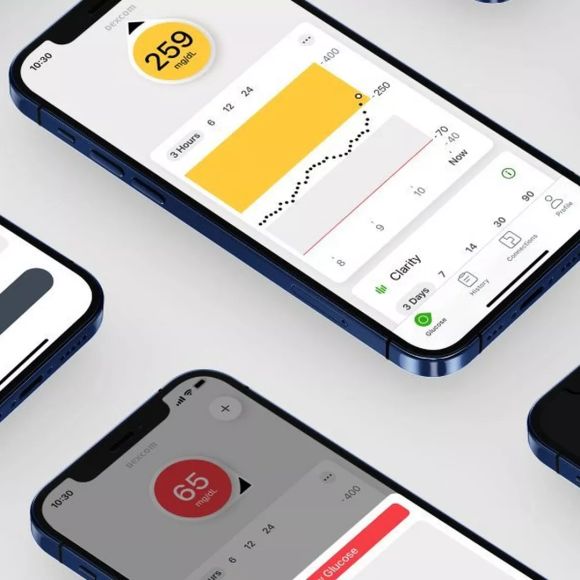
Dexcom is a leader in continuous glucose monitoring (CGM) technology, offering innovative solutions like the Dexcom G7 and the over-the-counter Stelo Glucose Biosensor to help individuals manage their glucose levels effectively.
ANTI
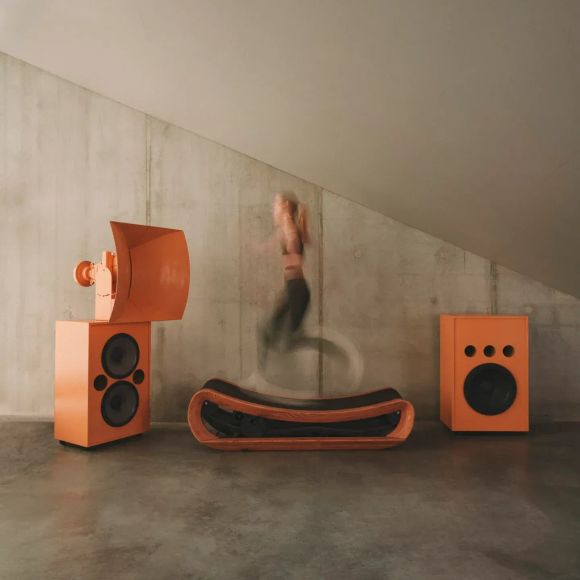
ANTI is a holistic wellness hub in Berlin-Mitte offering a curated blend of longevity-focused treatments—such as hyperbaric oxygen, red light therapy, cryotherapy, sauna, and expert-led classes—to support sustainable health, stress resilience, and performance.
Yuka

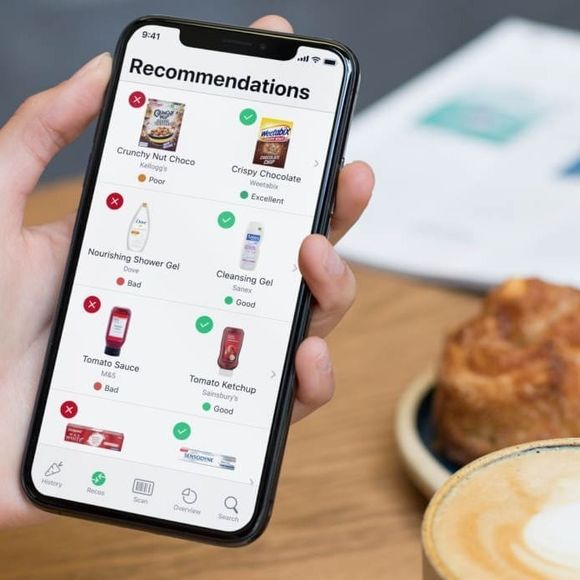
Yuka is a free mobile app that enables users to scan food and cosmetic products to assess their health impacts. The app provides detailed information on product ingredients and suggests healthier alternatives based on independent analysis.

f.lux
f.lux is a free cross‑platform app that adjusts your screen’s color temperature to reduce blue light at night—helping protect sleep, reduce eye strain, and support circadian health.
Waterdrop
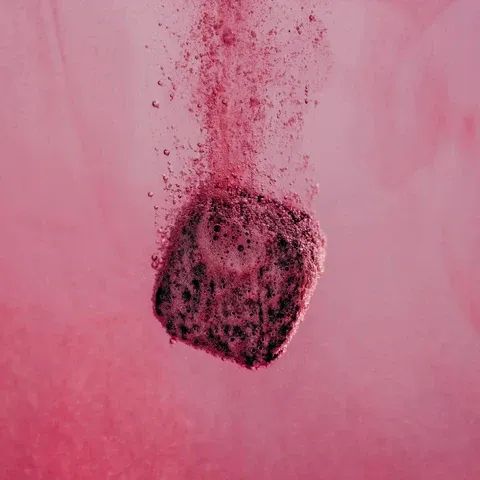
Waterdrop delivers sugar‑free hydration cubes packed with vitamins and plant extracts that turn plain water into a flavorful, nutrient‑rich drink designed to boost your daily hydration habit.
Lifesum
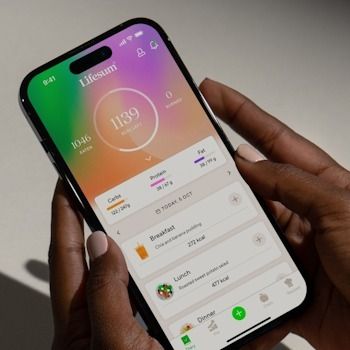
Lifesum is a health and wellness app that simplifies healthy living through personalized nutrition advice and tracking tools. It helps users improve their diet, achieve better sleep, boost energy, and manage weight with tailored meal plans and detailed nutrient breakdowns.
Apple
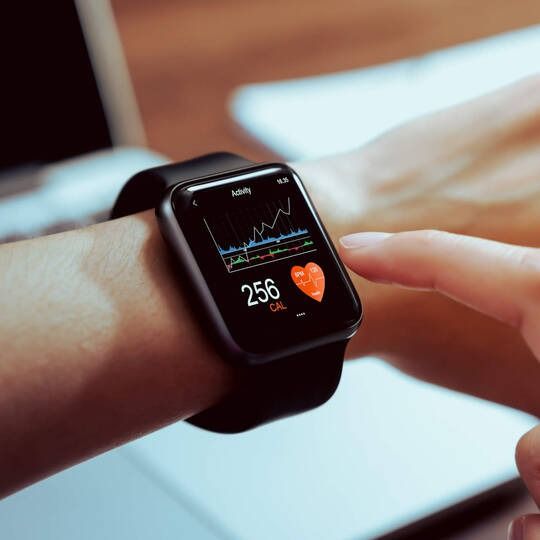
Apple Watch is a line of smartwatches designed by Apple Inc. It offers features like fitness tracking, health monitoring, and seamless integration with other Apple devices. So in addition to its smartwatch benefits, Apple Watch can support healthier habits and empower users to be proactive about their health.
Luminous Labs
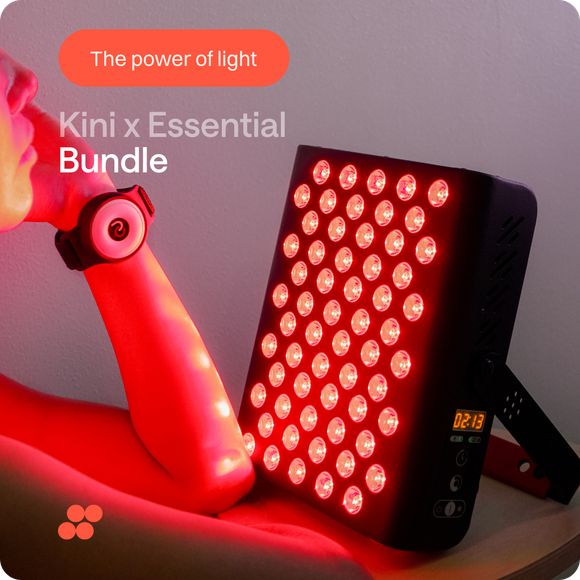
More energy. Better sleep. Healthier skin. Enhanced longevity. It all starts with light. At Luminous Labs, we’ve developed CellLight™ — a powerful blend of red and near-infrared wavelengths that activates your cells, recharges your energy production, and transforms how your body heals, ages, and performs. Our mission? To make the science of light personal, precise, and profoundly effective — for women, for high-performers, for you.