Knowledge
Magazine
-

The 24-Hour Sleep Model: Why Better Sleep Starts the Morning Before
8 min read
-

Eating for Longevity: Lessons From the World's Oldest People
9 min read
-

The Summer Health Kit: Supplies and Gadgets for Hot Days and Warm Nights
9 min read
Weekly picks on longevity, brands, and health science. No spam—unsubscribe anytime.
Tools
- →The 30s Longevity Guide for Women
- →Postpartum Recovery Guide
- →Perimenopause Longevity Guide
- →Dopamine Reset Guide
- →Pregnancy Longevity Guide
- →Peptide Guide
- →Home Detox Guide
- →Slow Aging Guide
- →Pro Supplement Guide
- →Safe Supplement Guide
- →Bio Age Calculator
- →Blood Testing Guide
- →Deep Sleep Guide
- →Pro Longevity Dashboard
By Category
By Goal
Knowledge
- →What is Longevity?
- →Improve diet
- →More focus
- →Look younger
- →Lose weight
- →Track biomarkers
- →Improve sleep
- →Build muscle
- →Increase cardio
- →Detect diseases
- →Recover faster
- →Relieve stress
Magazine
-
The 24-Hour Sleep Model: Why Better Sleep Starts the Morning Before
8 min read
-
Eating for Longevity: Lessons From the World's Oldest People
9 min read
-
The Summer Health Kit: Supplies and Gadgets for Hot Days and Warm Nights
9 min read
Weekly picks on longevity, brands, and health science. No spam—unsubscribe anytime.
Brands
- →Apps
- →At Home Tests & Kits
- →Events
- →Experts & Clinics
- →Foods & Beverages
- →Gadgets & Equipment
- →Gyms & Workouts
- →Supplements
- →Travel & Retreats
- →Wearables & Trackers
Tools
- →The 30s Longevity Guide for Women
- →Postpartum Recovery Guide
- →Perimenopause Longevity Guide
- →Dopamine Reset Guide
- →Pregnancy Longevity Guide
- →Peptide Guide
- →Home Detox Guide
- →Slow Aging Guide
- →Pro Supplement Guide
- →Safe Supplement Guide
- →Bio Age Calculator
- →Blood Testing Guide
- →Deep Sleep Guide
- →Pro Longevity Dashboard

Discover
Connect
Longevity Knowledge BETA
Heart
Table of Contents
Why heart health determines how long you live
Heart disease is the leading cause of death worldwide, killing roughly 17.9 million people each year. But here's what matters for anyone thinking about longevity: cardiovascular disease is largely preventable. A 2024 study in the New England Journal of Medicine followed over 600,000 people across multiple countries and found that the absence of five classic risk factors at age 50 was associated with more than a decade of extra life expectancy compared to having all five [1]. That's not a marginal gain. That's an entire additional decade.
The catch is timing. Atherosclerosis, the buildup of lipid-rich plaques inside artery walls, starts in adolescence. It progresses silently for 20 to 40 years before showing up as a heart attack, stroke, or sudden death. By the time symptoms appear, the damage is extensive. Prevention needs to start decades before trouble arrives.
ApoB and Lp(a): the biomarkers that actually matter
Standard cholesterol panels report LDL-C, but that number can miss the real picture. Atherosclerosis is driven by apolipoprotein B (ApoB)-containing particles getting trapped in artery walls. Every LDL, VLDL, and Lp(a) particle carries exactly one ApoB molecule, so ApoB count is a direct measure of how many atherogenic particles are circulating. A 2025 expert consensus from the National Lipid Association confirmed that ApoB is superior to LDL-C for cardiovascular risk assessment, both before and during treatment [2].
Lipoprotein(a), or Lp(a), is a separate and independent risk factor. About 20% of people worldwide have elevated levels, and those levels are 70 to 90% genetically determined [3]. Lp(a) doesn't respond to lifestyle changes or statins. A single lifetime measurement is enough to know your risk. RNA-targeted therapies like lepodisiran and olpasiran are currently in phase 2 and 3 trials and could offer the first effective treatment for high Lp(a) within the next few years.
Blood pressure: lower is better, earlier is better
Chronic high blood pressure damages artery walls through mechanical stress, accelerating plaque buildup and endothelial dysfunction. The target for cardiovascular longevity is below 120/80 mmHg. Research published in 2024 showed that adults aged 45 to 60 who maintained blood pressure in the lower ranges over 10 years had significantly reduced cardiovascular risk 13 years later and lived approximately four years longer [4].
What actually moves blood pressure:
- Aerobic exercise lowers systolic blood pressure by 5 to 8 mmHg on average
- The sodium-to-potassium ratio matters more than total sodium intake alone
- Each kilogram of excess weight lost reduces blood pressure by about 1 mmHg
- Sleep deprivation and chronic stress are underappreciated drivers of hypertension
Heart-healthy diet: what the evidence supports
A 2024 meta-analysis of randomized controlled trials found that the Mediterranean diet significantly reduced major adverse cardiovascular events, including both heart attack and stroke [5]. The key dietary components backed by strong evidence include omega-3 fatty acids from fish (EPA in particular showed a 17% reduction in stroke risk at higher intake levels [6]), polyphenol-rich foods like olive oil and berries, fiber from whole grains and legumes, and minimal ultra-processed food.
Sauna use has also emerged as a cardiovascular intervention with growing evidence. Regular sauna bathing is associated with reduced risk of sudden cardiac death, coronary heart disease, and all-cause mortality, with effects comparable to moderate-intensity exercise on the vascular system.
Building a proactive screening strategy
A longevity-focused approach to heart health starts with knowing your numbers. Get ApoB, Lp(a), and hs-CRP measured alongside standard lipids. A coronary artery calcium (CAC) score provides a direct look at existing plaque burden and improves risk prediction beyond traditional risk factors alone [7]. Combine these with regular blood pressure monitoring and metabolic health markers like fasting glucose and insulin. The goal isn't to avoid heart disease reactively. It's to maintain a cardiovascular system that supports high physical performance and cognitive function into your 80s and 90s.
References
- 1. Global effect of cardiovascular risk factors on lifetime estimates (NEJM, 2024)
- 2. Role of apolipoprotein B in the clinical management of cardiovascular risk: Expert consensus from the National Lipid Association (2025)
- 3. Lipoprotein(a) and long-term cardiovascular risk in a multi-ethnic pooled prospective cohort (2024)
- 4. Cardiovascular health: Powering longevity through heart-healthy living (NHLBI/NIH, 2024)
- 5. Long-term impact of Mediterranean diet on cardiovascular disease prevention: systematic review and meta-analysis of RCTs (2024)
- 6. N-3 fatty acids (EPA and DHA) and cardiovascular health: updated review of mechanisms and clinical outcomes (2025)
- 7. Coronary artery calcium scoring: guideline-directed application for primary prevention of ASCVD (2025)
Get your ApoB tested, not just LDL
Check your Lp(a) once in your lifetime
Prioritize the sodium-to-potassium ratio
Combine zone 2 and high-intensity training
Consider a coronary artery calcium score
Resting heart rate as a health metric
HRV tracking for recovery
What foods are good for cardiovascular health?
What is ApoB and why is it better than LDL cholesterol?
How can I improve my cardiovascular health?
At what age should I start worrying about heart disease?
Is it ever too late to improve heart health?
What is a healthy resting heart rate?
What is HRV and how do I improve it?

Archaeology WARNING: They Secretly Found Antarctica 300 Years Before Us - Graham Hancock

#395 - Brain lipidology: understanding APOE, cholesterol homeostasis, Alzheimer's disease risk, and the effects of lipid-lowering therapies on brain health | Tom Dayspring, M.D.

Essentials: Psychedelics & Neurostimulation for Brain Rewiring | Dr. Nolan Williams
Sex Scientist: Phone Addiction Is Killing Your Sex Life More Than Porn!
Most Replayed Moment: Insulin Is The Reason You're Gaining Fat! How To Lower It Now
No discussions yet
Be the first to start a discussion about Heart.
Related Articles


Community Discussions
Related Brands

Dr. Kirkamm

Dr. Kirkamm provides specialized medical diagnostics and services, including tests for heart attack and stroke prevention, blood tuning, and diagnostics for irritable bowel syndrome (SIBO) and other gastrointestinal issues.
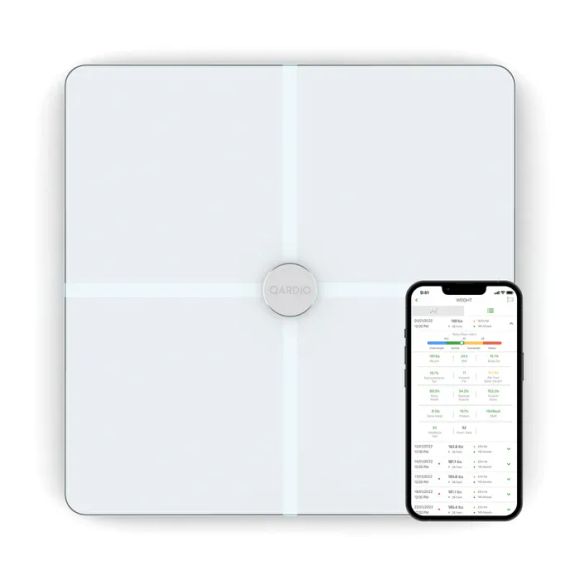
Qardio
Qardio offers innovative health monitoring devices, including the QardioBase X smart scale, which measures weight, body composition, and provides heart health tracking. Their products are designed to seamlessly integrate with daily life, helping users monitor their health metrics with ease and precision.


Unived
Unived is a 100% vegan supplement brand creating clinically validated formulas—from algal DHA to performance protein—that support clean longevity, recovery, and nutrition.

Hilo (formerly Aktiia)

Hilo (formerly Aktiia) offers AI-driven insights for the novel understanding and care of hypertension through continuous blood pressure monitoring. Their medical-grade devices provide personalized and continuous blood pressure and heart rate data.
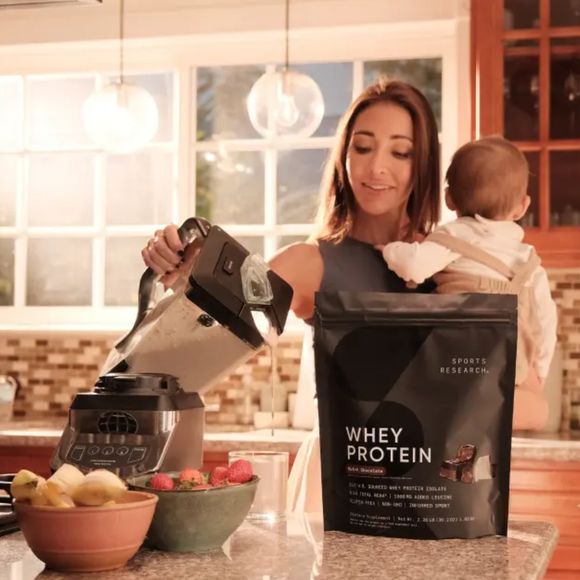
Sports Research
Sports Research is a family-owned supplement brand known for high‑quality, third‑party tested formulations—MCT oils, collagen peptides, vitamins—designed to support energy, recovery, and long‑term vitality.

Morpheus
Morpheus is an advanced fitness system that personalizes heart rate training and recovery strategies to enhance cardiovascular health and overall performance.
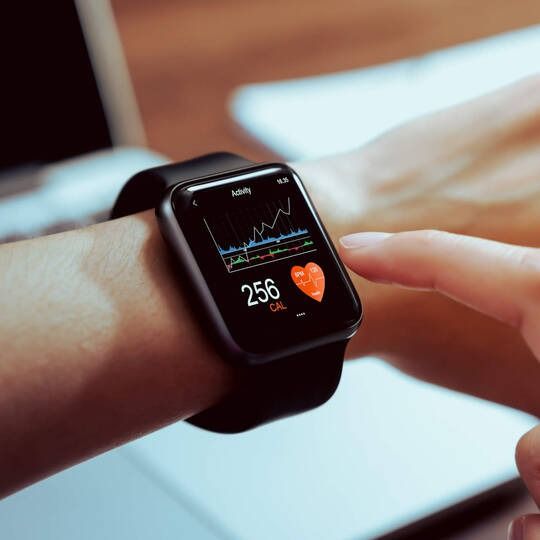
Apple
Apple Watch is a line of smartwatches designed by Apple Inc. It offers features like fitness tracking, health monitoring, and seamless integration with other Apple devices. So in addition to its smartwatch benefits, Apple Watch can support healthier habits and empower users to be proactive about their health.
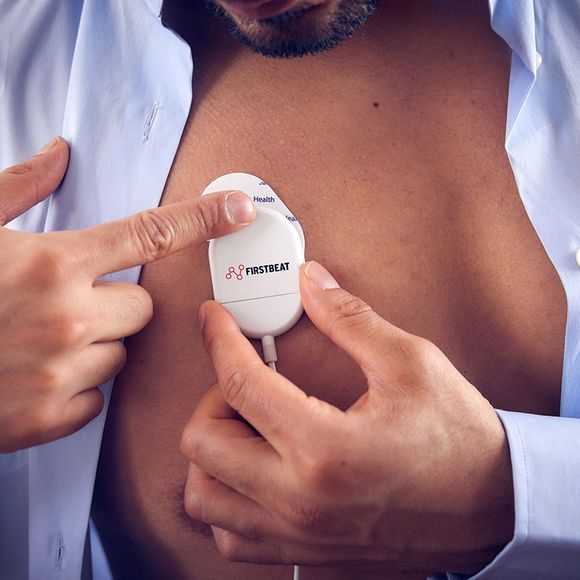
Firstbeat
Firstbeat is a leading platform for physiology-based coaching, offering solutions to measure stress, recovery, and athletic performance for optimized sports coaching and effective wellness services.
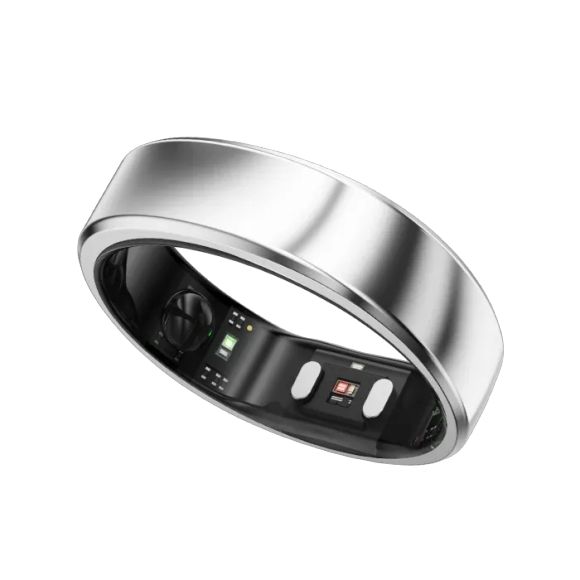
RingConn
RingConn offers a sleek, lightweight smart ring that provides comprehensive health monitoring, including sleep analysis, heart rate tracking, and stress level assessment, all without subscription fees.