Knowledge
Magazine
-

The 24-Hour Sleep Model: Why Better Sleep Starts the Morning Before
8 min read
-

Eating for Longevity: Lessons From the World's Oldest People
9 min read
-

The Summer Health Kit: Supplies and Gadgets for Hot Days and Warm Nights
9 min read
Weekly picks on longevity, brands, and health science. No spam—unsubscribe anytime.
Tools
- →The 30s Longevity Guide for Women
- →Postpartum Recovery Guide
- →Perimenopause Longevity Guide
- →Dopamine Reset Guide
- →Pregnancy Longevity Guide
- →Peptide Guide
- →Home Detox Guide
- →Slow Aging Guide
- →Pro Supplement Guide
- →Safe Supplement Guide
- →Bio Age Calculator
- →Blood Testing Guide
- →Deep Sleep Guide
- →Pro Longevity Dashboard
By Category
By Goal
Knowledge
- →What is Longevity?
- →Improve diet
- →More focus
- →Look younger
- →Lose weight
- →Track biomarkers
- →Improve sleep
- →Build muscle
- →Increase cardio
- →Detect diseases
- →Recover faster
- →Relieve stress
Magazine
-
The 24-Hour Sleep Model: Why Better Sleep Starts the Morning Before
8 min read
-
Eating for Longevity: Lessons From the World's Oldest People
9 min read
-
The Summer Health Kit: Supplies and Gadgets for Hot Days and Warm Nights
9 min read
Weekly picks on longevity, brands, and health science. No spam—unsubscribe anytime.
Brands
- →Apps
- →At Home Tests & Kits
- →Events
- →Experts & Clinics
- →Foods & Beverages
- →Gadgets & Equipment
- →Gyms & Workouts
- →Supplements
- →Travel & Retreats
- →Wearables & Trackers
Tools
- →The 30s Longevity Guide for Women
- →Postpartum Recovery Guide
- →Perimenopause Longevity Guide
- →Dopamine Reset Guide
- →Pregnancy Longevity Guide
- →Peptide Guide
- →Home Detox Guide
- →Slow Aging Guide
- →Pro Supplement Guide
- →Safe Supplement Guide
- →Bio Age Calculator
- →Blood Testing Guide
- →Deep Sleep Guide
- →Pro Longevity Dashboard

Discover
Connect
Longevity Knowledge BETA
Mental Health
Table of Contents
Mental health and longevity: the numbers
Mental health conditions shorten life expectancy by an average of 14.7 years, according to a 2023 meta-analysis published in eClinicalMedicine that pooled data from over 8 million participants across 81 studies [1]. Substance use disorders carried the greatest burden (20.4 years lost), followed by eating disorders (16.6 years) and schizophrenia-spectrum conditions (15.4 years). These are not just psychiatric statistics. Chronic psychological distress accelerates telomere shortening, elevates inflammatory markers like IL-6 and C-reactive protein, and dysregulates the hypothalamic-pituitary-adrenal (HPA) axis, pushing the body toward premature aging.
The flip side is equally compelling. Positive psychological well-being is independently associated with lower all-cause mortality, even after controlling for socioeconomic status and baseline physical health. Mental health isn't a separate category from physical health. It's the same biology.
How mental health shapes biological aging
Researchers at King's College London have shown that psychiatric conditions correlate with accelerated molecular aging clocks, meaning the biological age of people with depression, anxiety, or psychosis often exceeds their chronological age [2]. Chronic stress drives this process through elevated cortisol, which suppresses immune function, promotes systemic inflammation, and impairs DNA repair. The result is a faster accumulation of the cellular damage that defines aging.
Neuroplasticity offers a counterbalance. The brain can reorganize its structure and function throughout life. Aerobic exercise upregulates brain-derived neurotrophic factor (BDNF), increasing gray matter in the hippocampus and prefrontal cortex. Meditation practice thickens cortical regions involved in attention and emotional regulation. Even starting these practices in your 60s or 70s produces measurable structural changes [3].
Exercise as mental health treatment
A 2023 umbrella review of 97 systematic reviews covering over 128,000 participants found that physical activity reduces depression with a median effect size of -0.43 and anxiety with -0.42, compared to usual care [4]. To put that in context, SSRIs produce effect sizes around -0.30 for depression. Walking, running, strength training, and yoga all showed significant benefits, with higher-intensity exercise producing larger effects.
The recommended dose is 150 minutes per week of moderate aerobic activity, but even 30 minutes of brisk walking three times a week produces measurable reductions in depressive symptoms. Exercise works through multiple pathways: BDNF release, cortisol regulation, improved sleep quality, and increased social engagement when done in groups.
The gut-brain connection
About 95% of the body's serotonin is produced in the gut, and the bidirectional communication between the enteric and central nervous systems is now a well-established research field. A 2024 review identified 43 clinical trials of psychobiotics (probiotic strains that affect mental health), with 17 trials specifically targeting major depressive disorder [5]. Strains including Lactobacillus rhamnosus and Bifidobacterium longum demonstrated anxiolytic effects and improved mood scores in both animal and human studies.
Gut microbiome diversity appears to be protective. Diets rich in fiber, fermented foods, and polyphenols support microbial communities that produce short-chain fatty acids like butyrate, which reduces neuroinflammation and strengthens the intestinal barrier.
Social connection and mortality
Loneliness increases mortality risk by 26%, and social isolation increases it by 29%, according to Holt-Lunstad's meta-analysis of 3.4 million participants [6]. These effect sizes are comparable to smoking 15 cigarettes per day and exceed the mortality risk of obesity. For older adults, social isolation is one of the strongest predictors of cognitive decline and dementia.
Quality matters more than quantity. A few deep, reliable relationships provide more mental health benefit than a large social network of surface-level connections. Regular face-to-face interaction, shared activities, and emotional reciprocity are the active ingredients.
Emerging treatments reshaping mental health care
Psilocybin-assisted therapy reached a milestone in 2025 when COMPASS Pathways reported positive Phase 3 results for treatment-resistant depression, with a single 25 mg dose producing statistically significant symptom reduction versus placebo [7]. Cognitive behavioral therapy (CBT) remains the gold standard for anxiety and depression, and mindfulness-based stress reduction (MBSR) programs reduce cortisol with moderate effect sizes after 8 weeks of practice [8]. For people who don't respond to conventional approaches, transcranial magnetic stimulation (TMS) and ketamine infusions offer additional options backed by growing clinical evidence.
Measuring and tracking mental health
Validated self-report tools like the PHQ-9 (depression) and GAD-7 (anxiety) provide quantifiable baselines that can be tracked over time. Heart rate variability (HRV), measurable through most wearable devices, is a physiological proxy for autonomic balance and stress resilience. Combining subjective assessments with objective biomarkers creates a more complete picture of mental health status and treatment response.
References
- 1. Life expectancy and years of potential life lost in people with mental disorders: a systematic review and meta-analysis (Pathare et al., 2023)
- 2. Molecular ageing clocks: making the links between mental illness and shorter lifespans (King's College London)
- 3. Neurobiological Changes Induced by Mindfulness and Meditation: A Systematic Review (2024)
- 4. Effectiveness of physical activity interventions for improving depression, anxiety and distress: an overview of systematic reviews (Singh et al., 2023...
- 5. Exploring the gut-brain axis: potential therapeutic impact of psychobiotics on mental health (2024)
- 6. Loneliness and social isolation as risk factors for mortality: a meta-analytic review (Holt-Lunstad et al., 2015)
- 7. COMPASS Pathways Phase 3 trial: COMP360 psilocybin for treatment-resistant depression (2025)
- 8. Effectiveness of stress management interventions to change cortisol levels: a systematic review and meta-analysis (2023)
Move for your mood
Build neuroplasticity daily
Prioritize real social connection
Feed your gut-brain axis
Track your mental health metrics
Social connection extends lifespan
Nature exposure reduces cortisol
Digital detox basics
How does the gut affect mental health?
What is the connection between loneliness and mortality?
Can you improve brain health at any age?
Can mental health problems actually shorten your life?
Is exercise as effective as medication for depression?
When should I see a professional about stress?

Creatine Expert: Creatine Is The Secret To Weight Loss

Tools to Bolster Your Mental Health & Confidence | Dr. Paul Conti
Essentials: The Biology of Aggression, Mating & Arousal | Dr. David Anderson

Manipulation Expert: How To Influence Anyone & Make Them Do Exactly What You Want! - Chase Hughes
Essentials: Benefits of Sauna & Deliberate Heat Exposure
No discussions yet
Be the first to start a discussion about Mental Health.
Related Articles


Community Discussions
Related Brands

Ikare

Ikare offers a comprehensive longevity program that combines preventive medicine, genetic analysis, and personalized coaching to help individuals live longer and healthier lives. Their services include health check-ups, epigenetic insights, and tailored action plans designed to optimize health and increase lifespan.
Neuronic
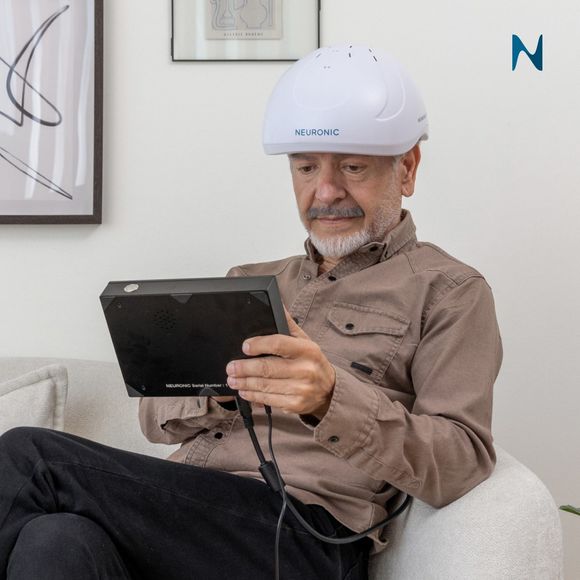
Neuronic specializes in transcranial photobiomodulation (tPBM) devices designed to enhance cognitive function, reduce stress, and support mental well-being. Their products use light therapy to stimulate brain activity and improve overall mental health.

Calm

Calm offers a top-rated app for meditation and sleep, providing personalized content to manage stress and anxiety, improve sleep, and promote mindfulness.

Headspace
Headspace is a meditation and mindfulness app designed to help users reduce stress, improve focus, and sleep better. With guided meditations, expert-led courses, and a variety of tools, Headspace makes it easy to take care of your mental health.
23andMe

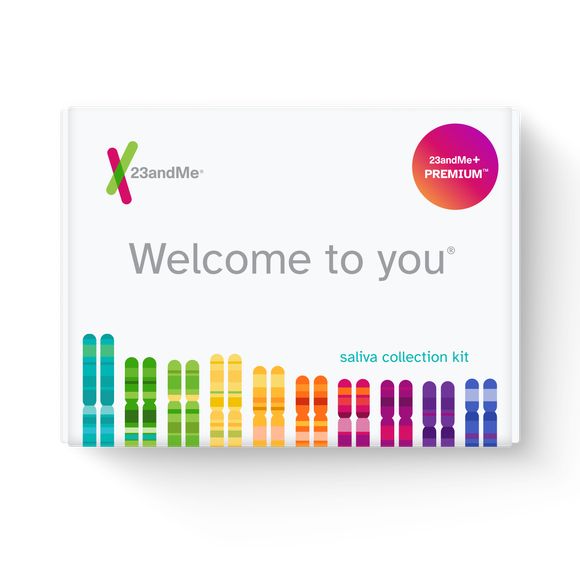
23andMe offers DNA genetic testing for health, ancestry, and more. Their services provide comprehensive insights into your ancestry and health through genetic data, helping you understand your genetic makeup and how it impacts your health.

SweatHouz
SweatHouz, founded in 2019, is a wellness and recovery center offering services such as infrared saunas, cold plunges, red light therapy, and hydromassage to promote relaxation, detoxification, and overall well-being.
Mesana
mesana offers a comprehensive 48-hour health check-up that allows individuals to monitor key health parameters from the comfort of their homes, providing personalized insights and recommendations to enhance well-being.

NeuroVizr
NeuroVizr offers a wearable device designed to enhance cognitive performance, improve sleep, relieve anxiety, and support lucid meditation through advanced neuromodulation technology.
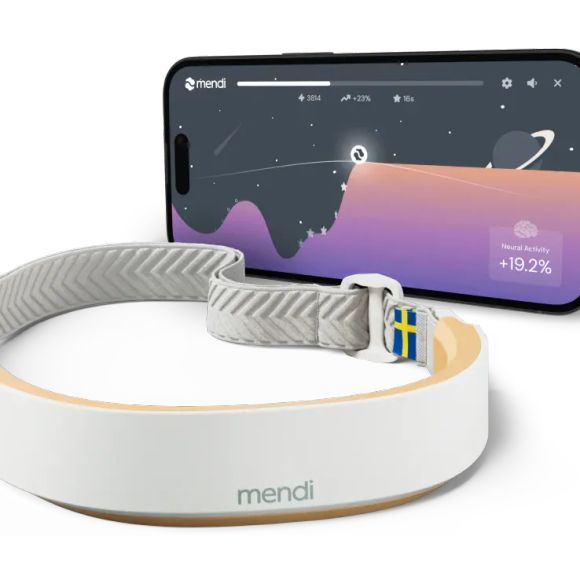
Mendi
Mendi offers a neurofeedback headband that allows users to train their brains to improve focus, stress management, and overall cognitive performance. The device measures brain activity and provides real-time feedback, helping users optimize their mental health and well-being.
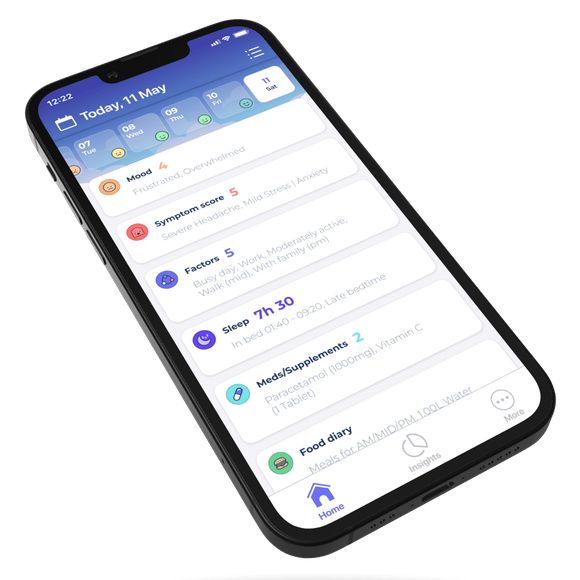
Bearable
Bearable offers a symptom and mood tracking app designed to help users manage their health by providing a detailed view of symptoms and treatments. The app is backed by scientific review and recommended by doctors and therapists.