Knowledge
Magazine
-

The 24-Hour Sleep Model: Why Better Sleep Starts the Morning Before
8 min read
-

Eating for Longevity: Lessons From the World's Oldest People
9 min read
-

The Summer Health Kit: Supplies and Gadgets for Hot Days and Warm Nights
9 min read
Weekly picks on longevity, brands, and health science. No spam—unsubscribe anytime.
Tools
- →The 30s Longevity Guide for Women
- →Postpartum Recovery Guide
- →Perimenopause Longevity Guide
- →Dopamine Reset Guide
- →Pregnancy Longevity Guide
- →Peptide Guide
- →Home Detox Guide
- →Slow Aging Guide
- →Pro Supplement Guide
- →Safe Supplement Guide
- →Bio Age Calculator
- →Blood Testing Guide
- →Deep Sleep Guide
- →Pro Longevity Dashboard
By Category
By Goal
Knowledge
- →What is Longevity?
- →Improve diet
- →More focus
- →Look younger
- →Lose weight
- →Track biomarkers
- →Improve sleep
- →Build muscle
- →Increase cardio
- →Detect diseases
- →Recover faster
- →Relieve stress
Magazine
-
The 24-Hour Sleep Model: Why Better Sleep Starts the Morning Before
8 min read
-
Eating for Longevity: Lessons From the World's Oldest People
9 min read
-
The Summer Health Kit: Supplies and Gadgets for Hot Days and Warm Nights
9 min read
Weekly picks on longevity, brands, and health science. No spam—unsubscribe anytime.
Brands
- →Apps
- →At Home Tests & Kits
- →Events
- →Experts & Clinics
- →Foods & Beverages
- →Gadgets & Equipment
- →Gyms & Workouts
- →Supplements
- →Travel & Retreats
- →Wearables & Trackers
Tools
- →The 30s Longevity Guide for Women
- →Postpartum Recovery Guide
- →Perimenopause Longevity Guide
- →Dopamine Reset Guide
- →Pregnancy Longevity Guide
- →Peptide Guide
- →Home Detox Guide
- →Slow Aging Guide
- →Pro Supplement Guide
- →Safe Supplement Guide
- →Bio Age Calculator
- →Blood Testing Guide
- →Deep Sleep Guide
- →Pro Longevity Dashboard

Discover
Connect
Longevity Knowledge BETA
Oxygen
Table of Contents
Oxygen: the molecule that powers life
Oxygen drives cellular respiration, the process that converts nutrients into usable energy in the form of ATP. Every cell in your body depends on a constant supply of oxygen to maintain metabolic function, repair tissues, and support immune defense. While we obtain oxygen through breathing, the efficiency of oxygen delivery and utilization varies significantly based on cardiovascular fitness, breathing patterns, and cellular health.
Breathing techniques for better oxygenation
How you breathe directly impacts oxygen exchange efficiency. Nasal breathing warms, humidifies, and filters air while increasing nitric oxide production, a molecule that dilates blood vessels and improves oxygen delivery. Diaphragmatic breathing engages the primary respiratory muscle for more efficient gas exchange. Techniques like the 4-7-8 method and box breathing activate the parasympathetic nervous system, reducing stress hormones that otherwise impair oxygen utilization.
Hyperbaric oxygen therapy explained
Hyperbaric oxygen therapy (HBOT) involves breathing pure oxygen in a pressurized chamber, typically at 2-3 atmospheres of pressure [1]. This increases dissolved oxygen in blood plasma, allowing oxygen to reach tissues with compromised blood flow. HBOT has FDA approval for treating decompression sickness, carbon monoxide poisoning, and chronic wounds [5]. A study published in Aging (2020) showed HBOT can increase telomere length and reduce cellular senescence, suggesting potential longevity applications [3]. Research also indicates cognitive improvements through enhanced neuroplasticity [2].
Cellular respiration and mitochondrial function
Cellular respiration occurs in mitochondria, where oxygen serves as the final electron acceptor in the electron transport chain. This process generates ATP, the energy currency of cells. When oxygen availability drops, cells switch to less efficient anaerobic metabolism, producing lactic acid and far less energy. HBOT has been shown to promote mitochondrial biogenesis in models of neurodegenerative disease [4].
Oxygen optimization strategies
Beyond medical interventions, several strategies improve oxygen utilization. Regular cardiovascular exercise increases capillary density and mitochondrial function. High-altitude exposure or training stimulates erythropoietin production, increasing red blood cell count. Breathing exercises strengthen respiratory muscles and improve gas exchange efficiency. Avoiding smoking and air pollution protects lung function.
References
- 1. Therapeutic effects of hyperbaric oxygen: integrated review
- 2. Hyperbaric Oxygen Treatment-From Mechanisms to Cognitive Improvement
- 3. Hyperbaric oxygen therapy increases telomere length and decreases immunosenescence in isolated blood cells
- 4. Hyperbaric Oxygen Therapy Improves Parkinson's Disease by Promoting Mitochondrial Biogenesis
- 5. Hyperbaric oxygen potentiates diabetic wound healing by promoting fibroblast cell proliferation
Breathe through your nose, not your mouth
Practice diaphragmatic breathing daily
Build cardiovascular fitness for better oxygen delivery
Consider altitude exposure to boost oxygen-carrying capacity
Use breathing exercises to activate the parasympathetic nervous system
What is cellular respiration?
How does hyperbaric oxygen therapy work?
Can breathing exercises really improve oxygen levels?
What are signs of poor oxygen utilization?

#111 The Optimal Mobility Protocol for a Durable Body | Dr. Kelly Starrett

The Athlete's Guide to Iron: Testing, Deficiency and Performance - Rachel Arthur

Human Sleep Expert: Don't Pee In The Middle Of The Night & Why Night Time Sex Isn't A Good Idea!

Ketogenic diet, ketosis & hyperbaric oxygen: metabolic therapies for weight loss, cognition, Alzheimer's & more | Dom D'Agostino, Ph.D.

Essentials: Breathing for Mental & Physical Health & Performance | Dr. Jack Feldman
Improve Your Lymphatic System for Overall Health & Appearance
No discussions yet
Be the first to start a discussion about Oxygen.
Community Discussions
Related Brands
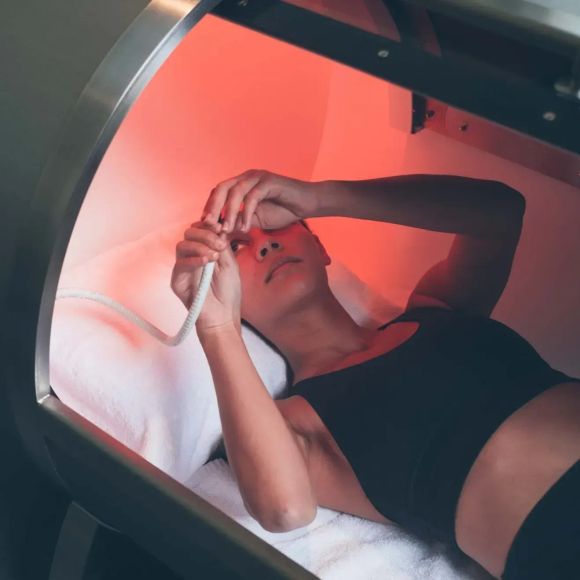
Renessence

Renessence offers a range of wellness treatments and memberships designed to promote vitality, performance, and health optimization. Their services include cryotherapy, infrared sauna, IV-drips, oxygen hydroxy therapy, and more, all aimed at rebalancing and reviving the body through scientifically researched therapies.
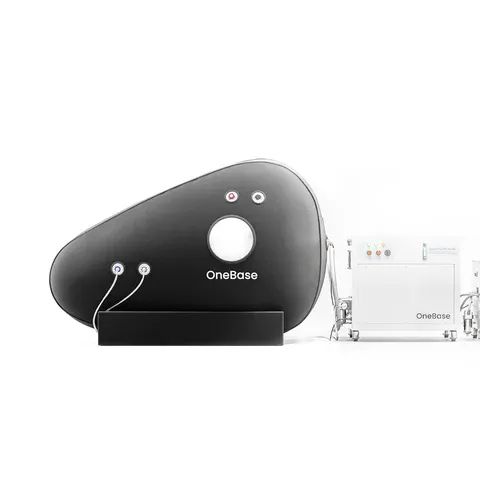
OneBase Health
OneBase Health offers high-quality, portable hyperbaric oxygen therapy (HBOT) chambers designed to enhance wellness by increasing oxygen delivery throughout the body. Their user-friendly protocol app provides personalized guidance to maximize therapy benefits.
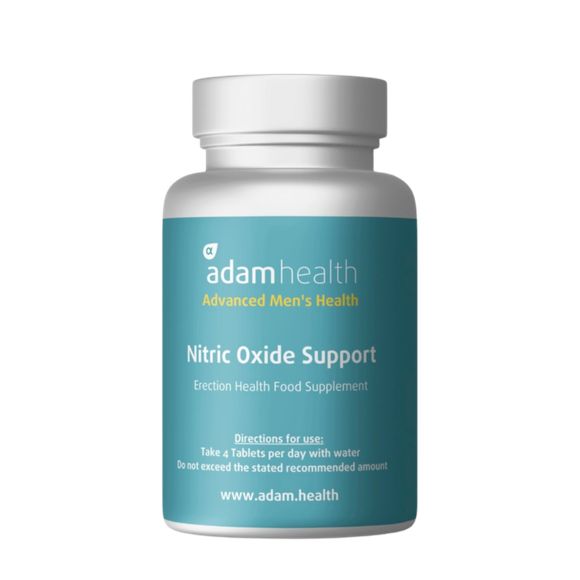
Adam Health
AdamHealth offers a comprehensive approach to men's erection health, featuring the innovative Adam Sensor for tracking nocturnal erections, science-backed supplements, and a curated selection of ED treatments to enhance overall well-being
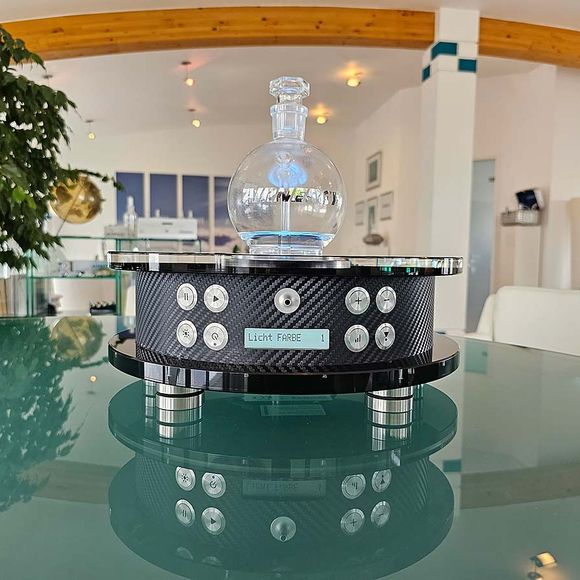
Airnergy
Airnergy International GmbH develops and manufactures Spirovital therapy devices that enhance cellular respiration by activating ambient oxygen, aiming to improve overall health and well-being.

ANTI
ANTI is a holistic wellness hub in Berlin-Mitte offering a curated blend of longevity-focused treatments—such as hyperbaric oxygen, red light therapy, cryotherapy, sauna, and expert-led classes—to support sustainable health, stress resilience, and performance.

Breathe Circle

Breathe Circle (formerly known as Noson) offers a nasal dilator designed to improve airflow through the nose, helping users breathe better during sleep and physical activities.
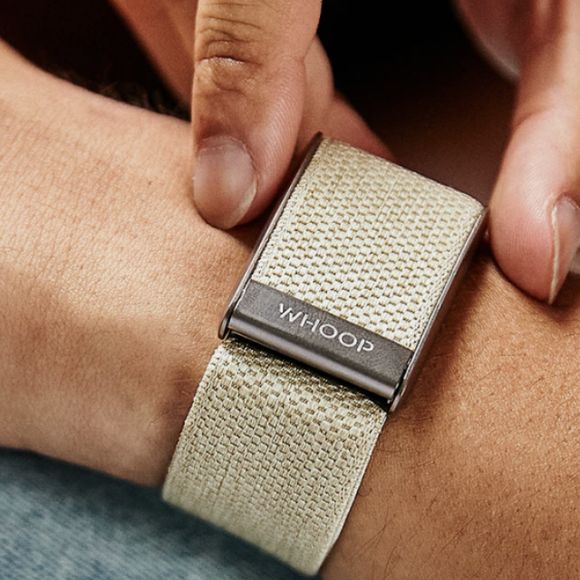
WHOOP
WHOOP is dedicated to optimizing human performance through advanced wearable technology. They provide unique insights into the relationship between physiology and performance, helping individuals reach their full potential physically, mentally, and emotionally.
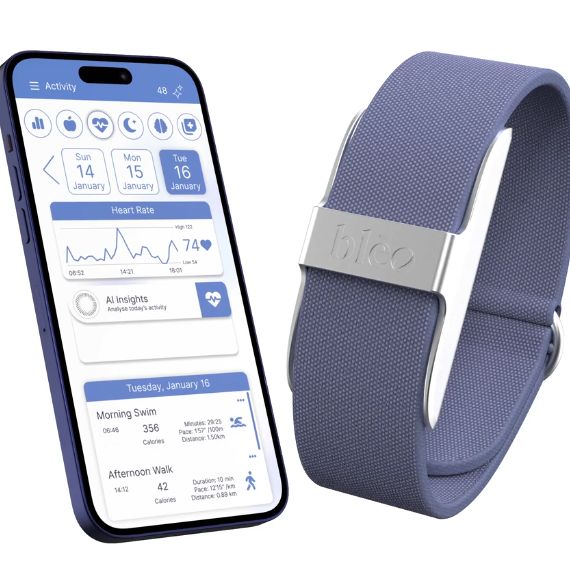
blēo

blēo is a wearable device that leverages AI to provide personalized longevity guidance by analyzing millions of unique longevity signals.
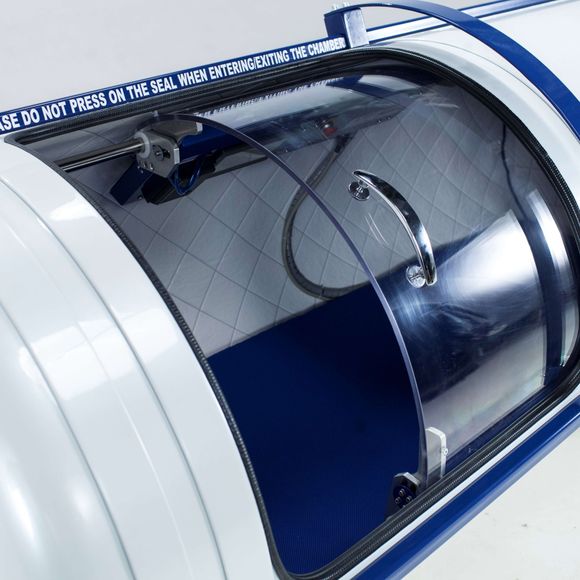
OxyHelp
OxyHelp offers state-of-the-art hyperbaric oxygen therapy (HBOT) chambers designed to improve health, enhance recovery, and promote overall well-being.

Octane Wellness
Octane Wellness offers a range of advanced wellness technologies designed to optimize health, recovery, and energy levels. Their services include cryotherapy, infrared sauna, red light therapy, hyperbaric oxygen therapy, and body composition analysis, all aimed at enhancing physical and mental well-being.