Knowledge
Magazine
-

The 24-Hour Sleep Model: Why Better Sleep Starts the Morning Before
8 min read
-

Eating for Longevity: Lessons From the World's Oldest People
9 min read
-

The Summer Health Kit: Supplies and Gadgets for Hot Days and Warm Nights
9 min read
Weekly picks on longevity, brands, and health science. No spam—unsubscribe anytime.
Tools
- →The 30s Longevity Guide for Women
- →Postpartum Recovery Guide
- →Perimenopause Longevity Guide
- →Dopamine Reset Guide
- →Pregnancy Longevity Guide
- →Peptide Guide
- →Home Detox Guide
- →Slow Aging Guide
- →Pro Supplement Guide
- →Safe Supplement Guide
- →Bio Age Calculator
- →Blood Testing Guide
- →Deep Sleep Guide
- →Pro Longevity Dashboard
By Category
By Goal
Knowledge
- →What is Longevity?
- →Improve diet
- →More focus
- →Look younger
- →Lose weight
- →Track biomarkers
- →Improve sleep
- →Build muscle
- →Increase cardio
- →Detect diseases
- →Recover faster
- →Relieve stress
Magazine
-
The 24-Hour Sleep Model: Why Better Sleep Starts the Morning Before
8 min read
-
Eating for Longevity: Lessons From the World's Oldest People
9 min read
-
The Summer Health Kit: Supplies and Gadgets for Hot Days and Warm Nights
9 min read
Weekly picks on longevity, brands, and health science. No spam—unsubscribe anytime.
Brands
- →Apps
- →At Home Tests & Kits
- →Events
- →Experts & Clinics
- →Foods & Beverages
- →Gadgets & Equipment
- →Gyms & Workouts
- →Supplements
- →Travel & Retreats
- →Wearables & Trackers
Tools
- →The 30s Longevity Guide for Women
- →Postpartum Recovery Guide
- →Perimenopause Longevity Guide
- →Dopamine Reset Guide
- →Pregnancy Longevity Guide
- →Peptide Guide
- →Home Detox Guide
- →Slow Aging Guide
- →Pro Supplement Guide
- →Safe Supplement Guide
- →Bio Age Calculator
- →Blood Testing Guide
- →Deep Sleep Guide
- →Pro Longevity Dashboard

Discover
Connect
Longevity Knowledge BETA
Vagus Nerve
Table of Contents
What the vagus nerve actually does
The vagus nerve is the longest cranial nerve in your body. It runs from the brainstem down through the neck, chest, and abdomen, connecting your brain to your heart, lungs, gut, and immune system. The name comes from the Latin word for "wandering," and that's accurate: this single nerve touches nearly every major organ.
About 80% of its fibers are afferent, meaning they carry information from your organs up to your brain. The remaining 20% are efferent, sending signals from the brain back down to regulate heart rate, digestion, and immune responses [1]. This two-way communication is how your body constantly adjusts to what's happening inside and around you.
Vagal tone and why it matters for health
Vagal tone refers to the activity level of the vagus nerve, and it's measurable through heart rate variability (HRV). High vagal tone means your parasympathetic nervous system can efficiently slow your heart after stress, shift you into recovery mode, and keep inflammation in check. Low vagal tone is associated with chronic stress, poor sleep, elevated resting heart rate, and higher levels of inflammatory markers [2].
Stephen Porges's polyvagal theory, introduced in the 1990s, added nuance to this picture. Porges proposed that the vagus has two distinct branches. The ventral vagal complex supports social engagement and calm alertness. The dorsal vagal complex triggers freeze or shutdown responses under extreme threat. Most vagus nerve stimulation practices aim to strengthen the ventral branch, the one that keeps you calm, focused, and socially engaged.
The cholinergic anti-inflammatory pathway
One of the most researched functions of the vagus nerve is its ability to control inflammation. The mechanism is called the cholinergic anti-inflammatory pathway (CAP). When vagal efferent fibers fire, they release acetylcholine, which binds to alpha-7 nicotinic receptors on immune cells. This dampens the production of pro-inflammatory cytokines like TNF-alpha and IL-6 [3].
Kevin Tracey's lab at the Feinstein Institutes first described this pathway in the early 2000s. Since then, research has shown that vagus nerve stimulation can reduce inflammation in rheumatoid arthritis and Crohn's disease patients [4]. A 2025 systematic review of VNS in autoimmune diseases found it promising as an add-on therapy, though results vary by condition [5]. The anti-inflammatory effect also explains why chronic stress, which suppresses vagal activity, tends to worsen inflammatory diseases.
Vagus nerve and the gut-brain connection
The vagus nerve is the main physical link in the gut-brain axis. Gut bacteria produce short-chain fatty acids, serotonin precursors, and other metabolites that activate vagal afferent fibers, sending signals to the brain that influence mood, appetite, and stress responses [6]. Roughly 95% of the body's serotonin is produced in the gut, and vagal signaling is one way that intestinal serotonin status reaches the central nervous system.
When gut health deteriorates (through poor diet, antibiotics, or chronic stress), vagal signaling weakens. This contributes to increased intestinal permeability, sometimes called "leaky gut," and to the low-grade systemic inflammation that's linked to depression, metabolic syndrome, and accelerated aging.
How to stimulate the vagus nerve
Several evidence-based techniques can increase vagal tone. The most accessible ones work through simple physiological mechanisms.
Slow breathing is the best-studied method. Breathing at 5-7 breaths per minute, with a longer exhale than inhale, directly increases HRV and vagal output. A 2022 study found that deep breathing improved HRV parameters by 21-46%, comparable to the effects of transcutaneous vagus nerve stimulation devices [7].
Cold exposure activates the vagus nerve through the dive reflex. Cold water on the face or brief cold immersion triggers an immediate parasympathetic response, slowing heart rate and increasing vagal tone [8]. Even splashing cold water on your face for 30 seconds can produce a measurable effect.
Humming, singing, and gargling vibrate the vocal cords and the pharyngeal muscles adjacent to the vagus nerve. These activities aren't just folk remedies; they mechanically stimulate the vagal pathway in the neck.
Aerobic exercise at moderate intensity consistently improves vagal tone over time. Regular exercisers tend to have higher baseline HRV than sedentary individuals, and a 2025 randomized trial in the European Heart Journal showed that non-invasive vagal stimulation improved cardiorespiratory fitness in healthy volunteers [9].
Transcutaneous vagus nerve stimulation (tVNS)
For those interested in a more targeted approach, tVNS devices deliver mild electrical pulses to the auricular branch of the vagus nerve in the ear. This non-invasive form of stimulation has been studied for treatment-resistant depression, epilepsy, and post-stroke rehabilitation. A study in individuals aged 55 and above found that daily tVNS for two weeks increased baroreflex sensitivity and vagal tone measures, suggesting particular relevance for healthy aging [10].
References
- 1. The Vagus Nerve at the Interface of the Microbiota-Gut-Brain Axis (Bonaz et al., 2018)
- 2. Clinical perspectives on vagus nerve stimulation: present and future (PMC, 2022)
- 3. The Cholinergic Anti-inflammatory Pathway (Tracey, 2005)
- 4. Vagus nerve stimulation: from epilepsy to the cholinergic anti-inflammatory pathway (Bonaz et al., 2013)
- 5. Assessing the therapeutic potential of vagus nerve stimulation in autoimmune diseases: A systematic review (PMC, 2025)
- 6. Vagus Nerve and Underlying Impact on the Gut Microbiota-Brain Axis in Behavior and Neurodegenerative Diseases (PMC, 2022)
- 7. Modulating Heart Rate Variability through Deep Breathing Exercises and Transcutaneous Auricular Vagus Nerve Stimulation (MDPI Sensors, 2022)
- 8. Vagus activation by Cold Face Test reduces acute psychosocial stress responses (PMC, 2022)
- 9. Non-invasive vagus nerve stimulation and exercise capacity in healthy volunteers: a randomized trial (European Heart Journal, 2025)
- 10. Effects of transcutaneous vagus nerve stimulation in individuals aged 55 years or above: potential benefits of daily stimulation (Aging, 2019)
Breathe at 5-7 breaths per minute
Use cold water on your face
Hum, sing, or gargle daily
Track your HRV as a vagal tone proxy
Support your gut to strengthen vagal signaling
Stimulate your vagus nerve
What does the vagus nerve do?
How can I tell if my vagal tone is low?
Can you stimulate the vagus nerve naturally?
What is the connection between the vagus nerve and gut health?
Is transcutaneous vagus nerve stimulation (tVNS) safe?
What is the vagus nerve and how does it affect stress?

Essentials: The Science & Process of Healing from Grief
Essentials: The Biology of Aggression, Mating & Arousal | Dr. David Anderson
Essentials: Breathing for Mental & Physical Health & Performance | Dr. Jack Feldman

Tim Ferriss: 4 Science-Backed Tools That Rewired Decades of Childhood Trauma & Depression
No. 1 Sugar Expert: 17 Seconds Of Pleasure Can Rewire Your Brain!
Essentials: Using Your Nervous System to Enhance Your Immune System
No discussions yet
Be the first to start a discussion about Vagus Nerve.
Related Articles

Related Brands

Nurosym


Nurosym offers a wearable device designed to provide relief from various conditions, such as Long-COVID, PTSD, depression, and more. The device uses non-invasive neuromodulation to stimulate the vagus nerve, helping to improve overall well-being.
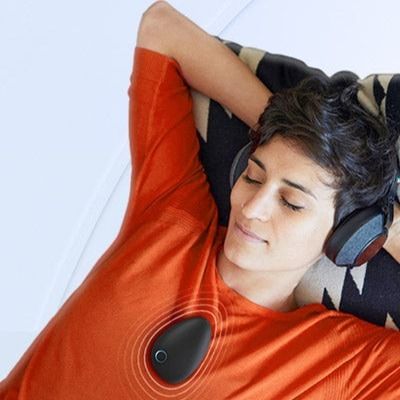
Sensate

Sensate offers a wearable device that uses vibrations and sound to relieve stress and calm the nervous system. The device which stimulates the vagus nerve connects with the Sensate app to provide a personalized relaxation experience.
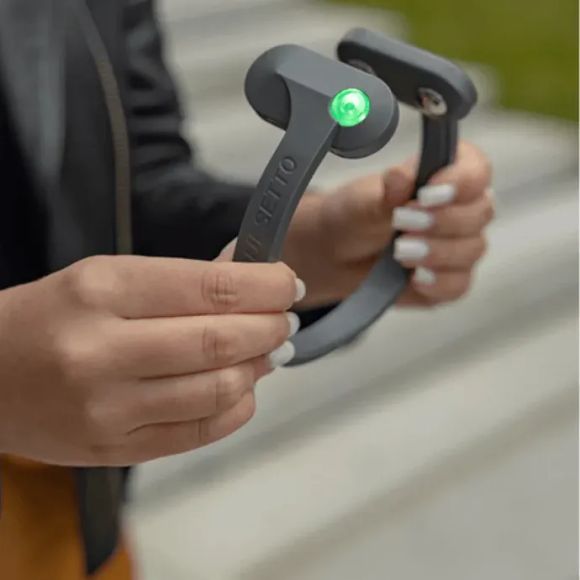
Pulsetto
Pulsetto offers a wearable device designed to provide stress relief through non-invasive neuromodulation. The device stimulates the vagus nerve, helping to improve overall well-being and manage stress effectively.
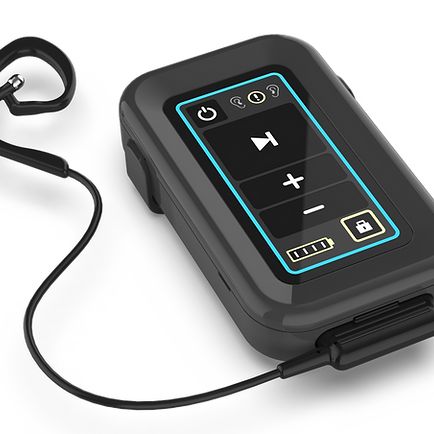
tVNS Health
tVNS Health offers innovative non-invasive vagus nerve stimulation devices designed to treat brain diseases and improve overall well-being. Their devices provide a medication-free, low side effect therapy option for conditions such as anxiety, depression, and migraine.
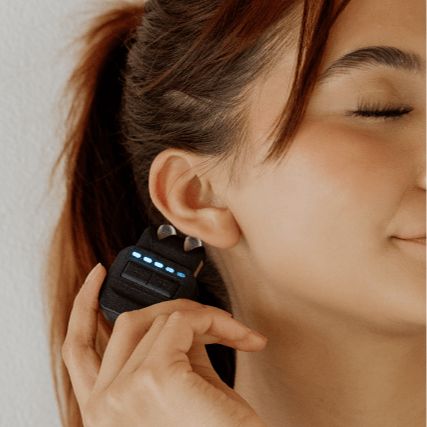
Hoolest
Hoolest offers the VeRelief, a vagus nerve stimulator designed to accelerate stress recovery, enhance sleep, and improve performance under pressure. The device uses advanced technology to stimulate the vagus nerve, promoting relaxation and reducing stress in just minutes.
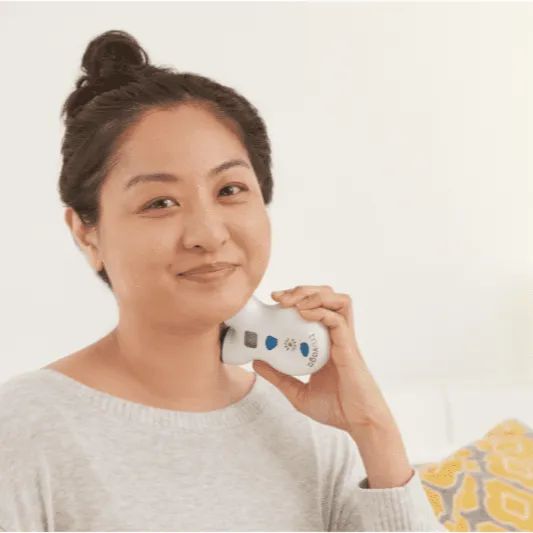
Truvaga
Truvaga is a handheld vagus nerve stimulator designed to alleviate stress, enhance mental clarity, and improve sleep through gentle, non-invasive thera
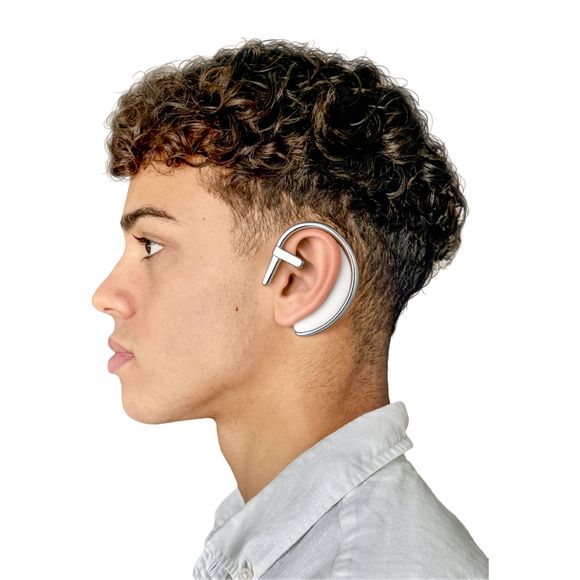
MindSpire
MindSpire’s SONA™ is a pioneering wearable that delivers personalized vagus‑nerve stimulation through an earpiece, using real-time HRV sensing and adaptive AI to enhance focus, resilience, and longevity.