Knowledge
Magazine
-

The 24-Hour Sleep Model: Why Better Sleep Starts the Morning Before
8 min read
-

Eating for Longevity: Lessons From the World's Oldest People
9 min read
-

The Summer Health Kit: Supplies and Gadgets for Hot Days and Warm Nights
9 min read
Weekly picks on longevity, brands, and health science. No spam—unsubscribe anytime.
Tools
- →The 30s Longevity Guide for Women
- →Postpartum Recovery Guide
- →Perimenopause Longevity Guide
- →Dopamine Reset Guide
- →Pregnancy Longevity Guide
- →Peptide Guide
- →Home Detox Guide
- →Slow Aging Guide
- →Pro Supplement Guide
- →Safe Supplement Guide
- →Bio Age Calculator
- →Blood Testing Guide
- →Deep Sleep Guide
- →Pro Longevity Dashboard
By Category
By Goal
Knowledge
- →What is Longevity?
- →Improve diet
- →More focus
- →Look younger
- →Lose weight
- →Track biomarkers
- →Improve sleep
- →Build muscle
- →Increase cardio
- →Detect diseases
- →Recover faster
- →Relieve stress
Magazine
-
The 24-Hour Sleep Model: Why Better Sleep Starts the Morning Before
8 min read
-
Eating for Longevity: Lessons From the World's Oldest People
9 min read
-
The Summer Health Kit: Supplies and Gadgets for Hot Days and Warm Nights
9 min read
Weekly picks on longevity, brands, and health science. No spam—unsubscribe anytime.
Brands
- →Apps
- →At Home Tests & Kits
- →Events
- →Experts & Clinics
- →Foods & Beverages
- →Gadgets & Equipment
- →Gyms & Workouts
- →Supplements
- →Travel & Retreats
- →Wearables & Trackers
Tools
- →The 30s Longevity Guide for Women
- →Postpartum Recovery Guide
- →Perimenopause Longevity Guide
- →Dopamine Reset Guide
- →Pregnancy Longevity Guide
- →Peptide Guide
- →Home Detox Guide
- →Slow Aging Guide
- →Pro Supplement Guide
- →Safe Supplement Guide
- →Bio Age Calculator
- →Blood Testing Guide
- →Deep Sleep Guide
- →Pro Longevity Dashboard

Discover
Connect
Longevity Knowledge BETA
Vegan
Table of Contents
Vegan diet and longevity: what the science actually shows
A vegan diet excludes all animal products, including meat, dairy, eggs, and honey. When done right, it can deliver measurable health benefits. The Adventist Health Study-2, which tracked over 96,000 people, found that vegans had 15% lower all-cause mortality than non-vegetarians. A 2024 meta-analysis in Frontiers in Nutrition confirmed that plant-based dietary patterns are associated with reduced all-cause mortality risk across multiple cohort studies [1]. And a 2025 Nature Communications study analyzing data from 101 countries between 1961 and 2018 found that higher plant-based protein consumption correlated with longer adult life expectancy [2].
The mechanisms behind these findings aren't mysterious. Vegan diets tend to be higher in fiber, polyphenols, and phytonutrients while being lower in saturated fat. They also produce lower levels of TMAO (trimethylamine N-oxide), a gut-derived metabolite linked to atherosclerosis that forms primarily from carnitine and choline in animal products [3]. A 2024 study of 21,561 individuals in Nature Microbiology showed distinct gut microbiome signatures in vegans, with higher abundance of fiber-fermenting bacteria that produce beneficial short-chain fatty acids [4].
The epigenetic aging connection
One of the most striking recent findings comes from the 2024 Twins Nutrition Study (TwiNS), published in BMC Medicine. Researchers assigned 21 pairs of identical twins to either a vegan or healthy omnivorous diet for 8 weeks. The vegan group showed decreased epigenetic age acceleration across multiple biological clocks, including PC GrimAge, PC PhenoAge, and DunedinPACE. Their heart, liver, hormone, and inflammatory system ages all decreased [5]. The catch: the vegan participants also lost more weight, which itself affects epigenetic clocks. Still, the controlled twin design makes this one of the strongest pieces of evidence that dietary change can shift biological aging markers in a matter of weeks.
Critical nutrients you can't ignore
A vegan diet isn't automatically healthy. Without planning, it leads to deficiencies that can cause real harm. Here's what to watch:
Vitamin B12 is the non-negotiable supplement. No plant food reliably provides it, and deficiency causes irreversible nerve damage. Take 250-500 mcg of cyanocobalamin or methylcobalamin daily, or 2,500 mcg weekly. Test both serum B12 and methylmalonic acid (MMA) for accurate status assessment.
Omega-3 fatty acids: The body converts only 5-8% of plant-based ALA (from flax, chia, walnuts) into EPA, and even less into DHA. Algae-based DHA/EPA supplements at 250-500 mg combined daily bypass this bottleneck entirely [6].
Iron: Plant-based non-heme iron is absorbed at roughly half the rate of heme iron from meat. Eating iron-rich foods (lentils, pumpkin seeds, spinach) with vitamin C dramatically improves absorption. Soaking, sprouting, and fermenting legumes and grains reduces phytates that block iron uptake.
Other gaps: Calcium (aim for 1,000-1,200 mg/day from fortified plant milks, calcium-set tofu, and kale), iodine (150 mcg daily from seaweed or supplements), vitamin D3 from lichen sources, and zinc (pumpkin seeds, chickpeas, cashews) all need attention.
Bone health: a real concern
This is the area where vegans face the most clear-cut risk. A meta-analysis of 20 studies with 37,134 participants found that vegans have lower bone mineral density at the femoral neck and lumbar spine, and significantly higher fracture rates compared to omnivores [7]. The EPIC-Oxford study found that vegans had 43% higher rates of total fractures and 2.3 times the risk of hip fractures compared to meat-eaters. However, much of this risk disappears when calcium intake exceeds 525 mg/day. Combined vitamin D and calcium supplementation can bring fracture risk back in line with omnivores [8].
Building muscle on plants
The leucine content of plant proteins is lower than whey or eggs, which means you need more total protein to trigger the same muscle protein synthesis response. For active people, aim for 1.8-2.2 g of protein per kg of body weight daily. The best plant protein sources are soy products (tofu, tempeh, edamame), which contain all essential amino acids; legume-grain combinations; seitan at 25g protein per 100g (though low in lysine); and pea-rice protein blends with a PDCAAS approaching 1.0. Creatine monohydrate at 3-5g daily is also worth considering, since vegans have lower baseline creatine stores, and supplementation improves both exercise performance and cognitive function [6].
Processed vegan food: not the same thing
The health benefits of vegan eating come from whole plant foods, not from plant-based burgers, vegan cheese, and processed meat alternatives. These products often contain high sodium, refined oils, and ultra-processed ingredients. A 2024 umbrella review in Critical Reviews in Food Science and Nutrition found that the protective associations of plant-based diets apply primarily to whole-food approaches, not processed plant-based eating patterns [9]. The distinction matters. A diet of chickpeas, lentils, vegetables, nuts, and whole grains is very different from one built on vegan junk food.
References
- 1. Plant-based diet and risk of all-cause mortality: a systematic review and meta-analysis (Frontiers in Nutrition, 2024)
- 2. Associations between national plant-based vs animal-based protein supplies and age-specific mortality (Nature Communications, 2025)
- 3. Gut microbiome signatures of vegan, vegetarian and omnivore diets and associated health outcomes across 21,561 individuals (Nature Microbiology, 2024)
- 4. A vegan diet signature from a multi-omics study on different European populations is related to favorable metabolic outcomes (Gut Microbes, 2025)
- 5. Unveiling the epigenetic impact of vegan vs. omnivorous diets on aging: insights from the Twins Nutrition Study (BMC Medicine, 2024)
- 6. Analytical Review on Nutritional Deficiencies in Vegan Diets: Risks, Prevention, and Optimal Strategies (2025)
- 7. Veganism, vegetarianism, bone mineral density, and fracture risk: a systematic review and meta-analysis (Nutrition Reviews, 2019)
- 8. Vegetarian and vegan diets and risks of total and site-specific fractures: results from the prospective EPIC-Oxford study (BMC Medicine, 2020)
- 9. Evidence of a vegan diet for health benefits and risks: an umbrella review of meta-analyses (Critical Reviews in Food Science and Nutrition, 2023)
B12 is non-negotiable
Protect your bones with calcium and vitamin D
Get DHA from algae, not conversion
Aim higher on protein
Boost iron absorption with vitamin C
Get blood work done regularly
Can you build muscle on a vegan diet?
Is a vegan diet bad for your bones?
What is TMAO and why do vegans have lower levels?
Do vegans actually live longer?
What supplements should every vegan take?

Essentials: The Science of Eating for Health, Fat Loss & Lean Muscle | Dr. Layne Norton

AMA #75: Diets: how to evaluate and implement any diet including keto, carnivore, vegan, Mediterranean, and more

Fat Burning Expert: The Real Reason You Can’t Lose Weight! PCOS, Menopause & Stubborn Belly Fat
Health Effects & Risks of Kratom, Opioids & Other Natural Occurring Medicines | Dr. Chris McCurdy
How Different Diets Impact Your Health | Dr. Christopher Gardner

#100 The Optimal Creatine Protocol for Strength, Brain, and Longevity | Darren Candow, PhD
No discussions yet
Be the first to start a discussion about Vegan.
Related Articles

Community Discussions
Related Brands
Kruut

Kruut offers a range of natural health products based on traditional knowledge and local superfoods. Their offerings include oxymels, wild plant powders, tinctures, and more, designed to bring the power of nature back into your daily routine.
Medicine Magic
Medicine Magic offers biohacking products, including ceremonial grade cacao infused with master plants and medicinal mushrooms.
Fairvital
Fairvital offers a wide range of high-quality bioactive nutritional supplements designed to support health and well-being, including vitamins, minerals, plant extracts, and more, catering to various health needs.
Zell Harmonie
Zell Harmonie® is a German-developed dietary supplement that combines 49 natural ingredients to promote cellular health and enhance overall well-being. It integrates traditional naturopathy with modern scientific insights, supporting areas such as stress resilience, hormonal balance, performance, and cell protection.
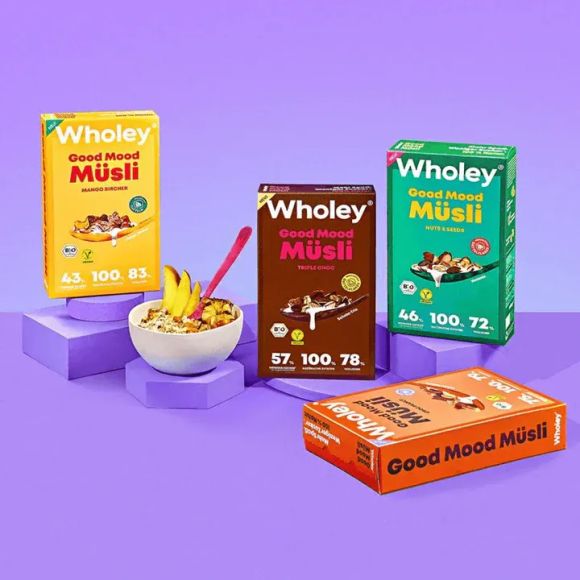
Wholey
Wholey Organics offers a range of organic, vegan breakfast products, including smoothie bowls, porridges, granolas, and nut butters, all free from artificial additives and refined sugars, designed for quick and nutritious meals.
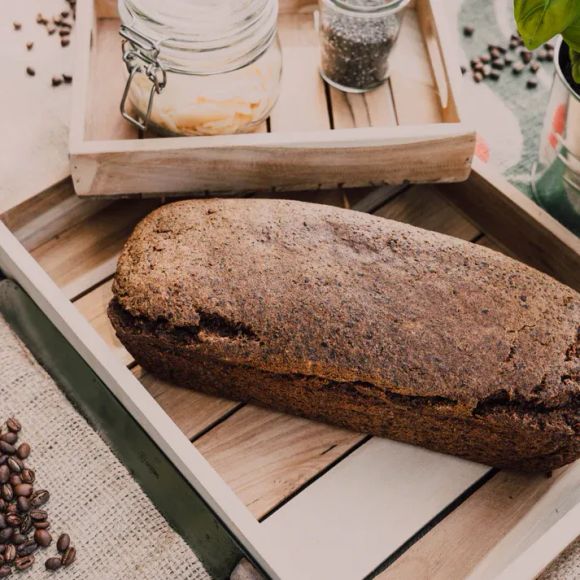
IQ Brot
IQ Brot offers gluten-free, low-carbohydrate breads and rolls with high protein content, designed to reduce blood sugar fluctuations, prevent cravings, and provide sustained nourishment.
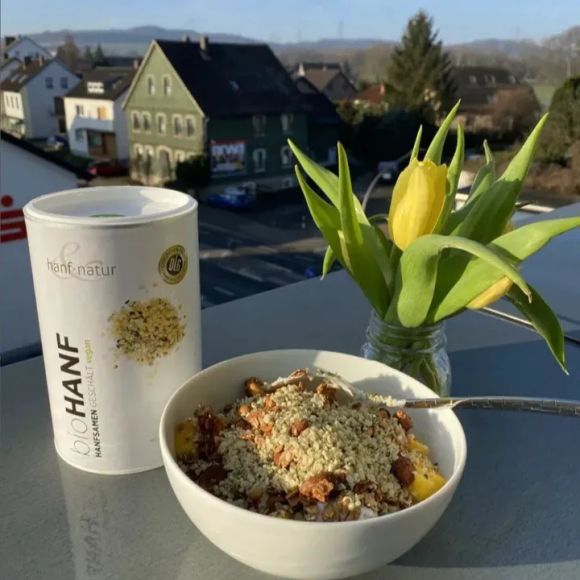
hanf&natur
Hanf-Natur is a trusted provider of organic hemp-based products, offering a wide range of foods, cosmetics, and textiles designed to promote health, sustainability, and well-being.
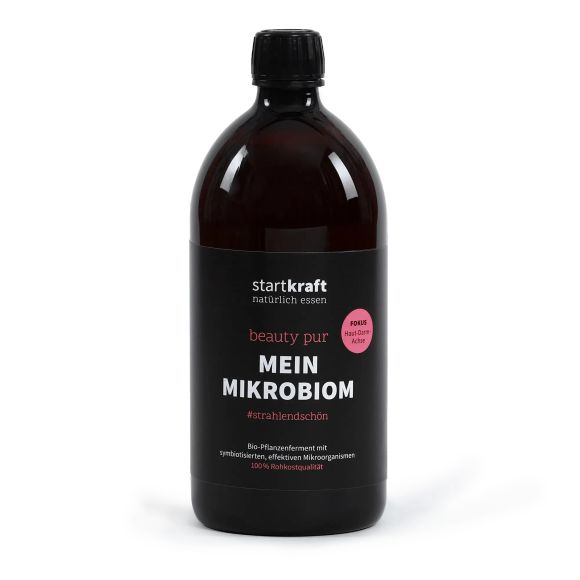
Startkraft
Startkraft is a German company specializing in high-quality, vegan raw food products crafted from sprouted and fermented ingredients, aimed at enhancing health and vitality.
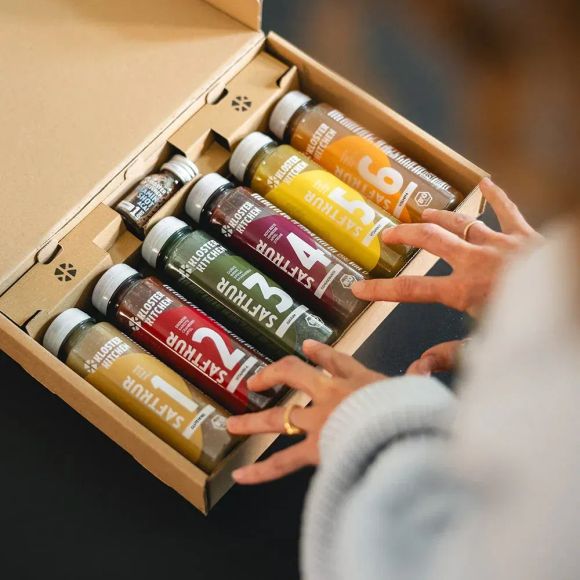
Kloster Kitchen
Kloster Kitchen offers organic ginger shots inspired by traditional monastery recipes, featuring real ginger pieces for a natural energy boost
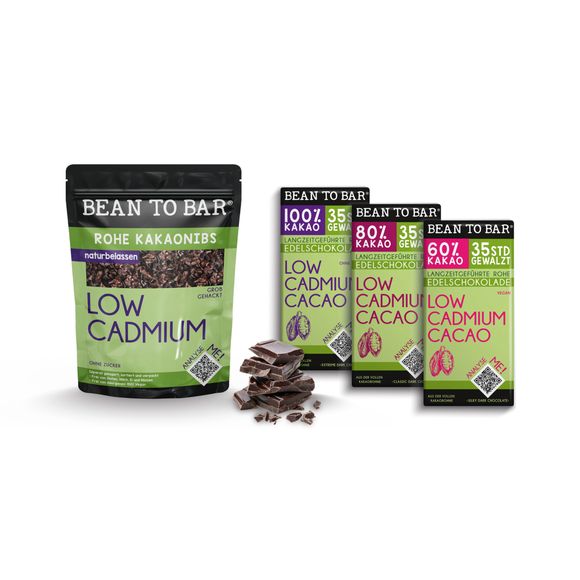
Edelmond Chocolatiers
Edelmond Chocolatiers GmbH is a German artisan chocolate manufacturer specializing in organic and fair-trade bean-to-bar chocolates, crafted without additives like lecithin or artificial flavors.