


Stop Tracking Stress
Happy Thursday, Zapien — Here’s what we’re diving into in this week’s issue:
Why Your Recovery Capacity Matters More Than Your Stress Tolerance – Discover how HRV, breathwork, sound therapy, and movement can train your nervous system to absorb stress, recover faster, and build genuine resilience from the inside out.
Dopamine Reset Guide – A practical, science-backed guide to resetting your dopamine system, restoring motivation, and breaking the cycle of overstimulation that undermines focus and long-term performance.
Community highlights: Muscle strength vs. mass for longevity, AI tools for evidence-based medical research, and clinical approaches to lymphatic edema management.
Dr. Lisa Lysachenko‘s Health Stack – Functional medicine and longevity physician specializing in hormone therapy, HRV analysis, and lab-guided protocols shares the personal stack she actually prescribes to herself — built around the philosophy that muscle is medicine, sleep is therapy, and consistency beats optimization every time.
Forever,
Karol, Martin, Simon & Andy
Community Discussion
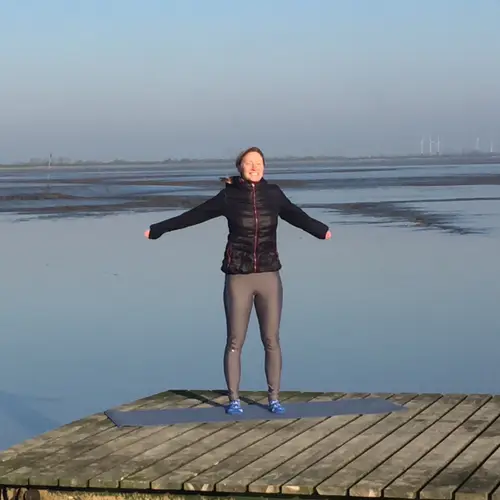


Why Your Recovery Capacity Matters More Than Your Stress Tolerance

Modern neuroscience is completely reframing what resilience actually means—and the implications are significant.
Julian Issa spent a decade rebuilding his own nervous system after a life-changing accident at 21 wired him into chronic dysregulation. Drawing on interviews with world-class performance experts and his own lived experience, he breaks down how to measure nervous system resilience through HRV, why breathwork gives you direct access to your autonomic state, how movement completes the stress cycle at a biological level, and why your recovery speed is the metric that actually predicts long-term performance.
How fast your nervous system returns to baseline after disruption determines everything that follows—and it turns out this capacity can be trained.
Short Hack Long Life
NSDR (Non-Sleep Deep Rest) for Nervous System Recovery
A 2025 RCT of 362 participants found daily yoga nidra practice reduced total diurnal cortisol and improved the natural circadian rhythm of cortisol release. A meta-analysis of 73 studies and 5,201 participants confirmed significant stress reduction and consistent shifts toward parasympathetic dominance — measurable through improved HRV and reduced blood pressure across 15 RCTs.
The fix: NSDR works by guiding the nervous system into a theta/alpha brainwave state — the zone between wakefulness and sleep — without requiring you to actually fall asleep. This directly activates parasympathetic dominance, lowers HPA axis activity, and gives your autonomic nervous system a genuine recovery window. Unlike passive rest, the guided format keeps you conscious enough to maintain the practice, which is what produces the physiological shift.
The Protocol:
🧊 When: 30 minutes once daily, ideally after lunch or between work blocks when cortisol naturally dips. Consistency over duration — the RCT showed 11 minutes daily over 2 months produced measurable cortisol changes. Morning sessions also work for post-sleep nervous system calibration.
🎯 Specificity: Use guided audio — this is not silent meditation. The voice guidance is what produces the theta state reliably without prior practice. Any session labeled yoga nidra works; the protocol is standardized.
🚫 Friction removal: Lying down is non-negotiable — seated versions don’t reliably produce the same physiological state. Use headphones for better immersion. If you fall asleep, that’s fine initially, but the goal is conscious relaxation. One session takes less time than a coffee break.
📊 Tracking: HRV the morning after consistent practice is your clearest signal — look for upward trends over 4–8 weeks. Subjective recovery quality, stress reactivity speed, and sleep depth are also reliable indicators.
Dopamine Reset GuidePractical Protocols for Reclaiming Your Focus ✔ Co-created with neuroscientist Dr. Teresa Cramer (MIT Picower Institute) | 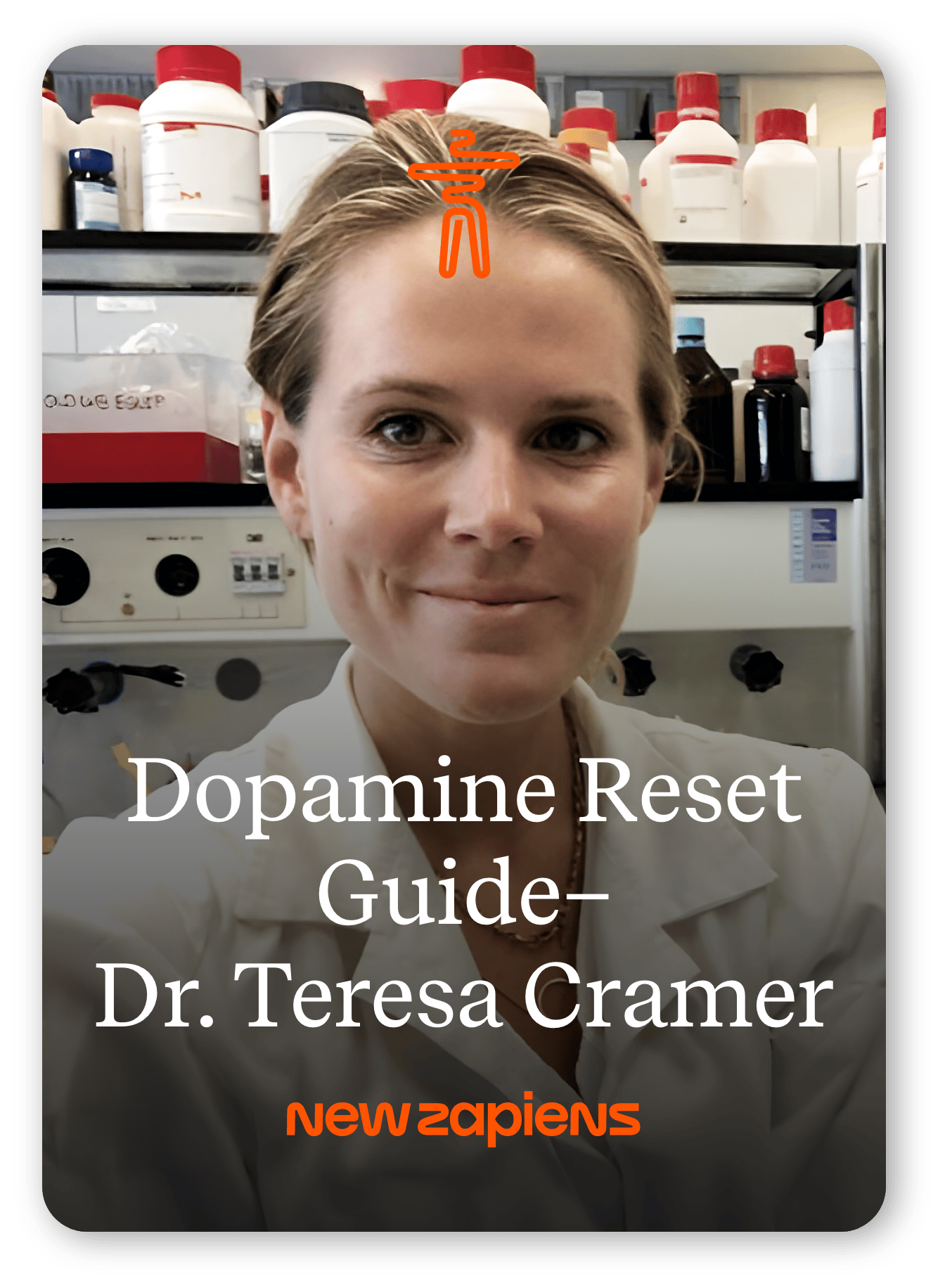 |
WhatsApp Group Summary
Muscle Strength vs. Muscle Mass: Which Should You Prioritize?
Discussion: A member asked whether building muscle mass is as important for longevity as the research suggests — and whether strength training or hypertrophy-focused work should take priority.
The verdict: The community clarified an important distinction: strength and power decline earlier and faster than muscle mass, making them the first intervention to prioritize. Mass remains valuable but responds more to nutrition paired with volume-focused training protocols. Chasing size without training for strength first is the wrong order of operations.
Consider this: Most longevity conversations conflate muscle mass with muscle strength — but they’re different adaptations with different timelines. If you’re deciding where to focus, train for strength first and let volume and nutrition handle mass. The biological clock on power and force production starts earlier than most people realize.
OpenEvidence & AI-Powered Medical Research Tools
Discussion: A member shared OpenEvidence as a resource for evidence-based medical research — an AI tool trained exclusively on peer-reviewed medical literature, eliminating the noise of forums, influencer content, and unverified sources.
The verdict: The community already uses it alongside Consensus — which surfaces research with cleaner visualizations — and Perplexity for broader queries. Each tool has a distinct strength: OpenEvidence for clinical depth, Consensus for visual synthesis of study findings, Perplexity for wider context.
Consider this: For anyone self-researching supplements, protocols, or biomarkers, these tools are a significant upgrade from standard search. The key difference is source quality — you’re querying the literature directly rather than whoever ranked highest on Google. Worth bookmarking all three and matching the tool to the question.
Lymphatic Edema: Treatments and Management Approaches
Discussion: A member asked for practical guidance on managing lymphatic edema — treatments, products, and approaches worth knowing about.
The verdict: A clinician in the community who treats lymphedema patients and trains therapists globally responded with context-specific advice, noting that the best approach depends heavily on the individual’s background and presentation. A detailed clinical breakdown of advanced treatment approaches is available here.
Consider this: Lymphedema management is highly individual — what works depends on the cause, stage, and whether it’s primary or secondary. This is one area where self-managing without professional guidance carries real risk. If you or someone you know is dealing with it, seek a certified lymphedema therapist before trialing products or protocols independently.
Community Health Stack
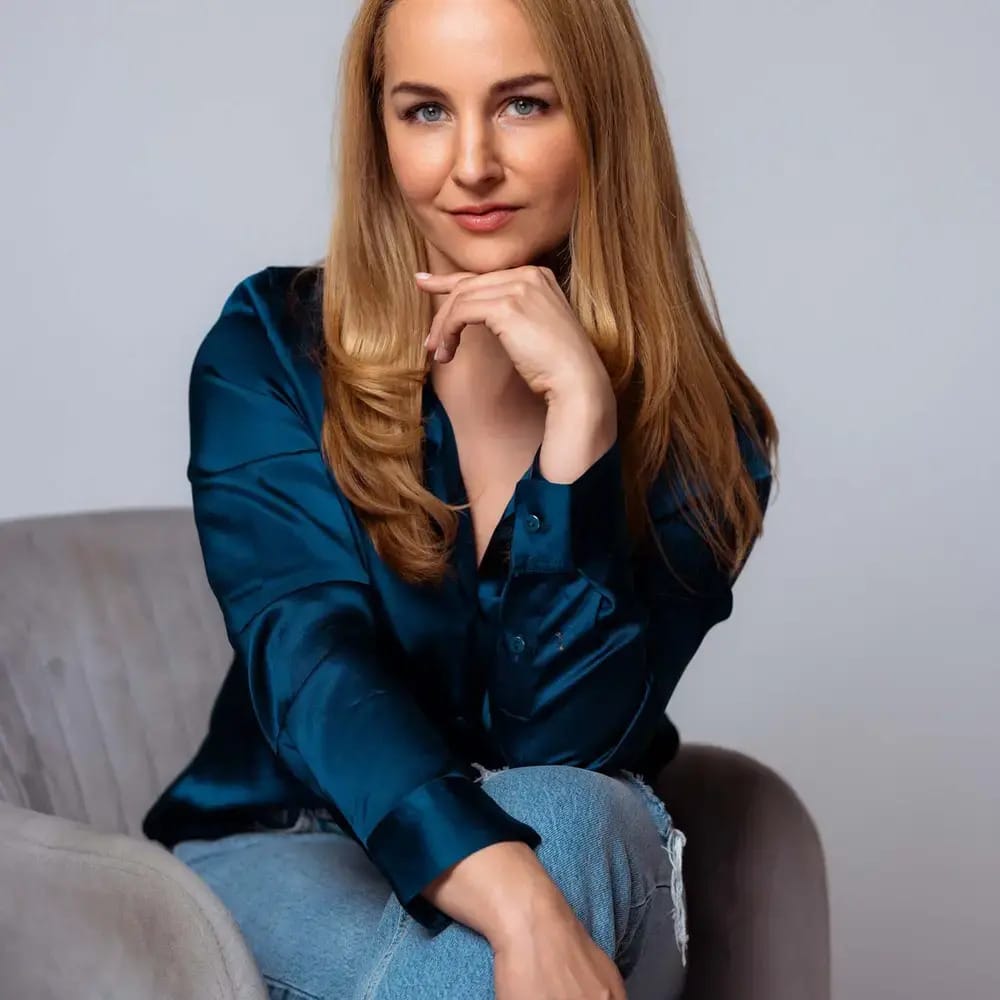
Dr. Lisa Lysachenko
Lisa built her longevity practice around one conviction: muscle is medicine and sleep is therapy — and she lives both to the letter. As a functional medicine physician specializing in hormone optimization, VNS/HRV analysis, and lab-guided protocols, she offers something rare — a doctor whose stack is as rigorous as her prescriptions.


Lisa`s Health Routine
Morning
- Wake up without snoozing – the first decision of the day sets the tone.
- 5–10 minutes of daylight exposure barefoot in the garden, or red light in wintertime.
- 400–600 ml water with a pinch of salt and lemon; coffee only after I’ve moved.
- Movement on training days: strength-focused session with compound lifts, progressive overload, and mobility.
- On non-training days: brisk walk, zone-2 cardio, yoga, or Pilates – ideally fasted.
- Protein-first breakfast (30–40 g): eggs, skyr, or a protein shake.
- Supplements guided by labs and symptoms, not by trends.
During the Day
- 8–10k steps as a non-negotiable baseline.
- Two protein-centered meals, minimal snacking.
- Blood sugar stability over calorie obsession.
- 90-minute focus blocks, no multitasking.
- Breath break before stressful calls: 5 slow exhales.
- Decisions based on data: quarterly lab testing, HRV and VNS analysis.
- Nervous system before performance.
🇩🇪 New Zapiens now speaks German 🇩🇪
We've just launched in German and want early feedback from the community. Create a health stack, ask a question, or join a conversation. Then let us know how it feels.