Knowledge
Magazine
-

The 24-Hour Sleep Model: Why Better Sleep Starts the Morning Before
8 min read
-

Eating for Longevity: Lessons From the World's Oldest People
9 min read
-

The Summer Health Kit: Supplies and Gadgets for Hot Days and Warm Nights
9 min read
Weekly picks on longevity, brands, and health science. No spam—unsubscribe anytime.
Tools
- →The 30s Longevity Guide for Women
- →Postpartum Recovery Guide
- →Perimenopause Longevity Guide
- →Dopamine Reset Guide
- →Pregnancy Longevity Guide
- →Peptide Guide
- →Home Detox Guide
- →Slow Aging Guide
- →Pro Supplement Guide
- →Safe Supplement Guide
- →Bio Age Calculator
- →Blood Testing Guide
- →Deep Sleep Guide
- →Pro Longevity Dashboard
By Category
By Goal
Knowledge
- →What is Longevity?
- →Improve diet
- →More focus
- →Look younger
- →Lose weight
- →Track biomarkers
- →Improve sleep
- →Build muscle
- →Increase cardio
- →Detect diseases
- →Recover faster
- →Relieve stress
Magazine
-
The 24-Hour Sleep Model: Why Better Sleep Starts the Morning Before
8 min read
-
Eating for Longevity: Lessons From the World's Oldest People
9 min read
-
The Summer Health Kit: Supplies and Gadgets for Hot Days and Warm Nights
9 min read
Weekly picks on longevity, brands, and health science. No spam—unsubscribe anytime.
Brands
- →Apps
- →At Home Tests & Kits
- →Events
- →Experts & Clinics
- →Foods & Beverages
- →Gadgets & Equipment
- →Gyms & Workouts
- →Supplements
- →Travel & Retreats
- →Wearables & Trackers
Tools
- →The 30s Longevity Guide for Women
- →Postpartum Recovery Guide
- →Perimenopause Longevity Guide
- →Dopamine Reset Guide
- →Pregnancy Longevity Guide
- →Peptide Guide
- →Home Detox Guide
- →Slow Aging Guide
- →Pro Supplement Guide
- →Safe Supplement Guide
- →Bio Age Calculator
- →Blood Testing Guide
- →Deep Sleep Guide
- →Pro Longevity Dashboard

Discover
Connect
Longevity Knowledge BETA
Antioxidants
Table of Contents
What antioxidants actually do
Antioxidants are molecules that neutralize reactive oxygen species (ROS), unstable compounds your cells produce constantly as a byproduct of mitochondrial energy metabolism. In small amounts, ROS function as signaling molecules that trigger repair and adaptation. The problem starts when ROS production outpaces your body's ability to clear them. This imbalance, called oxidative stress, damages DNA, proteins, and cell membranes, and it accelerates biological aging. Denham Harman proposed the free radical theory of aging in 1956, and while the picture has gotten more complex since then, the core insight holds: chronic, uncontrolled oxidative damage shortens healthspan [1].
Your body's built-in antioxidant defenses
Before reaching for a supplement bottle, it's worth understanding what your body already has in place. Glutathione is the most important endogenous antioxidant. It's a tripeptide made in every cell, and it handles detoxification, immune support, and recycling of vitamins C and E. Superoxide dismutase (SOD) converts superoxide radicals into hydrogen peroxide, which catalase then breaks down into water. These enzymes are the first line of defense.
The Nrf2 pathway ties it all together. When oxidative stress rises, Nrf2 activates hundreds of protective genes that ramp up antioxidant enzyme production, detoxification, and cellular repair [2]. Many polyphenols from food work through this pathway rather than by directly scavenging free radicals. They create a mild oxidative signal that triggers a disproportionately strong defensive response, a process called hormesis. This is why eating colorful plant foods consistently outperforms popping isolated antioxidant pills in clinical research [3].
Polyphenols and how they protect cells
Polyphenols are plant compounds found in berries, green tea, coffee, dark chocolate, olive oil, and spices. The major subclasses include flavonoids (quercetin, catechins, anthocyanins), stilbenes (resveratrol), phenolic acids (chlorogenic acid), and lignans (from flaxseed). What makes polyphenols interesting is their dual mechanism: they act as direct radical scavengers at high concentrations, but at the lower concentrations achieved through normal eating, they primarily work by activating Nrf2 and other adaptive stress pathways [2]. A 2025 review confirmed that dietary polyphenols reduce markers of inflammation and oxidative stress across multiple organ systems [4].
Antioxidant-rich foods vs. supplements
The evidence on this point is clear. Large randomized trials consistently show that whole foods rich in antioxidants reduce disease risk, while isolated high-dose supplements often don't, and sometimes cause harm. The SELECT trial found that high-dose vitamin E increased prostate cancer risk by 17% [5]. The ATBC and CARET trials showed that beta-carotene supplements raised lung cancer rates in smokers by 20% [6]. The problem isn't the antioxidants themselves. It's that mega-doses of single compounds disrupt the finely tuned redox balance your cells depend on.
The foods with the strongest evidence include blueberries, blackberries, strawberries, dark leafy greens, cruciferous vegetables, green tea, coffee, turmeric, dark chocolate (70%+ cacao), and extra virgin olive oil. Eating a variety matters more than chasing any single "superfood" because different antioxidants protect different tissues and recycle each other.
When supplements make sense
A few targeted antioxidant supplements have solid evidence behind them, particularly for people who can't get enough from diet alone:
- N-acetylcysteine (NAC) is a well-studied glutathione precursor. A 2024 meta-analysis of 26 studies found it significantly increases total antioxidant capacity and reduces inflammatory markers like IL-6 [7]
- Astaxanthin, a carotenoid from microalgae, has 100-500 times the radical-scavenging capacity of vitamin E. Clinical trials show benefits for skin health, joint inflammation, and CRP reduction at doses of 4-12 mg daily [8]
- Alpha-lipoic acid is both water- and fat-soluble, letting it work throughout the cell. It recycles vitamins C and E and regenerates glutathione
Antioxidants and exercise: a tricky relationship
This is where many people get the dosing wrong. Exercise generates a burst of ROS in working muscles. That burst isn't damage; it's a training signal. It activates PGC-1alpha, which drives mitochondrial biogenesis, and it improves insulin sensitivity through ROS-dependent pathways. A landmark PNAS study showed that vitamin C and E supplements taken around training sessions blocked these adaptations entirely [9]. A 2024 meta-analysis added nuance: in older adults, antioxidants combined with exercise may actually enhance muscle strength, possibly because aging muscles have less capacity to handle oxidative stress on their own [10]. The practical takeaway: if you're young and training hard, skip antioxidant supplements in the hours around exercise. If you're over 65, the calculation may be different.
References
- 1. Antioxidants in Age-Related Diseases and Anti-Aging Strategies (Antioxidants, 2022)
- 2. Antioxidant-Rich Functional Foods and Exercise: Unlocking Metabolic Health Through Nrf2 and Related Pathways (IJMS, 2025)
- 3. Antioxidants: a comprehensive review (PMC, 2025)
- 4. Targeting natural antioxidant polyphenols to protect neuroinflammation (Frontiers in Pharmacology, 2025)
- 5. Dietary Supplements and Cancer Prevention: Balancing Potential Benefits Against Proven Harms (JNCI, 2012)
- 6. Antioxidants and Cancer Prevention Fact Sheet (National Cancer Institute)
- 7. N-acetylcysteine dose-response meta-analysis of controlled clinical trials (Pharmacological Research, 2023)
- 8. Therapeutic uses of natural astaxanthin: An evidence-based review of human clinical trials (Pharmacological Research, 2021)
- 9. Antioxidants prevent health-promoting effects of physical exercise in humans (PNAS, 2009)
- 10. Systematic review and meta-analysis of antioxidants with or without exercise training improving muscle condition in older adults (Scientific Reports,...
Eat the rainbow for antioxidant variety
Skip antioxidant pills around workouts
Drink green tea for daily polyphenol intake
Consider astaxanthin for targeted protection
Avoid mega-dosing single antioxidants
Can antioxidants interfere with exercise benefits?
What is the Nrf2 pathway and why does it matter for antioxidants?
Is NAC a good antioxidant supplement?
Do antioxidant supplements actually slow aging?
What are the best food sources of antioxidants?

The Best Vitality & Health Protocols | Dr. Rhonda Patrick

TSS ep 4: Unlocking High Performance: Short Intervals, Micronutrition, Vitamin D & Antioxidant Adaptation

How metabolic and immune system dysfunction drive the aging process, the role of NAD, promising interventions, aging clocks, and more | Eric Verdin, M.D.
Skincare strategies, the science of facial aging, and cosmetic-intervention guidance | Tanuj Nakra, M.D. & Suzan Obagi, M.D.

#103 A Deep Dive on Using Coffee For Health & Longevity (Full Guide & Research)
#101 Dr. Andy Galpin: The Optimal Diet, Supplement, & Recovery Protocol for Peak Performance
No discussions yet
Be the first to start a discussion about Antioxidants.
Related Articles


Community Discussions
Related Brands
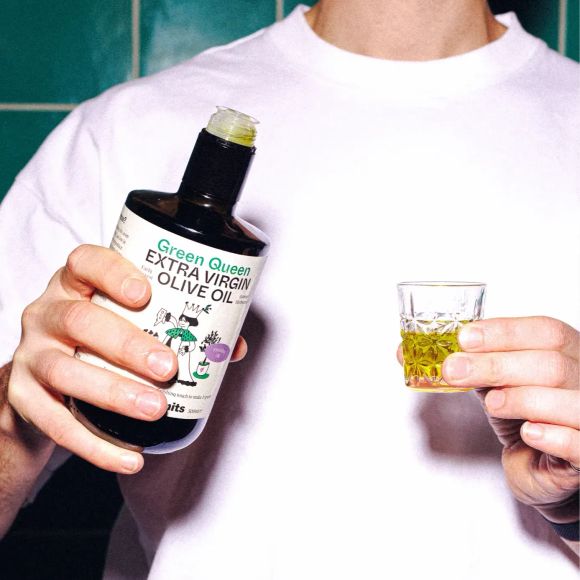
OlvLimits

OlvLimits offers extra-virgin olive oil that is high in polyphenols and third-party lab-tested.
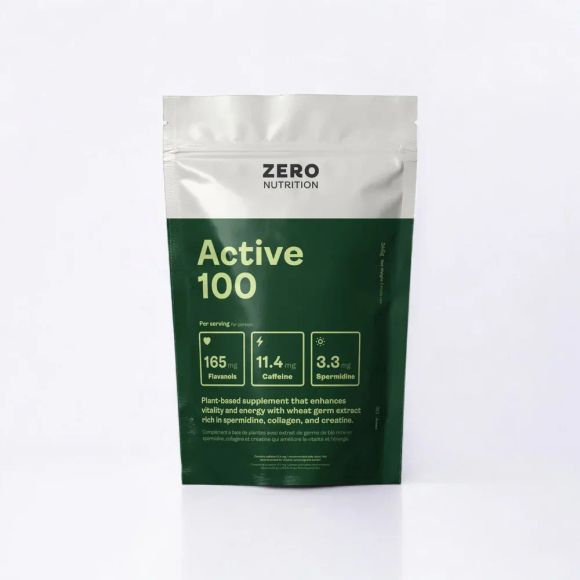
Zero Nutrition
Zero Nutrition offers science-driven supplements designed to combat aging and enhance overall health. Their products, such as ACTIVE100, SLEEP100, and EVOO100, are formulated with high-quality ingredients to support cellular repair, improve sleep quality, and provide antioxidant benefits. Committed to transparency and efficacy, Zero Nutrition ensures all supplements are independently tested and made in Europe.

Spiralsun
Spiral Sun™ is a premium wellness brand based in Amsterdam, specializing in innovative health products designed to enhance overall well-being. Their offerings include hydrogen water bottles, infrared sauna blankets, PEMF therapy mats, and red light therapy devices, all crafted to integrate seamlessly into daily routines and promote a healthier lifestyle.
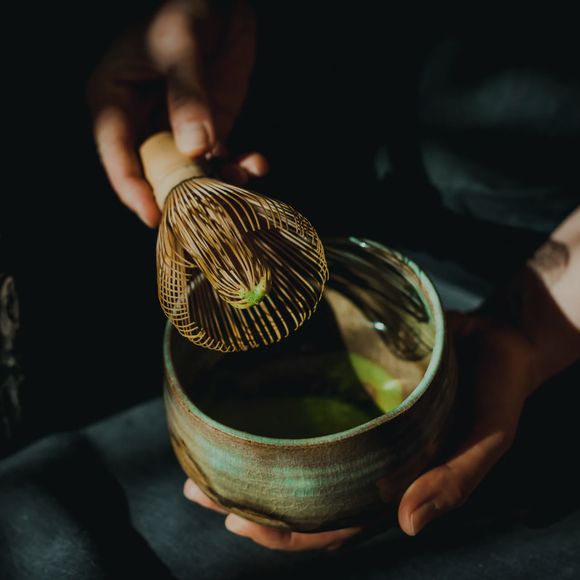
Very Matcha
Very Matcha offers authentic organic Japanese matcha (Ceremony & Barista grades), harvested and imported directly from Kagoshima, with sustainable packaging and high antioxidant power.
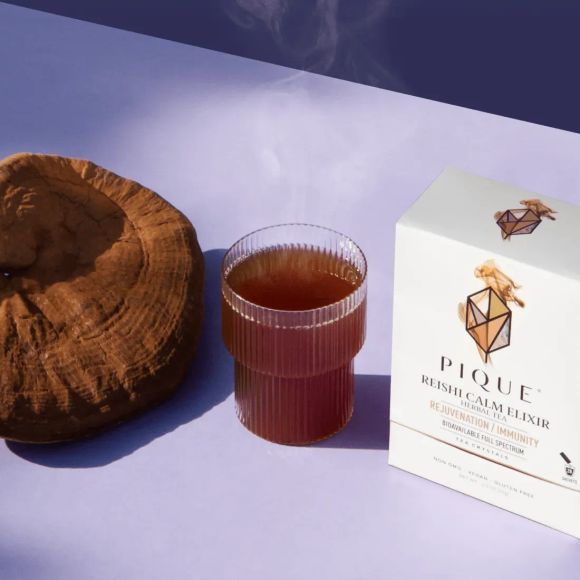
Pique
Pique Life offers fast‑dissolving tea crystals, botanical supplements, and functional beverages designed to support radiant skin, calm energy, immune balance, and digestive resilience.
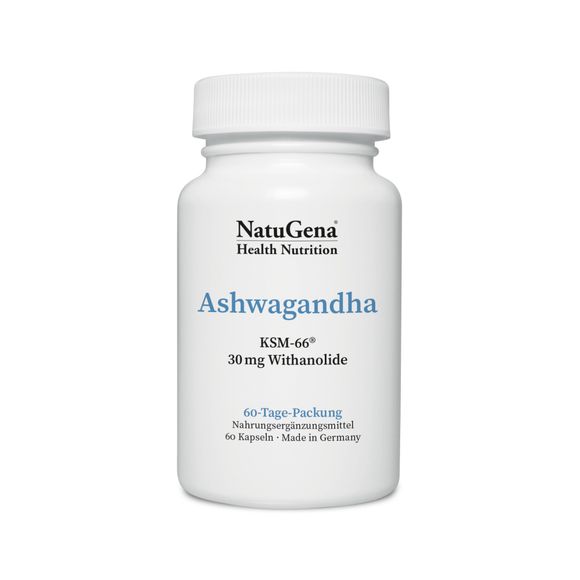
NatuGena

NatuGena GmbH is a Munich-based company specializing in the development of high-quality dietary supplements that combine the latest scientific research with natural ingredients.
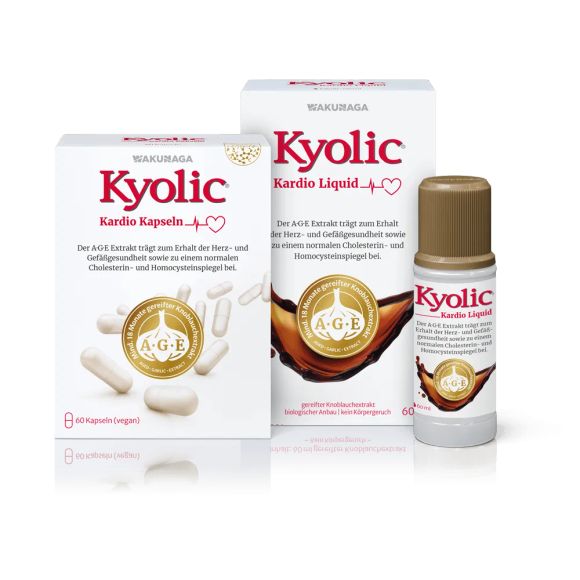
Kyolic
Kyolic® offers premium, aged garlic extract supplements designed to support cardiovascular health, utilizing a unique aging process to enhance efficacy and reduce odor.
H.P.N Store

HPN Store is a German-based online retailer specializing in high-quality nutritional supplements designed to support various health and fitness goals. Their extensive product range includes solutions for weight management, general health, sleep enhancement, sports performance, and digestive health. With a commitment to science-backed formulations, HPN Store caters to individuals seeking to optimize their well-being and physical performance.
Nature's Plus
Nature’s Plus is a legacy supplement brand (since 1972) offering whole‑food multivitamins, AgeLoss formulas, and system‑support blends crafted for quality, vitality, and long‑term wellness.
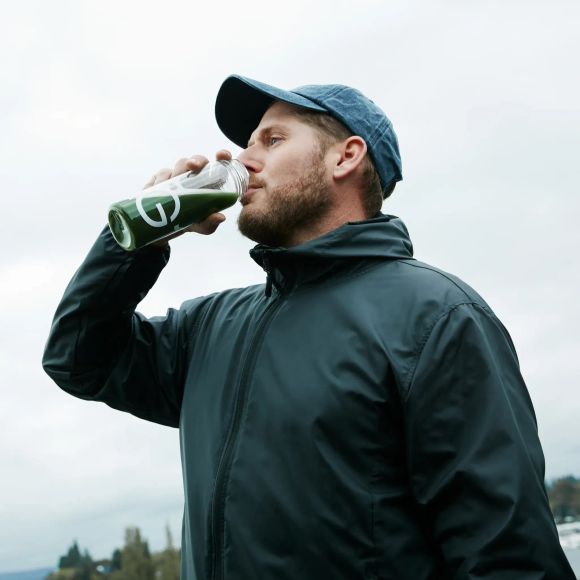
AG1
AG1 offers a comprehensive nutritional supplement designed to replace multiple other supplements. It provides a wide range of nutrients, including vitamins, minerals, probiotics, fiber, antioxidants, high-quality mushrooms, and natural plant extracts, all in one convenient scoop per day.