Knowledge
Magazine
-

The 24-Hour Sleep Model: Why Better Sleep Starts the Morning Before
8 min read
-

Eating for Longevity: Lessons From the World's Oldest People
9 min read
-

The Summer Health Kit: Supplies and Gadgets for Hot Days and Warm Nights
9 min read
Weekly picks on longevity, brands, and health science. No spam—unsubscribe anytime.
Tools
- →The 30s Longevity Guide for Women
- →Postpartum Recovery Guide
- →Perimenopause Longevity Guide
- →Dopamine Reset Guide
- →Pregnancy Longevity Guide
- →Peptide Guide
- →Home Detox Guide
- →Slow Aging Guide
- →Pro Supplement Guide
- →Safe Supplement Guide
- →Bio Age Calculator
- →Blood Testing Guide
- →Deep Sleep Guide
- →Pro Longevity Dashboard
By Category
By Goal
Knowledge
- →What is Longevity?
- →Improve diet
- →More focus
- →Look younger
- →Lose weight
- →Track biomarkers
- →Improve sleep
- →Build muscle
- →Increase cardio
- →Detect diseases
- →Recover faster
- →Relieve stress
Magazine
-
The 24-Hour Sleep Model: Why Better Sleep Starts the Morning Before
8 min read
-
Eating for Longevity: Lessons From the World's Oldest People
9 min read
-
The Summer Health Kit: Supplies and Gadgets for Hot Days and Warm Nights
9 min read
Weekly picks on longevity, brands, and health science. No spam—unsubscribe anytime.
Brands
- →Apps
- →At Home Tests & Kits
- →Events
- →Experts & Clinics
- →Foods & Beverages
- →Gadgets & Equipment
- →Gyms & Workouts
- →Supplements
- →Travel & Retreats
- →Wearables & Trackers
Tools
- →The 30s Longevity Guide for Women
- →Postpartum Recovery Guide
- →Perimenopause Longevity Guide
- →Dopamine Reset Guide
- →Pregnancy Longevity Guide
- →Peptide Guide
- →Home Detox Guide
- →Slow Aging Guide
- →Pro Supplement Guide
- →Safe Supplement Guide
- →Bio Age Calculator
- →Blood Testing Guide
- →Deep Sleep Guide
- →Pro Longevity Dashboard

Discover
Connect
Longevity Knowledge BETA
Berries
Table of Contents
Why berries matter for longevity
Berries are one of the few foods where the health claims actually hold up under scientific scrutiny. Blueberries, strawberries, blackberries, and raspberries pack an unusually high concentration of polyphenols, particularly anthocyanins, the pigments responsible for their deep colors. These compounds don't just act as antioxidants in a test tube. They reduce systemic inflammation, improve blood vessel function, and cross the blood-brain barrier to protect neurons [1]. Epidemiological data from the Nurses' Health Study found that women eating at least one serving of blueberries and two servings of strawberries per week had cognitive decline rates 2.5 years slower than non-consumers [2].
Berries and cardiovascular health
The cardiovascular evidence is strong. A double-blind randomized controlled trial found that daily wild blueberry powder (equivalent to about 178g fresh berries) improved vascular function and lowered 24-hour systolic blood pressure in healthy older adults [3]. Broader analyses estimate that regular berry consumption reduces heart attack or stroke risk by roughly 13% and overall cardiovascular disease risk by 11-15% [4]. The mechanism involves multiple pathways: anthocyanins improve endothelial function, reduce arterial stiffness, and lower LDL oxidation. These effects appear dose-dependent, meaning more regular consumption produces stronger results.
Brain protection and cognitive function
Berry anthocyanins accumulate in brain regions responsible for memory and learning. A 2025 meta-analysis in GeroScience confirmed that anthocyanin-rich foods significantly improve global cognition compared to placebo, with the clearest benefits for episodic memory, visuospatial processing, and attention [5]. In older adults with mild cognitive impairment, blueberry supplementation improved episodic memory in multiple trials [6]. The mechanisms include reduced neuroinflammation, enhanced neuroplasticity, improved cerebral blood flow, and better neuronal calcium signaling.
Gut health and metabolic effects
Between 90% and 95% of ingested berry polyphenols reach the colon, where they act as prebiotics. They increase populations of Bifidobacterium, Lactobacillus, and Akkermansia, bacteria consistently linked to metabolic health and reduced inflammation [7]. Berry fiber and polyphenols work synergistically: the fiber carries polyphenols to the colon, where gut bacteria metabolize them into smaller bioactive compounds. This interaction partly explains why whole berries outperform isolated supplements. For blood sugar control, berries reduce the postprandial glucose spike after sucrose-containing meals, though the evidence for lasting improvements in insulin resistance is still mixed [8].
Fresh vs. frozen, and how much to eat
Frozen berries are nutritionally equivalent to fresh and may actually be slightly better. Freezing ruptures plant cell walls, which increases anthocyanin bioavailability. Studies show no loss of total anthocyanins after up to five months of frozen storage [9]. Most clinical trials showing benefits use portions equivalent to 125-250g (about one to two cups) daily. A practical target: one cup of mixed berries per day, fresh or frozen. Eating multiple varieties maximizes the range of polyphenols, since blueberries are richest in anthocyanins, strawberries in vitamin C and ellagic acid, and blackberries in proanthocyanidins. Pair berries with a small amount of fat (yogurt, nuts) to boost absorption.
References
- 1. Berries: improving human health and healthy aging, and promoting quality life (J Agric Food Chem, 2010)
- 2. Dietary intakes of berries and flavonoids in relation to cognitive decline (Annals of Neurology, 2012)
- 3. Wild blueberry (poly)phenols can improve vascular function and cognitive performance in healthy older individuals: a double-blind RCT (Am J Clin Nutr,...
- 4. Cardiovascular disease protective properties of blueberry polyphenols: a concise review (Food Production, Processing and Nutrition, 2023)
- 5. The effect of anthocyanins and anthocyanin-rich foods on cognitive function: a meta-analysis of RCTs (GeroScience, 2025)
- 6. Blueberries for brainpower: a systematic review and meta-analysis with Bayesian post hoc analysis of RCTs in the elderly (2025)
- 7. Berry polyphenols metabolism and impact on human gut microbiota and health (Food & Function, 2020)
- 8. Dietary berries, insulin resistance and type 2 diabetes: an overview of human feeding trials (Food & Function, 2020)
- 9. The Change of Total Anthocyanins in Blueberries and Their Antioxidant Effect After Drying and Freezing (J Biomed Biotechnol, 2004)
One cup of berries daily
Frozen berries work just as well
Mix your berry varieties
Pair berries with a fat source
Start early for brain protection
Which berry is the healthiest?
Are frozen berries as nutritious as fresh?
How many berries should I eat per day for health benefits?
Can berries really slow brain aging?
Do berries help lower blood pressure?

Dr Rachel Rubin: Women’s Sexual Health, Menopause, Hormone Replacement Therapy (HRT), and Orgasms!

Essentials: Food & Supplements for Brain Health & Cognitive Performance
Leading Nutritional Scientist: Seed Oils Are Not Bad For You! Eating This Twice A Day Will Help Menopause! The Alarming Link Between Chewing & Belly Fat!
No discussions yet
Be the first to start a discussion about Berries.
Community Discussions
Related Brands
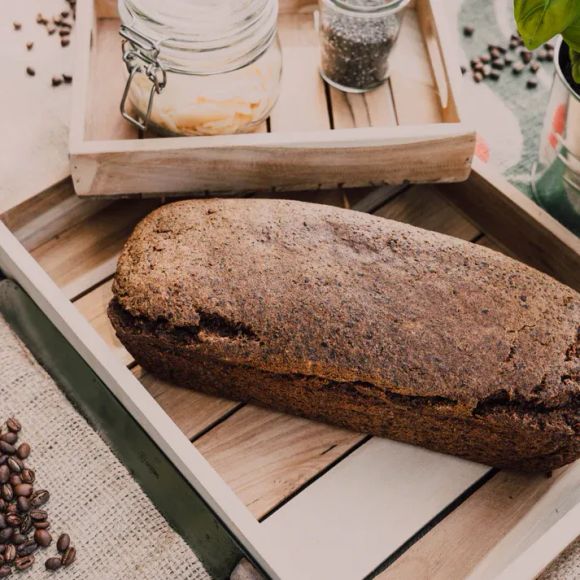
IQ Brot

IQ Brot offers gluten-free, low-carbohydrate breads and rolls with high protein content, designed to reduce blood sugar fluctuations, prevent cravings, and provide sustained nourishment.
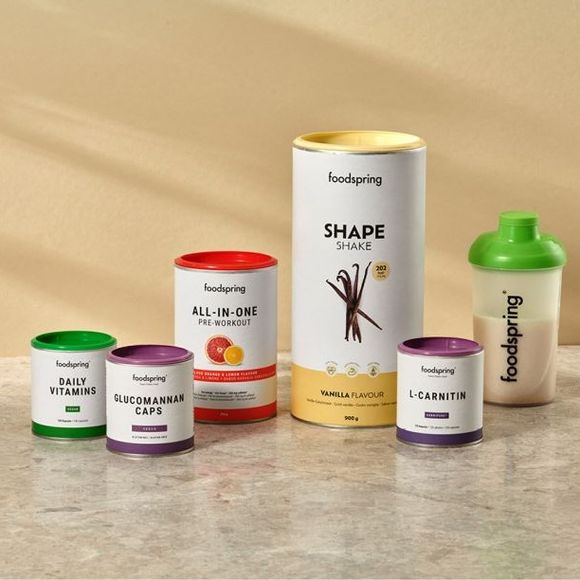
Foodspring
Foodspring is a German company specializing in premium fitness foods and sports nutrition products. Founded in 2013, the company offers a diverse range of products, including protein powders, bars, snacks, and supplements, designed to support muscle building, weight management, and overall health. In 2019, Foodspring was acquired by Mars, Incorporated, and continues to operate as an independent brand.
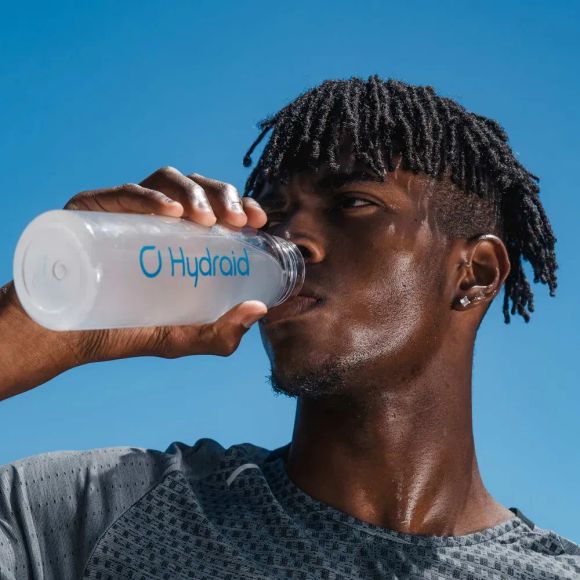
Hydraid

Hydraid offers the Hydration Helper®, a scientifically formulated oral rehydration solution designed to rapidly replenish fluids and electrolytes lost during physical activity, supporting optimal hydration and recovery.
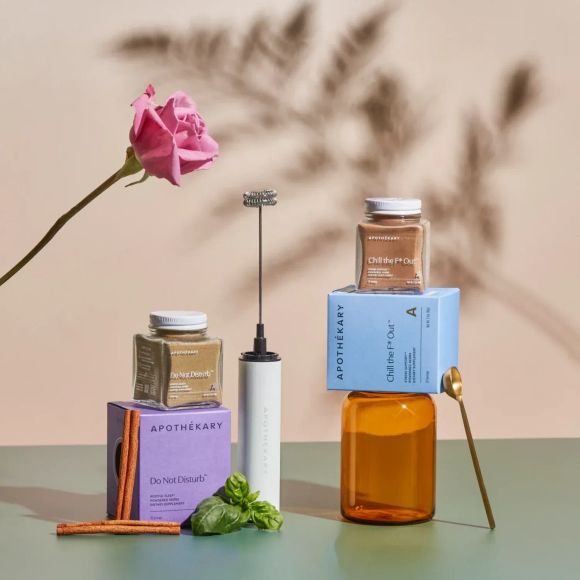
Apothékary
Apothékary offers natural herbal remedies designed to target the root causes of health imbalances.
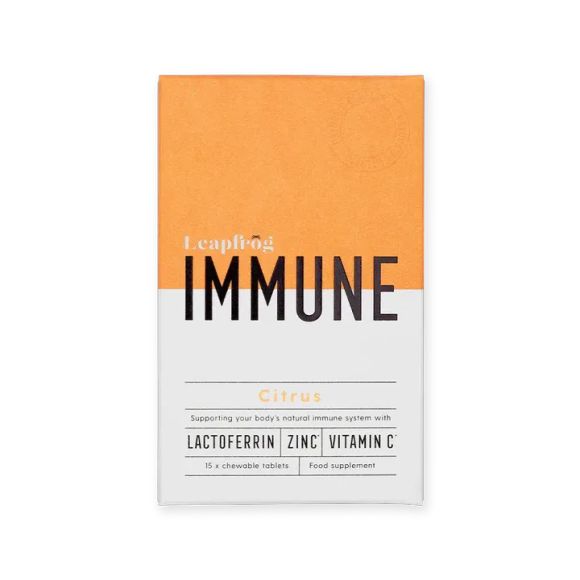
Leap Frog
Leapfrog Remedies, founded in September 2020 by journalist Stephanie Drax, is the UK's first lactoferrin supplement brand. The company offers chewable tablets formulated with natural ingredients like lactoferrin, zinc, and vitamin C to support the immune system, as well as supplements containing Lactium® and vitamin B6 to promote relaxation and sleep.
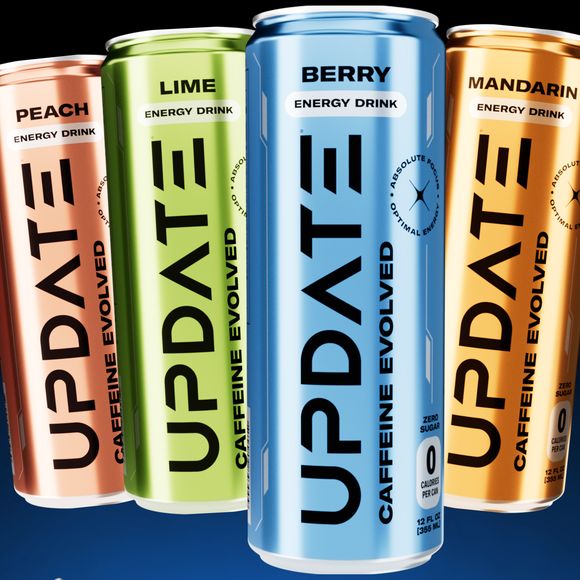
Update
Update is a caffeine-free, sugar-free energy drink that utilizes paraxanthine, a metabolite of caffeine, to provide clean, sustained energy without the typical jitters or crashes associated with traditional caffeinated beverages. Available in flavors like Berry, Lime, Mandarin, and Peach, Update offers a refreshing alternative for those seeking enhanced focus and productivity.