Knowledge
Magazine
-

The 24-Hour Sleep Model: Why Better Sleep Starts the Morning Before
8 min read
-

Eating for Longevity: Lessons From the World's Oldest People
9 min read
-

The Summer Health Kit: Supplies and Gadgets for Hot Days and Warm Nights
9 min read
Weekly picks on longevity, brands, and health science. No spam—unsubscribe anytime.
Tools
- →The 30s Longevity Guide for Women
- →Postpartum Recovery Guide
- →Perimenopause Longevity Guide
- →Dopamine Reset Guide
- →Pregnancy Longevity Guide
- →Peptide Guide
- →Home Detox Guide
- →Slow Aging Guide
- →Pro Supplement Guide
- →Safe Supplement Guide
- →Bio Age Calculator
- →Blood Testing Guide
- →Deep Sleep Guide
- →Pro Longevity Dashboard
By Category
By Goal
Knowledge
- →What is Longevity?
- →Improve diet
- →More focus
- →Look younger
- →Lose weight
- →Track biomarkers
- →Improve sleep
- →Build muscle
- →Increase cardio
- →Detect diseases
- →Recover faster
- →Relieve stress
Magazine
-
The 24-Hour Sleep Model: Why Better Sleep Starts the Morning Before
8 min read
-
Eating for Longevity: Lessons From the World's Oldest People
9 min read
-
The Summer Health Kit: Supplies and Gadgets for Hot Days and Warm Nights
9 min read
Weekly picks on longevity, brands, and health science. No spam—unsubscribe anytime.
Brands
- →Apps
- →At Home Tests & Kits
- →Events
- →Experts & Clinics
- →Foods & Beverages
- →Gadgets & Equipment
- →Gyms & Workouts
- →Supplements
- →Travel & Retreats
- →Wearables & Trackers
Tools
- →The 30s Longevity Guide for Women
- →Postpartum Recovery Guide
- →Perimenopause Longevity Guide
- →Dopamine Reset Guide
- →Pregnancy Longevity Guide
- →Peptide Guide
- →Home Detox Guide
- →Slow Aging Guide
- →Pro Supplement Guide
- →Safe Supplement Guide
- →Bio Age Calculator
- →Blood Testing Guide
- →Deep Sleep Guide
- →Pro Longevity Dashboard

Discover
Connect
Longevity Knowledge BETA
Bioactives
Table of Contents
Bioactives: beyond vitamins and minerals
Bioactive compounds are molecules in plants, fungi, and certain animal foods that affect human biology beyond basic nutrition. Unlike essential vitamins and minerals, you will not develop deficiency diseases without them. But regular consumption correlates with reduced inflammation, better metabolic health, and slower aging [1]. These compounds evolved to protect plants from stress, and they trigger similar protective responses in human cells.
Polyphenols represent the largest and most studied class of bioactives. Found in colorful fruits, vegetables, tea, coffee, and cocoa, they activate cellular defense pathways [1]. Sulforaphane from broccoli sprouts switches on detoxification enzymes [2]. Curcumin from turmeric modulates inflammation [3]. Resveratrol from grapes and berries activates sirtuins, proteins linked to longevity. The list grows as research expands.
How bioactives work in your body
Bioactives do not work like drugs with single targets. Instead, they act through hormesis, the principle that mild stress triggers adaptive responses. A small dose of a bioactive compound signals cells to activate protective pathways. Nrf2, a master regulator of antioxidant defenses, responds to many bioactives by increasing production of detoxification enzymes and antioxidant proteins [5].
AMPK, another key pathway, responds to compounds like berberine and metformin by improving insulin sensitivity and promoting cellular cleanup processes. These pathways evolved to help organisms survive environmental challenges. Regular consumption of bioactive-rich foods keeps these systems primed.
Polyphenols: the heavy hitters
Polyphenols divide into flavonoids, phenolic acids, stilbenes, and lignans. Flavonoids include anthocyanins that give berries their blue and red colors, catechins abundant in green tea, and quercetin found in onions and apples. Each subclass has distinct effects, but common themes include improved vascular function, reduced oxidative stress, and better metabolic health [1]. Green tea catechins support cognitive function and may protect against age-related cognitive decline [4].
Practical application
The best approach is diversity. No single bioactive provides all benefits. A diet rich in colorful plants, herbs, spices, and fermented foods delivers a spectrum of these compounds. Supplements can help for specific goals, like sulforaphane for detoxification support or curcumin for inflammation management. But whole foods remain the foundation.
References
- 1. Dietary Polyphenols and Human Health: The Role of Bioavailability and Metabolism (Nutrients, 2023)
- 2. Sulforaphane-rich Broccoli Sprout Extract Improves Airway Inflammation: A Randomized Trial (Journal of Clinical Immunology, 2022)
- 3. Curcumin and Inflammation: A Systematic Review of Clinical Trials (Journal of Medicinal Food, 2023)
- 4. Green Tea Catechins and Cognitive Function: A Meta-analysis of Randomized Controlled Trials (Phytotherapy Research, 2022)
- 5. The Nrf2-Antioxidant Response Element Signaling Pathway and Its Activation by Plant Bioactives (Annual Review of Nutrition, 2023)
Choose broccoli sprouts over mature broccoli
Matcha beats regular green tea for catechins
Eat the color spectrum
Add fat to increase absorption
Coffee and cocoa count as bioactive sources
Are bioactive supplements as effective as whole foods?
How quickly do bioactive compounds work?
Can you get too many bioactive compounds?
Which bioactives have the strongest scientific evidence?

Essentials: The Science & Treatment of Obsessive Compulsive Disorder (OCD)
Transform Your Metabolic Health & Longevity by Knowing Your Unique Biology | Dr. Michael Snyder

#105 Exogenous ketones, my coffee protocol, and supplements for blood sugar regulation (Premium Member Q&A July 2025)
The Chemistry of Food & Taste | Dr. Harold McGee

AMA #36: Fruits & vegetables—everything you need to know
#066 Dr. Mark Mattson on the Benefits of Stress, Metabolic Switching, Fasting, and Hormesis
No discussions yet
Be the first to start a discussion about Bioactives.
Related Brands
Fairvital

Fairvital offers a wide range of high-quality bioactive nutritional supplements designed to support health and well-being, including vitamins, minerals, plant extracts, and more, catering to various health needs.

ARMRA Colostrum
ARMRA Colostrum™ is a premium bovine colostrum supplement designed to strengthen immune barriers, optimize gut health, and enhance overall vitality.
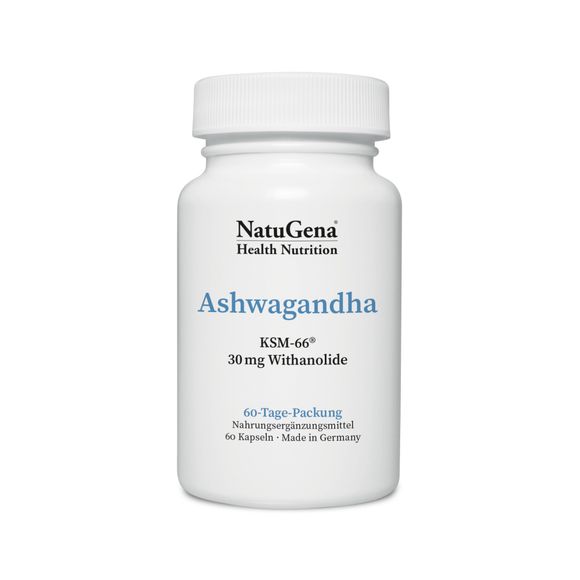
NatuGena

NatuGena GmbH is a Munich-based company specializing in the development of high-quality dietary supplements that combine the latest scientific research with natural ingredients.
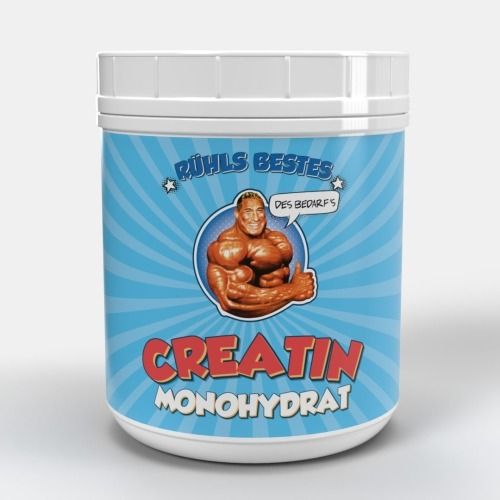
Rühl24
Rühl24 is Markus Rühl’s fitness and supplement brand from Germany, offering a wide range of sports nutrition products (proteins, amino acids, boosters) and fitness gear—with direct manufacturing and “from athlete to athlete” branding.
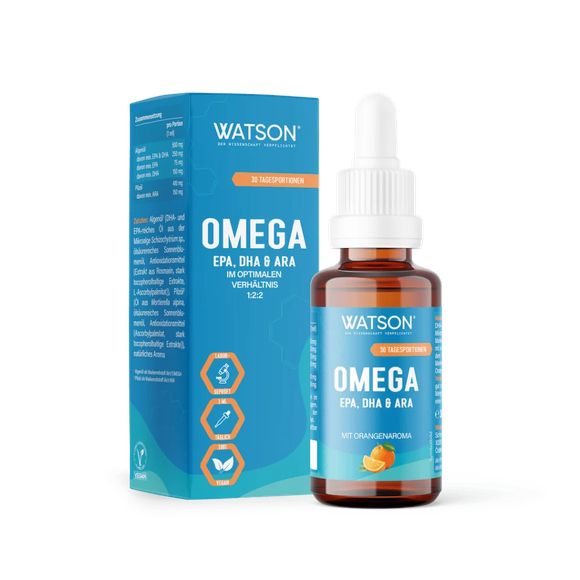
Watson
Watson Nutrition offers laboratory-tested, vegan dietary supplements formulated by nutritionist Niko Rittenau, providing essential vitamins, minerals, and nutrients to support individuals following plant-based diets.
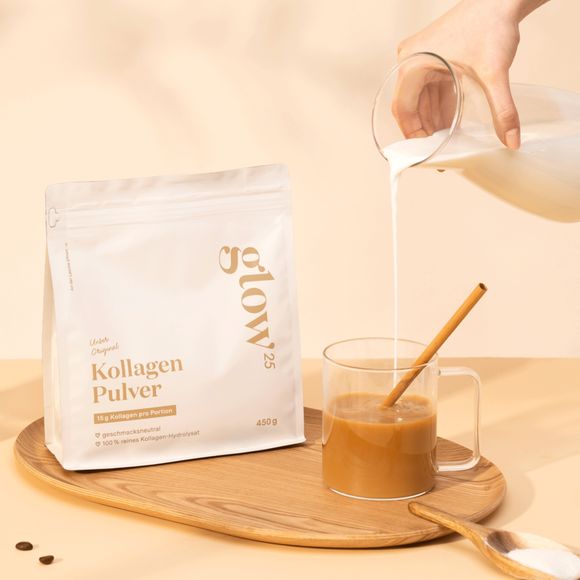
Glow25
Glow25, a German company, specializes in premium collagen supplements designed to promote healthy skin, hair, and nails. Their flagship product, the Glow25 Collagen Powder, is a bioactive collagen hydrolysate aimed at enhancing natural beauty from within.
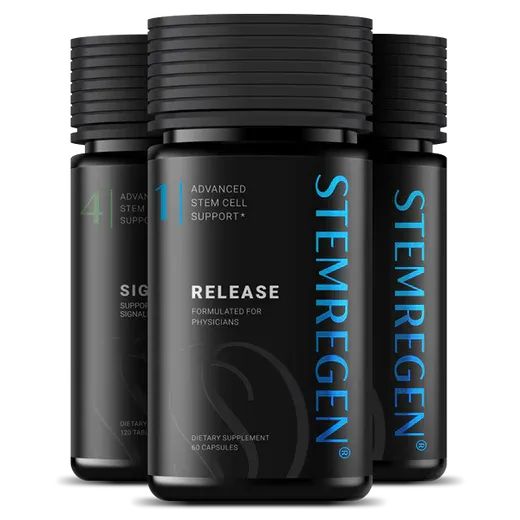
Stemregen

Stemregen offers advanced natural supplements designed to support and enhance the body's innate stem cell regeneration process. Their proprietary blend of plant extracts and bioactives is scientifically formulated to promote optimal health, longevity, and vitality by increasing the number of circulating stem cells.
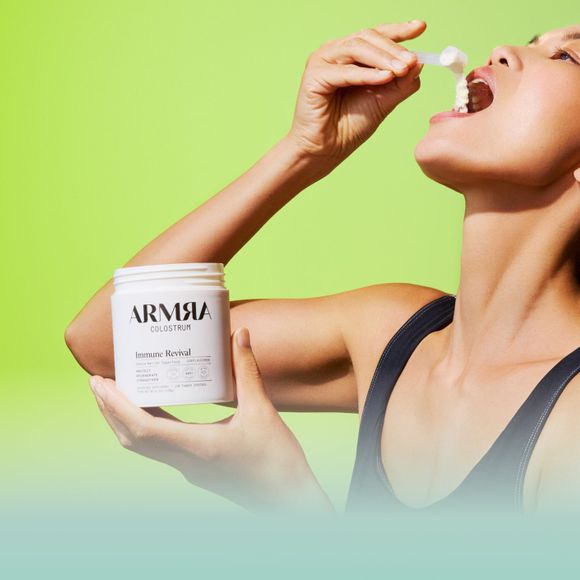
ARMRA
ARMRA is a health supplement company that specializes in colostrum-based products designed to boost immunity, enhance performance, and promote overall health.
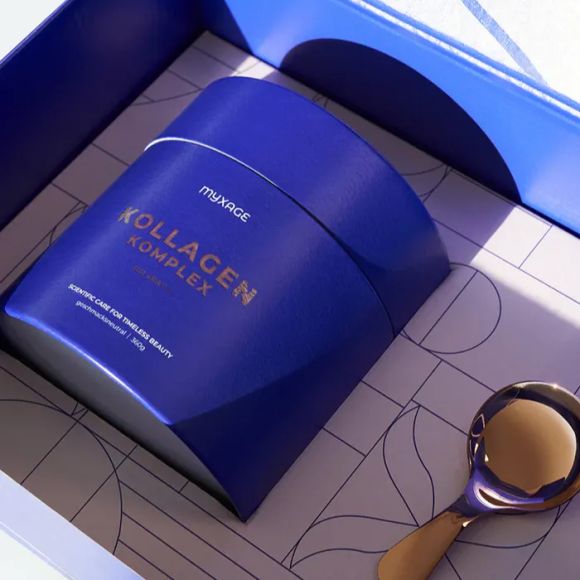
MYXAGE
MYXAGE offers an all-in-one anti-aging routine featuring the xRA¹² technology, combining bioactive collagen peptides with essential nutrients to support skin vitality and combat signs of aging.
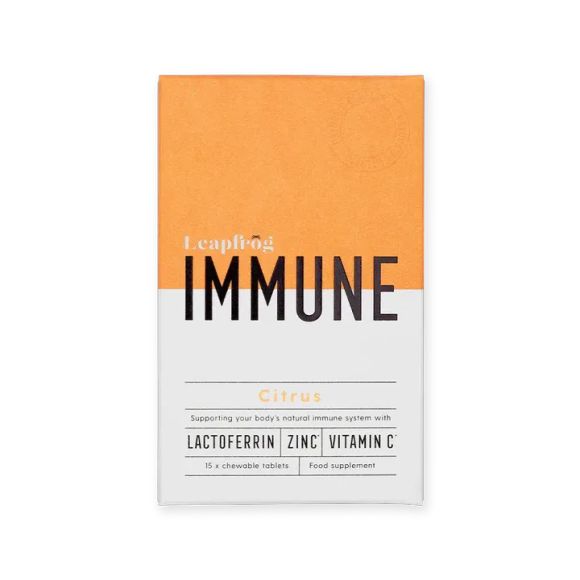
Leap Frog
Leapfrog Remedies, founded in September 2020 by journalist Stephanie Drax, is the UK's first lactoferrin supplement brand. The company offers chewable tablets formulated with natural ingredients like lactoferrin, zinc, and vitamin C to support the immune system, as well as supplements containing Lactium® and vitamin B6 to promote relaxation and sleep.