Knowledge
Magazine
-

The 24-Hour Sleep Model: Why Better Sleep Starts the Morning Before
8 min read
-

Eating for Longevity: Lessons From the World's Oldest People
9 min read
-

The Summer Health Kit: Supplies and Gadgets for Hot Days and Warm Nights
9 min read
Weekly picks on longevity, brands, and health science. No spam—unsubscribe anytime.
Tools
- →The 30s Longevity Guide for Women
- →Postpartum Recovery Guide
- →Perimenopause Longevity Guide
- →Dopamine Reset Guide
- →Pregnancy Longevity Guide
- →Peptide Guide
- →Home Detox Guide
- →Slow Aging Guide
- →Pro Supplement Guide
- →Safe Supplement Guide
- →Bio Age Calculator
- →Blood Testing Guide
- →Deep Sleep Guide
- →Pro Longevity Dashboard
By Category
By Goal
Knowledge
- →What is Longevity?
- →Improve diet
- →More focus
- →Look younger
- →Lose weight
- →Track biomarkers
- →Improve sleep
- →Build muscle
- →Increase cardio
- →Detect diseases
- →Recover faster
- →Relieve stress
Magazine
-
The 24-Hour Sleep Model: Why Better Sleep Starts the Morning Before
8 min read
-
Eating for Longevity: Lessons From the World's Oldest People
9 min read
-
The Summer Health Kit: Supplies and Gadgets for Hot Days and Warm Nights
9 min read
Weekly picks on longevity, brands, and health science. No spam—unsubscribe anytime.
Brands
- →Apps
- →At Home Tests & Kits
- →Events
- →Experts & Clinics
- →Foods & Beverages
- →Gadgets & Equipment
- →Gyms & Workouts
- →Supplements
- →Travel & Retreats
- →Wearables & Trackers
Tools
- →The 30s Longevity Guide for Women
- →Postpartum Recovery Guide
- →Perimenopause Longevity Guide
- →Dopamine Reset Guide
- →Pregnancy Longevity Guide
- →Peptide Guide
- →Home Detox Guide
- →Slow Aging Guide
- →Pro Supplement Guide
- →Safe Supplement Guide
- →Bio Age Calculator
- →Blood Testing Guide
- →Deep Sleep Guide
- →Pro Longevity Dashboard

Discover
Connect
Longevity Knowledge BETA
Coffee
Table of Contents
Coffee's complex chemistry
Coffee is more than just caffeine. A single cup contains over 1,000 bioactive compounds including chlorogenic acids, polyphenols, and trigonelline. These compounds work together to provide antioxidant protection, support metabolism, and influence brain function. A 2017 umbrella review of over 200 meta-analyses found that moderate coffee consumption is consistently linked to reduced disease risk and lower mortality [1].
How caffeine works in your body
Caffeine is a central nervous system stimulant that blocks adenosine receptors in the brain. Adenosine normally builds up throughout the day, making you feel tired. By blocking these receptors, caffeine increases alertness, improves reaction time, and enhances concentration. Effects begin within 15-45 minutes and peak around one hour after consumption.
Caffeine metabolism varies significantly between individuals based on genetics. Some people metabolize caffeine quickly (clearing it from their system in 2-3 hours), while slow metabolizers may feel effects for 8+ hours. This genetic difference explains why some people can drink coffee before bed while others must stop by early afternoon. Caffeine also has dose-dependent effects on blood pressure, so people with hypertension should monitor intake [3].
Antioxidant content and benefits
Coffee is one of the largest sources of antioxidants in the Western diet, surpassing many fruits and vegetables for many people. Chlorogenic acids, the primary polyphenols in coffee, reduce oxidative stress and inflammation. Large prospective studies link regular consumption to a significantly lower risk of type 2 diabetes [2] and liver cancer [4].
The brewing method affects antioxidant levels: filtered coffee retains most benefits while removing cholesterol-raising compounds, while unfiltered methods like French press preserve slightly more antioxidants but include oils that may affect blood lipids.
Metabolism and weight management
Caffeine increases metabolic rate by 3-11% and enhances fat oxidation, making it a common ingredient in weight loss supplements. However, these effects are modest and diminish with regular use as tolerance develops. Coffee alone will not produce significant weight loss but may support weight management efforts when combined with diet and exercise.
Timing and moderation guidelines
Optimal coffee consumption respects both quantity and timing:
- Daily limit: 3-4 cups (400mg caffeine) appears safe for most healthy adults
- Timing: Consume between 9:30-11:30 AM and/or 1:30-5:00 PM to align with natural cortisol patterns
- Cutoff time: Stop caffeine 8-10 hours before bedtime to protect sleep quality
- Empty stomach: Avoid first thing in the morning; pair with food to reduce stomach irritation
Regular moderate coffee consumption is associated with reduced risk of type 2 diabetes, Parkinson's disease, liver conditions, and overall mortality. However, benefits depend on avoiding excessive sugar and high-calorie additives that negate the positive effects.
References
Time your caffeine cutoff
Wait 90 minutes after waking
Never drink on empty stomach
Hydrate first
Moderate for maximum benefit
Why does coffee make some people anxious?
How much caffeine is in a cup of coffee?
Does coffee dehydrate you?
Is decaf coffee healthy?

Eating for Better Sleep & Foods that Improve Metabolic Health | Dr. Marie-Pierre St-Onge

Human Sleep Expert: Don't Pee In The Middle Of The Night & Why Night Time Sex Isn't A Good Idea!
The Microbiome Doctor: Doctors Were Wrong! The 3 Foods You Should Eat For Perfect Gut Health!
This Is The Fastest Way To Get Dementia...The 6 Science-Backed Brain Fixes!
Women's Fertility & Lifestyle Debate: Dangers Of Not Having A Period! Fasting Can Backfire For Women

#107 Why You Can't Sleep (and How to Fix It) | Dr. Michael Grandner
No discussions yet
Be the first to start a discussion about Coffee.
Community Discussions
Related Brands
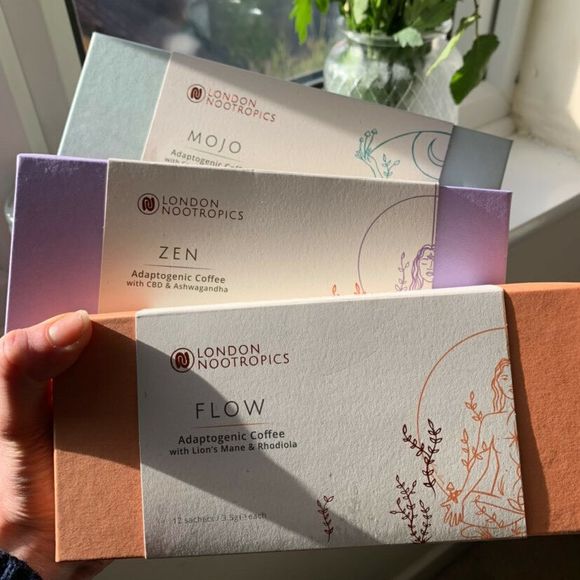
London Nootropics

London Nootropics offers premium adaptogenic coffee blends designed to help you stay balanced, focused, and energized.
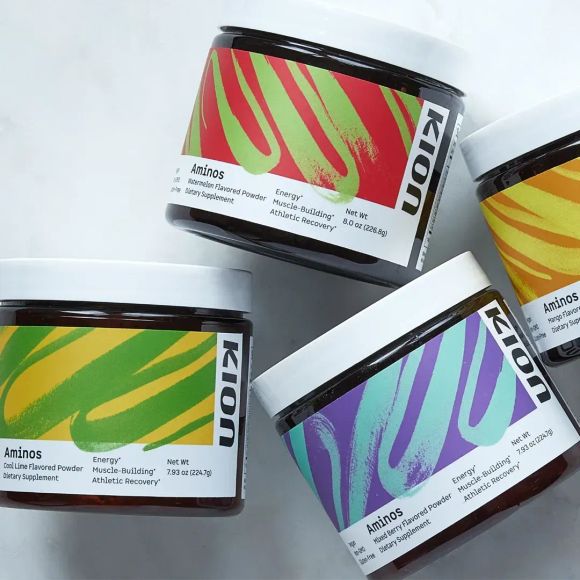
Kion
Kion offers a range of supplements and nutritional products designed to enhance physical and mental performance. Their product line includes aminos, coffee, protein, and various supplements aimed at supporting fitness, recovery, energy, wellness, and weight management.

Pique
Pique Life offers fast‑dissolving tea crystals, botanical supplements, and functional beverages designed to support radiant skin, calm energy, immune balance, and digestive resilience.
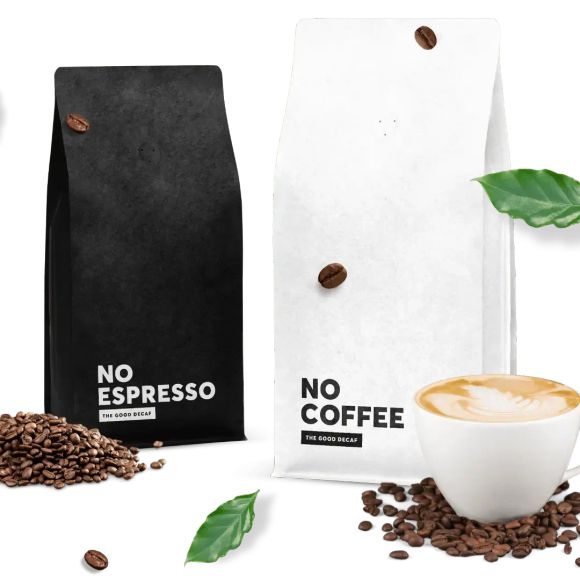
No Coffee

No Coffee offers a range of decaffeinated coffee products that taste just like regular coffee, without the side effects of caffeine. Their products are 100% organic, fair trade, and freshly roasted daily, providing a healthy and enjoyable alternative for coffee lovers.

MUD\WTR

MUD\WTR offers a coffee alternative made from organic ingredients, including a blend of functional mushrooms and spices, designed to provide natural energy and health benefits without the jitters and crashes of traditional coffee.
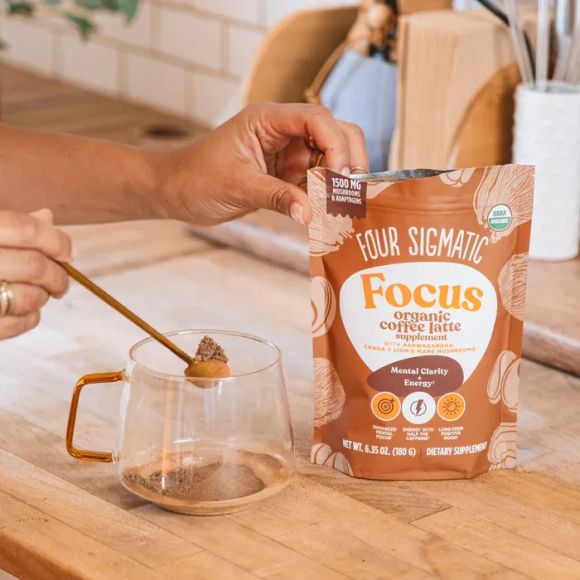
Four Sigmatic
Four Sigmatic offers a range of superfoods and functional mushrooms designed to enhance overall health and well-being.

WELLCHA
Wellcha offers premium matcha sourced from Uji, Kyoto, providing a smooth, creamy taste and natural energy boost without the typical coffee crash.
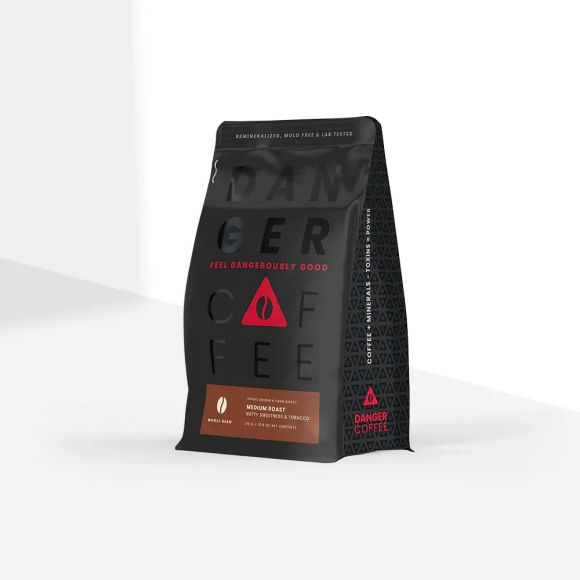
Danger Coffee
Danger Coffee by Dave Asprey offers premium, remineralized coffee designed to boost energy and performance. Their product range includes whole bean, ground, and decaf coffee, all crafted to support optimal health.
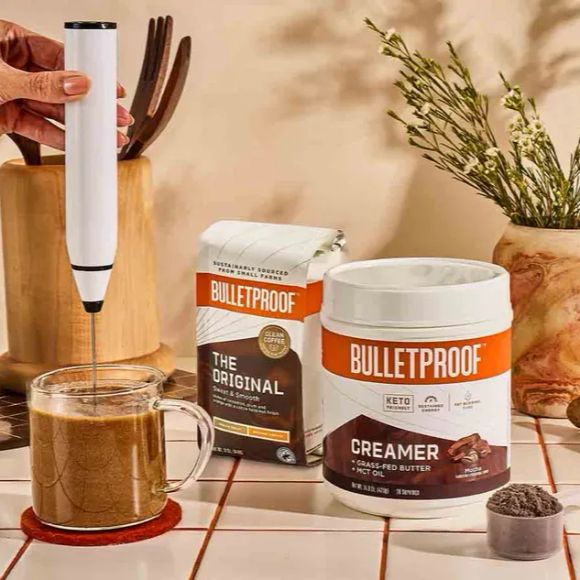
Bulletproof
Bulletproof offers a range of products designed to optimize energy and performance, including enhanced coffee, MCT oil, supplements, and protein bars.

HALO Hydration
HALO Hydration offers advanced electrolyte powders formulated with naturally sourced electrolytes, bioavailable trace minerals, and essential vitamins, including vitamin C, to enhance hydration and support immune function. Their products are low in sugar and calories, catering to health-conscious consumers seeking effective hydration solutions.