Knowledge
Magazine
-

The 24-Hour Sleep Model: Why Better Sleep Starts the Morning Before
8 min read
-

Eating for Longevity: Lessons From the World's Oldest People
9 min read
-
The Summer Health Kit: Supplies and Gadgets for Hot Days and Warm Nights
9 min read
Weekly picks on longevity, brands, and health science. No spam—unsubscribe anytime.
Tools
- →The 30s Longevity Guide for Women
- →Postpartum Recovery Guide
- →Perimenopause Longevity Guide
- →Dopamine Reset Guide
- →Pregnancy Longevity Guide
- →Peptide Guide
- →Home Detox Guide
- →Slow Aging Guide
- →Pro Supplement Guide
- →Safe Supplement Guide
- →Bio Age Calculator
- →Blood Testing Guide
- →Deep Sleep Guide
- →Pro Longevity Dashboard
By Category
By Goal
Knowledge
- →What is Longevity?
- →Improve diet
- →More focus
- →Look younger
- →Lose weight
- →Track biomarkers
- →Improve sleep
- →Build muscle
- →Increase cardio
- →Detect diseases
- →Recover faster
- →Relieve stress
Magazine
-
The 24-Hour Sleep Model: Why Better Sleep Starts the Morning Before
8 min read
-
Eating for Longevity: Lessons From the World's Oldest People
9 min read
-
The Summer Health Kit: Supplies and Gadgets for Hot Days and Warm Nights
9 min read
Weekly picks on longevity, brands, and health science. No spam—unsubscribe anytime.
Brands
- →Apps
- →At Home Tests & Kits
- →Events
- →Experts & Clinics
- →Foods & Beverages
- →Gadgets & Equipment
- →Gyms & Workouts
- →Supplements
- →Travel & Retreats
- →Wearables & Trackers
Tools
- →The 30s Longevity Guide for Women
- →Postpartum Recovery Guide
- →Perimenopause Longevity Guide
- →Dopamine Reset Guide
- →Pregnancy Longevity Guide
- →Peptide Guide
- →Home Detox Guide
- →Slow Aging Guide
- →Pro Supplement Guide
- →Safe Supplement Guide
- →Bio Age Calculator
- →Blood Testing Guide
- →Deep Sleep Guide
- →Pro Longevity Dashboard

Discover
Connect
Longevity Knowledge BETA
Hydration
Table of Contents
How hydration affects your health and aging
Water makes up about 60% of your body and is involved in virtually every metabolic process. Lose just 1-2% of your body water and your concentration drops, your mood worsens, and your physical performance declines measurably. Many people walk around mildly dehydrated without realizing it. The consequences go well beyond thirst: chronic underhydration contributes to headaches, constipation, fatigue, kidney stones, and urinary tract infections.
A 2023 NIH study that tracked 11,255 adults over 30 years found that those with serum sodium levels above 142 mmol/L (a marker of low fluid intake) were 50% more likely to show accelerated biological aging and 21% more likely to die prematurely [1]. Participants with serum sodium in the optimal range of 137-142 mmol/L had the fewest chronic diseases and the lowest mortality. That's a striking association for something as simple as drinking enough water.
Why water alone isn't enough: the electrolyte factor
Drinking plain water doesn't automatically hydrate your cells. Water crosses cell membranes by following electrolytes, primarily sodium, through osmotic gradients. Without enough electrolytes, water passes through your system without being absorbed effectively. This is why athletes who drink only plain water during prolonged exercise can develop hyponatremia, a dangerous drop in blood sodium that causes confusion, seizures, and in rare cases death [2].
The four electrolytes that matter most for hydration:
- Sodium (2,000-3,000 mg/day for active people): the main extracellular electrolyte that drives fluid retention and nerve signaling
- Potassium (3,500-4,700 mg/day): the main intracellular electrolyte, best obtained from food sources like bananas, potatoes, and leafy greens
- Magnesium (400-600 mg/day): involved in 300+ enzymatic reactions, supports muscle relaxation and sleep quality
- Chloride: works alongside sodium for fluid balance and stomach acid production
Research into the Beverage Hydration Index has shown that drinks containing electrolytes, protein, or fat (such as milk or oral rehydration solutions) maintain hydration status longer than plain water because they slow gastric emptying and reduce urine output [3].
How much water do you actually need?
The "8 glasses a day" rule has no real scientific basis. The National Academy of Medicine recommends about 3.7 liters of total fluid for men and 2.7 liters for women daily, but roughly 20% of that comes from food. Your actual needs depend on body size, activity level, climate, altitude, and diet. Someone doing intense exercise in heat may need 1-2 additional liters per hour.
The simplest monitoring tool is urine color. Pale straw yellow means you're well hydrated. Dark yellow or amber signals a deficit. Body weight changes before and after exercise also work well: every kilogram lost represents roughly one liter of fluid that needs replacing [4].
Hydration, cognition, and physical performance
A 2018 meta-analysis of 33 studies found that dehydration beyond 2% body mass loss impairs attention, executive function, and motor coordination [5]. The effects on complex cognitive tasks are more pronounced than on simple reaction time. For athletes, even mild dehydration reduces endurance, increases perceived effort, and impairs thermoregulation. Rehydration reverses these deficits, but it takes time: full recovery of cognitive and physical performance can require 45-60 minutes after drinking.
Hydration for kidney health
Kidneys filter about 180 liters of blood per day, and adequate water intake keeps this filtration system running efficiently. A study using NHANES data found that better hydration status was significantly associated with lower kidney stone risk [6]. For people who've already had a kidney stone, maintaining urine output above 2.5 liters per day cuts recurrence rates substantially [7]. Chronic dehydration also concentrates waste products in urine, increasing the risk of urinary tract infections and potentially accelerating decline in kidney function over time.
Populations with higher hydration needs
Older adults face a double challenge: their thirst sensation weakens with age while their kidney concentrating ability declines, making dehydration both more likely and harder to detect. A meta-analysis found that low-intake dehydration is common among non-hospitalized older adults and is associated with increased mortality and hospitalization [8]. Athletes in endurance sports need structured hydration plans that include both fluid and electrolytes. People on high-protein or high-fiber diets need more water because protein metabolism produces urea (which requires water for excretion) and fiber absorbs water in the gut. Pregnant and breastfeeding women also have significantly elevated fluid requirements.
Practical strategies that work
- Front-load your hydration: drink 500 ml within the first hour after waking to replace overnight losses
- Add a pinch of unrefined salt or a balanced electrolyte mix to your water, especially if you exercise or sweat heavily
- Eat water-rich foods like cucumber (96% water), watermelon (92%), celery, berries, and soups
- Don't rely on thirst alone, particularly if you're over 60
- Avoid drinking more than about 1 liter per hour to prevent diluting blood sodium
References
- 1. Middle-age high normal serum sodium as a risk factor for accelerated biological aging, chronic diseases, and premature mortality (Dmitrieva et al., eB...
- 2. Clinical characteristics and outcomes of hyponatraemia associated with oral water intake in adults: a systematic review (BMJ Open 2021)
- 3. The Beverage Hydration Index: Influence of Electrolytes, Carbohydrate and Protein (Nutrients 2021)
- 4. Long-term health outcomes associated with hydration status (Nature Medicine 2024)
- 5. Dehydration Impairs Cognitive Performance: A Meta-analysis (Medicine & Science in Sports & Exercise 2018)
- 6. Association of water intake and hydration status with risk of kidney stone formation based on NHANES 2009-2012 cycles (Frontiers 2022)
- 7. The role of fluid intake in the prevention of kidney stone disease (Nutrients 2020)
- 8. Low-intake dehydration prevalence in non-hospitalised older adults: Systematic review and meta-analysis (Clinical Nutrition 2023)
Front-load your morning hydration
Add electrolytes when you sweat
Use urine color as your hydration gauge
Eat your water too
Don't overdo it: cap at 1 liter per hour
Hydration for skin elasticity
Is it possible to drink too much water?
Do coffee and tea count toward daily fluid intake?
Why do older adults get dehydrated more easily?
How much water should I drink a day?
Can drinking more water slow aging?

Building strength and muscle mass: how to optimize training, nutrition, and more for longevity (AMA #71 rebroadcast)

Essentials: Benefits of Sauna & Deliberate Heat Exposure
Women's health and performance: how training, nutrition, and hormones interact across life stages | Abbie Smith-Ryan, Ph.D.

TSS ep 4: Unlocking High Performance: Short Intervals, Micronutrition, Vitamin D & Antioxidant Adaptation
AMA #77: Dietary fiber and health outcomes: real benefits, overhyped claims, and practical applications
No discussions yet
Be the first to start a discussion about Hydration.
Community Discussions
Related Brands
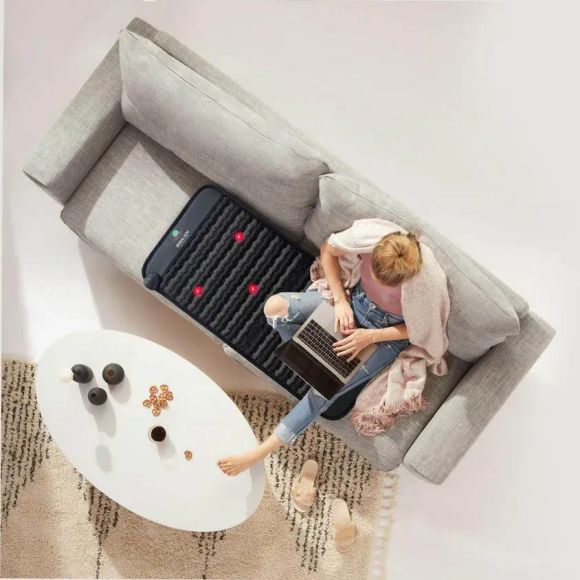
Spiralsun

Spiral Sun™ is a premium wellness brand based in Amsterdam, specializing in innovative health products designed to enhance overall well-being. Their offerings include hydrogen water bottles, infrared sauna blankets, PEMF therapy mats, and red light therapy devices, all crafted to integrate seamlessly into daily routines and promote a healthier lifestyle.
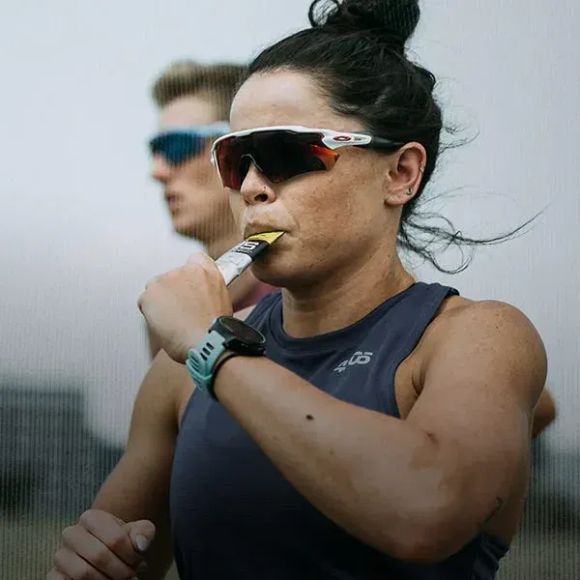
SiS - Science in Sport
Science in Sport (SiS) is a UK‑based performance nutrition brand trusted by elite athletes since 1992, offering evidence‑led energy, hydration, and recovery products designed to fuel endurance and support long‑term metabolic health.
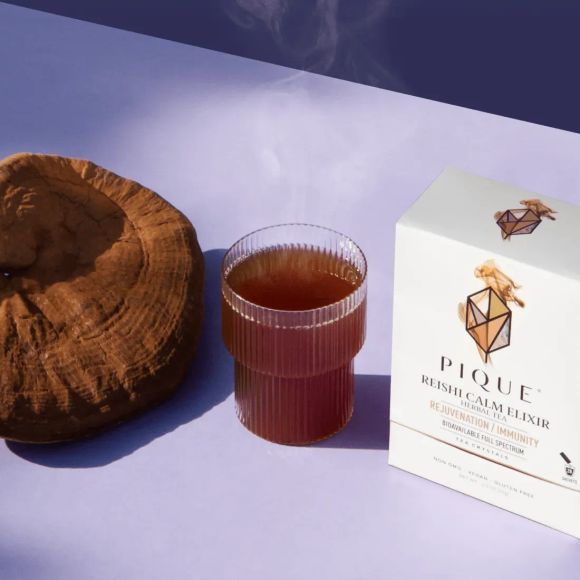
Pique
Pique Life offers fast‑dissolving tea crystals, botanical supplements, and functional beverages designed to support radiant skin, calm energy, immune balance, and digestive resilience.
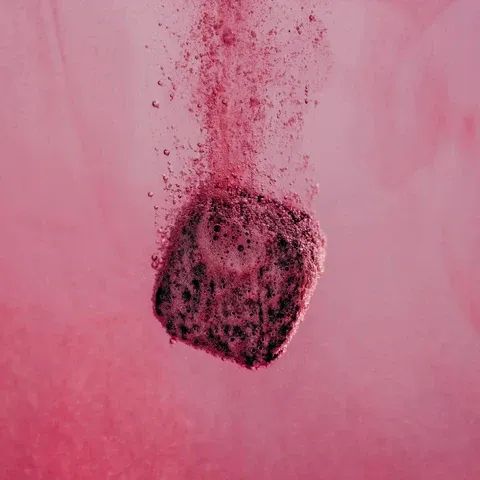
Waterdrop

Waterdrop delivers sugar‑free hydration cubes packed with vitamins and plant extracts that turn plain water into a flavorful, nutrient‑rich drink designed to boost your daily hydration habit.
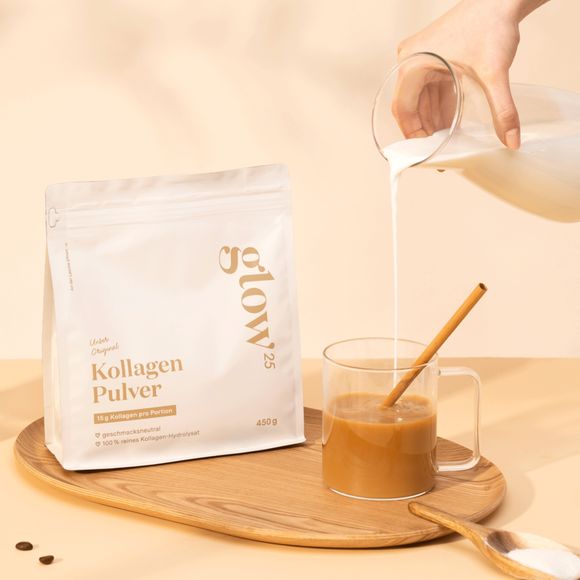
Glow25
Glow25, a German company, specializes in premium collagen supplements designed to promote healthy skin, hair, and nails. Their flagship product, the Glow25 Collagen Powder, is a bioactive collagen hydrolysate aimed at enhancing natural beauty from within.
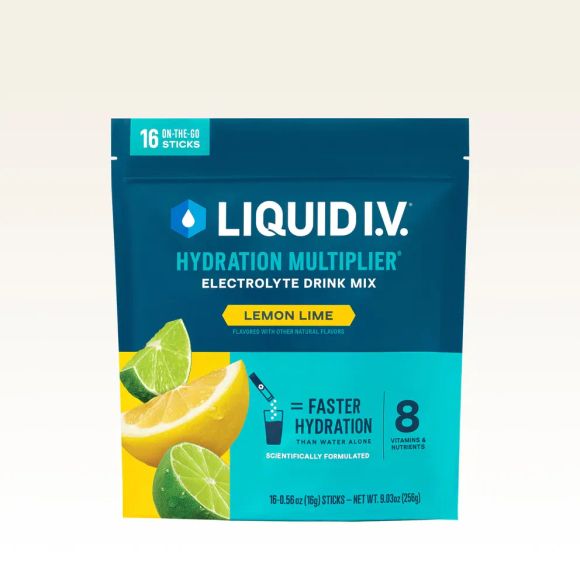
Liquid I.V.

Liquid I.V. offers electrolyte drink mixes utilizing Cellular Transport Technology (CTT®) to enhance rapid absorption of water and key nutrients, providing effective hydration and wellness solutions.
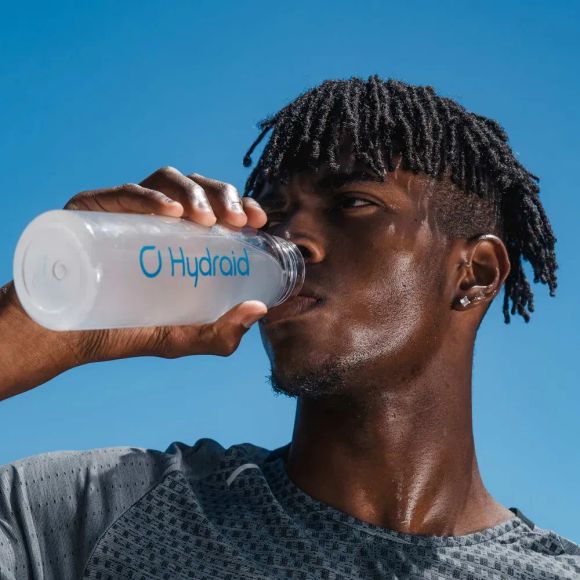
Hydraid
Hydraid offers the Hydration Helper®, a scientifically formulated oral rehydration solution designed to rapidly replenish fluids and electrolytes lost during physical activity, supporting optimal hydration and recovery.
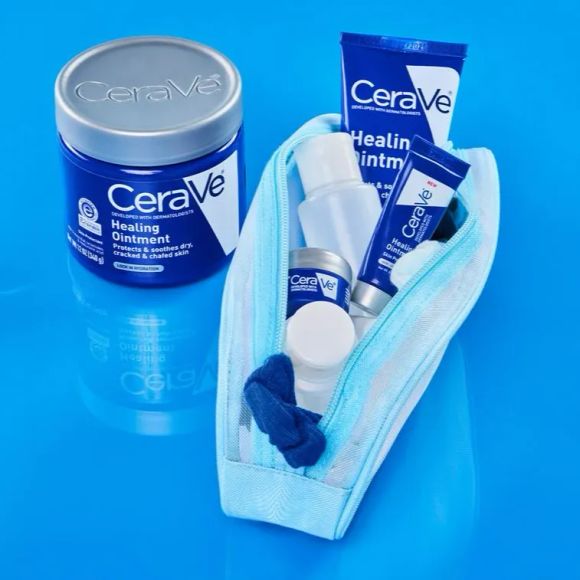
CeraVe
CeraVe is a dermatologist-developed skincare brand renowned for its use of three essential ceramides and patented MultiVesicular Emulsion (MVE) technology. This unique combination helps restore and maintain the skin’s natural barrier, providing long-lasting hydration. CeraVe offers a comprehensive range of products, including cleansers, moisturizers, sunscreens, and treatments for various skin concerns, making it a trusted choice for effective and accessible skincare solutions.
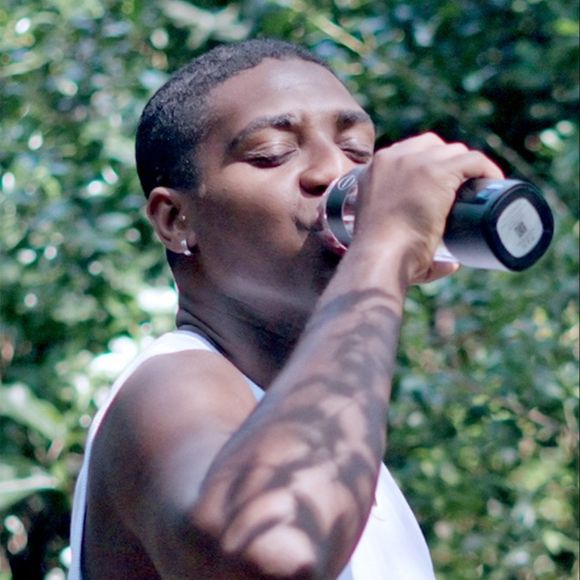
LumiVitae
LumiVitae offers the CellPower Hydrogen Water Bottle, designed to enhance health and wellness by providing hydrogen-rich water.
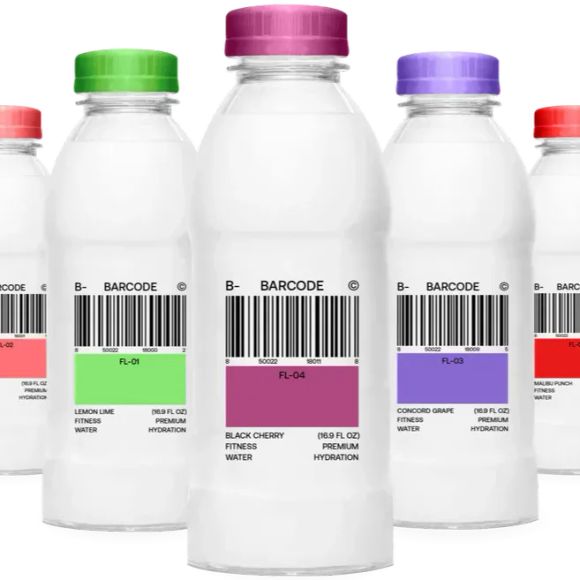
Barcode
Barcode is an all-natural, premium hydration beverage designed to enhance everyday performance and recovery. With only 30 calories, 0g added sugar, and 12 vitamins & minerals, Barcode is developed to keep your body at its full potential.