Knowledge
Magazine
-

The 24-Hour Sleep Model: Why Better Sleep Starts the Morning Before
8 min read
-

Eating for Longevity: Lessons From the World's Oldest People
9 min read
-

The Summer Health Kit: Supplies and Gadgets for Hot Days and Warm Nights
9 min read
Weekly picks on longevity, brands, and health science. No spam—unsubscribe anytime.
Tools
- →The 30s Longevity Guide for Women
- →Postpartum Recovery Guide
- →Perimenopause Longevity Guide
- →Dopamine Reset Guide
- →Pregnancy Longevity Guide
- →Peptide Guide
- →Home Detox Guide
- →Slow Aging Guide
- →Pro Supplement Guide
- →Safe Supplement Guide
- →Bio Age Calculator
- →Blood Testing Guide
- →Deep Sleep Guide
- →Pro Longevity Dashboard
By Category
By Goal
Knowledge
- →What is Longevity?
- →Improve diet
- →More focus
- →Look younger
- →Lose weight
- →Track biomarkers
- →Improve sleep
- →Build muscle
- →Increase cardio
- →Detect diseases
- →Recover faster
- →Relieve stress
Magazine
-
The 24-Hour Sleep Model: Why Better Sleep Starts the Morning Before
8 min read
-
Eating for Longevity: Lessons From the World's Oldest People
9 min read
-
The Summer Health Kit: Supplies and Gadgets for Hot Days and Warm Nights
9 min read
Weekly picks on longevity, brands, and health science. No spam—unsubscribe anytime.
Brands
- →Apps
- →At Home Tests & Kits
- →Events
- →Experts & Clinics
- →Foods & Beverages
- →Gadgets & Equipment
- →Gyms & Workouts
- →Supplements
- →Travel & Retreats
- →Wearables & Trackers
Tools
- →The 30s Longevity Guide for Women
- →Postpartum Recovery Guide
- →Perimenopause Longevity Guide
- →Dopamine Reset Guide
- →Pregnancy Longevity Guide
- →Peptide Guide
- →Home Detox Guide
- →Slow Aging Guide
- →Pro Supplement Guide
- →Safe Supplement Guide
- →Bio Age Calculator
- →Blood Testing Guide
- →Deep Sleep Guide
- →Pro Longevity Dashboard

Discover
Connect
Longevity Knowledge BETA
Inflammation
Table of Contents
Acute vs. chronic inflammation
Inflammation is a fundamental immune response. In its acute form, it's essential for survival. Cut your finger or catch an infection, and the inflammatory cascade mobilizes immune cells, increases blood flow, and starts tissue repair. This process is self-limiting and resolves once the threat is gone.
The problem begins when inflammation becomes chronic, low-grade, and systemic, persisting for months or years without a clear trigger. Researchers call this state "inflammaging," and it's now recognized as a central mechanism behind most age-related diseases: atherosclerosis, type 2 diabetes, Alzheimer's, cancer, osteoarthritis, and sarcopenia [1]. Elevated inflammatory markers like hs-CRP, IL-6, TNF-alpha, and fibrinogen are consistently associated with increased all-cause mortality and accelerated biological aging [2].
What drives chronic inflammation
Unlike an acute response, chronic inflammation typically has multiple overlapping causes that feed into each other:
- Visceral fat — fat cells around organs are metabolically active and continuously release pro-inflammatory cytokines called adipokines
- Gut dysbiosis and leaky gut — when the intestinal barrier breaks down, bacterial endotoxins (LPS) enter the bloodstream and trigger persistent immune activation [3]
- Chronic stress — sustained cortisol elevation dysregulates immune function and promotes inflammatory signaling
- Sleep deprivation — restricting sleep to around 4.5 hours per night over multiple nights significantly increases IL-6 and CRP levels [4]
- Ultra-processed foods — diets high in omega-6 fatty acids, refined sugars, and industrial seed oils promote inflammatory pathways
- Physical inactivity — sedentary behavior reduces the anti-inflammatory myokines that muscles release during contraction [5]
- Environmental toxins — air pollution, heavy metals, endocrine disruptors, and mold exposure add to immune system burden
Evidence-based anti-inflammatory strategies
Reducing chronic inflammation means targeting root causes, not just suppressing symptoms. Exercise is one of the most effective anti-inflammatory interventions available. When muscles contract, they release myokines like IL-6 (which, paradoxically, acts as an anti-inflammatory signal when released from muscle) and IL-10. A 2024 systematic review found that lifelong exercisers had significantly lower baseline CRP and higher anti-inflammatory IL-10 compared to age-matched sedentary individuals [5].
Diet matters equally. A meta-analysis of 33 randomized controlled trials (3,476 participants) showed the Mediterranean diet significantly reduces hs-CRP, IL-6, and IL-17 compared to control diets [6]. The key components: omega-3 fatty acids from fish, polyphenols from vegetables and olive oil, fiber from whole grains and legumes, and minimal processed food.
Sleep optimization (7 to 9 hours), stress management through meditation or time in nature, and maintaining a healthy body composition, particularly minimizing visceral fat, work together to create conditions where chronic inflammation resolves naturally.
How to monitor inflammation
High-sensitivity C-reactive protein (hs-CRP) is the most accessible and well-validated marker of systemic inflammation. Optimal levels sit below 0.5 mg/L, though below 1.0 mg/L is the standard clinical target. Testing every 1 to 2 years (or more frequently if elevated) and tracking the trend alongside metabolic and cardiovascular biomarkers gives a clear picture of your inflammatory burden and whether interventions are working [7].
Other useful inflammatory markers include IL-6, TNF-alpha, fibrinogen, and the erythrocyte sedimentation rate (ESR). If hs-CRP is persistently above 3.0 mg/L, further investigation with your doctor is warranted to rule out underlying conditions.
References
- 1. Chronic inflammation and the hallmarks of aging
- 2. Inflammation and aging: signaling pathways and intervention therapies
- 3. Gut microbiota, intestinal permeability, and systemic inflammation: a narrative review
- 4. Sleep disturbance, sleep duration, and inflammation: a systematic review and meta-analysis of cohort studies and experimental sleep deprivation
- 5. Does lifelong exercise counteract low-grade inflammation associated with aging? A systematic review and meta-analysis
- 6. Mediterranean diet reduces inflammation in adults: a systematic review and meta-analysis of randomized controlled trials
- 7. Chronic inflammation in the etiology of disease across the life span
Eat an anti-inflammatory diet
Exercise regularly to lower inflammation
Protect sleep to keep inflammation low
Support your gut barrier
Track inflammatory markers
Monitor inflammation for overtraining
What are the best blood tests for inflammation?
Can you reduce chronic inflammation without medication?
What foods cause inflammation?
What is inflammaging and why does it matter?
What supplements help with recovery?

Most Replayed Moment: Are You Really Gluten Intolerant? It Could Be This Instead!

Building strength and muscle mass: how to optimize training, nutrition, and more for longevity (AMA #71 rebroadcast)
Creatine Expert: Creatine Is The Secret To Weight Loss

#112 How To Slow Biological Aging With a Multivitamin, Vegetables, & Omega-3 | Dr. Steve Horvath

Unlocking Performance & Longevity: Insights from Ali Day and Scientific Research
Most Replayed Moment: Insulin Is The Reason You're Gaining Fat! How To Lower It Now
No discussions yet
Be the first to start a discussion about Inflammation.
Related Articles


Community Discussions
Related Brands
GlycanAge

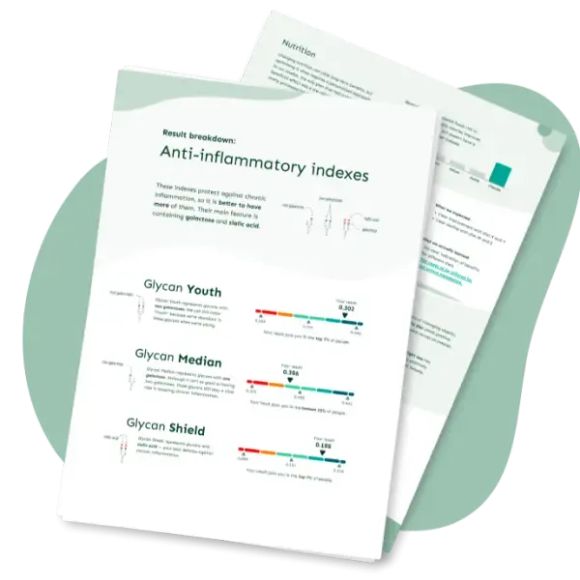
GlycanAge is a biological age test that helps individuals discover, measure, and optimize their biological age. By analyzing chronic inflammation, the test provides insights into how lifestyle choices affect aging. The company is based on over 30 years of scientific research, with over 200,000 tests performed. GlycanAge offers a simple at-home process, including a blood sample collection kit, lab analysis, and expert consultation to help users improve their health and longevity.
CeraThrive
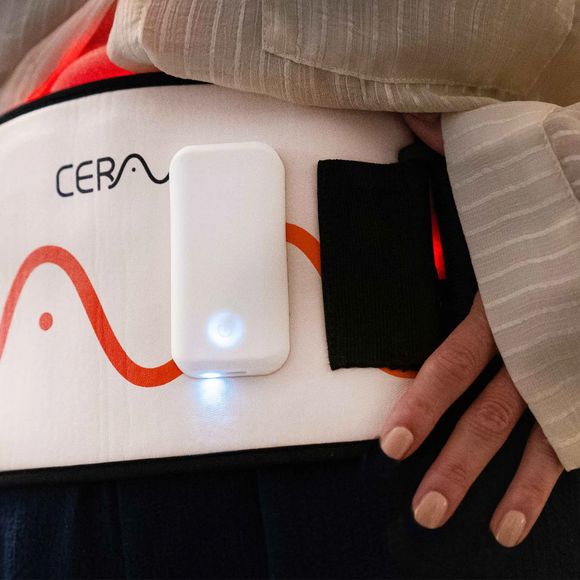
CeraThrive offers the first FDA-listed Red Light Therapy device designed to support the Gut-Brain Axis.
Oxford Healthspan
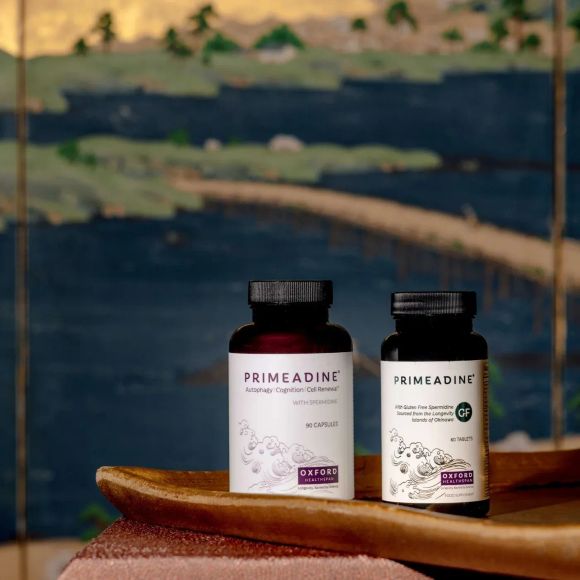
Oxford Healthspan offers Primeadine®, a spermidine-based supplement designed to promote healthy aging by enhancing cellular renewal, improving gut health, and combating inflammation. Their products are rooted in rigorous scientific research, providing a natural and effective solution for those looking to slow the aging process at a cellular level.
Platinum LED
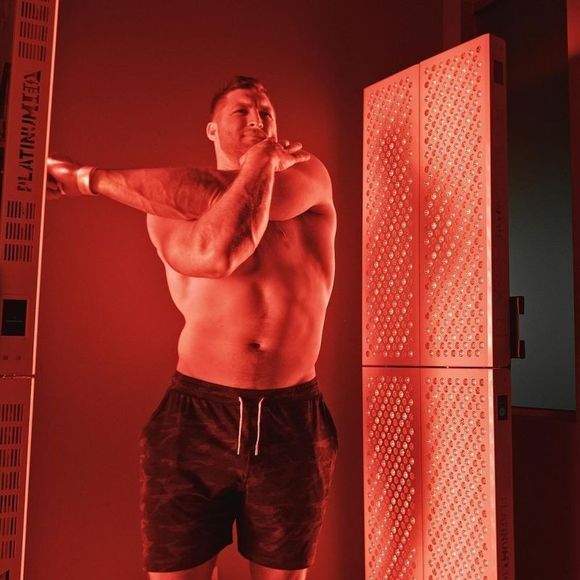
PlatinumLED Therapy Lights offers advanced red and near-infrared (NIR) light therapy devices, featuring high irradiance output and multi-wavelength spectra to support various health benefits, including pain relief, anti-aging, and enhanced recovery.
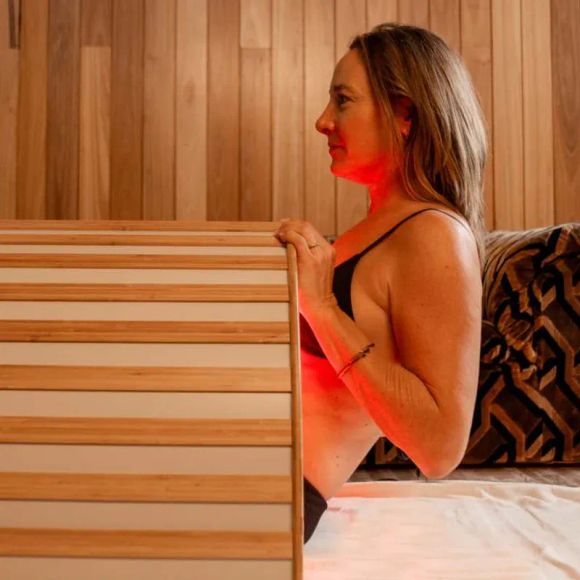
Helsi
Helsi™, founded in 2024 by Sebastian Mierau and Johannes Kettelhodt in Byron Bay, Australia, offers premium wellness products, including the Helsi™ One Sauna, Ice Plunge, and a range of red light therapy devices, designed to enhance health rituals and promote optimal well-being.
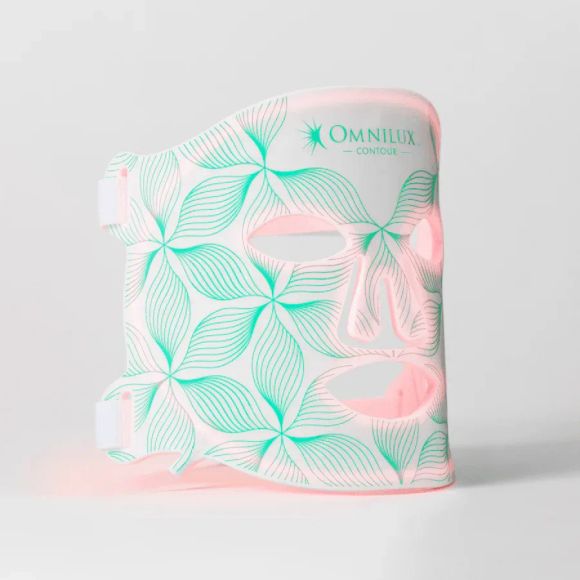
Omnilux
Omnilux offers medical-grade LED light therapy devices designed for at-home use, providing clinically proven treatments for skin rejuvenation, acne reduction, and overall skin health enhancement
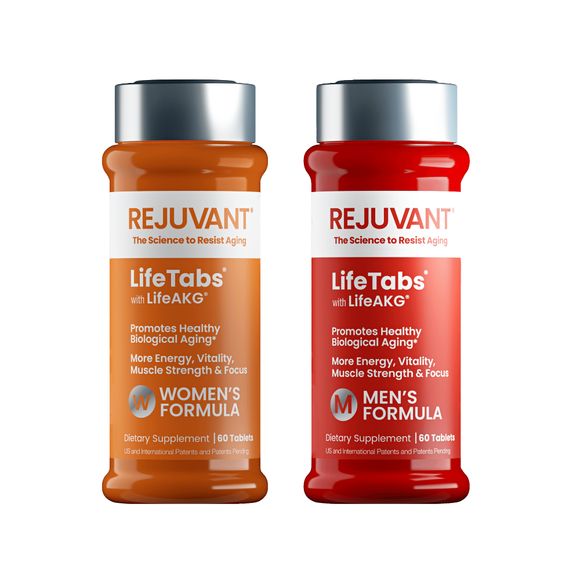
Rejuvant
Rejuvant® is a science-backed anti-aging supplement featuring a proprietary sustained-release form of Calcium Alpha-Ketoglutarate (Ca-AKG), clinically shown to reduce biological age by an average of 8 years over 7 months.
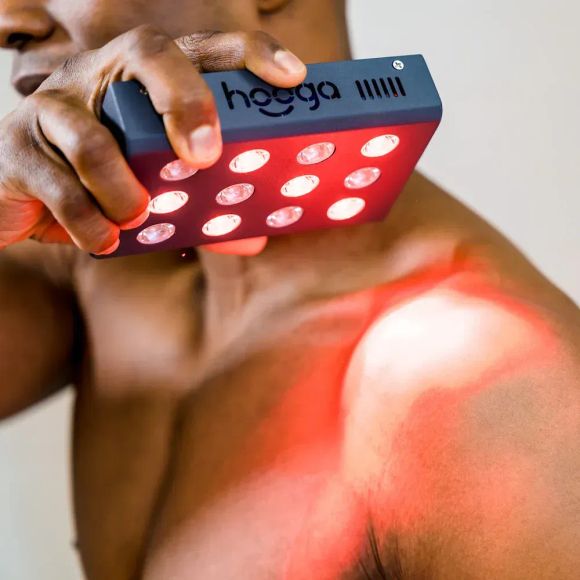
Hooga Health
Hooga Health offers a range of affordable and effective red light therapy devices designed to enhance skin health, boost energy levels, alleviate pain, and promote overall well-being.

SiS - Science in Sport
Science in Sport (SiS) is a UK‑based performance nutrition brand trusted by elite athletes since 1992, offering evidence‑led energy, hydration, and recovery products designed to fuel endurance and support long‑term metabolic health.

GoLighter
GoLighter is a medical‑supervised weight‑loss provider offering prescription and OTC options, digital tools, and nutrition coaching to help people lose weight without hunger and maintain long-term results.