Knowledge
Magazine
-

The 24-Hour Sleep Model: Why Better Sleep Starts the Morning Before
8 min read
-

Eating for Longevity: Lessons From the World's Oldest People
9 min read
-

The Summer Health Kit: Supplies and Gadgets for Hot Days and Warm Nights
9 min read
Weekly picks on longevity, brands, and health science. No spam—unsubscribe anytime.
Tools
- →The 30s Longevity Guide for Women
- →Postpartum Recovery Guide
- →Perimenopause Longevity Guide
- →Dopamine Reset Guide
- →Pregnancy Longevity Guide
- →Peptide Guide
- →Home Detox Guide
- →Slow Aging Guide
- →Pro Supplement Guide
- →Safe Supplement Guide
- →Bio Age Calculator
- →Blood Testing Guide
- →Deep Sleep Guide
- →Pro Longevity Dashboard
By Category
By Goal
Knowledge
- →What is Longevity?
- →Improve diet
- →More focus
- →Look younger
- →Lose weight
- →Track biomarkers
- →Improve sleep
- →Build muscle
- →Increase cardio
- →Detect diseases
- →Recover faster
- →Relieve stress
Magazine
-
The 24-Hour Sleep Model: Why Better Sleep Starts the Morning Before
8 min read
-
Eating for Longevity: Lessons From the World's Oldest People
9 min read
-
The Summer Health Kit: Supplies and Gadgets for Hot Days and Warm Nights
9 min read
Weekly picks on longevity, brands, and health science. No spam—unsubscribe anytime.
Brands
- →Apps
- →At Home Tests & Kits
- →Events
- →Experts & Clinics
- →Foods & Beverages
- →Gadgets & Equipment
- →Gyms & Workouts
- →Supplements
- →Travel & Retreats
- →Wearables & Trackers
Tools
- →The 30s Longevity Guide for Women
- →Postpartum Recovery Guide
- →Perimenopause Longevity Guide
- →Dopamine Reset Guide
- →Pregnancy Longevity Guide
- →Peptide Guide
- →Home Detox Guide
- →Slow Aging Guide
- →Pro Supplement Guide
- →Safe Supplement Guide
- →Bio Age Calculator
- →Blood Testing Guide
- →Deep Sleep Guide
- →Pro Longevity Dashboard

Discover
Connect
Longevity Knowledge BETA
Mindfulness
Table of Contents
What mindfulness does to your body and brain
Mindfulness is the practice of paying attention to the present moment without judgment. It sounds simple, but the biological effects are real and measurable. Functional MRI studies show that 8 weeks of mindfulness training increases gray matter density in the prefrontal cortex and hippocampus while shrinking the amygdala, the brain's threat-detection center [1]. These structural changes translate to better emotional control, sharper focus, and lower baseline anxiety.
At the cellular level, mindfulness practice is linked to longer telomeres, the protective caps on chromosomes that shorten with age and chronic stress. A 2023 meta-analysis of 25 studies with 2,099 participants found that mindfulness-based interventions had a small-to-medium effect on telomere length (g = 0.23) and telomerase activity (g = 0.37), with greater meditation hours producing larger effects [2]. This connection between a mental practice and a biological aging marker is one of the more striking findings in longevity research.
Mindfulness and the stress-aging connection
Chronic psychological stress accelerates biological aging through a well-documented pathway. The HPA axis overproduces cortisol, which drives systemic inflammation, suppresses immune function, and damages DNA repair mechanisms. Mindfulness directly interrupts this cascade. It activates the parasympathetic nervous system, lowers cortisol output by 10-25% with regular practice, and reduces inflammatory markers like IL-6 and C-reactive protein [3][4].
A systematic review of 48 randomized controlled trials found that mindfulness-based interventions significantly reduced chronic inflammation markers across diverse populations [4]. This matters for longevity because low-grade chronic inflammation (sometimes called "inflammaging") is a primary driver of age-related disease. By keeping inflammation in check, mindfulness may slow the accumulation of biological damage that leads to cardiovascular disease, neurodegeneration, and metabolic dysfunction.
Cardiovascular and blood pressure effects
Mindfulness practice has a measurable impact on heart health. A meta-analysis of 9 randomized controlled trials found that mindfulness-based programs significantly lower both systolic and diastolic blood pressure [5]. The American Heart Association has recognized mindfulness as a promising non-pharmacological intervention for blood pressure management. Beyond pressure readings, mindfulness improves heart rate variability (HRV), a key marker of cardiovascular resilience and autonomic nervous system balance. Higher HRV correlates with lower cardiovascular mortality risk and better stress recovery.
How mindfulness differs from meditation
Meditation is a formal seated practice. Mindfulness is broader: it's a quality of attention you can bring to any activity. You can eat mindfully, walk mindfully, or listen to someone mindfully. The formal practice of mindfulness meditation builds the skill, but the real payoff comes from applying that awareness throughout the day. Research on Mindfulness-Based Stress Reduction (MBSR), the most studied clinical program, shows that participants who integrate mindfulness into daily routines see stronger long-term benefits than those who only practice during formal sessions [6].
MBSR, developed by Jon Kabat-Zinn at UMass Medical Center, is an 8-week structured program that combines body scans, gentle movement, and sitting meditation. It's the gold standard in clinical mindfulness research and the basis for most evidence cited in this field. A related program, Mindfulness-Based Cognitive Therapy (MBCT), is specifically designed to prevent depression relapse and is recommended by clinical guidelines in multiple countries [7].
Getting started with a mindfulness practice
You don't need a retreat or expensive course. Start with 5-10 minutes of focused attention on your breath each morning. When your mind wanders (it will), notice where it went, then return to the breath. That's the whole exercise. Each redirect strengthens the prefrontal circuits that govern attention and emotional regulation.
From there, try informal mindfulness during one routine activity per day: eating a meal without screens, walking and noticing physical sensations, or pausing for three breaths before responding to a stressful email. Research shows that consistency matters far more than session length. Daily 10-minute sessions outperform sporadic 45-minute sits for both stress reduction and neural adaptation [1].
References
- 1. Mindfulness practice leads to increases in regional brain gray matter density (Holzel et al., 2011)
- 2. The Effects of Mindfulness-Based Interventions on Telomere Length and Telomerase Activity: A Systematic Review and Meta-Analysis (2023)
- 3. Can meditation slow rate of cellular aging? Cognitive stress, mindfulness, and telomeres (Epel et al., 2009)
- 4. Mindfulness meditation and the immune system: a systematic review of randomized controlled trials (Black & Slavich, 2016)
- 5. Mindfulness interventions reduce blood pressure in patients: a systematic review and meta-analysis (2020)
- 6. Meditation and Cardiovascular Risk Reduction: A Scientific Statement From the American Heart Association (2017)
- 7. Mindfulness-Based Cognitive Therapy for Depression: A New Approach to Preventing Relapse (Segal, Williams & Teasdale)
Practice mindfulness to protect your telomeres
Use mindfulness to lower your blood pressure
Reduce chronic inflammation with daily mindfulness
Bring mindfulness to one daily activity
Consider a structured MBSR or MBCT program
Meditation minimum effective dose
Can mindfulness slow down aging?
What is the difference between mindfulness and meditation?
Is mindfulness scientifically proven?
How does mindfulness reduce stress?
How long do I need to meditate to see benefits?

Essentials: The Science & Treatment of Obsessive Compulsive Disorder (OCD)
Master Self Control & Overcome Procrastination | Dr. Kentaro Fujita
Defining Healthy Masculinity & How to Build It | Terry Real

Buddhist Teacher: No One Is Talking About This Hidden Epidemic! The Western Lie Behind Depression and Anxiety

Overcoming insomnia: improving sleep hygiene and treating disordered sleep with cognitive behavioral therapy for insomnia | Ashley Mason, Ph.D.
The No.1 Brain Doctor: "This Parenting Mistake Ruins Your Kids Brain!", "Alcohol or Marijuana Will Destroy Your Brain!", "A Stagnant Career Can Increase Your Chance Of Alzheimers!" - Dr Daniel Amen
No discussions yet
Be the first to start a discussion about Mindfulness.
Related Articles

How to Build Lasting Longevity Habits as a Busy Parent
9 min read
Longevity Rave: The Science Behind Dancing Together
6 min read
Micro Rituals: How Mindfulness Turns Everyday Moments Into Lasting Balance
8 min read
How Lifestyle Choices Shape the Menopause Journey: Nutrition, Movement, and Mind-Body Balance
11 min readCommunity Discussions
Related Brands
Open

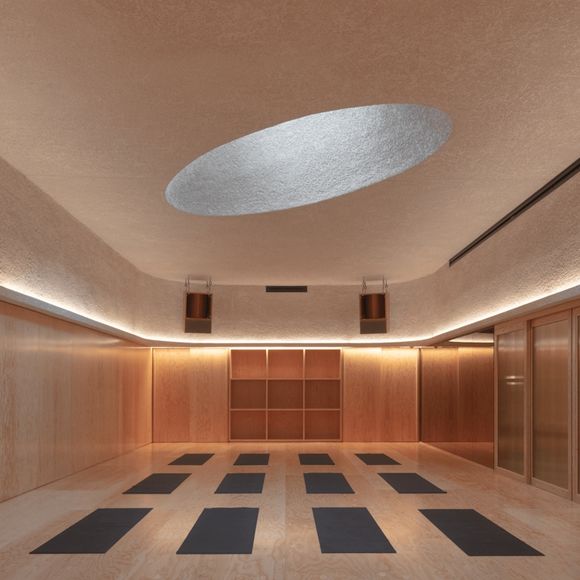
Open offers a digital platform for guided meditation, mindfulness, and breathwork practices. Their sessions are designed to help individuals enhance mental well-being, reduce stress, and improve overall quality of life through accessible and engaging content.
Insight Timer
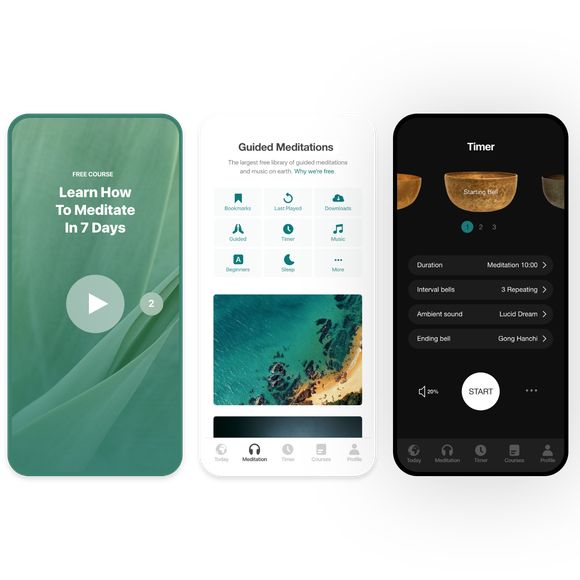
Insight Timer is a free meditation app offering the world’s largest library of guided meditations, music tracks, and ambient sounds to aid in sleep, relaxation, and mindfulness. With contributions from over 17,000 teachers, the app provides diverse content suitable for both beginners and experienced practitioners.

Calm

Calm offers a top-rated app for meditation and sleep, providing personalized content to manage stress and anxiety, improve sleep, and promote mindfulness.
Waking Up
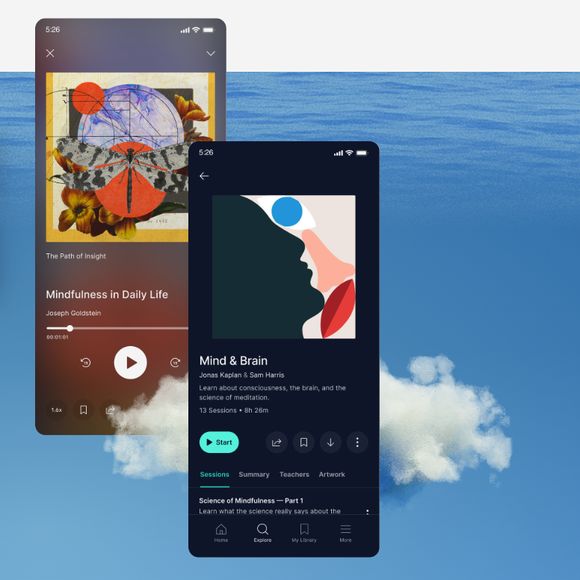
Waking Up is a comprehensive meditation and mindfulness app created by neuroscientist and author Sam Harris. It offers guided meditations, lessons on mindfulness theory, and conversations with experts to help users gain a deeper understanding of their minds and live more examined lives.
Vivo Life
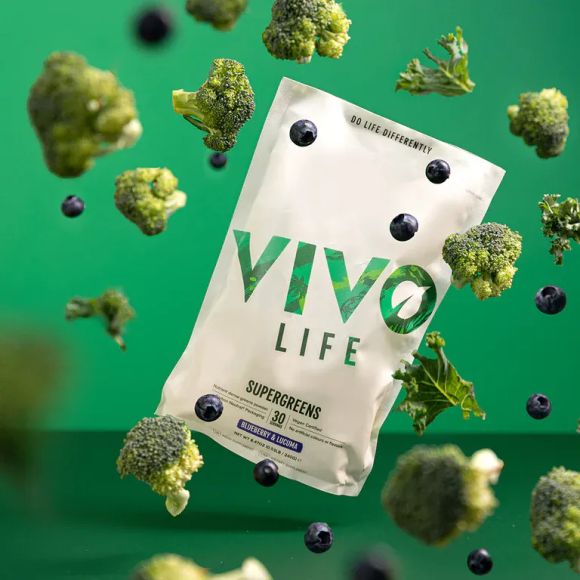
Vivo Life offers high-quality, nutrient-rich, sustainable plant-based products to help individuals make better choices for their health and the health of the planet.

Headspace
Headspace is a meditation and mindfulness app designed to help users reduce stress, improve focus, and sleep better. With guided meditations, expert-led courses, and a variety of tools, Headspace makes it easy to take care of your mental health.
Endel

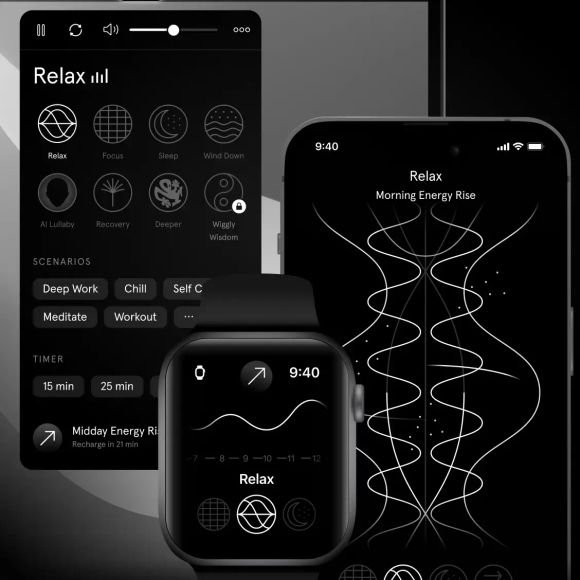
Endel creates AI-powered, science-based soundscapes that improve focus, reduce stress, and enhance sleep. Loved across Germany and the EU, Endel adapts to your circadian rhythm and environment to support better performance, recovery, and wellbeing.
Ten Percent Happier
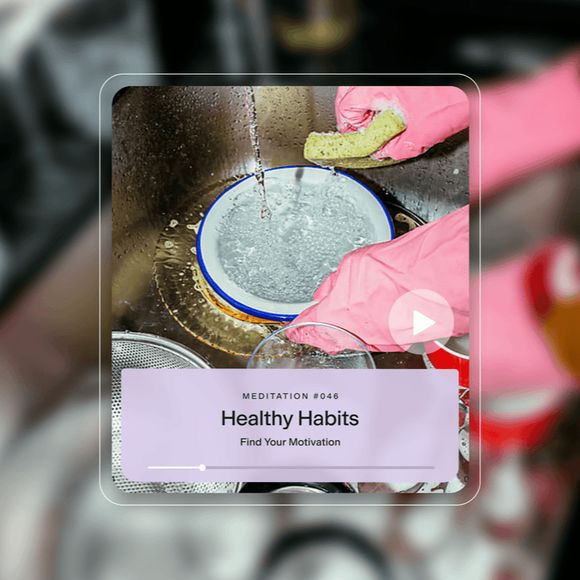
Ten Percent Happier is a meditation and mindfulness platform designed to help individuals find happiness by integrating meditation practices into their everyday lives. The platform offers a variety of guided meditations, courses, and resources to help users develop mindfulness skills and apply them to real-life situations.

Centr
Centr is a comprehensive fitness app and wellness program inspired by Chris Hemsworth. The app offers personalized workout plans, nutrition guidance, and mindfulness practices, all designed to help users achieve their fitness goals with support from a world-class team of experts.

Reflect
Reflect offers a biofeedback device known as 'The Orb,' designed to help users achieve relaxation, reduce stress, and manage anxiety. The Orb responds in real time to the user's body and provides metrics to aid in meditation and relaxation techniques.