Knowledge
Magazine
-

The 24-Hour Sleep Model: Why Better Sleep Starts the Morning Before
8 min read
-

Eating for Longevity: Lessons From the World's Oldest People
9 min read
-

The Summer Health Kit: Supplies and Gadgets for Hot Days and Warm Nights
9 min read
Weekly picks on longevity, brands, and health science. No spam—unsubscribe anytime.
Tools
- →The 30s Longevity Guide for Women
- →Postpartum Recovery Guide
- →Perimenopause Longevity Guide
- →Dopamine Reset Guide
- →Pregnancy Longevity Guide
- →Peptide Guide
- →Home Detox Guide
- →Slow Aging Guide
- →Pro Supplement Guide
- →Safe Supplement Guide
- →Bio Age Calculator
- →Blood Testing Guide
- →Deep Sleep Guide
- →Pro Longevity Dashboard
By Category
By Goal
Knowledge
- →What is Longevity?
- →Improve diet
- →More focus
- →Look younger
- →Lose weight
- →Track biomarkers
- →Improve sleep
- →Build muscle
- →Increase cardio
- →Detect diseases
- →Recover faster
- →Relieve stress
Magazine
-
The 24-Hour Sleep Model: Why Better Sleep Starts the Morning Before
8 min read
-
Eating for Longevity: Lessons From the World's Oldest People
9 min read
-
The Summer Health Kit: Supplies and Gadgets for Hot Days and Warm Nights
9 min read
Weekly picks on longevity, brands, and health science. No spam—unsubscribe anytime.
Brands
- →Apps
- →At Home Tests & Kits
- →Events
- →Experts & Clinics
- →Foods & Beverages
- →Gadgets & Equipment
- →Gyms & Workouts
- →Supplements
- →Travel & Retreats
- →Wearables & Trackers
Tools
- →The 30s Longevity Guide for Women
- →Postpartum Recovery Guide
- →Perimenopause Longevity Guide
- →Dopamine Reset Guide
- →Pregnancy Longevity Guide
- →Peptide Guide
- →Home Detox Guide
- →Slow Aging Guide
- →Pro Supplement Guide
- →Safe Supplement Guide
- →Bio Age Calculator
- →Blood Testing Guide
- →Deep Sleep Guide
- →Pro Longevity Dashboard

Discover
Connect
Longevity Knowledge BETA
Mobility
Understanding mobility and its distinction from flexibility
Mobility refers to the ability to move joints through their full range of motion with control and stability, combining flexibility (passive range of motion) with strength and neuromuscular coordination [1]. While flexibility alone means tissues can passively stretch, mobility requires active control throughout that range. For example, having flexible hamstrings allows your leg to reach toward the ceiling when passively stretched, but mobility requires you to actively lift your leg high with control. This distinction is crucial because flexibility without strength creates vulnerability to injury—hypermobile joints can exceed their stability limits, causing damage [1]. Optimal mobility represents the sweet spot between flexibility and stability, enabling smooth, coordinated movement across all daily activities. Superior mobility correlates with reduced injury risk, improved athletic performance, better posture, and enhanced overall movement quality [2].
Anatomical and neurological bases of mobility
Joint mobility is determined by multiple factors: the shape and structure of bones, cartilage and ligament integrity, muscle flexibility, and neurological control through proprioception and motor coordination [3]. The nervous system actively governs mobility through proprioceptors—specialized sensory receptors that detect joint angle, muscle tension, and movement speed. These proprioceptive inputs inform the motor cortex, which coordinates muscle activation for smooth, coordinated motion. Chronic poor movement patterns or immobility reduce proprioceptive signaling, creating movement restrictions that persist even after tissues become flexible again. This neuromuscular component explains why simple stretching often fails to improve mobility; retraining neurological control through movement practice is equally important [3]. Additionally, synovial fluid viscosity—influenced by hydration status and regular movement—lubricates joints and enables smooth motion [4]. Joint health depends on this multifactorial integration of structural, muscular, and neurological elements.
Common mobility limitations and their consequences
Modern sedentary patterns create predictable mobility restrictions: tight hip flexors from prolonged sitting, rounded shoulders from forward-hunched posture, limited ankle mobility from shoe confinement and stairs, and restricted thoracic spine mobility. These patterns don't simply inconvenience movement—they cause downstream consequences. Restricted hip mobility increases demands on the lumbar spine during lifting, elevating injury risk [2]. Limited ankle mobility forces compensatory supination during walking, stressing knee and hip joints. Thoracic immobility transfers stress to the cervical spine and causes headaches. Addressing these patterns requires identifying the specific restrictions, understanding their movement consequences, and systematically addressing both tissue length and neuromuscular control. Generic stretching often misses the mark, as stretching tight muscles may reduce proprioceptive feedback further, paradoxically worsening mobility [3].
Effective mobility training strategies
Superior mobility development combines multiple complementary approaches. Dynamic stretching through controlled movement gradually improves range while maintaining neuromuscular control—examples include leg swings, arm circles, and walking lunges [5]. Mobility drills target specific joints and movement patterns with high precision, such as 90/90 hip stretches or thread-the-needle thoracic rotations. Loaded stretching—holding stretches while maintaining muscle tension—develops mobility with integrated strength. Breathing practices during mobility work activate parasympathetic nervous system tone, reducing protective muscle guarding that restricts motion. Consistency matters more than intensity; daily mobility practice of 10-15 minutes produces superior results compared to occasional intense sessions [2]. Progressive challenge—gradually increasing range, loading, or complexity—drives continued adaptation and prevents plateaus.
Mobility as a foundation for longevity
Mobility serves as a fundamental marker of healthy aging. Studies show that older adults with superior mobility experience significantly lower fall risk, better independence in daily activities, and longer healthy lifespan [2]. Maintaining mobility requires consistent, varied movement throughout life—the "use it or lose it" principle applies literally to joints and neuromuscular control. Rather than viewing mobility work as separate from fitness, the most sustainable approach integrates mobility into all movement: mindful warm-ups that address individual restrictions, strength training through full ranges of motion, and daily movement practices [4]. This approach prevents the mobility loss that commonly accompanies aging, maintaining the capacity for unrestricted, coordinated movement that defines quality of life and functional independence [6].
References
- 1. Behm DG. The effects of stretching on injury prevention and muscle soreness. British Journal of Sports Medicine. 2011;45(15):1249-1250.
- 2. Sherrington C, et al. Exercise to prevent falls in older adults: an updated systematic review and meta-analysis. British Journal of Sports Medicine. 2...
- 3. Riemann BL, Lephart SM. The sensorimotor system, part I: the physiologic basis of functional joint stability. Journal of Athletic Training. 2002;37(1)...
- 4. O'Keeffe M, et al. Specific chronic musculoskeletal pain conditions and the influence of cartilage nutrition through joint mobility. Rheumatology Inte...
- 5. Hough PA, et al. Effects of dynamic and static stretching on vertical jump performance and electromyographic activity. Journal of Strength and Conditi...
- 6. Leszko F, et al. Novel mobility and neuromuscular function assessment in older adults: a systematic review. Archives of Gerontology and Geriatrics. 20...
Do controlled articular rotations every morning
Break up sitting with movement snacks
Replace static stretching with dynamic mobility work
Identify and target your specific limitations
Train strength through full range of motion
What are the best exercises for hip mobility?
How does mobility training improve proprioception?
What is the difference between mobility and flexibility?
How often should I do mobility training?
Can mobility training prevent injuries?

Building strength and muscle mass: how to optimize training, nutrition, and more for longevity (AMA #71 rebroadcast)

Women’s Fitness Expert: What You NEED To Know About Dieting & Exercise | Dr. Stephanie Estima

Essentials: Improve Flexibility with Research-Supported Stretching Protocols

#111 The Optimal Mobility Protocol for a Durable Body | Dr. Kelly Starrett
Essentials: Optimize Your Exercise Program with Science-Based Tools | Jeff Cavaliere
The Most Effective Weight Training, Cardio & Nutrition for Women | Dr. Lauren Colenso-Semple
No discussions yet
Be the first to start a discussion about Mobility.
Related Articles


Community Discussions
Related Brands
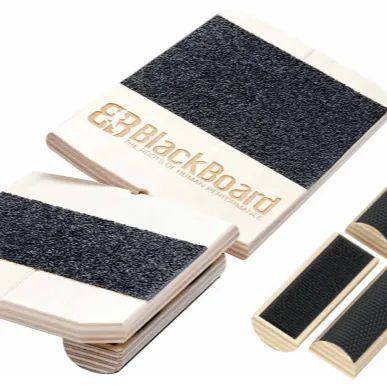
BlackBoard Training

BlackBoard Training focuses on maximizing foot mobility and stability. They provide specialized tools and training programs to enhance the natural movement potential of the feet, aiding in overall physical performance.
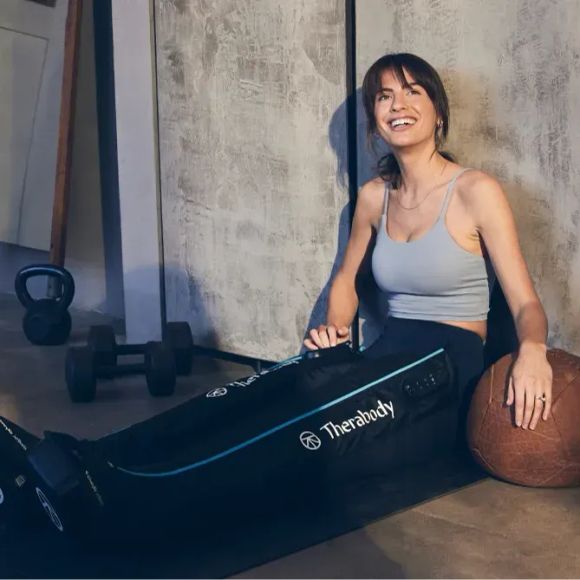
Therabody

Therabody is a wellness technology company that develops products and services to enhance physical well-being. They are best known for their Theragun percussive therapy devices.

BLACKROLL
BLACKROLL offers special foam rollers, fascia tools, and exercise accessories designed to improve mobility, relieve muscle tension, and enhance sports performance and recovery. Their products are used by athletes, physical therapists, and fitness enthusiasts worldwide for (self-)massage, myofascial release, and overall movement optimization.
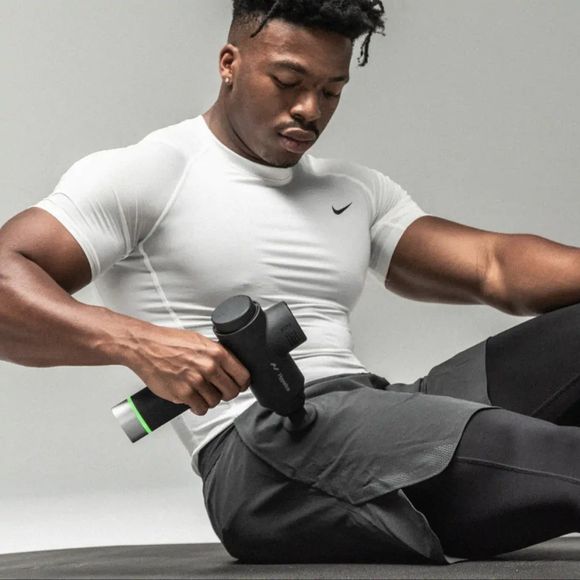
Hyperice
Hyperice provides innovative technology to enhance muscle recovery and improve mobility.

Natural Elements
Natural Elements offers a range of natural supplements designed to support various health needs, including beauty and anti-aging, immune system, bones and mobility, sports and energy, digestion and weight, and overall well-being.
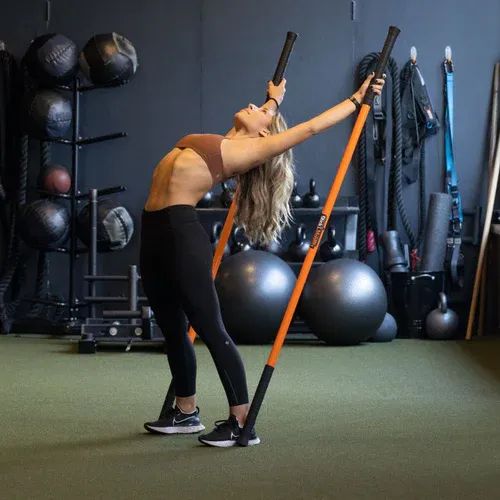
Stick Mobility

Stick Mobility, founded by fitness visionaries Neal Valera and Dennis Dunphy, is a training system that enhances flexibility, strength, and coordination through the use of custom-designed training sticks. By integrating stretching, mobility, and strength exercises, it aims to improve movement patterns and prevent injuries, benefiting individuals across all fitness levels.
Tasso Device
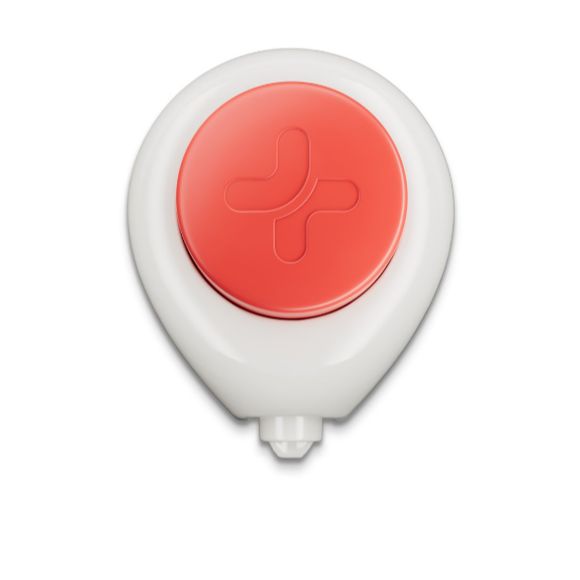
Tasso, Inc., founded in 2011, is a Seattle-based medical device company specializing in innovative blood collection solutions. Their flagship product, the Tasso+ device, enables virtually painless self-collection of blood samples without the need for needles or phlebotomy. This technology enhances patient experience and facilitates remote diagnostic testing.
GOWOD
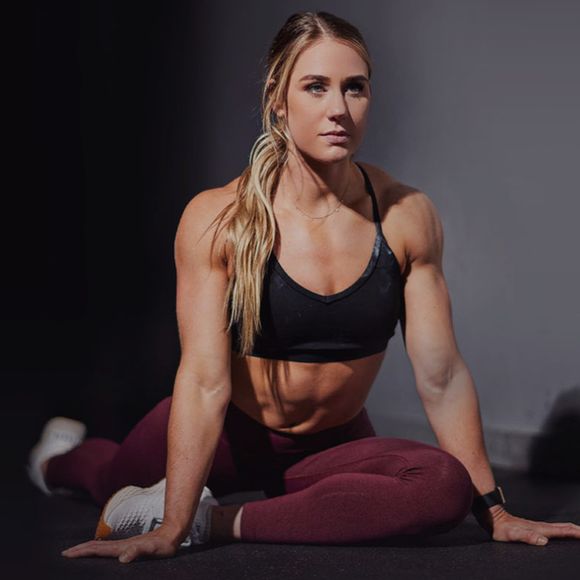
GOWOD is a personalized mobility app designed to assess and enhance flexibility and movement efficiency for athletes, particularly those engaged in CrossFit®. By conducting a comprehensive mobility test, the app creates tailored mobilization protocols to address individual needs, aiming to improve performance and reduce injury risk.
pliability
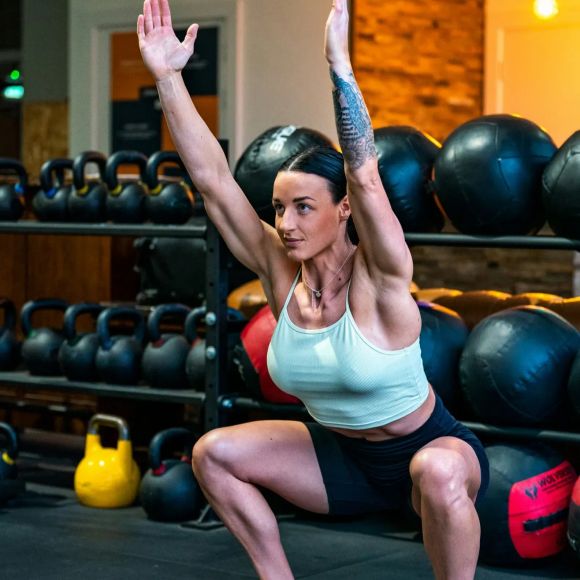
pliability offers daily mobility and stretching routines designed to enhance flexibility, improve performance, and support recovery. Their guided sessions are suitable for all fitness levels and can be accessed through their user-friendly app, making it easy to integrate mobility into your daily routine.
Perform Better
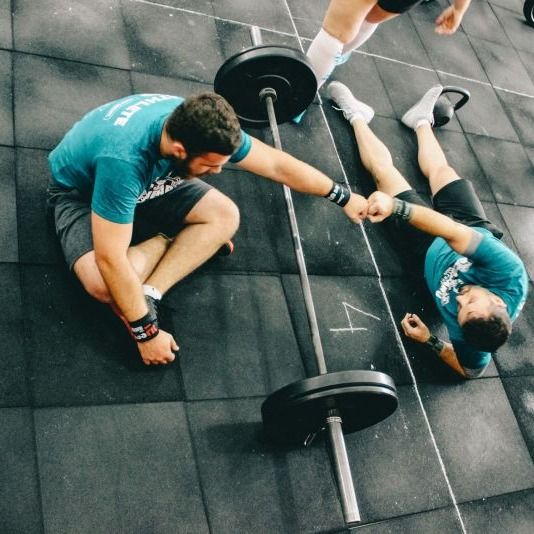
Perform Better Europe offers a wide range of functional training equipment and solutions, including products for strength, endurance, mobility, and recovery.