Knowledge
Magazine
-

The 24-Hour Sleep Model: Why Better Sleep Starts the Morning Before
8 min read
-

Eating for Longevity: Lessons From the World's Oldest People
9 min read
-

The Summer Health Kit: Supplies and Gadgets for Hot Days and Warm Nights
9 min read
Weekly picks on longevity, brands, and health science. No spam—unsubscribe anytime.
Tools
- →The 30s Longevity Guide for Women
- →Postpartum Recovery Guide
- →Perimenopause Longevity Guide
- →Dopamine Reset Guide
- →Pregnancy Longevity Guide
- →Peptide Guide
- →Home Detox Guide
- →Slow Aging Guide
- →Pro Supplement Guide
- →Safe Supplement Guide
- →Bio Age Calculator
- →Blood Testing Guide
- →Deep Sleep Guide
- →Pro Longevity Dashboard
By Category
By Goal
Knowledge
- →What is Longevity?
- →Improve diet
- →More focus
- →Look younger
- →Lose weight
- →Track biomarkers
- →Improve sleep
- →Build muscle
- →Increase cardio
- →Detect diseases
- →Recover faster
- →Relieve stress
Magazine
-
The 24-Hour Sleep Model: Why Better Sleep Starts the Morning Before
8 min read
-
Eating for Longevity: Lessons From the World's Oldest People
9 min read
-
The Summer Health Kit: Supplies and Gadgets for Hot Days and Warm Nights
9 min read
Weekly picks on longevity, brands, and health science. No spam—unsubscribe anytime.
Brands
- →Apps
- →At Home Tests & Kits
- →Events
- →Experts & Clinics
- →Foods & Beverages
- →Gadgets & Equipment
- →Gyms & Workouts
- →Supplements
- →Travel & Retreats
- →Wearables & Trackers
Tools
- →The 30s Longevity Guide for Women
- →Postpartum Recovery Guide
- →Perimenopause Longevity Guide
- →Dopamine Reset Guide
- →Pregnancy Longevity Guide
- →Peptide Guide
- →Home Detox Guide
- →Slow Aging Guide
- →Pro Supplement Guide
- →Safe Supplement Guide
- →Bio Age Calculator
- →Blood Testing Guide
- →Deep Sleep Guide
- →Pro Longevity Dashboard

Discover
Connect
Longevity Knowledge BETA
Prebiotics
Table of Contents
What are prebiotics?
Prebiotics are non-digestible food components that feed beneficial gut bacteria. Unlike probiotics, which are live microorganisms, prebiotics serve as fuel for your existing microbiome. The most common types include inulin, fructooligosaccharides (FOS), and galactooligosaccharides (GOS) [1]. These compounds resist digestion in the small intestine and undergo fermentation in the colon, producing short-chain fatty acids like butyrate that nourish the gut lining and support immune function [2].
How prebiotics work in your body
When you consume prebiotic foods, they travel to your colon where beneficial bacteria ferment them. This fermentation process generates metabolites that strengthen the intestinal barrier, reducing permeability and preventing harmful substances from entering your bloodstream [3]. Butyrate, a primary byproduct, provides energy for colon cells and influences gene expression in ways that reduce inflammation [1].
Best food sources
Prebiotics occur naturally in many everyday foods. Top sources include garlic, onions, leeks, asparagus, bananas, Jerusalem artichokes, chicory root, and oats. Legumes like lentils and beans also contain significant amounts [2]. For optimal benefits, aim to include a variety of these foods daily rather than relying on single sources.
Health benefits
Research links prebiotic intake to improved mineral absorption, particularly calcium and magnesium. Studies show they support immune function by modulating gut-associated lymphoid tissue [3]. Prebiotics may help regulate blood sugar levels and promote satiety, supporting metabolic health. They also increase bowel regularity by adding bulk and normalizing transit time [1].
Dosage and side effects
Most experts recommend 3-5 grams of prebiotics daily for general health. Start slowly when increasing intake, as rapid consumption can cause bloating, gas, or discomfort as your gut bacteria adapt [2]. Drink plenty of water and increase fiber gradually over several weeks.
References
- 1. Gibson GR, Hutkins R, Sanders ME, et al. Expert consensus document: The International Scientific Association for Probiotics and Prebiotics (ISAPP) con...
- 2. Davani-Davari D, Negahdaripour M, Karimzadeh I, et al. Prebiotics: Definition, Types, Sources, Mechanisms, and Clinical Applications. Foods. 2019;8(3)...
- 3. Markowiak-Kopeć P, Śliżewska K. The Effect of Probiotics on the Production of Short-Chain Fatty Acids by Human Intestinal Microbiome. Nutrients. 2020;...
Educate yourself
Consult professionals
Track your progress
Add garlic to everything
Choose green bananas
Start your day with oats
Try Jerusalem artichokes
What is this?
Why does this matter?
How do I optimize this?
How long does it take to see benefits from prebiotics?
Can you take too many prebiotics?
Are prebiotic supplements as good as food sources?
What is the difference between prebiotics and probiotics?

UFC Legend Dustin Poirier: I Lost My Mind. I’ll Never Let It Happen Again.
Billionaire's WARNING: I'm SELLING. The Crash Is Already Here!
Dr Rachel Rubin: Women’s Sexual Health, Menopause, Hormone Replacement Therapy (HRT), and Orgasms!

#397 ‒ Endometriosis and adenomyosis: diagnosis, fertility, reproductive aging, and emerging treatments | Renato Tomioka, M.D., Ph.D.
Vice President JD Vance: No One Saw This Coming, The Ceasefire Is Real!
Archaeology WARNING: They Secretly Found Antarctica 300 Years Before Us - Graham Hancock
No discussions yet
Be the first to start a discussion about Prebiotics.
Community Discussions
Related Brands
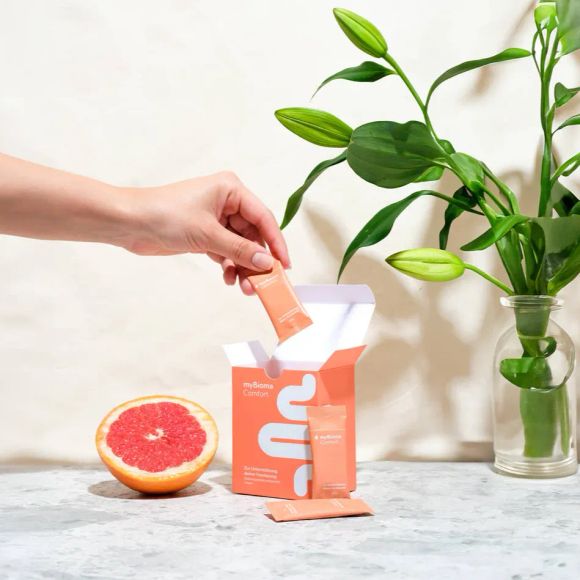
myBioma

myBioma offers advanced microbiome testing to help users understand their gut health. Their tests provide detailed insights into the composition of your gut flora and its impact on overall health.

ARMRA Colostrum
ARMRA Colostrum™ is a premium bovine colostrum supplement designed to strengthen immune barriers, optimize gut health, and enhance overall vitality.
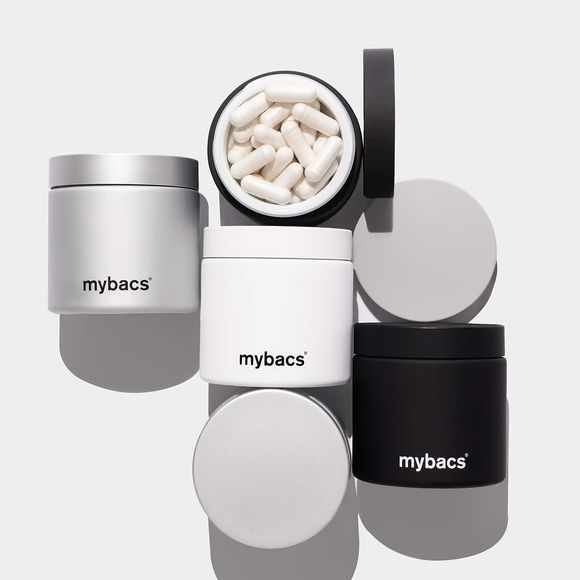
mybacs
mybacs® is a Swiss-designed microbiome-focused supplement line offering personalized synbiotic formulas—combining probiotics, prebiotics, postbiotics, and targeted boosters—to support digestion, metabolic balance, immunity, mood, skin, and more. Developed by experts, allergen‑free and delivered via convenient subscription.
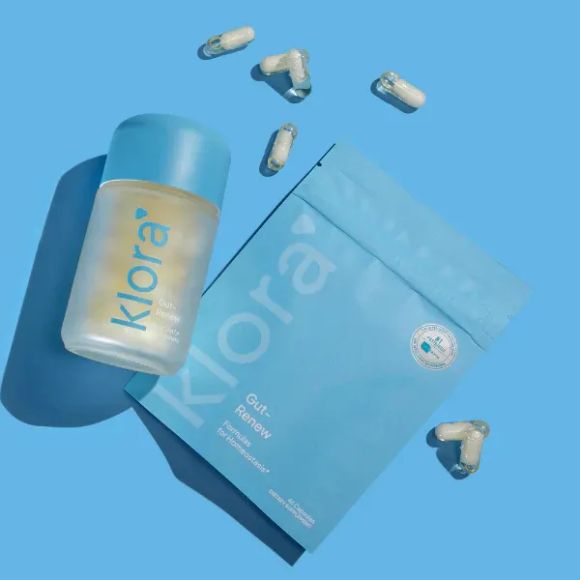
Get Klora

Klora offers science-backed supplements designed to enhance gut, mind, and body health, promoting overall well-being and longevity.
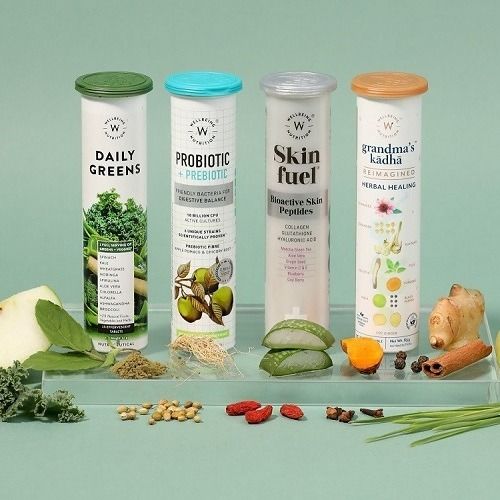
Wellbeing Nutrition
Wellbeing Nutrition is a science‑led supplement brand offering plant‑based, whole‑food and slow‑release formulas—from oral melts and probiotics to collagen and mineral blends—designed for sustainable performance, beauty, and metabolic health.