Knowledge
Magazine
-

The 24-Hour Sleep Model: Why Better Sleep Starts the Morning Before
8 min read
-

Eating for Longevity: Lessons From the World's Oldest People
9 min read
-

The Summer Health Kit: Supplies and Gadgets for Hot Days and Warm Nights
9 min read
Weekly picks on longevity, brands, and health science. No spam—unsubscribe anytime.
Tools
- →The 30s Longevity Guide for Women
- →Postpartum Recovery Guide
- →Perimenopause Longevity Guide
- →Dopamine Reset Guide
- →Pregnancy Longevity Guide
- →Peptide Guide
- →Home Detox Guide
- →Slow Aging Guide
- →Pro Supplement Guide
- →Safe Supplement Guide
- →Bio Age Calculator
- →Blood Testing Guide
- →Deep Sleep Guide
- →Pro Longevity Dashboard
By Category
By Goal
Knowledge
- →What is Longevity?
- →Improve diet
- →More focus
- →Look younger
- →Lose weight
- →Track biomarkers
- →Improve sleep
- →Build muscle
- →Increase cardio
- →Detect diseases
- →Recover faster
- →Relieve stress
Magazine
-
The 24-Hour Sleep Model: Why Better Sleep Starts the Morning Before
8 min read
-
Eating for Longevity: Lessons From the World's Oldest People
9 min read
-
The Summer Health Kit: Supplies and Gadgets for Hot Days and Warm Nights
9 min read
Weekly picks on longevity, brands, and health science. No spam—unsubscribe anytime.
Brands
- →Apps
- →At Home Tests & Kits
- →Events
- →Experts & Clinics
- →Foods & Beverages
- →Gadgets & Equipment
- →Gyms & Workouts
- →Supplements
- →Travel & Retreats
- →Wearables & Trackers
Tools
- →The 30s Longevity Guide for Women
- →Postpartum Recovery Guide
- →Perimenopause Longevity Guide
- →Dopamine Reset Guide
- →Pregnancy Longevity Guide
- →Peptide Guide
- →Home Detox Guide
- →Slow Aging Guide
- →Pro Supplement Guide
- →Safe Supplement Guide
- →Bio Age Calculator
- →Blood Testing Guide
- →Deep Sleep Guide
- →Pro Longevity Dashboard

Discover
Connect
Longevity Knowledge BETA
Sugar
Table of Contents
Understanding Sugar and Metabolic Health
Sugar consumption is among the most significant dietary factors affecting human health. While glucose serves as essential fuel for cells, excessive intake—particularly of added sugars and refined fructose—triggers metabolic dysfunction that contributes to chronic disease [1]. The distinction between naturally occurring sugars in whole foods and added sugars in processed products matters enormously for health outcomes.
Added Sugars vs Natural Sugars
Natural sugars found in whole fruits, vegetables, and dairy come packaged with fiber, protein, and micronutrients that slow absorption and modulate metabolic impact. The fiber matrix in whole fruit reduces glycemic spikes and promotes satiety. In contrast, added sugars—sucrose, high-fructose corn syrup, and other sweeteners added during processing—deliver concentrated calories without nutritional benefit [3].
Food labels now distinguish added sugars from total sugars, making it easier to identify hidden sources. Common culprits include sweetened beverages, breakfast cereals, flavored yogurts, condiments, and processed snacks. The average adult consumes far more added sugar than recognized, often exceeding recommended limits by 200% or more [6].
Metabolic Effects and Insulin Resistance
Chronic high sugar intake drives insulin resistance, the underlying mechanism of type 2 diabetes [2]. When blood glucose rises repeatedly, pancreatic beta cells work overtime producing insulin. Over months and years, cells become less responsive to insulin's signal—a condition called insulin resistance—forcing the pancreas to produce even more. Eventually, beta cells exhaust and fail.
Fructose, which comprises half of sucrose and high-fructose corn syrup, poses unique metabolic risks. Unlike glucose, which all cells can use, fructose is metabolized almost exclusively by the liver. High fructose intake overwhelms hepatic capacity, promoting fat accumulation, inflammation, and non-alcoholic fatty liver disease. Studies show that every 150-calorie daily increase in sugar availability correlates with 1.1% higher diabetes prevalence independent of obesity.
Inflammation and Glycation
Sugar promotes systemic inflammation through multiple pathways. Advanced glycation end-products (AGEs) form when sugars bind to proteins and fats in a process called glycation. These compounds accumulate in tissues, contributing to aging and disease. High sugar intake also increases inflammatory cytokines and oxidative stress markers.
Glycation affects skin collagen and elastin, accelerating wrinkle formation. Within blood vessels, glycated proteins contribute to arterial stiffness and cardiovascular disease. The long-term accumulation of AGEs represents a key mechanism linking sugar to accelerated aging.
WHO Recommended Limits
The World Health Organization recommends limiting added sugar intake to less than 10% of total daily calories, with additional benefits seen below 5%. For a 2000-calorie diet, this translates to 50 grams maximum, ideally 25 grams or fewer. The American Heart Association suggests stricter limits: 25 grams daily for women and 36 grams for men.
Children should consume even less. Early sugar exposure shapes taste preferences and metabolic programming. Research links high sugar intake during childhood to increased risk of obesity, metabolic syndrome, and dental disease later in life.
Sugar Alternatives Compared
Various alternatives offer sweetness with different metabolic impacts. Stevia and monk fruit extracts provide intense sweetness with negligible calories and minimal glucose effect. Sugar alcohols like erythritol and xylitol have fewer calories than sugar and reduced glycemic impact, though excessive consumption may cause digestive discomfort.
Natural alternatives like honey and maple syrup contain trace minerals and antioxidants but remain concentrated sugars requiring moderation. Artificial sweeteners remain controversial; while they reduce calorie intake, some research suggests they may affect gut microbiota and metabolic response. Whole fruit remains the optimal sweet choice, offering sweetness alongside fiber, vitamins, and phytonutrients.
References
- 1. WHO Guideline: Sugars intake for adults and children
- 2. The relationship of sugar to population-level diabetes prevalence: an econometric analysis
- 3. Dietary sugars and body weight: systematic review and meta-analyses of randomised controlled trials and cohort studies
- 4. Added sugar intake and cardiovascular diseases mortality among US adults
- 5. Advanced glycation end products in foods and a practical guide to their reduction in the diet
- 6. Sugar consumption, metabolic disease and obesity: The state of the controversy
Eliminate sugary beverages first
Read labels for added sugars
Choose whole fruit over juice
Follow the 5% rule
Time your sugar intake
What are the WHO recommended sugar limits?
What is glycation and how does sugar accelerate aging?
What is the difference between added sugars and natural sugars?
How does sugar cause insulin resistance?

Most Replayed Moment: Is Milk Healthy? The Truth About Dairy, Sugar, Fruit And Fasting
Fatty Liver Expert: Your Liver Is Filling With Fat Right Now - Dr David Unwin

Essentials: Control Sugar Cravings & Metabolism with Science-Based Tools
Essentials: Using Salt to Optimize Mental & Physical Performance
Essentials: The Biology of Taste Perception & Sugar Craving | Dr. Charles Zuker
Pregnancy Diet Expert: The Pregnancy Diet That Rewrites DNA! Why Pregnant Moms Are Being Lied To!
No discussions yet
Be the first to start a discussion about Sugar.
Community Discussions
Related Brands

Veri

Veri offers a personalized metabolic health program using cutting-edge CGM technology. Their program helps users find the right foods, achieve health goals, and maintain stable blood sugar levels through continuous glucose monitoring and personalized guidance.

Wholey
Wholey Organics offers a range of organic, vegan breakfast products, including smoothie bowls, porridges, granolas, and nut butters, all free from artificial additives and refined sugars, designed for quick and nutritious meals.

IQ Brot
IQ Brot offers gluten-free, low-carbohydrate breads and rolls with high protein content, designed to reduce blood sugar fluctuations, prevent cravings, and provide sustained nourishment.

Lumina Probiotic
Lumina Probiotic is an innovative oral care solution that introduces a genetically modified strain of Streptococcus mutans (BCS3-L1) to displace harmful bacteria in the mouth, aiming to improve dental health by reducing lactic acid production.
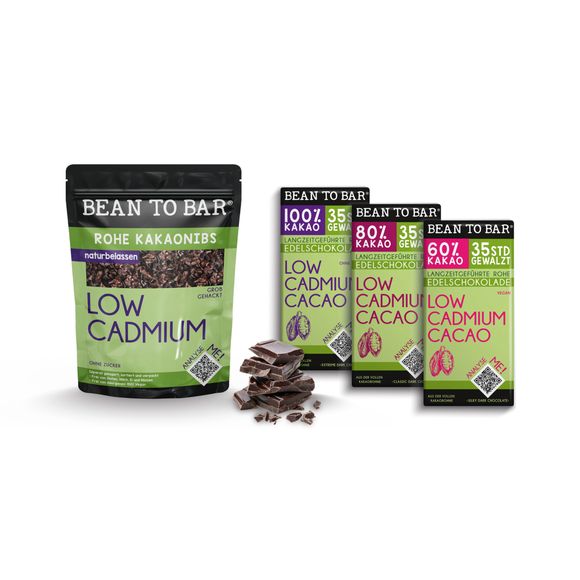
Edelmond Chocolatiers
Edelmond Chocolatiers GmbH is a German artisan chocolate manufacturer specializing in organic and fair-trade bean-to-bar chocolates, crafted without additives like lecithin or artificial flavors.

Jaja Life
Jala-Life is a Swiss-based wellness brand offering high-quality, plant-based liquid supplements designed for optimal absorption and effectiveness. Their products, including Ashwagandha, Curcuma, Coenzyme Q10, and various vitamin blends, are vegan, alcohol-free, and formulated without artificial additives, aiming to support holistic health and vitality.
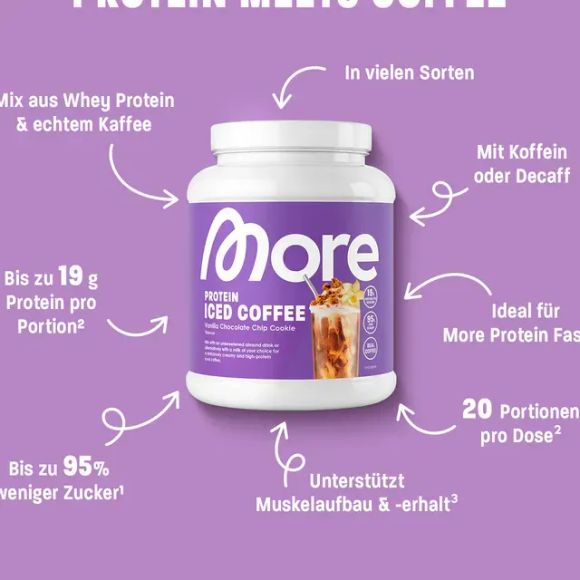
More Nutrition

More Nutrition is a German-based company offering a wide range of high-quality, laboratory-tested nutritional supplements and fitness products designed to support a healthy lifestyle.

Waterdrop
Waterdrop delivers sugar‑free hydration cubes packed with vitamins and plant extracts that turn plain water into a flavorful, nutrient‑rich drink designed to boost your daily hydration habit.

H.P.N Store

HPN Store is a German-based online retailer specializing in high-quality nutritional supplements designed to support various health and fitness goals. Their extensive product range includes solutions for weight management, general health, sleep enhancement, sports performance, and digestive health. With a commitment to science-backed formulations, HPN Store caters to individuals seeking to optimize their well-being and physical performance.

Renew Life
Renew Life® Canada, established in 2002, is dedicated to enhancing digestive health through a comprehensive range of natural health supplements. Their offerings include probiotics, fiber supplements, digestive aids, enzymes, and internal cleanses, all formulated with high-quality ingredients to support optimal health