Knowledge
Magazine
-

The 24-Hour Sleep Model: Why Better Sleep Starts the Morning Before
8 min read
-

Eating for Longevity: Lessons From the World's Oldest People
9 min read
-

The Summer Health Kit: Supplies and Gadgets for Hot Days and Warm Nights
9 min read
Weekly picks on longevity, brands, and health science. No spam—unsubscribe anytime.
Tools
- →The 30s Longevity Guide for Women
- →Postpartum Recovery Guide
- →Perimenopause Longevity Guide
- →Dopamine Reset Guide
- →Pregnancy Longevity Guide
- →Peptide Guide
- →Home Detox Guide
- →Slow Aging Guide
- →Pro Supplement Guide
- →Safe Supplement Guide
- →Bio Age Calculator
- →Blood Testing Guide
- →Deep Sleep Guide
- →Pro Longevity Dashboard
By Category
By Goal
Knowledge
- →What is Longevity?
- →Improve diet
- →More focus
- →Look younger
- →Lose weight
- →Track biomarkers
- →Improve sleep
- →Build muscle
- →Increase cardio
- →Detect diseases
- →Recover faster
- →Relieve stress
Magazine
-
The 24-Hour Sleep Model: Why Better Sleep Starts the Morning Before
8 min read
-
Eating for Longevity: Lessons From the World's Oldest People
9 min read
-
The Summer Health Kit: Supplies and Gadgets for Hot Days and Warm Nights
9 min read
Weekly picks on longevity, brands, and health science. No spam—unsubscribe anytime.
Brands
- →Apps
- →At Home Tests & Kits
- →Events
- →Experts & Clinics
- →Foods & Beverages
- →Gadgets & Equipment
- →Gyms & Workouts
- →Supplements
- →Travel & Retreats
- →Wearables & Trackers
Tools
- →The 30s Longevity Guide for Women
- →Postpartum Recovery Guide
- →Perimenopause Longevity Guide
- →Dopamine Reset Guide
- →Pregnancy Longevity Guide
- →Peptide Guide
- →Home Detox Guide
- →Slow Aging Guide
- →Pro Supplement Guide
- →Safe Supplement Guide
- →Bio Age Calculator
- →Blood Testing Guide
- →Deep Sleep Guide
- →Pro Longevity Dashboard

Discover
Connect
Longevity Knowledge BETA
Strength Training
Table of Contents
Why muscle is a longevity organ
Skeletal muscle is far more than tissue that moves your body. It functions as an endocrine organ, releasing myokines that reduce chronic inflammation, improve insulin sensitivity, and support brain health [1]. After age 30, adults lose roughly 3-8% of muscle mass per decade through sarcopenia, and this loss accelerates sharply after 60. Low muscle mass is independently linked to higher all-cause mortality, metabolic syndrome, falls, fractures, and loss of independence. A 2022 meta-analysis of 16 studies found that resistance training reduced all-cause mortality risk by 15%, with optimal benefits at around 60 minutes per week [1].
Strength training and metabolic health
Resistance training improves insulin sensitivity by expanding the muscle's glucose storage capacity and strengthening post-receptor insulin signaling [3]. Insulin sensitivity is directly proportional to muscle mass, which makes strength training a frontline intervention for type 2 diabetes prevention. Three weekly sessions produce optimal metabolic benefits, with measurable improvements in fasting insulin, HOMA-IR, fasting glucose, and HbA1c. Combined with its body composition effects (reducing both subcutaneous and visceral fat), resistance training tackles metabolic syndrome at its root.
Principles of effective resistance training
Progressive overload is the foundational principle: muscles adapt only when challenged beyond their current capacity. This means increasing load, volume, range of motion, or reducing rest periods over time. A well-structured program targets each major muscle group with 10-20 hard sets per week, spread across 2-4 sessions [4]. Training to within 1-3 repetitions of failure provides sufficient mechanical tension, the primary driver of muscle growth, without piling up excessive fatigue.
Compound lifts as the foundation
Multi-joint compound movements should make up 70-80% of training volume. Squats, deadlifts, bench press, overhead press, and rows recruit large amounts of muscle simultaneously, produce the strongest hormonal and metabolic response, and build functional movement patterns that transfer to daily life. For those training primarily for longevity, the trap bar deadlift and goblet squat offer excellent risk-to-reward profiles with lower spinal loading.
Bone density and structural benefits
Resistance training is one of the most effective non-drug interventions for improving bone mineral density and preventing osteoporosis [5]. Research shows significant improvements in BMD at the lumbar spine and femoral hip, with protocols using 80-85% of one-rep max twice weekly producing the strongest effects. The mechanical loading from compound exercises stimulates osteoblast activity and bone remodeling, making strength training essential for fracture prevention in postmenopausal women and older adults.
Muscle power, not just strength
A 2025 study published in Mayo Clinic Proceedings tracked 3,889 adults aged 46-75 over a median of 10.8 years and found that muscle power (force multiplied by velocity) was a far stronger predictor of mortality than maximal strength alone [8]. Men in the lowest power quartile had a nearly sixfold higher mortality risk compared to the highest. This means training speed matters: explosive concentric movements (pushing or pulling fast) combined with controlled eccentrics build power, not just raw strength. Adding medicine ball throws, jump squats, or kettlebell swings to a program addresses this gap.
Mental health and depression
Multiple systematic reviews and meta-analyses now confirm that resistance training has a moderate antidepressant effect (SMD = -0.51) in people with depression or depressive symptoms [9]. In young adults, 30-60 minutes of resistance exercise three to four times per week was the most effective dose for reducing both depression and anxiety. Older adults also showed significant reductions in anxiety symptoms. These effects likely come from increased brain-derived neurotrophic factor (BDNF), improved self-efficacy, and better sleep quality. Strength training won't replace therapy or medication, but it's a potent add-on.
Programming for longevity
Unlike competitive athletes who periodize for peak performance, longevity-focused training prioritizes consistency, joint health, and progressive capacity building across decades.
- Train 3-4 days per week with at least one full rest day between sessions targeting the same muscle groups
- Combine heavy strength work (3-6 reps at 80-85% 1RM) with moderate hypertrophy work (8-12 reps at 65-75%)
- Prioritize eccentric control with 2-3 second lowering phases to maximize mechanical tension and tendon adaptation
- Include single-leg and single-arm exercises to address imbalances and improve balance
- Deload every 4-6 weeks by reducing volume or intensity by 40-50% for connective tissue recovery
- Add power-focused movements (explosive concentric, controlled eccentric) at least once per week
Cognitive benefits
A systematic review of 17 randomized controlled trials found that resistance training significantly improves cognitive function, particularly working memory and verbal learning, in older adults [6]. Network meta-analyses rank resistance training as the most effective exercise type for overall cognitive improvement, even ahead of aerobic exercise alone. The mechanisms likely include increased BDNF production and improved cerebrovascular function during resistance exercise.
Muscle preservation with aging
Older adults need higher per-meal protein intake, roughly 0.4-0.5 grams per kilogram of body weight, to overcome anabolic resistance and maximally stimulate muscle protein synthesis [7]. Leucine, the amino acid that triggers the mTOR pathway, should reach 2.5-3 grams per meal. Combining resistance training with adequate total protein (1.6-2.2 g/kg/day) is the most effective strategy to maintain or rebuild muscle mass at any age.
References
- 1. Resistance Training and Mortality Risk: A Systematic Review and Meta-Analysis (Momma et al., 2022)
- 2. How Much Resistance Exercise Is Beneficial for Healthy Aging and Longevity? (Garatachea et al., 2022)
- 3. Resistance Training for Diabetes Prevention and Therapy: Experimental Findings and Molecular Mechanisms (Strasser & Pesta, 2013)
- 4. Dose-Response Relationship Between Weekly Resistance Training Volume and Increases in Muscle Mass (Schoenfeld et al., 2017)
- 5. The Effect of Resistance Training on Bone Mineral Density in Older Adults: A Systematic Review and Meta-Analysis (Mages et al., 2022)
- 6. Resistance Training Improves Cognitive Function in Older Adults: A Systematic Review and Meta-Analysis (Chen et al., 2020)
- 7. Effects of Resistance Training in Healthy Older People with Sarcopenia: A Systematic Review and Meta-Analysis (Lopez et al., 2021)
- 8. Muscle Power Versus Strength as a Predictor of Mortality in Middle-Aged and Older Men and Women (Mayo Clinic Proceedings, 2025)
- 9. Resistance Training for Depression: A Systematic Review and Meta-Analysis of Randomized Controlled Trials (Frontiers in Psychology, 2025)
- 10. Grip Strength: An Indispensable Biomarker For Older Adults (Bohannon, 2019)
- 11. Weight Training and Risk of All-Cause, CVD, and Cancer Mortality Among Older Adults (PMC, 2024)
Slow down the eccentric phase
Distribute protein across 3–4 meals
Schedule deload weeks every 4–6 weeks
Prioritize heavy compound lifts for bone density
Include unilateral exercises for balance
Train for power, not just strength
Use strength training against depression
Test your grip strength regularly
Hit each muscle group twice per week
Creatine is the most proven supplement
Progressive overload is non-negotiable
How often should I do strength training per week?
Is strength training safe for older adults?
Does strength training help with weight loss?
What is the difference between strength training and hypertrophy training?
Can strength training improve brain health and prevent cognitive decline?
How much strength training per week reduces mortality?
Is muscle power more important than muscle strength for longevity?
Can strength training reduce depression and anxiety?
How many sets per muscle group per week?
Can I build muscle after 40?

Building strength and muscle mass: how to optimize training, nutrition, and more for longevity (AMA #71 rebroadcast)

Women’s Fitness Expert: What You NEED To Know About Dieting & Exercise | Dr. Stephanie Estima
#398 ‒ AMA #86: GLP-1 RAs and muscle loss: new data, better questions, and how to preserve muscle during weight loss
Creatine Expert: Creatine Is The Secret To Weight Loss

Build Muscle, Great Posture & Resilience to Injury | Jeff Cavaliere
No discussions yet
Be the first to start a discussion about Strength Training.
Related Articles


Community Discussions
Related Brands
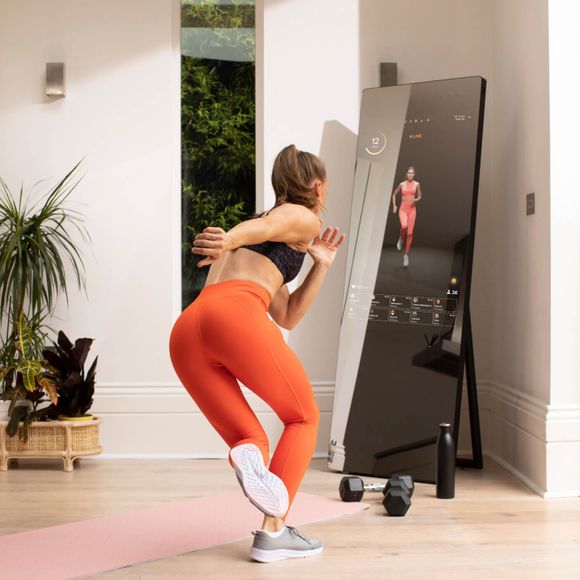
Vaha

VAHA offers interactive fitness mirrors that combine cutting-edge technology with personalized workouts, bringing a complete home gym experience to your living space.
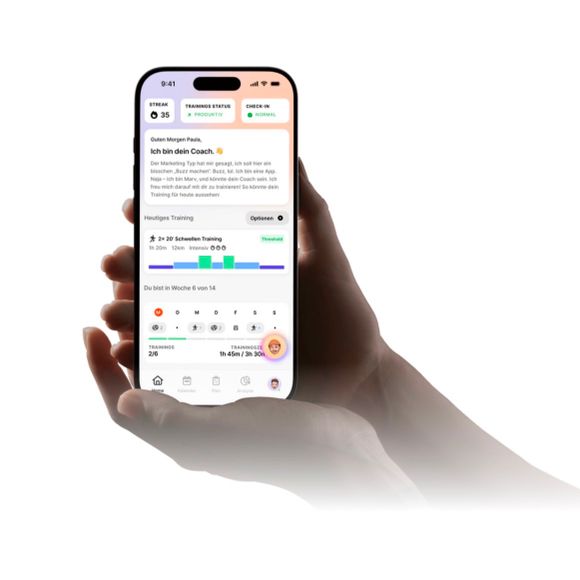
Enduco
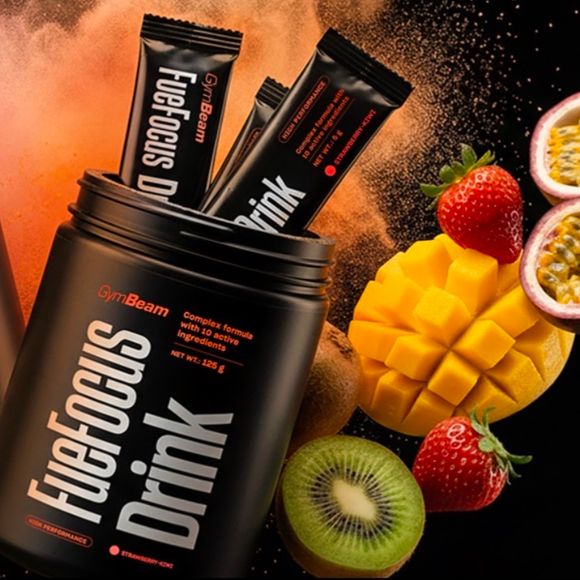
GymBeam
GymBeam is a Central and Eastern European fitness e-commerce platform founded in Slovakia in 2014. The company manufactures over 500 own-brand sports nutrition and functional food products, sells 120+ third-party brands, and operates across 16 European markets including Germany, Austria, and Switzerland.
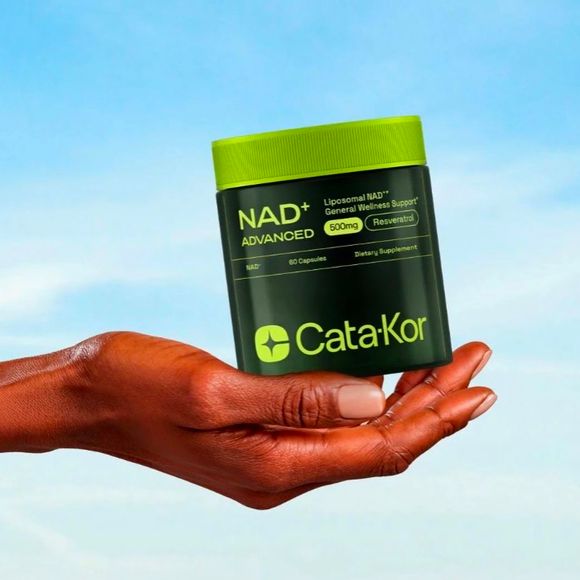
Catakor
Cata-Kor is a longevity supplement brand best known as the #1 selling NAD+ product on Amazon. Their lineup includes liposomal NAD+ capsules (250mg and 500mg with resveratrol), an NMN supplement, and a CA-AKG-based skin, hair, and nails formula, all GMP-manufactured and third-party tested for purity and potency.
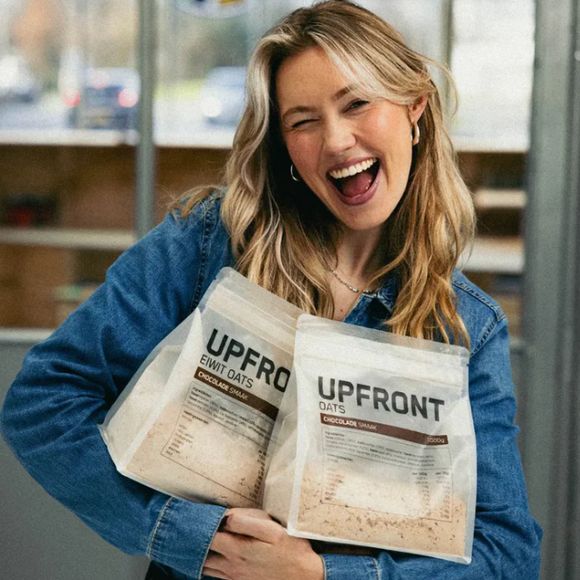
Upfront
Upfront is a fast-growing Dutch sports nutrition brand founded in Rotterdam in 2020, built around radical transparency in ingredient labeling. Their product range spans whey protein shakes, vegan protein powder, protein bars, protein oats, overnight oats, running gels, creatine, magnesium, and ready-to-drink protein iced coffees, available online and across major Dutch retailers including Albert Heijn.
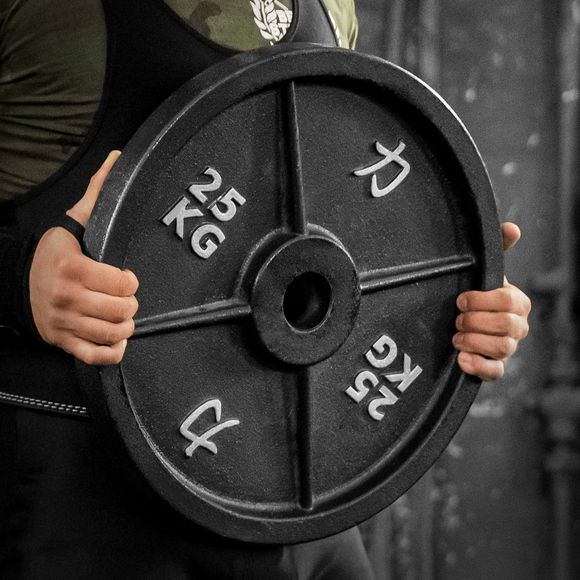
Strength Shop

Strength Shop Europe offers a wide range of high-quality strength training and fitness equipment, catering to athletes of all levels. Their products include weightlifting belts, knee sleeves, lifting straps, and various other support gear essential for powerlifting, strongman, and general strength training.

Evage
Evage is the world's first Athletic Longevity brand, developed by German supplement manufacturer Medicom and launched in 2026. Their science-based product line targets athletes of any level aged 30+ with formulations for endurance, cognitive focus, flexibility, and cellular health, all GMP-certified, 100% doping-safe, and made in Germany and Switzerland.
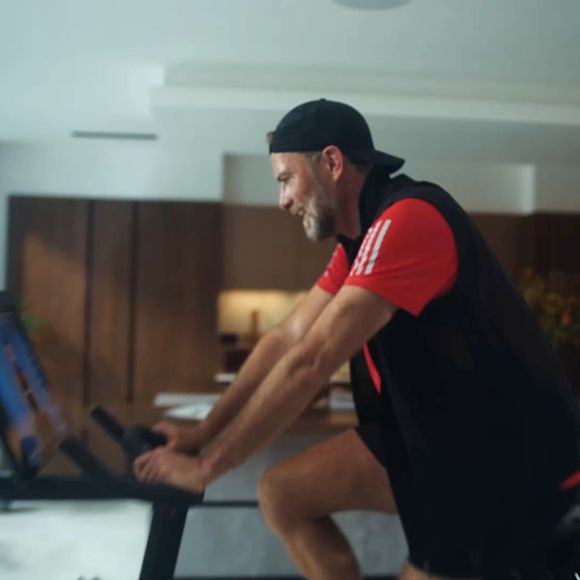
Peloton
Peloton offers innovative fitness solutions, including the Peloton Bike+, Tread, and a wide range of classes through their app.
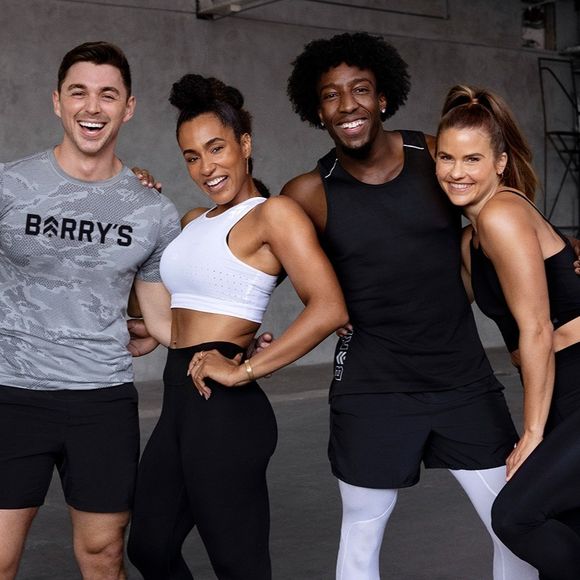
Barry's
Barry's offers high-intensity interval training (HIIT) workouts in their iconic Red Room, combining cardio and strength training for maximum results.
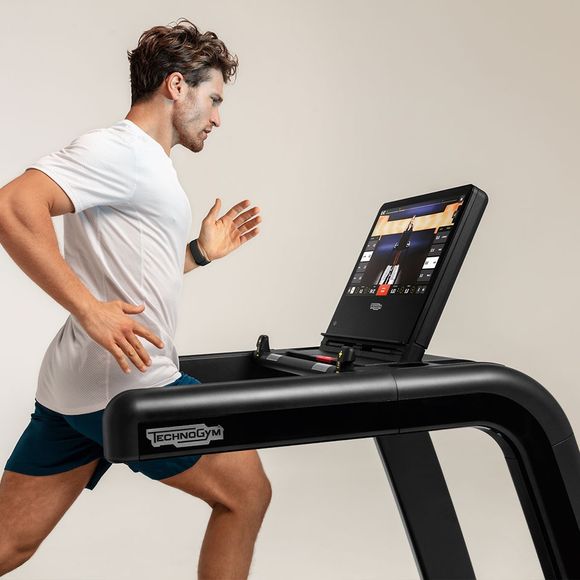
Technogym
Technogym is a leading provider of home and commercial gym equipment, offering a wide range of products including treadmills, exercise bikes, elliptical machines, strength training equipment, and fitness accessories. Their products are designed to enhance the wellness experience and promote a healthy lifestyle.