Knowledge
Magazine
-

The 24-Hour Sleep Model: Why Better Sleep Starts the Morning Before
8 min read
-

Eating for Longevity: Lessons From the World's Oldest People
9 min read
-

The Summer Health Kit: Supplies and Gadgets for Hot Days and Warm Nights
9 min read
Weekly picks on longevity, brands, and health science. No spam—unsubscribe anytime.
Tools
- →The 30s Longevity Guide for Women
- →Postpartum Recovery Guide
- →Perimenopause Longevity Guide
- →Dopamine Reset Guide
- →Pregnancy Longevity Guide
- →Peptide Guide
- →Home Detox Guide
- →Slow Aging Guide
- →Pro Supplement Guide
- →Safe Supplement Guide
- →Bio Age Calculator
- →Blood Testing Guide
- →Deep Sleep Guide
- →Pro Longevity Dashboard
By Category
By Goal
Knowledge
- →What is Longevity?
- →Improve diet
- →More focus
- →Look younger
- →Lose weight
- →Track biomarkers
- →Improve sleep
- →Build muscle
- →Increase cardio
- →Detect diseases
- →Recover faster
- →Relieve stress
Magazine
-
The 24-Hour Sleep Model: Why Better Sleep Starts the Morning Before
8 min read
-
Eating for Longevity: Lessons From the World's Oldest People
9 min read
-
The Summer Health Kit: Supplies and Gadgets for Hot Days and Warm Nights
9 min read
Weekly picks on longevity, brands, and health science. No spam—unsubscribe anytime.
Brands
- →Apps
- →At Home Tests & Kits
- →Events
- →Experts & Clinics
- →Foods & Beverages
- →Gadgets & Equipment
- →Gyms & Workouts
- →Supplements
- →Travel & Retreats
- →Wearables & Trackers
Tools
- →The 30s Longevity Guide for Women
- →Postpartum Recovery Guide
- →Perimenopause Longevity Guide
- →Dopamine Reset Guide
- →Pregnancy Longevity Guide
- →Peptide Guide
- →Home Detox Guide
- →Slow Aging Guide
- →Pro Supplement Guide
- →Safe Supplement Guide
- →Bio Age Calculator
- →Blood Testing Guide
- →Deep Sleep Guide
- →Pro Longevity Dashboard

Discover
Connect
Longevity Knowledge BETA
Salt
Sodium, Electrolytes, and Health
Sodium regulation is a critical but nuanced aspect of health optimization. Sodium is neither uniformly harmful nor beneficial in isolation—it functions as the primary extracellular osmolyte regulating fluid distribution, blood volume, and blood pressure [1]. The cardiovascular dysfunction observed in excessive sodium intake (>5-6 grams daily for extended periods) relates specifically to modern processed food consumption patterns combined with inadequate potassium and magnesium intake. Traditional salt consumption in whole-food diets containing substantial plant foods provided naturally balanced electrolyte ratios. The contemporary problem is not salt itself but the electrolyte imbalance created by processed foods high in sodium yet devoid of potassium, calcium, and magnesium that normally counterbalance sodium effects [2].
Electrolyte Balance and Cardiovascular Function
Optimal cardiovascular health requires appropriate sodium-potassium-magnesium-calcium balance rather than sodium restriction alone. Potassium opposes sodium's vasoconstrictive effects, with adequate potassium intake (3-4+ grams daily from whole foods) reducing blood pressure more effectively than sodium restriction [3]. Magnesium regulates vascular tone and endothelial function, with deficiency increasing hypertension and atherosclerosis risk. The ratio of sodium to potassium proves more predictive of cardiovascular outcomes than absolute sodium levels—traditional populations consuming 10+ grams daily sodium paired with 10+ grams potassium from diverse plant foods demonstrate excellent cardiovascular health. Modern populations consuming 3 grams sodium with only 2.5 grams potassium show elevated hypertension and cardiovascular disease despite lower absolute sodium [1].
Salt Types and Micromineral Content
All sodium chloride salts chemically behave identically; however, unrefined salts (sea salt, Himalayan pink salt, Celtic salt) contain trace minerals that refined table salt lacks. These minerals include magnesium, potassium, calcium, and various trace elements present in concentrations of 1-5% by weight. While these amounts are nutritionally minor compared to dietary sources, they contribute to overall mineral intake. Iodized salt remains important in populations without adequate dietary iodine from seafood or seaweed, as iodine deficiency causes thyroid dysfunction and developmental impairment [4].
Sodium for Athletic Performance and Hydration
Active individuals and athletes have higher sodium requirements due to sweat losses. Sodium concentration in sweat ranges from 400-1200 mg per liter depending on individual variation and acclimatization status. Inadequate sodium replacement during prolonged exercise causes hyponatremia, characterized by headache, confusion, seizures, and potentially fatal cerebral edema [5]. Sports drinks and electrolyte supplements help maintain sodium balance during high sweat-loss activities. The general population guideline of <2 grams sodium daily does not apply to heavy sweaters or those training in hot environments.
Individual Variation in Sodium Sensitivity
Salt sensitivity—the degree to which blood pressure responds to sodium intake—varies substantially between individuals. Approximately 50% of people with hypertension are salt-sensitive, while only 25% of normotensive individuals show this response [2]. Genetic factors, age, race, kidney function, and insulin sensitivity all influence salt sensitivity. Those with salt-sensitive hypertension benefit most from sodium restriction, while salt-resistant individuals may not see blood pressure improvements from sodium reduction. Testing individual response through home blood pressure monitoring helps determine personal optimal sodium intake.
References
- 1. WHO Sodium Reduction Guidelines - World Health Organization
- 2. Sodium and Cardiovascular Health: A Systematic Review - PubMed
- 3. Sodium: How to Tame Your Salt Habit - Mayo Clinic
- 4. Potassium and Sodium in Your Diet - Centers for Disease Control and Prevention
- 5. Exercise-Associated Hyponatremia: A Systematic Review - PubMed
Focus on the sodium-potassium ratio
Cook at home more often
Stay hydrated
Adjust for activity level
Test your individual response
Check Your Labels
Balance with Potassium
Replenish After Exercise
Choose Unrefined Salts
Monitor Your Response
How much salt should I eat per day?
Is sea salt healthier than table salt?
Does salt cause high blood pressure?
What are electrolytes and why do they matter?
Why is too much sodium bad for you?
What are the symptoms of low sodium?
How can I reduce sodium without losing flavor?

Essentials: Using Salt to Optimize Mental & Physical Performance
Essentials: The Biology of Taste Perception & Sugar Craving | Dr. Charles Zuker

World No.1 Divorce Lawyer: This Is A Sign You’ll Divorce In 10 Years!
Cognitive Decline Expert: The Disease That Starts in Your 30s but Kills You in Your 70s
I Met An Uncontacted Tribe: They Killed My Friend!

Ketogenic diet, ketosis & hyperbaric oxygen: metabolic therapies for weight loss, cognition, Alzheimer's & more | Dom D'Agostino, Ph.D.
No discussions yet
Be the first to start a discussion about Salt.
Community Discussions
Related Brands
Meolot

Meolot offers natural health and wellness solutions for both humans and animals, combining holistic therapies, health coaching, and a product line focused on improving systemic balance.
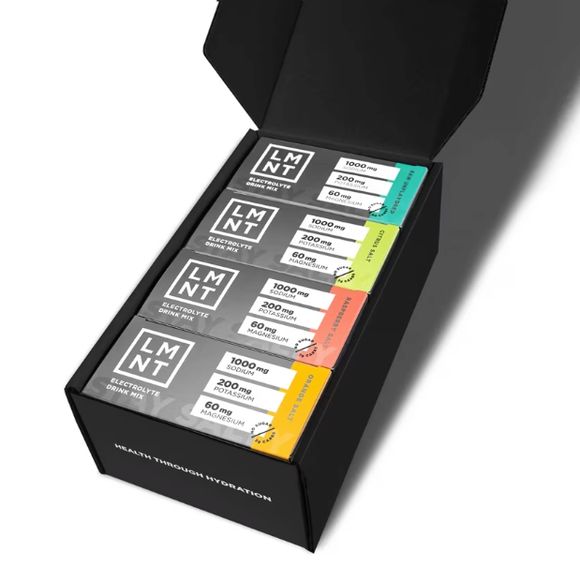
LMNT

LMNT offers a range of zero-sugar electrolyte drink mixes designed to optimize hydration. Their products, available in various flavors like Citrus Salt and Raspberry Salt, are formulated to deliver essential electrolytes without the sugars and artificial ingredients found in other drinks.

OSHUN
Oshun offers a pure electrolyte concentrate sourced from Utah's Great Salt Lake, delivering over 70 trace minerals and four essential electrolytes to enhance hydration and overall well-being.
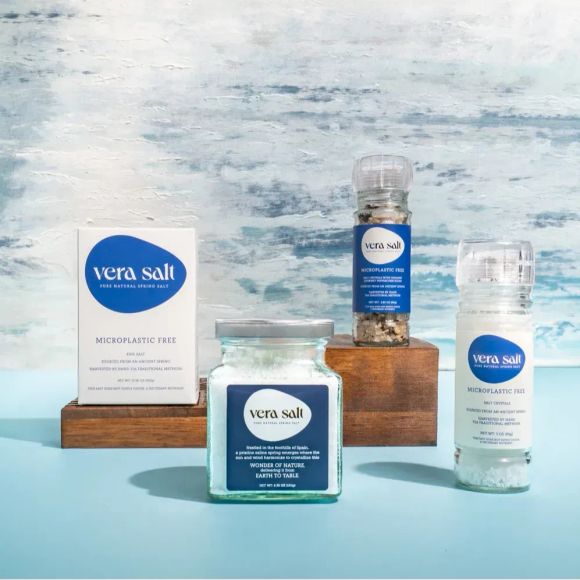
Vera Salt
Vera Salt offers pure, microplastic-free spring salt harvested from pristine sources, ensuring a clean and healthy addition to your diet.

Trace Minerals
ConcenTrace is a concentrated liquid mineral supplement sourced from Utah’s Great Salt Lake, containing over 72 naturally occurring ionic trace minerals with sodium removed.