Knowledge
Magazine
-

The 24-Hour Sleep Model: Why Better Sleep Starts the Morning Before
8 min read
-

Eating for Longevity: Lessons From the World's Oldest People
9 min read
-

The Summer Health Kit: Supplies and Gadgets for Hot Days and Warm Nights
9 min read
Weekly picks on longevity, brands, and health science. No spam—unsubscribe anytime.
Tools
- →The 30s Longevity Guide for Women
- →Postpartum Recovery Guide
- →Perimenopause Longevity Guide
- →Dopamine Reset Guide
- →Pregnancy Longevity Guide
- →Peptide Guide
- →Home Detox Guide
- →Slow Aging Guide
- →Pro Supplement Guide
- →Safe Supplement Guide
- →Bio Age Calculator
- →Blood Testing Guide
- →Deep Sleep Guide
- →Pro Longevity Dashboard
By Category
By Goal
Knowledge
- →What is Longevity?
- →Improve diet
- →More focus
- →Look younger
- →Lose weight
- →Track biomarkers
- →Improve sleep
- →Build muscle
- →Increase cardio
- →Detect diseases
- →Recover faster
- →Relieve stress
Magazine
-
The 24-Hour Sleep Model: Why Better Sleep Starts the Morning Before
8 min read
-
Eating for Longevity: Lessons From the World's Oldest People
9 min read
-
The Summer Health Kit: Supplies and Gadgets for Hot Days and Warm Nights
9 min read
Weekly picks on longevity, brands, and health science. No spam—unsubscribe anytime.
Brands
- →Apps
- →At Home Tests & Kits
- →Events
- →Experts & Clinics
- →Foods & Beverages
- →Gadgets & Equipment
- →Gyms & Workouts
- →Supplements
- →Travel & Retreats
- →Wearables & Trackers
Tools
- →The 30s Longevity Guide for Women
- →Postpartum Recovery Guide
- →Perimenopause Longevity Guide
- →Dopamine Reset Guide
- →Pregnancy Longevity Guide
- →Peptide Guide
- →Home Detox Guide
- →Slow Aging Guide
- →Pro Supplement Guide
- →Safe Supplement Guide
- →Bio Age Calculator
- →Blood Testing Guide
- →Deep Sleep Guide
- →Pro Longevity Dashboard

Discover
Connect
Longevity Knowledge BETA
Fasting
Table of Contents
How fasting triggers metabolic switching
Your body operates on two primary fuel systems: glucose and ketones. When you eat regularly throughout the day, glucose dominates. But after about 12 hours without food, insulin levels drop and the body begins switching to fatty acid oxidation. By the 18-hour mark, ketone production ramps up significantly. This metabolic shift is not just about burning fat — it activates deep repair mechanisms that remain dormant in a constantly fed state [1].
Intermittent fasting protocols explained
16:8 time-restricted eating
The 16:8 protocol involves fasting for 16 hours and eating within an 8-hour window — say noon to 8 PM. This is the most studied entry point, with trials showing improved insulin sensitivity, lower blood pressure, and modest weight loss within 12 weeks [2]. The key is consistency: eating at the same times each day reinforces circadian rhythms.
The 5:2 approach
The 5:2 method means eating normally for five days while restricting calories to 500-600 on two non-consecutive days. Research from the University of Manchester found this approach equally effective for weight loss as daily calorie restriction, with some participants reporting better adherence [3]. The flexibility makes it practical for social schedules.
OMAD: one meal a day
OMAD compresses all daily calories into a single 1-2 hour window. While effective for autophagy activation and insulin reduction, it demands careful meal planning to meet protein and micronutrient needs. Studies suggest OMAD can improve body composition but may be challenging to sustain long-term [4].
Autophagy: cellular spring cleaning
Autophagy — literally self-eating — is the process by which cells break down and recycle damaged components. Yoshinori Ohsumi's Nobel-winning work showed this mechanism is powerfully upregulated during fasting. Human studies now confirm measurable increases in autophagic markers after 18-24 hours of fasting, with regular intermittent fasting maintaining elevated baseline levels [5]. This cellular recycling may explain fasting's apparent protective effects against neurodegenerative diseases.
Insulin sensitivity and metabolic health
Fasting improves insulin sensitivity through multiple pathways. Lower insulin levels during the fasted state allow cells to upregulate insulin receptors. Time-restricted eating trials show reductions in fasting glucose and HbA1c independent of weight loss [6]. For prediabetic individuals, this can mean the difference between progression to type 2 diabetes and metabolic recovery.
Circadian alignment: when you eat matters
Your metabolic machinery follows daily rhythms. Insulin sensitivity peaks in the morning and declines through the evening. Early time-restricted eating — shifting your eating window earlier, such as 8 AM to 4 PM — produces better outcomes than identical fasting periods shifted later [7]. Aligning meals with daylight hours optimizes glucose control and may improve sleep quality.
Muscle preservation strategies
A common concern is muscle loss during fasting. Short-term intermittent fasting does not impair muscle protein synthesis, and resistance training during fasting periods helps preserve lean mass. During extended fasts, the body enters a protein-sparing mode after about 5 days as ketones become the primary fuel. The key is adequate protein intake during eating windows and maintaining resistance training [8].
References
- 1. Mattson MP, et al. Impact of intermittent fasting on health and disease processes. Aging Res Rev. 2017
- 2. Sutton EF, et al. Early Time-Restricted Feeding Improves Insulin Sensitivity, Blood Pressure, and Oxidative Stress. Cell Metab. 2018
- 3. Harvie M, et al. The effect of intermittent energy and carbohydrate restriction v. daily energy restriction on weight loss. Br J Nutr. 2013
- 4. St-Onge MP, et al. Meal Timing and Frequency: Implications for Cardiovascular Disease Prevention. Circulation. 2017
- 5. Bagherniya M, et al. The effect of fasting or calorie restriction on autophagy induction. Eur J Clin Nutr. 2018
- 6. Wilkinson MJ, et al. Ten-Hour Time-Restricted Eating Reduces Weight, Blood Pressure, and Atherogenic Lipids. Cell Metab. 2020
- 7. Jamshed H, et al. Early Time-Restricted Feeding Improves 24-Hour Glucose Levels and Affects Markers of the Circadian Clock. Nutrients. 2019
- 8. Tinsley GM, et al. Time-restricted feeding plus resistance training in active females. Eur J Sport Sci. 2019
Eat earlier in the day for better results
Track your fast to reach autophagy
Start your fast after dinner
Stay hydrated with electrolytes
Train fasted, eat after
Eat with the sun for metabolic advantage
Caloric restriction basics
Find your fasting window
Maintain electrolytes during fasting
Break your fast with protein and fats
Combine fasting with resistance training
Does fasting improve brain function?
Can fasting regenerate the immune system?
What is metabolic switching and why does it matter?
How does fasting improve insulin sensitivity?
Will I lose muscle while fasting?
Which fasting protocol is best for beginners?
Does intermittent fasting help with weight loss?
Does coffee break a fast?
How long do you need to fast for autophagy?
Who should avoid intermittent fasting?
Does fasting cause muscle loss?

Neil deGrasse Tyson On Aliens, Simulation Theory, and What Happens Inside A Black Hole

Raising a Dog & Mastering Calm Assertive Energy | Cesar Millan

Building strength and muscle mass: how to optimize training, nutrition, and more for longevity (AMA #71 rebroadcast)
Anti-Aging Expert: This Reverses Gray Hair & Boosts Your Energy!
Women’s Fitness Expert: What You NEED To Know About Dieting & Exercise | Dr. Stephanie Estima
#398 ‒ AMA #86: GLP-1 RAs and muscle loss: new data, better questions, and how to preserve muscle during weight loss
No discussions yet
Be the first to start a discussion about Fasting.
Related Articles

Community Discussions
Related Brands
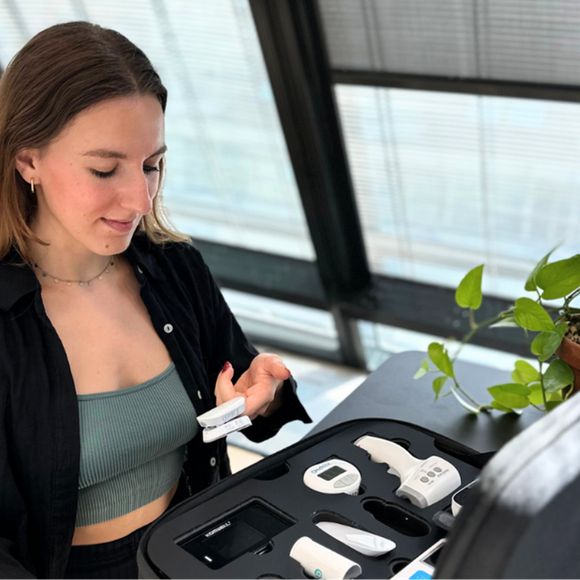
HealthCaters

HealthCaters offers modern DIY health screenings and 360° risk assessments designed for busy lives. Their services provide quick and comprehensive health insights without the wait, helping users stay informed and proactive about their health.

TrainerRoad
TrainerRoad is a platform that offers AI-driven coaching for cyclists, helping them train smart and get faster by providing adaptive training plans based on performance.
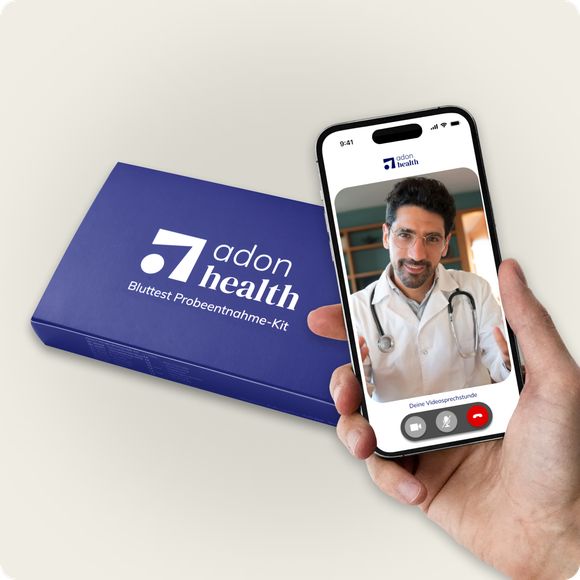
Adon Health
Adon Health specializes in optimizing hormonal balance and overall well-being for men. The Germany-based start-up offers at-home lab-tests and personalized therapies via video consultations and at-home delivery of prescription drugs, including testosterone replacement therapy (TRT) and other treatments tailored to individual needs. It's mission is to empower men to achieve peak performance and long-term health.
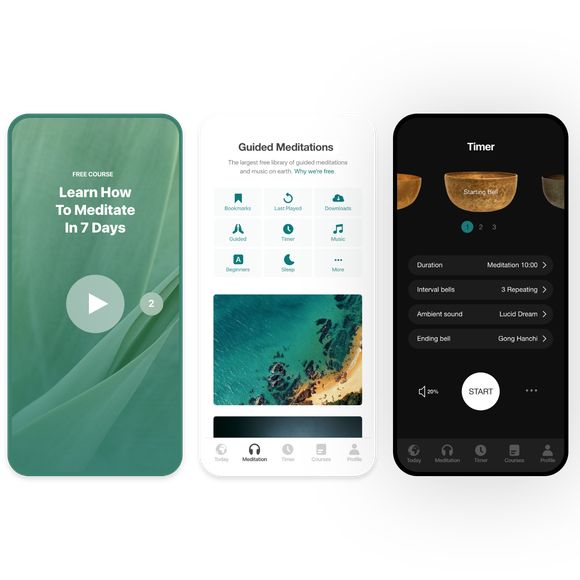
Insight Timer
Insight Timer is a free meditation app offering the world’s largest library of guided meditations, music tracks, and ambient sounds to aid in sleep, relaxation, and mindfulness. With contributions from over 17,000 teachers, the app provides diverse content suitable for both beginners and experienced practitioners.
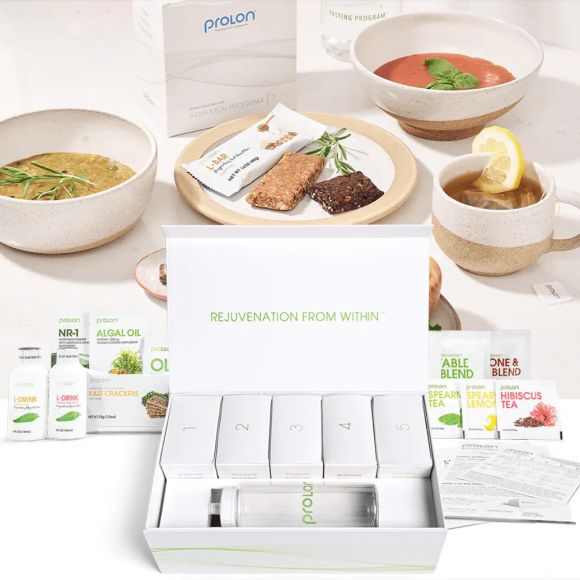
ProLon
ProLon offers a revolutionary 5-day Fasting Mimicking Diet—scientifically engineered to trigger the cellular benefits of water-only fasting, like autophagy and metabolic reset, while providing nourishing, plant-based meals.

Strength Shop

Strength Shop Europe offers a wide range of high-quality strength training and fitness equipment, catering to athletes of all levels. Their products include weightlifting belts, knee sleeves, lifting straps, and various other support gear essential for powerlifting, strongman, and general strength training.
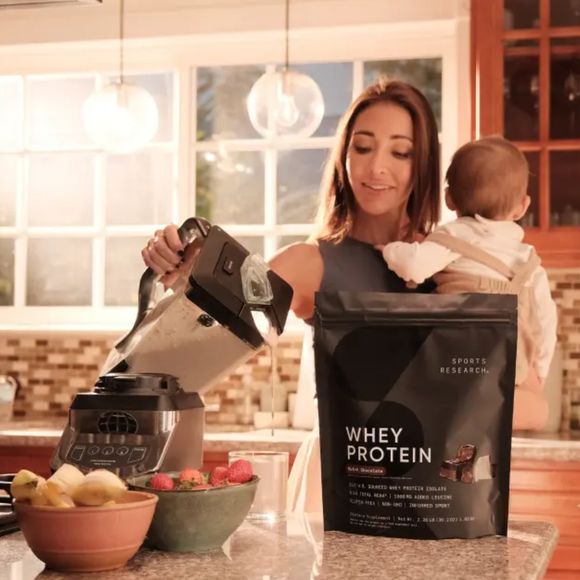
Sports Research
Sports Research is a family-owned supplement brand known for high‑quality, third‑party tested formulations—MCT oils, collagen peptides, vitamins—designed to support energy, recovery, and long‑term vitality.
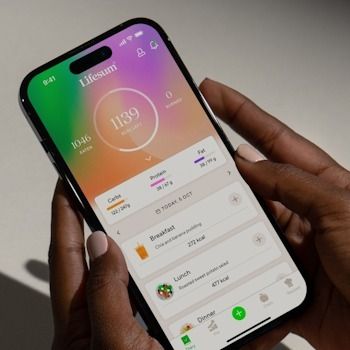
Lifesum
Lifesum is a health and wellness app that simplifies healthy living through personalized nutrition advice and tracking tools. It helps users improve their diet, achieve better sleep, boost energy, and manage weight with tailored meal plans and detailed nutrient breakdowns.
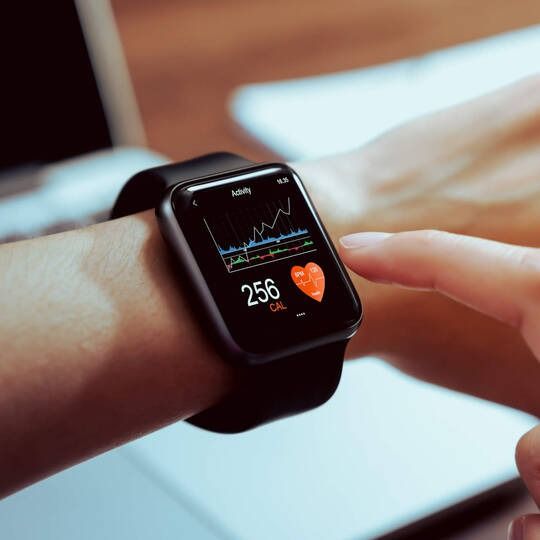
Apple
Apple Watch is a line of smartwatches designed by Apple Inc. It offers features like fitness tracking, health monitoring, and seamless integration with other Apple devices. So in addition to its smartwatch benefits, Apple Watch can support healthier habits and empower users to be proactive about their health.

Holmes Place
Holmes Place is a premium health, fitness, and wellness provider operating 14 clubs across Germany, including locations in Berlin, Düsseldorf, Hamburg, Cologne, Essen, and Lübeck. Established in Germany since 2001, Holmes Place offers comprehensive services such as group fitness classes, personal training, state-of-the-art equipment, and wellness & spa facilities, all designed to support members in leading healthier lives.