Knowledge
Magazine
-

The 24-Hour Sleep Model: Why Better Sleep Starts the Morning Before
8 min read
-

Eating for Longevity: Lessons From the World's Oldest People
9 min read
-

The Summer Health Kit: Supplies and Gadgets for Hot Days and Warm Nights
9 min read
Weekly picks on longevity, brands, and health science. No spam—unsubscribe anytime.
Tools
- →The 30s Longevity Guide for Women
- →Postpartum Recovery Guide
- →Perimenopause Longevity Guide
- →Dopamine Reset Guide
- →Pregnancy Longevity Guide
- →Peptide Guide
- →Home Detox Guide
- →Slow Aging Guide
- →Pro Supplement Guide
- →Safe Supplement Guide
- →Bio Age Calculator
- →Blood Testing Guide
- →Deep Sleep Guide
- →Pro Longevity Dashboard
By Category
By Goal
Knowledge
- →What is Longevity?
- →Improve diet
- →More focus
- →Look younger
- →Lose weight
- →Track biomarkers
- →Improve sleep
- →Build muscle
- →Increase cardio
- →Detect diseases
- →Recover faster
- →Relieve stress
Magazine
-
The 24-Hour Sleep Model: Why Better Sleep Starts the Morning Before
8 min read
-
Eating for Longevity: Lessons From the World's Oldest People
9 min read
-
The Summer Health Kit: Supplies and Gadgets for Hot Days and Warm Nights
9 min read
Weekly picks on longevity, brands, and health science. No spam—unsubscribe anytime.
Brands
- →Apps
- →At Home Tests & Kits
- →Events
- →Experts & Clinics
- →Foods & Beverages
- →Gadgets & Equipment
- →Gyms & Workouts
- →Supplements
- →Travel & Retreats
- →Wearables & Trackers
Tools
- →The 30s Longevity Guide for Women
- →Postpartum Recovery Guide
- →Perimenopause Longevity Guide
- →Dopamine Reset Guide
- →Pregnancy Longevity Guide
- →Peptide Guide
- →Home Detox Guide
- →Slow Aging Guide
- →Pro Supplement Guide
- →Safe Supplement Guide
- →Bio Age Calculator
- →Blood Testing Guide
- →Deep Sleep Guide
- →Pro Longevity Dashboard

Discover
Connect
Longevity Knowledge BETA
Olive Oil
Table of Contents
Olive oil composition and quality grades
Olive oil is a fat extracted from the fruit of the olive tree, primarily through mechanical pressing. Extra virgin olive oil (EVOO) represents the highest quality classification and is produced through cold pressing without chemical extraction or refinement. Unlike refined oils, EVOO retains its natural antioxidant compounds, polyphenols, and flavor compounds, making it significantly more nutritious than other olive oil categories. The primary fatty acid in olive oil is oleic acid, a monounsaturated fat that comprises approximately 70% of the oil. This healthy fat profile contributes to olive oil's anti-inflammatory and cardiovascular benefits [3].
Polyphenols and bioactive compounds
Extra virgin olive oil contains numerous polyphenolic compounds including secoiridoids, oleuropein, and hydroxytyrosol, which possess powerful antioxidant and anti-inflammatory properties [2]. These compounds help neutralize free radicals and reduce oxidative stress in the body. Research has demonstrated that high-polyphenol olive oils can reduce markers of inflammation including C-reactive protein and IL-6, even in low quantities. The peppery sensation in the throat when tasting olive oil is actually indicative of the polyphenol content.
Cardiovascular and metabolic health
The PREDIMED study demonstrated that a Mediterranean diet supplemented with extra virgin olive oil reduced cardiovascular events by 30% compared to a standard low-fat diet [1]. A large observational study confirmed that regular olive oil consumption is associated with lower cardiovascular mortality [4]. The oleic acid in olive oil helps reduce LDL oxidation, a key step in atherosclerosis development. Additionally, olive oil consumption is associated with improved insulin sensitivity and better glycemic control.
Culinary considerations and storage
While extra virgin olive oil is exceptionally healthy, its use should be contextual. The smoke point of EVOO (190-210°C) is lower than refined oils, making it less suitable for high-heat frying, though it works well for sauteing and baking. Light, heat, and oxygen degrade olive oil quality rapidly. Store olive oil in a cool, dark place in dark glass bottles or tins to preserve polyphenol content. For maximum health benefits, consume 2-3 tablespoons daily, ideally raw in salads or as a finishing oil [5].
References
- 1. PREDIMED Study: Mediterranean Diet and Cardiovascular Disease Prevention
- 2. Oleocanthal and Anti-inflammatory Properties of Extra Virgin Olive Oil
- 3. Polyphenols in Olive Oil: Health Benefits and Bioavailability
- 4. Olive Oil Consumption and Risk of Cardiovascular Disease
- 5. WHO Guidelines on Healthy Diet: Fats and Oils
Choose early-harvest oils for more polyphenols
Store olive oil away from light and heat
Use EVOO for low to medium heat cooking
Aim for 2-3 tablespoons daily
Taste for quality before buying
How long does olive oil last and how should it be stored?
What is the difference between extra virgin and regular olive oil?
Can you cook with extra virgin olive oil or should it only be used raw?
What are polyphenols and why do they matter in olive oil?

How to Lose Fat & Gain Muscle With Nutrition | Alan Aragon
Tools for Nutrition & Fitness | Dr. Layne Norton
No discussions yet
Be the first to start a discussion about Olive Oil.
Related Articles

Community Discussions
Related Brands
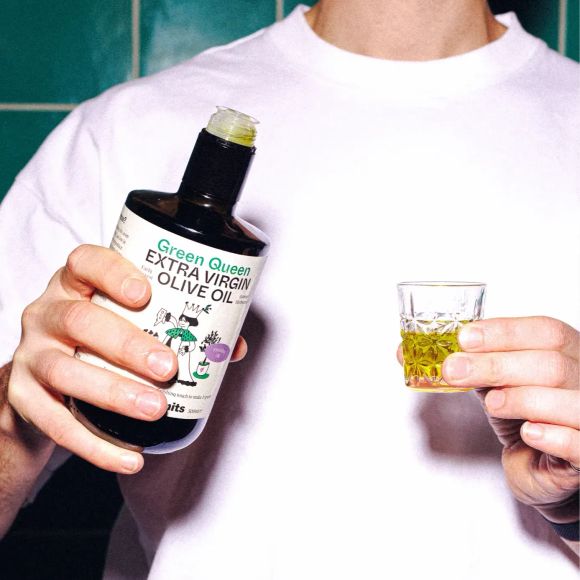
OlvLimits

OlvLimits offers extra-virgin olive oil that is high in polyphenols and third-party lab-tested.
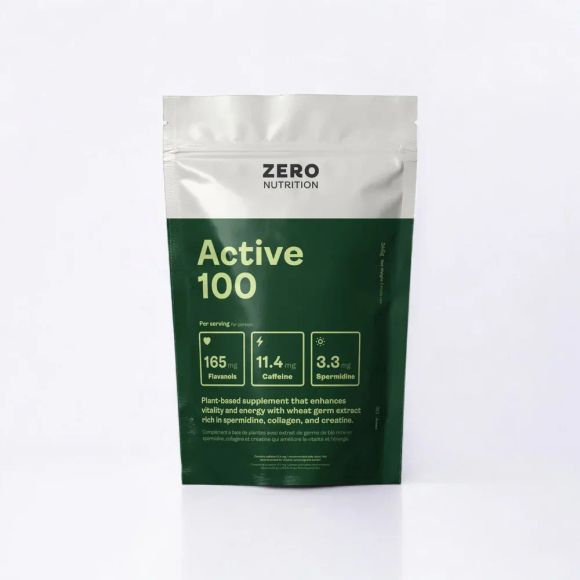
Zero Nutrition
Zero Nutrition offers science-driven supplements designed to combat aging and enhance overall health. Their products, such as ACTIVE100, SLEEP100, and EVOO100, are formulated with high-quality ingredients to support cellular repair, improve sleep quality, and provide antioxidant benefits. Committed to transparency and efficacy, Zero Nutrition ensures all supplements are independently tested and made in Europe.

Blueprint

Blueprint by Bryan Johnson offers a range of products designed for optimal health and longevity, including meals, snacks, olive oil, supplements, and protein powder. The protocol is built on 74 interventions based on over 1,000 clinical trials.
Zero Acre
Zero Acre Farms produces a cultured cooking oil made through fermentation, offering a healthier and more sustainable alternative to traditional vegetable oils.
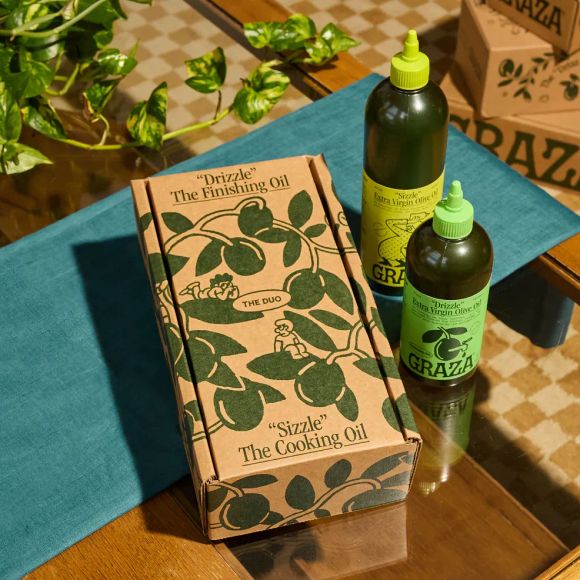
Graza
Graza offers high-quality, single-origin extra virgin olive oils from Spain, packaged in convenient squeeze bottles for everyday cooking and finishing.
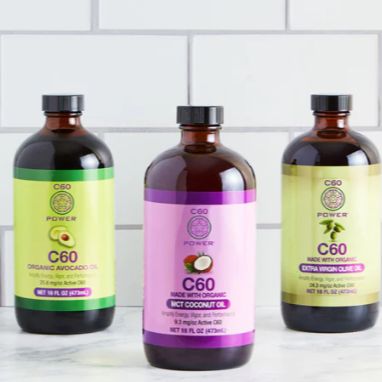
C60
C60 Power, formerly known as C60 Purple Power, specializes in producing high-quality Carbon 60 (C60) supplements aimed at enhancing energy, vitality, and overall well-being. Their product line includes C60 infused in organic oils, gummies, skincare items, and pet supplements, all formulated with 99.99% pure, sublimated C60 and certified organic oils. C60 Power emphasizes rigorous third-party testing to ensure the safety, purity, and efficacy of their products.