Knowledge
Magazine
-

The 24-Hour Sleep Model: Why Better Sleep Starts the Morning Before
8 min read
-

Eating for Longevity: Lessons From the World's Oldest People
9 min read
-

The Summer Health Kit: Supplies and Gadgets for Hot Days and Warm Nights
9 min read
Weekly picks on longevity, brands, and health science. No spam—unsubscribe anytime.
Tools
- →The 30s Longevity Guide for Women
- →Postpartum Recovery Guide
- →Perimenopause Longevity Guide
- →Dopamine Reset Guide
- →Pregnancy Longevity Guide
- →Peptide Guide
- →Home Detox Guide
- →Slow Aging Guide
- →Pro Supplement Guide
- →Safe Supplement Guide
- →Bio Age Calculator
- →Blood Testing Guide
- →Deep Sleep Guide
- →Pro Longevity Dashboard
By Category
By Goal
Knowledge
- →What is Longevity?
- →Improve diet
- →More focus
- →Look younger
- →Lose weight
- →Track biomarkers
- →Improve sleep
- →Build muscle
- →Increase cardio
- →Detect diseases
- →Recover faster
- →Relieve stress
Magazine
-
The 24-Hour Sleep Model: Why Better Sleep Starts the Morning Before
8 min read
-
Eating for Longevity: Lessons From the World's Oldest People
9 min read
-
The Summer Health Kit: Supplies and Gadgets for Hot Days and Warm Nights
9 min read
Weekly picks on longevity, brands, and health science. No spam—unsubscribe anytime.
Brands
- →Apps
- →At Home Tests & Kits
- →Events
- →Experts & Clinics
- →Foods & Beverages
- →Gadgets & Equipment
- →Gyms & Workouts
- →Supplements
- →Travel & Retreats
- →Wearables & Trackers
Tools
- →The 30s Longevity Guide for Women
- →Postpartum Recovery Guide
- →Perimenopause Longevity Guide
- →Dopamine Reset Guide
- →Pregnancy Longevity Guide
- →Peptide Guide
- →Home Detox Guide
- →Slow Aging Guide
- →Pro Supplement Guide
- →Safe Supplement Guide
- →Bio Age Calculator
- →Blood Testing Guide
- →Deep Sleep Guide
- →Pro Longevity Dashboard

Discover
Connect
Longevity Knowledge BETA
Red Light
Table of Contents
What is red light therapy?
Red light therapy, formally called photobiomodulation (PBM), uses wavelengths of red (620-700 nm) and near-infrared (NIR, 700-1100 nm) light to trigger measurable changes in cell behavior. The therapy doesn't heat tissue or cause UV damage. Instead, photons at these wavelengths are absorbed by mitochondria, where they kick-start a chain of biochemical reactions that boost cellular energy output. Over 5,000 peer-reviewed papers have examined PBM across dozens of medical fields, from dermatology and orthopedics to neurology [1].
How red light therapy works at the cellular level
The core mechanism is straightforward. Cytochrome c oxidase (CCO), the final enzyme in the mitochondrial electron transport chain, absorbs red and NIR photons. This releases nitric oxide that was blocking the enzyme, restoring normal electron flow and increasing ATP production by 20-50% in treated tissue [2]. The downstream effects include activation of Nrf2 (which ramps up antioxidant defenses) and modulation of NF-kB signaling (which, at low ROS levels, shifts gene expression toward anti-inflammatory pathways).
What makes PBM unusual among therapies is the biphasic dose response. Too little light does nothing. The right dose produces a strong cellular response. Too much light actually reverses the benefits, a phenomenon described by the Arndt-Schulz curve. This is why device specifications and treatment protocols matter more than most people realize.
Wavelengths and penetration depth
Red light at 630-660 nm reaches about 2-3 cm into tissue, making it best suited for skin conditions, superficial wounds, and surface-level inflammation. NIR at 810-850 nm penetrates 5-7 cm, deep enough to reach joints, muscles, bone, and even brain tissue through the skull. Most high-quality devices combine both ranges. Effective treatment parameters typically fall between 3-50 mW/cm2 irradiance and 10-50 J/cm2 energy density, applied for 10-20 minutes per area [3].
What the clinical evidence shows
The strongest evidence exists for skin health. A controlled trial found significant improvements in collagen density, elasticity, and wrinkle depth after 12 weeks of treatment at 633 nm, with results continuing to improve over three months of use [4]. For musculoskeletal recovery, NIR at 810 nm applied before exercise reduced delayed-onset muscle soreness (DOMS) by up to 50% and sped up strength recovery in multiple studies.
The FDA has authorized photobiomodulation devices for dry age-related macular degeneration. In a study of 100 patients with intermediate AMD, 53% of treated patients showed more than five letters improvement in visual acuity after two years of treatment [5]. For wound healing, a trial on second-degree burns found PBM cut average healing time by 46% compared to controls [6].
Brain health and cognitive function
Transcranial photobiomodulation at 810 nm is one of the more surprising applications. A 2024 randomized, double-blind, placebo-controlled trial found that tPBM increased both cognitive function and serum BDNF levels in adults over 50 with mild cognitive impairment [7]. Research is also underway for Alzheimer's disease, post-COVID brain fog, and traumatic brain injury recovery. The results are promising but still preliminary for most neurological applications.
Practical guidelines for home use
- Pick devices that list exact wavelengths (630-660 nm and/or 810-850 nm), irradiance in mW/cm2, and have independent testing. "FDA-cleared" means the device passed basic safety review.
- Keep a consistent distance from the device. Irradiance drops with the square of distance, so even a few extra centimeters reduce your dose significantly.
- Start with 10-minute sessions per treatment area. Increase to 15-20 minutes based on your response over 2-3 weeks.
- For broad systemic effects, treat large skin areas like the torso, back, or legs to maximize total photon absorption.
- Morning sessions complement natural circadian light exposure. Post-workout sessions support recovery signaling.
- Expect 3-6 weeks of consistent use (3-5 sessions per week) before seeing clear results for skin or pain conditions.
- Protect your eyes with the goggles provided. Even non-UV light at high intensity can cause retinal discomfort.
References
- 1. Effects of photobiomodulation on multiple health outcomes: an umbrella review of randomized clinical trials
- 2. Mechanisms and applications of the anti-inflammatory effects of photobiomodulation
- 3. Review of light parameters and photobiomodulation efficacy: dive into complexity
- 4. A controlled trial to determine the efficacy of red and near-infrared light treatment in patient satisfaction, reduction of fine lines, wrinkles, skin...
- 5. FDA authorizes light therapy (photobiomodulation) for dry AMD
- 6. Photobiomodulation treatment for second-degree burn: a double-blinded controlled pilot trial
- 7. Transcranial photobiomodulation increases cognition and serum BDNF levels in adults over 50: a randomized, double-blind, placebo-controlled trial
- 8. Photobiomodulation therapy reduced the length of stay in ICU and improved muscle function: a randomized, triple-blind, sham-controlled trial
Respect the biphasic dose curve
Distance determines your dose
Time your sessions strategically
Always protect your eyes
Give it 4-8 weeks before judging results
Check device specs before buying
Red light therapy timing
Is red light therapy safe?
How long does it take to see results from red light therapy?
What is the difference between red light therapy and infrared saunas?
Can red light therapy help with hair loss?
Does red light therapy work through clothing?
How does red light therapy work?

Anti-Aging Expert: This Reverses Gray Hair & Boosts Your Energy!

Essentials: Sleep Toolkit for Optimizing Sleep & Sleep-Wake Timing
Peptides: The Science, Uses & Safety | Dr. Abud Bakri
How Women Can Improve Their Fertility & Hormone Health | Dr. Natalie Crawford
Cultivating Awe & Emotional Connection in Daily Life | Dr. Dacher Keltner
Essentials: Using Light to Optimize Health
No discussions yet
Be the first to start a discussion about Red Light.
Related Articles


Community Discussions
Related Brands
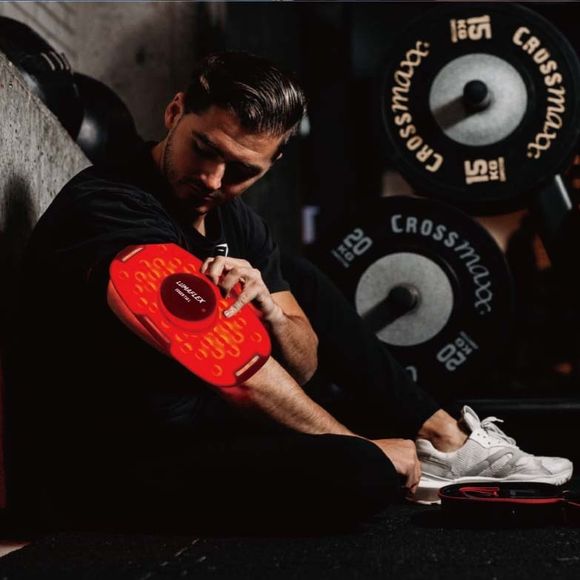
Lumaflex

Lumaflex is the leading provider of cutting-edge red light therapy devices.
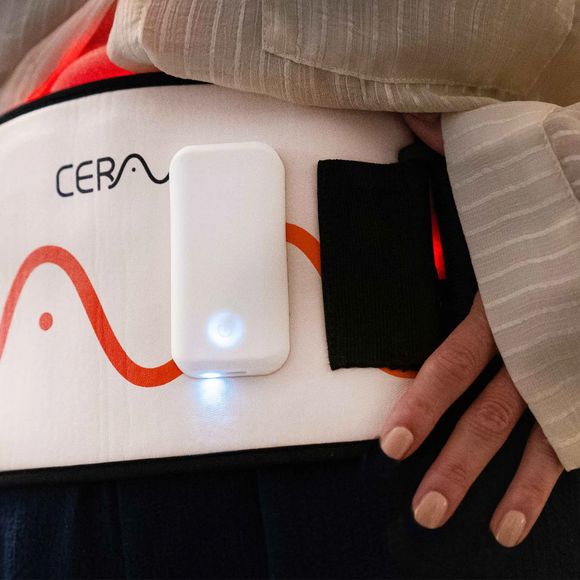
CeraThrive
CeraThrive offers the first FDA-listed Red Light Therapy device designed to support the Gut-Brain Axis.
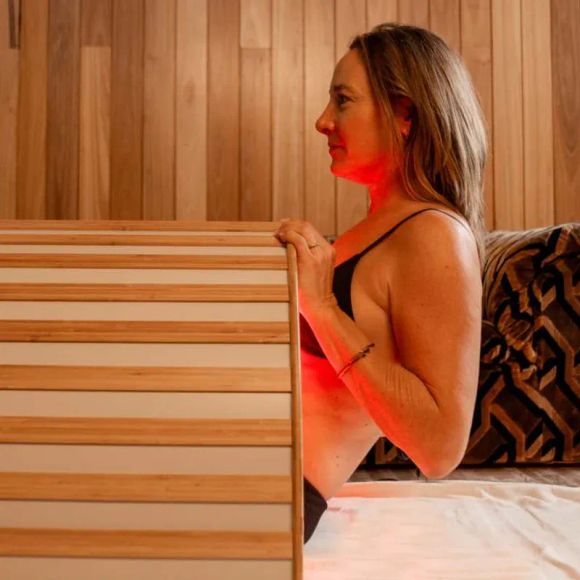
Helsi
Helsi™, founded in 2024 by Sebastian Mierau and Johannes Kettelhodt in Byron Bay, Australia, offers premium wellness products, including the Helsi™ One Sauna, Ice Plunge, and a range of red light therapy devices, designed to enhance health rituals and promote optimal well-being.
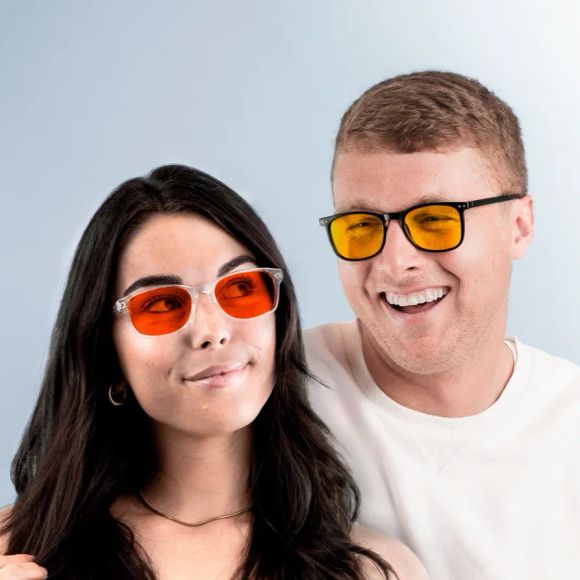
Blockblue Light
BlockBlueLight, founded in 2016 by Daniel Ebbett, specializes in products designed to mitigate blue light exposure, including blue light blocking glasses and low blue lighting solutions, aiming to enhance sleep quality and overall well-being
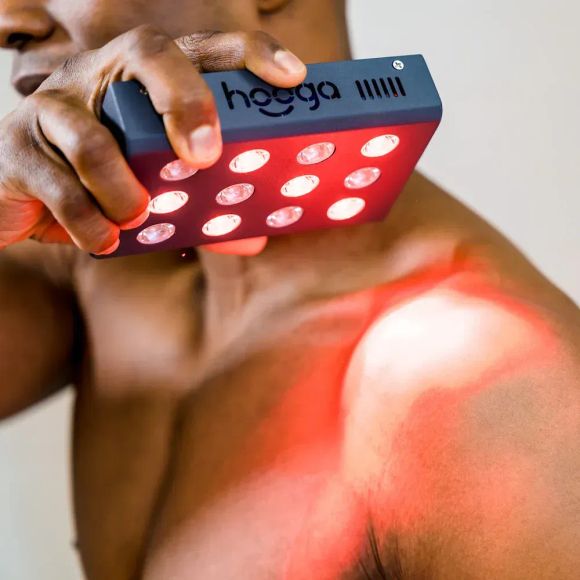
Hooga Health
Hooga Health offers a range of affordable and effective red light therapy devices designed to enhance skin health, boost energy levels, alleviate pain, and promote overall well-being.
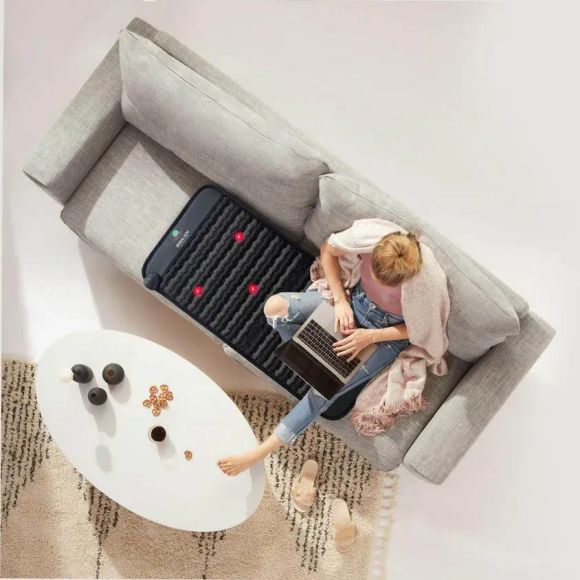
Spiralsun
Spiral Sun™ is a premium wellness brand based in Amsterdam, specializing in innovative health products designed to enhance overall well-being. Their offerings include hydrogen water bottles, infrared sauna blankets, PEMF therapy mats, and red light therapy devices, all crafted to integrate seamlessly into daily routines and promote a healthier lifestyle.
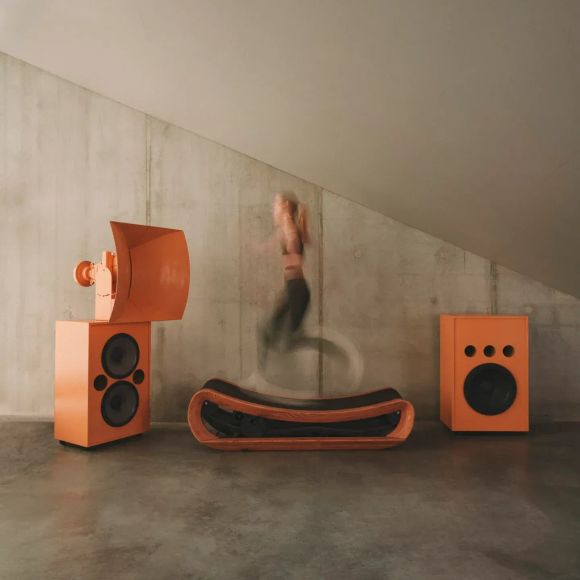
ANTI
ANTI is a holistic wellness hub in Berlin-Mitte offering a curated blend of longevity-focused treatments—such as hyperbaric oxygen, red light therapy, cryotherapy, sauna, and expert-led classes—to support sustainable health, stress resilience, and performance.
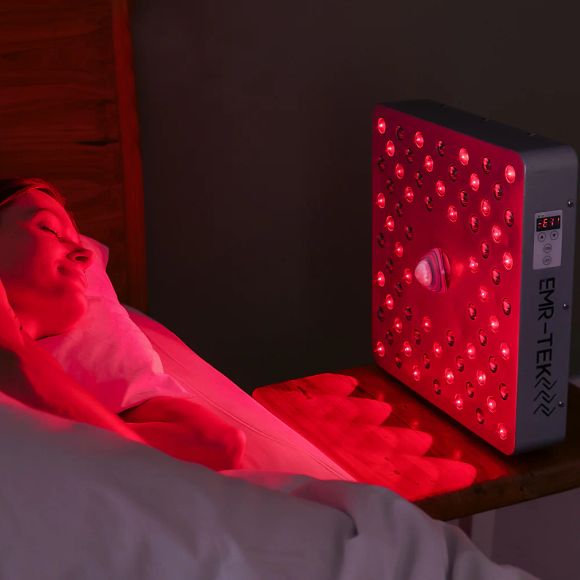
EMR-TEK
EMR-TEK is a wellness technology company specializing in red and near-infrared light therapy devices. Their product line includes portable panels, full-body systems, and accessories designed to support recovery, energy, and overall well-being. EMR-TEK also offers blue light blocking glasses and skincare products to complement their light therapy solutions.
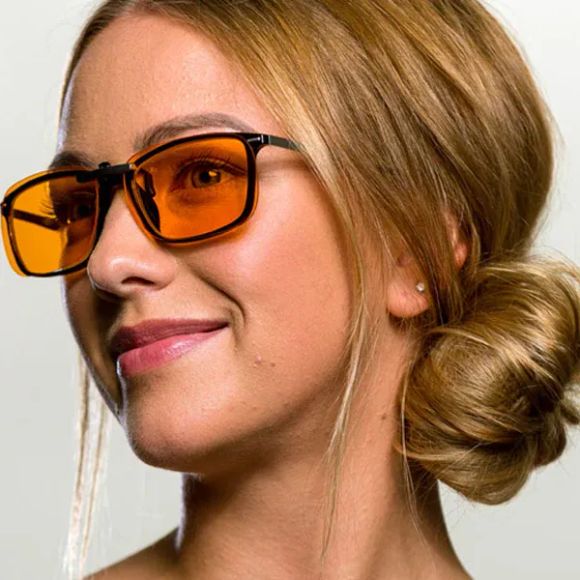
Lichtblock

Lichtblock offers innovative Blueblocker glasses and red light therapy lamps designed to enhance your health and well-being.
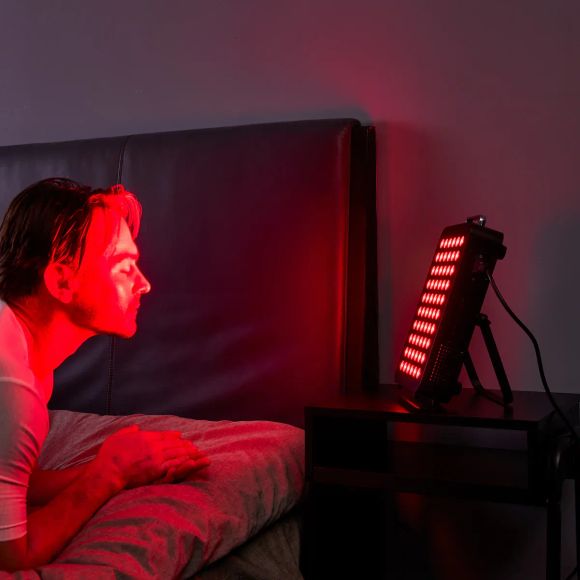
Bestqool
Bestqool specializes in red light therapy devices designed to alleviate back pain and improve sleep. Their products include portable and full-body red light therapy solutions, emphasizing scientific research and user-centered design.