Knowledge
Magazine
-

Oura vs Whoop vs Apple Watch: The Quantified Scientist on What the Accuracy Data Shows
15 min read
-

The Complete Guide to Testosterone Optimization — Part 3: Stress, Psychology, and Purpose
9 min read
-

Dr. David Barzilai: A Harvard Medical School Lecturer on the Five Health Habits Worth Your Time
18 min read
Weekly picks on longevity, brands, and health science. No spam—unsubscribe anytime.
Tools
- →The 30s Longevity Guide for Women
- →Postpartum Recovery Guide
- →Perimenopause Longevity Guide
- →Dopamine Reset Guide
- →Pregnancy Longevity Guide
- →Peptide Guide
- →Home Detox Guide
- →Slow Aging Guide
- →Pro Supplement Guide
- →Safe Supplement Guide
- →Bio Age Calculator
- →Blood Testing Guide
- →Deep Sleep Guide
- →Pro Longevity Dashboard
By Category
By Goal
Knowledge
- →What is Longevity?
- →Improve diet
- →More focus
- →Look younger
- →Lose weight
- →Track biomarkers
- →Improve sleep
- →Build muscle
- →Increase cardio
- →Detect diseases
- →Recover faster
- →Relieve stress
Magazine
-
Oura vs Whoop vs Apple Watch: The Quantified Scientist on What the Accuracy Data Shows
15 min read
-
The Complete Guide to Testosterone Optimization — Part 3: Stress, Psychology, and Purpose
9 min read
-
Dr. David Barzilai: A Harvard Medical School Lecturer on the Five Health Habits Worth Your Time
18 min read
Weekly picks on longevity, brands, and health science. No spam—unsubscribe anytime.
Brands
- →Apps
- →At Home Tests & Kits
- →Events
- →Experts & Clinics
- →Foods & Beverages
- →Gadgets & Equipment
- →Gyms & Workouts
- →Supplements
- →Travel & Retreats
- →Wearables & Trackers
Tools
- →The 30s Longevity Guide for Women
- →Postpartum Recovery Guide
- →Perimenopause Longevity Guide
- →Dopamine Reset Guide
- →Pregnancy Longevity Guide
- →Peptide Guide
- →Home Detox Guide
- →Slow Aging Guide
- →Pro Supplement Guide
- →Safe Supplement Guide
- →Bio Age Calculator
- →Blood Testing Guide
- →Deep Sleep Guide
- →Pro Longevity Dashboard

Discover
Connect
Markus Mattiasson
Level 3
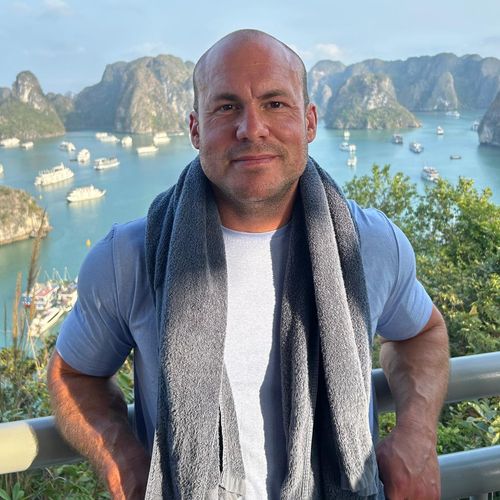
Head of Research & Innovation at Revi Health – a longevity, performance, and regenerative medicine clinic in Stockholm. Background in biomedical science, functional medicine, and advanced health optimization. I write Meta Medicine on Substack where I explore the intersection of health optimization and clinical medicine through an evidence-based, integrative perspective. Perpetually curious about what makes humans perform better and live longer. Coach, educator, researcher, and student of Life.
Supplements


My Routines
Cardio and mobility in the morning Monday through Friday: a mix of zone 2, lactate threshold, and interval training (typically 4x4). Resistance training midday on Monday, Tuesday, Thursday, and Friday, following an upper/lower A/B split: basic progressive overload, nothing fancy. Wednesdays, Saturdays, and Sundays are active recovery: stretching, sauna, and long walks in nature.
Diet & nutrition
After 20+ years of experimenting with everything from all-fruit to all-meat and everything in between, I've landed on a balanced, omnivorous whole-foods approach. Coming from a sports and fitness background, I keep a rough sense of caloric intake but don't count diligently. I also try to stop eating 3-4 hours before bed. Eating close to bed is the number 1 thing that affects my sleep quality, RHR, and HRV.
Supplements, medications & ancillaries
I take a lot of supplements, everything from the basics to more exotic and niche stuff. That said, I don't think most supplements yield more than a few percent on top of the basics, which is where the emphasis should be. Supplements add an extra layer of self-experimentation for me, and it's something I enjoy playing around with.
I'm also open about using certain medications and ancillaries as part of a proactive, longevity-oriented strategy, guided by bloodwork and under medical supervision. I think the line between "supplement" and "medication" is more cultural than scientific, and what matters is the risk:reward profile and the data behind it.
Sleep, recovery & relationships
I work a lot but protect my sleep and make sure to get 8 hours in bed every day. Weekends are mostly offline from work and training, spent with my girlfriend and our two cats. We travel roughly once a quarter, which is a nice reset from the fast pace and routine of everyday life. When traveling, I keep things simple: sensible eating, basic supplements like a multivitamin, magnesium, and omega-3, and no tracking.
Health monitoring & proactive screening
Comprehensive bloodwork on a quarterly basis, complemented by other health screenings including colonoscopy, CT, DEXA, MRI, VO2 max testing, and whole genome sequencing. I also do periodic deep-dives with nutritional testing, stool analysis, organic acids testing, and screening for environmental pollutants, heavy metals, microplastics, and other toxins. I'm a proponent of aggressive and proactive health screening, as long as it provides clinical value.